 Placeholder image
Horse Care · Drying
Rug Drying System
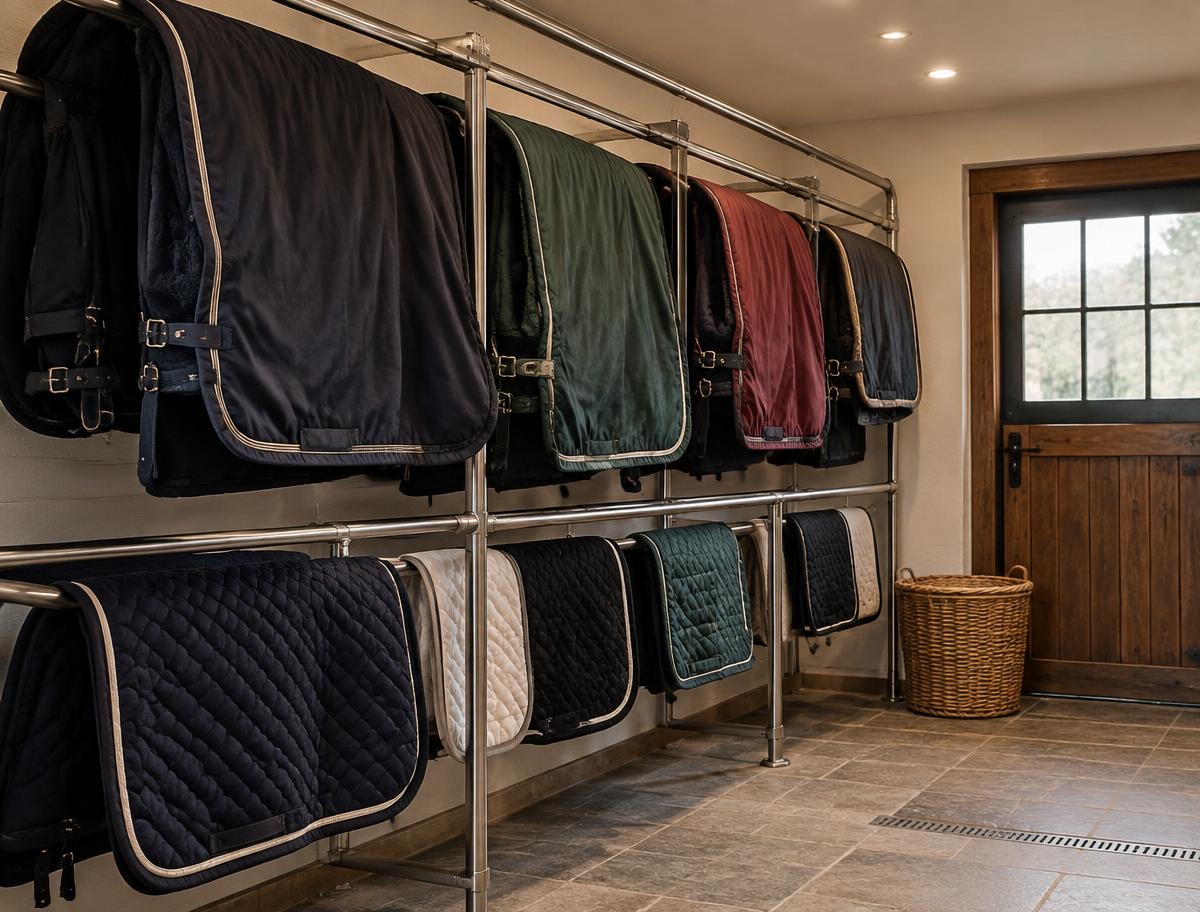
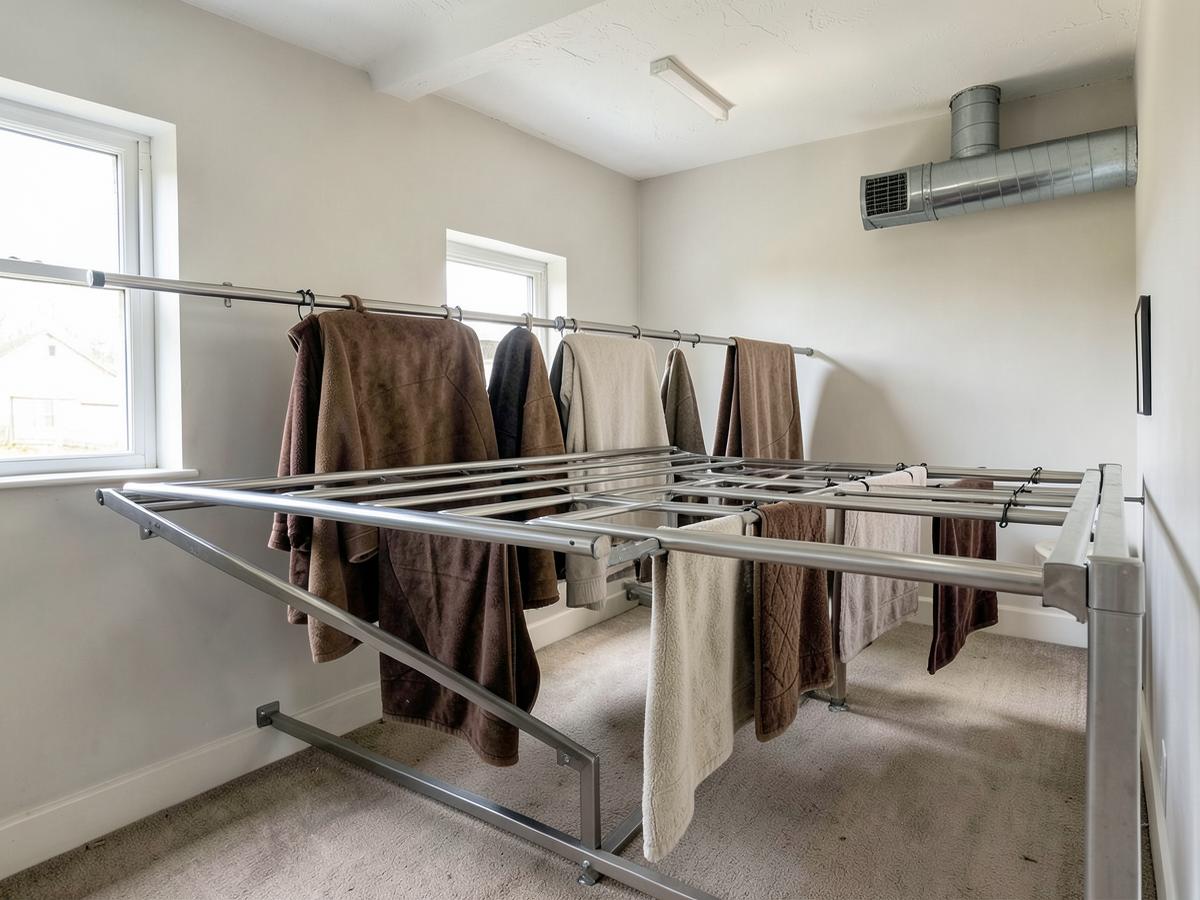
Heated drying rails and airflow for rugs, saddle pads and boots through a wet winter.
Price on request
EnquireSpecialist equestrian equipment · Speak to a specialist
Yard equipment
Where equipment saves the most time on a small private yard, in order of usefulness.
On a small private yard, buy in this order: rug and horse drying, then an automatic feeder, then a stable camera. That sequence removes the most daily work for the least outlay.
Practical preparation
Gather these details first. They will rule out unsuitable options and make any quotation more useful.
On a small yard, damp rugs and wet horses cost more time than anything else through winter. Drying equipment is usually the first worthwhile purchase.
A single automatic feeder removes the late feed trip and keeps rations consistent when someone else is covering.
A camera in the stable is inexpensive relative to what it saves in late-night checks.
A small private yard does not need a scaled-down version of a commercial facility. It needs equipment that removes frequent journeys, deals with winter conditions and makes cover easier when somebody else is doing the horses. List the jobs that happen every day and the ones that regularly cause delay. That gives a more useful order of purchase than starting with a list of desirable products.
Wet rugs and slow drying are persistent problems on a small British yard because there may be no dedicated drying room and only limited spare rug storage. Heated rails or controlled airflow can be a practical first investment. A horse solarium becomes more relevant where horses are washed or worked hard through winter and there is a suitable covered bay with power and safe headroom.
A single-stable automatic feeder may remove a late visit and divide feed into smaller portions, but it must suit the ration and the stable. A camera can reduce unnecessary checks during box rest or foaling watch. Neither should replace seeing the horse in person. The value is in making the routine more consistent and directing attention to the times it is genuinely needed.
Private owners are more likely to move yards or alter buildings than a large professional operation. Before buying, separate portable equipment from anything fixed to the building. Ask what can move with you, what needs an electrician and what would be left behind. Where ownership or planning is uncertain, a portable or minimally fixed solution may be the more sensible long-term choice.
On a small yard the cheapest improvements usually come first: lighting on the routes you walk in the dark, non-slip footing where you lead horses, drainage cleared before winter and dry storage for feed and rugs. Those change the daily experience more than any single machine, and they make later equipment easier to install. Our yard and stable safety equipment and feed and rug storage cover most of it. Once the yard works in the dark and the wet, it is much clearer which piece of equipment would save you the most time.
Most small yards get the best return in this order: rug and horse drying, because wet winters dominate the routine; feeding, because it dictates the timetable; then visibility, so you can check horses without walking out. That usually means rug drying, then an automatic stable feeder or a slow feeder depending on whether hard feed or forage is the issue, then a stable monitoring system. Buying in that order also spreads the electrical work sensibly, since drying and monitoring both need provision in the same buildings.
We would rather say what to skip. Whole-yard automation control, large installed exercise equipment and multi-stable feeding systems are hard to justify for one to three horses that are handled by the same person every day. Their value comes from removing repeated labour across many horses or many staff. The same money spent on drying, storage, lighting and footing tends to change daily life far more. If you are planning to grow, tell us, and we will point out which provision to run now so a later purchase does not mean opening up finished walls twice.
Equipment for a small yard should be judged on a wet January evening rather than a summer morning. That means asking where the water goes, where you would dry a rug, whether you can see what you are doing, and whether the route to the muck heap is safe in the dark. Improve drainage before the weather turns, keep grit and a torch where they are needed, and get rugs somewhere ventilated. Most small-yard equipment regret comes from buying for the pleasant half of the year.
If you may take on another horse, start a livery or build a wash area, say so before spending. Running conduit, water and drainage while ground is open costs a fraction of retrofitting, and it means a later wash bay system or fitted drying can be added without opening finished floors twice. Buy the equipment you need now, but prepare for the equipment you are likely to want. Send us a rough plan and horse numbers and we will tell you what to provide for at this stage.
With one to three horses, the equipment that earns its place is the equipment used daily. First, somewhere for rugs to dry, because wet rugs cause more daily friction than anything else: a rug drying system is usually the single best first purchase. Second, forage that lasts, using a slow feeder or hay feeder so the gap between visits stops dictating your day. Third, timed hard feed with an automatic stable feeder if the late feed is the problem. Fourth, a camera on the box that matters. Fifth, proper storage so bedding and equipment are not standing in the weather. Anything larger belongs after all five, not instead of one of them.
Small yards often spend well on equipment and poorly on fittings, then replace the fittings twice. Tie rings, mangers, rug rails, door catches and hooks are all used dozens of times a week and all get leaned on by a horse, so buy them once and fit them properly: the stable equipment range covers the fittings, and our stable equipment buying guide covers what to check. A solid mounting block is worth more than most gadgets if you ride alone. The test is simple. If it is touched every day, buy the better version. If it is used twice a year, buy the adequate one and spend the difference on the things that are not.
Three patterns come up repeatedly. Buying for the yard you hope to have rather than the one you have, which leaves capable equipment unused in a barn. Buying drying for horses while rugs still hang over stable doors, which fixes the smaller half of the problem. And buying several cheap versions of a daily item instead of one good one, which costs more within two winters. There is a fourth worth naming: adding equipment without adding anywhere to put it, so the yard gets busier rather than easier. If you tell us the number of horses, whether they live in or out, who is on the yard during the week and what is currently the worst job of the day, we will tell you what to buy first and what can wait.
Nobody equips a yard in one purchase, and there is no need to. Buy one thing, use it for a season, then decide the next from experience rather than from a list. The only decisions worth making early are the ones that are expensive to change later: where power runs, where water drains and where a drying or wash area would sit if you ever add one. Provision for those while other work is happening, then take the equipment in the order the jobs annoy you. If you want a second opinion before spending, telephone +44 7380 131007 or send your horse numbers and routine through the contact page and we will tell you honestly what to buy first and what to leave.
Often yes, where it removes a daily journey or a repeated winter job. We are happy to say when it is not.
Portable equipment can; fixed installations generally cannot. Worth deciding early if livery may change.
For most British yards, rug drying, because wet rugs affect every winter day. If forage gaps are the bigger issue, a slow feeder comes first.
Timed feeding and good lighting are useful at any scale. Whole-yard control systems rarely justify themselves until several people share the work.
It depends entirely on the buildings and what you already have. We would rather look at your yard and suggest an order of purchases than quote a figure that means nothing.
Somewhere for rugs to dry. Wet rugs cause more daily friction than anything else, and rug drying is the least disruptive thing to install.
Only the parts that are expensive to change later: power, drainage and where a wash or drying area would go. Buy the equipment itself in stages.
Equipment
Specification, pricing and availability are confirmed on enquiry.
Placeholder imageHorse Care · Drying
Heated drying rails and airflow for rugs, saddle pads and boots through a wet winter.
Price on request
Enquire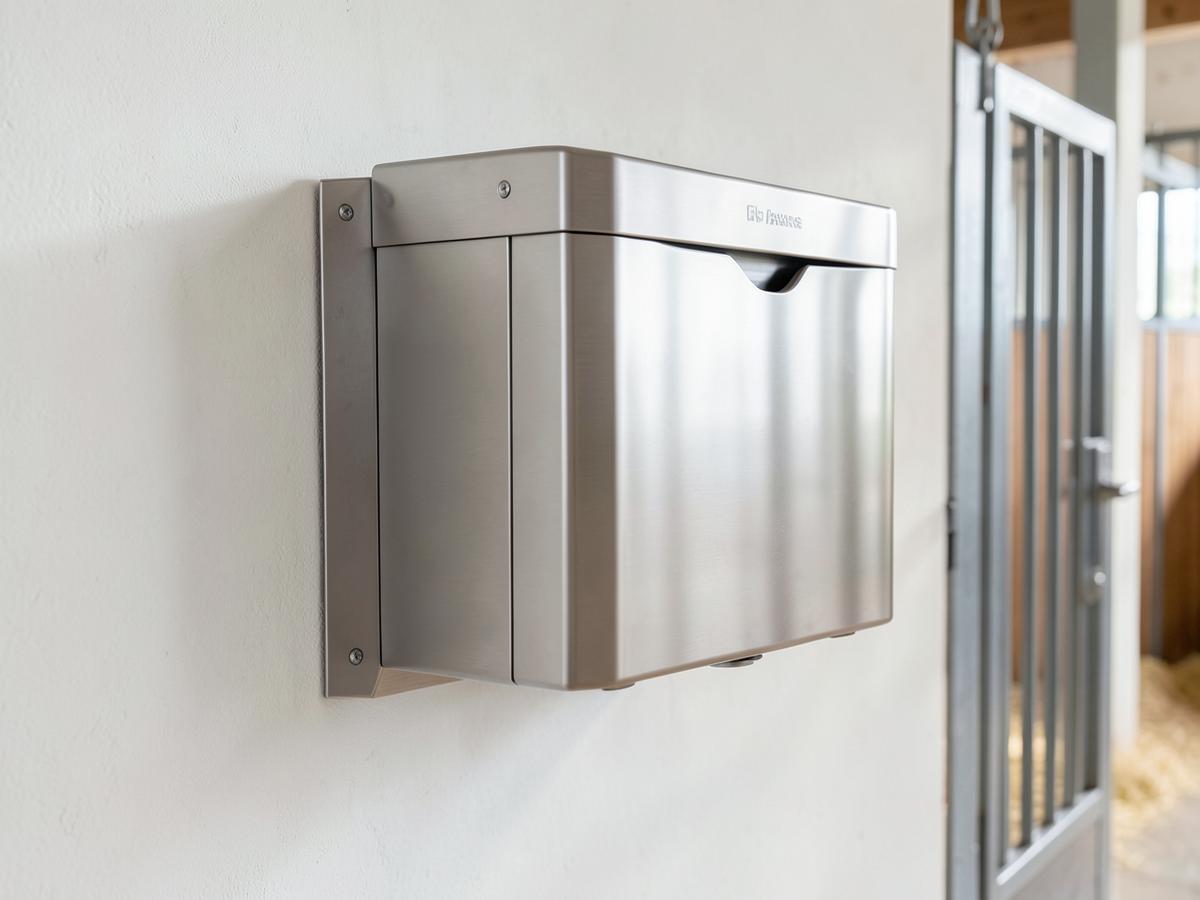 Placeholder image
Horse Care · Feeding
Single-stable automatic feeder that divides hard feed into timed portions across the day.
Price on request
Enquire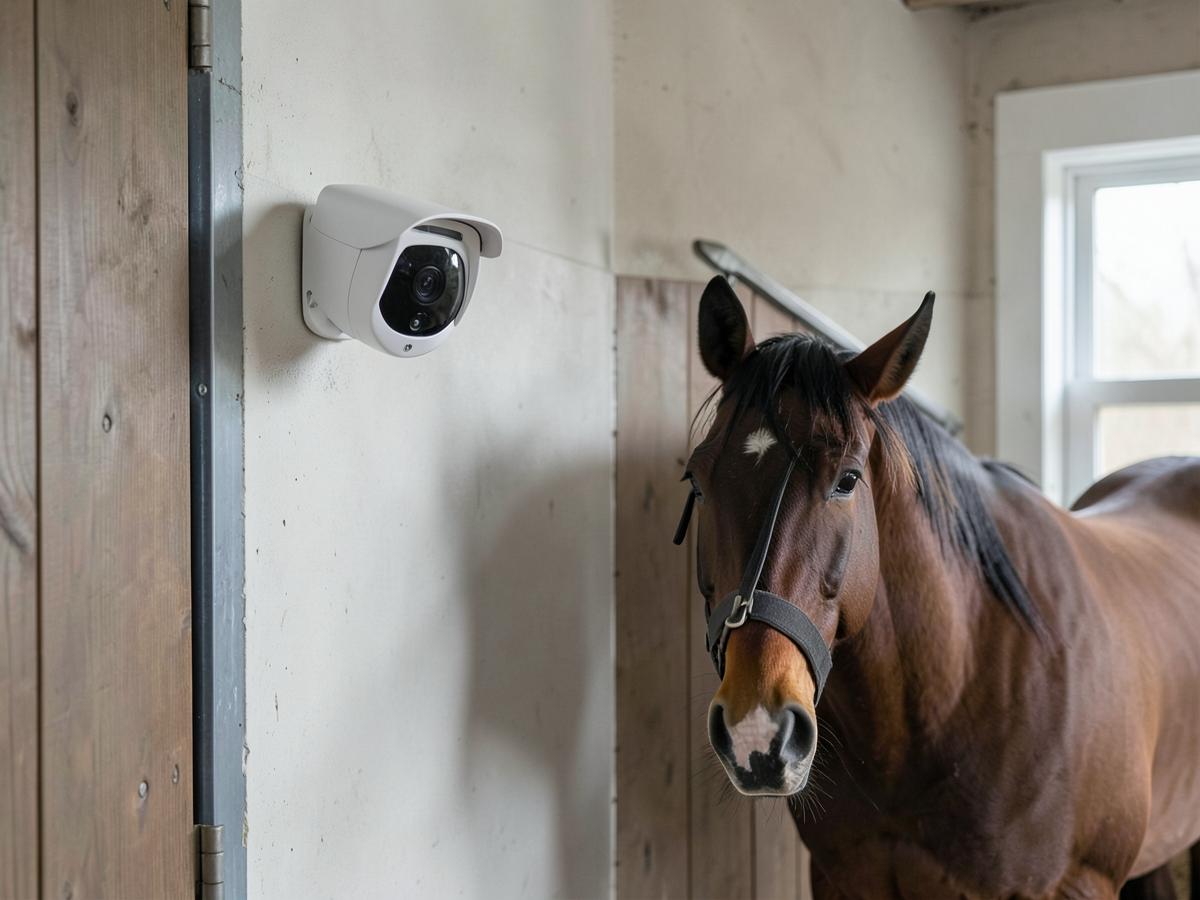 Placeholder image
Horse Care · Monitoring
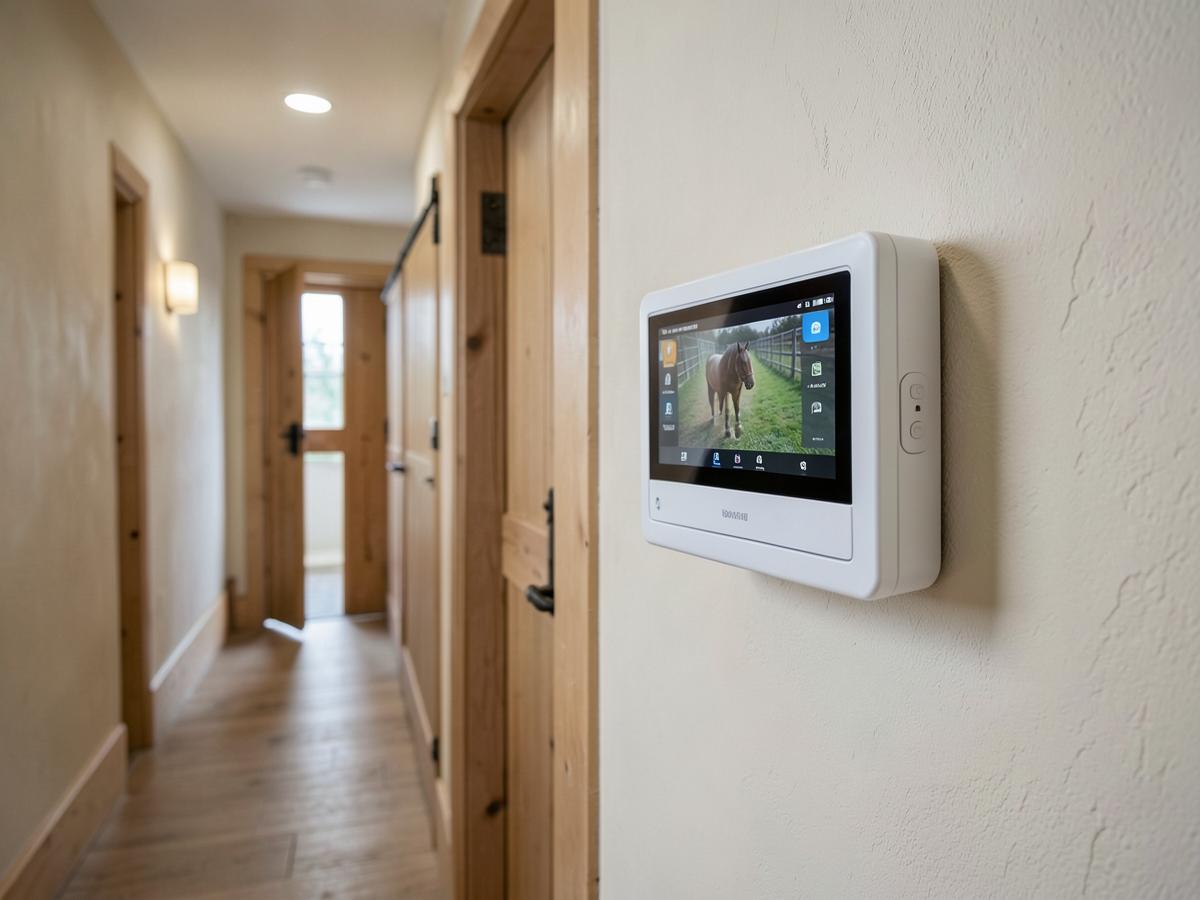
Camera-based stable monitoring you can view from your phone, with night vision and movement alerts.
Price on request
Enquire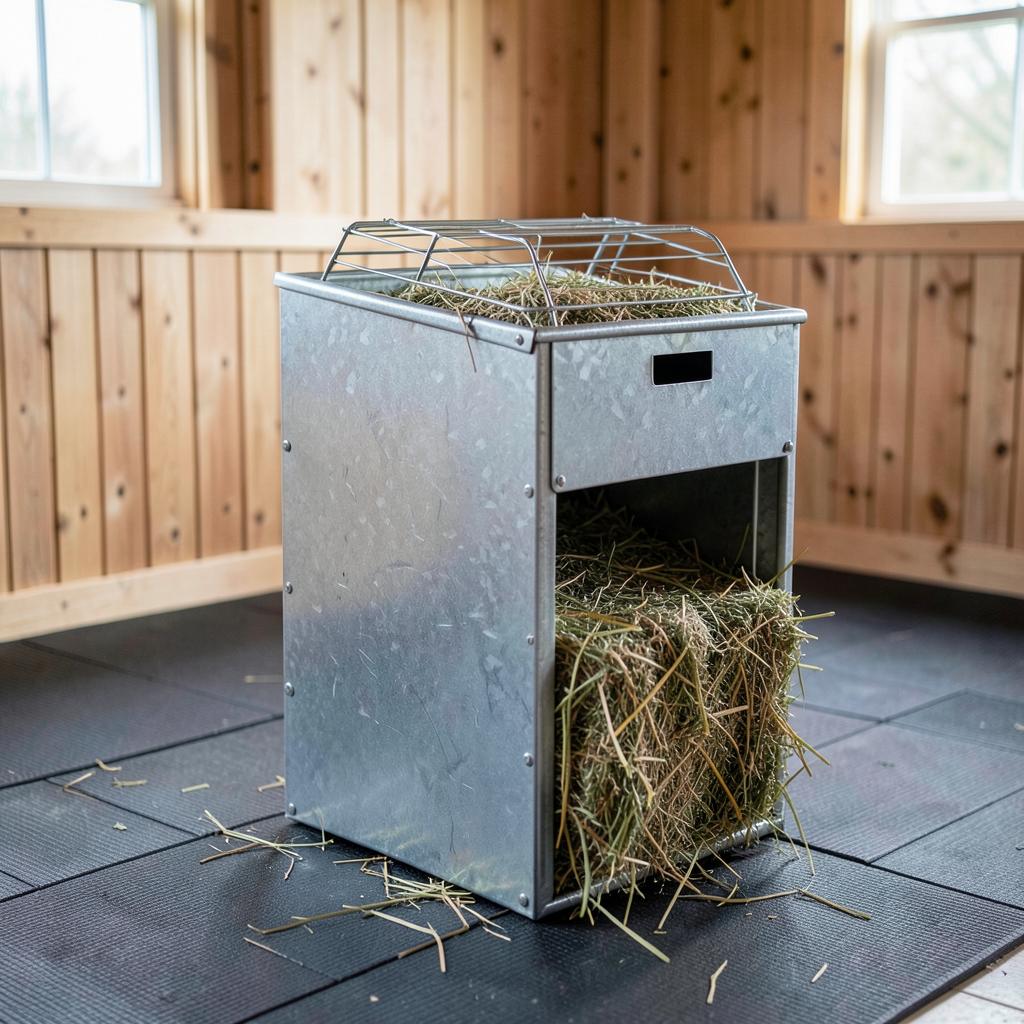 Placeholder image
Horse Care · Slow Feeders
Grille-topped forage feeder that slows how quickly a horse eats hay, so a ration lasts closer to the gap between feeds and less ends up trodden into the bed.
Price on request
Enquire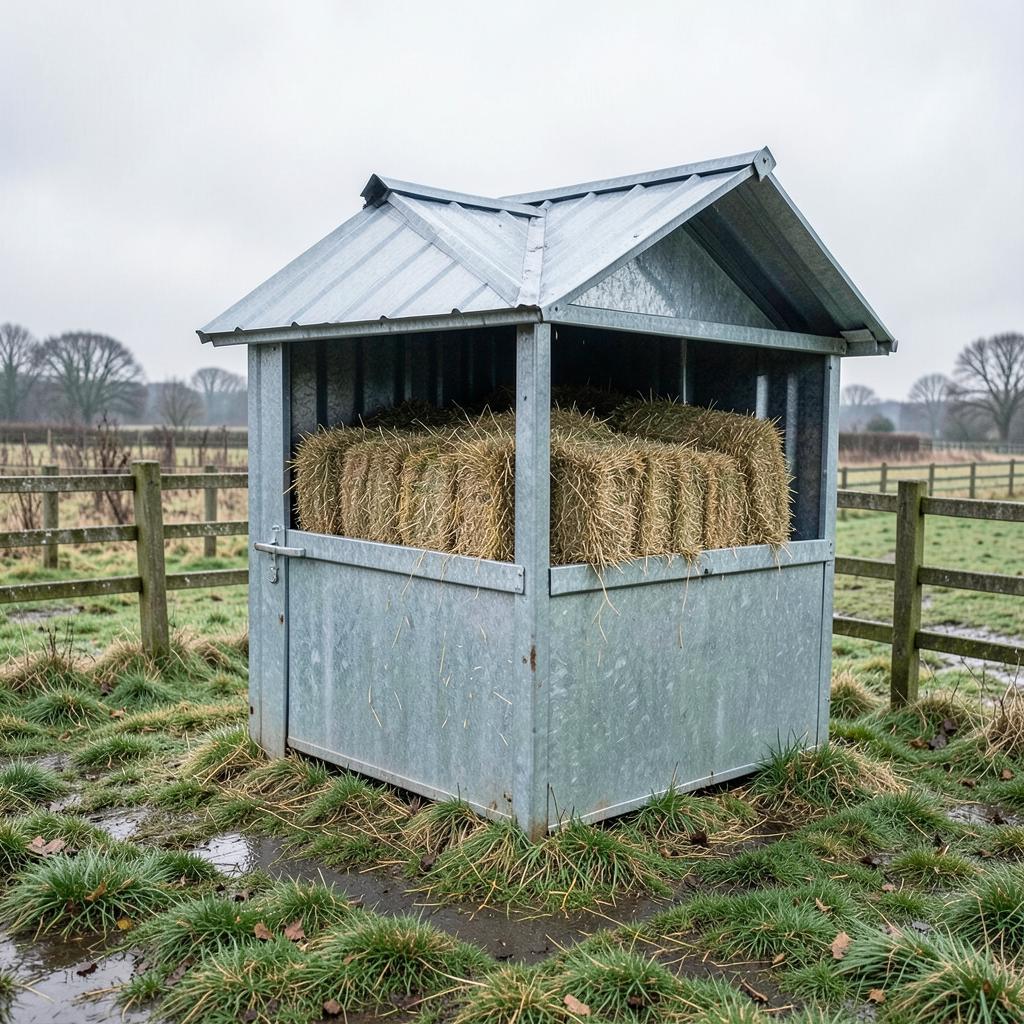 Placeholder image
Horse Care · Hay Feeders
Covered field or barn hay feeder that keeps forage off the ground, out of the mud and away from waste, with a roof that sheds the worst of a British winter.
Price on request
Enquire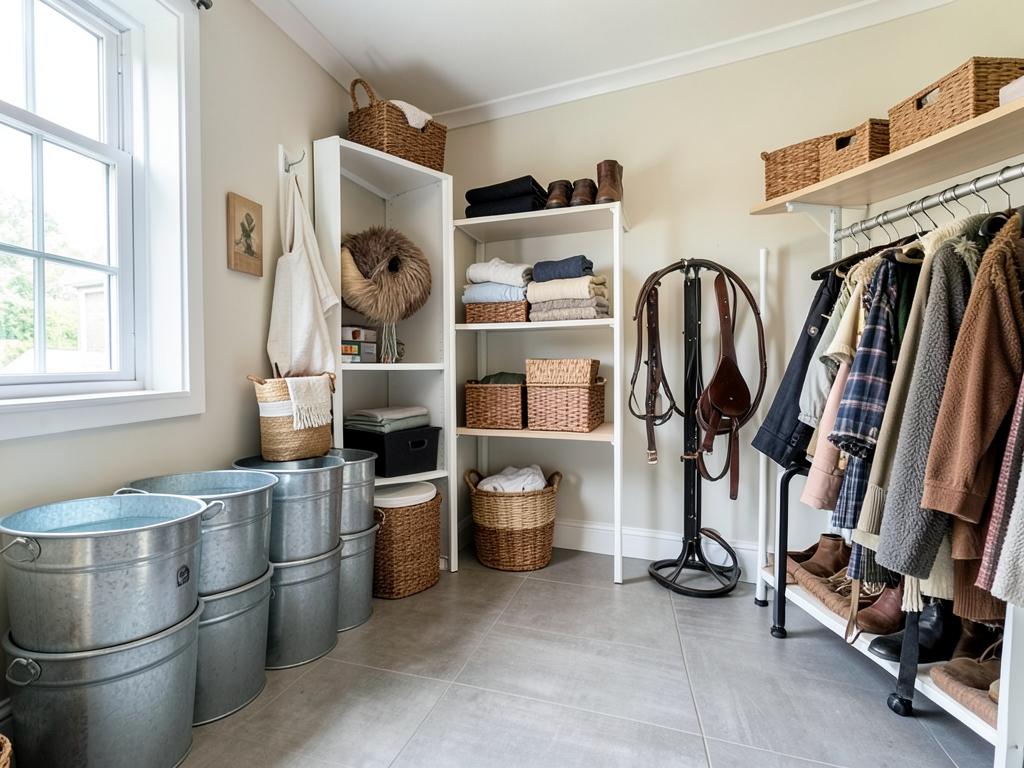 Placeholder image
Yard Equipment · Yard Storage
Feed bins, rug racks and shelving specified together so a tack room stays dry, organised and easy to work in.
Price on request
EnquireThe Yard & Mane Edit
 Practical buying guide
Buying advice · Automation
What you will learn: Practical automation for feeding, water, lighting, turnout and security on a working yard.
Read guide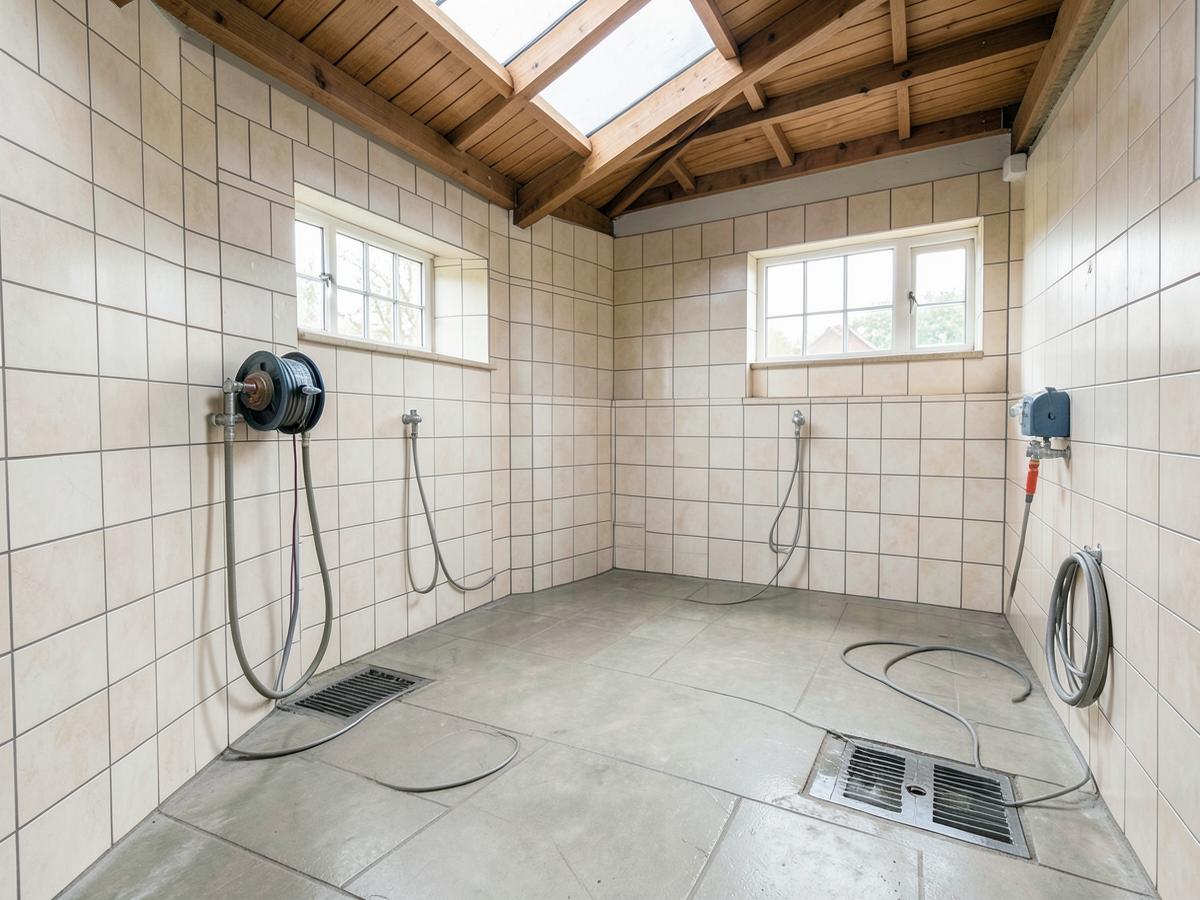 Practical buying guide
Buying advice · Planning
What you will learn: The equipment decisions that shape the budget when building or upgrading a private yard.
Read guide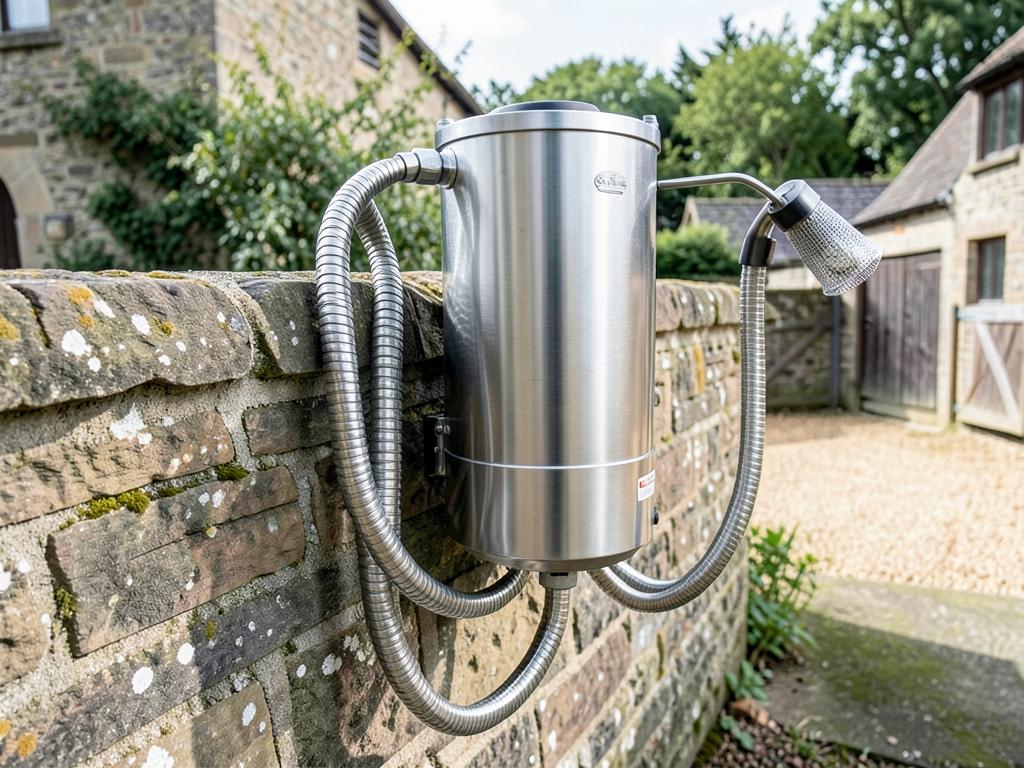 Practical buying guide
Buying advice · Washing
What you will learn: Warm water washing without building a wash bay, and how portable units compare with a fitted installation.
Read guideHere to help
Specialist equipment can be a significant investment. If you are not sure which option suits your horse or your yard, talk it through with us.
Speak to a specialist
Questions about a product, or unsure what you need? Call us or send a message and a specialist will come back to you.