 Placeholder image
Yard Equipment · Portable Horse Wash Systems
Portable Horse Wash System
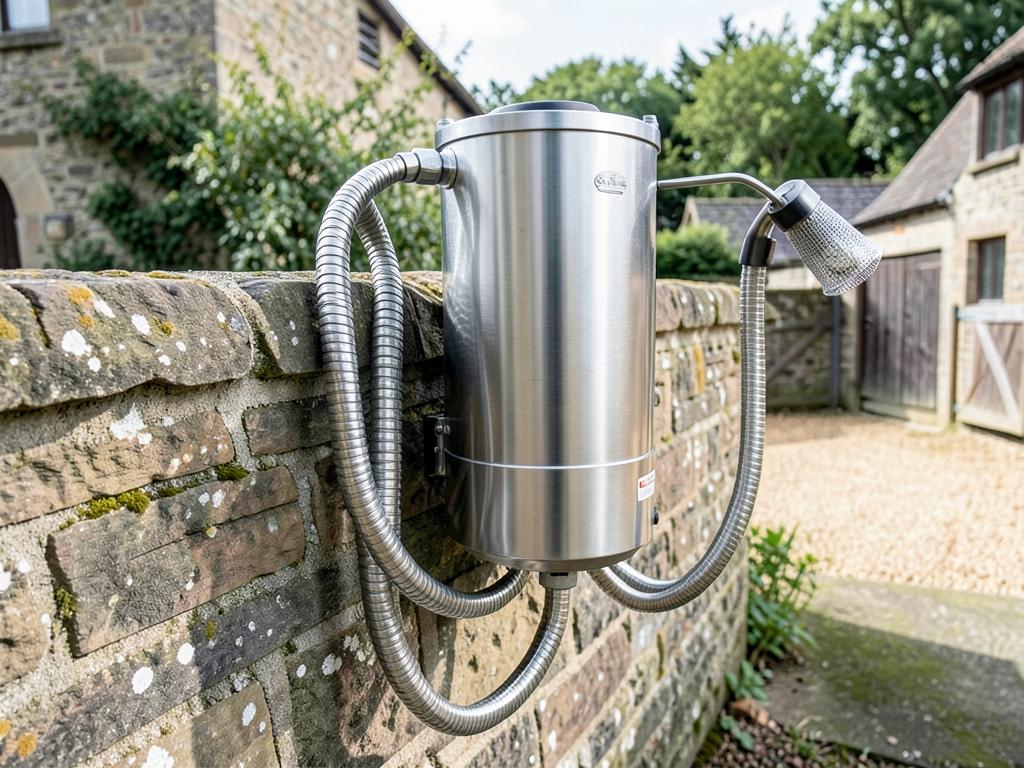
Compact warm water wash unit with hose and lance, for yards without a plumbed wash bay or for use away from home.
Price on request
EnquireSpecialist equestrian equipment · Speak to a specialist
Washing
Warm water washing without building a wash bay, and how portable units compare with a fitted installation.
A portable horse wash system suits owners with no plumbed wash area, shared yards and horses washed away from home. A fitted wash bay system suits a yard washing horses regularly and wanting drainage, water and drying in one place. Whichever you choose, plan how the horse dries afterwards. Both sit in wash and drying.
Practical preparation
Gather these details first. They will rule out unsuitable options and make any quotation more useful.
Most yards want warm water long before they can justify building a wash bay. A portable unit gives you that without altering the building, and it travels to shows.
A fitted bay with plumbed hot water, drainage and non-slip flooring is better where horses are washed daily. A portable unit suits one to three horses, a rented yard, or a building you cannot change.
Check the water source, the power available, hose length against where the horse stands, and how the unit is drained and stored in freezing weather.
Warm water is only half the job in winter. Plan how the horse will dry before you buy the means to get it wet.
Most yards do not fail at washing horses because they lack a hose. They fail because there is nowhere sensible to do it: no warm water, nowhere that drains, and a concrete apron that turns into a skating rink in winter. A portable system answers the first two of those without altering the building, which is why it appeals to owners on rented or shared yards, to people competing away from home, and to anyone whose stable block cannot easily be plumbed. It is a genuine solution rather than a stopgap, provided you are honest about the third problem: the horse still needs to stand somewhere safe with footing that drains.
Portable systems differ mainly in how they take water and how they are powered, and that decides where you can actually use one. Some draw from a container you fill, others from a tap; some need a socket and others do not. Before ordering, work out the distance from your water source to where the horse stands, the height any hose has to be lifted, and whether you have a socket that is appropriate for a wet environment. Cable and hose runs should not cross walkways. If you plan to use it at competitions or on grass, add access and storage to that list. We confirm the water and power requirements for a specific unit before you order.
Wherever you wash a horse, the ground decides how safe it is. Look for a level area with a non-slip surface, somewhere for water to go that is not the walkway, and enough room for the handler to work either side. Existing concrete is usually improved with rubber matting rather than replaced. Avoid washing where water runs back towards feed, bedding or storage, and avoid a spot that ices up in winter. If the same place will eventually take fitted equipment, think about a fall to a drain now, because retrofitting drainage into finished concrete is the expensive part of a wash bay.
A fitted bay is a building job: drainage, water, power, floor, sometimes a roof and overhead drying. Once in place it is quicker and safer than any portable arrangement, and it is the right answer for a yard washing horses daily. A portable unit is a smaller commitment, needs no groundworks, moves with you and can be put away. Its cost is time and handling: filling, positioning and storing it every use. A useful test is frequency. Washing several horses most days pushes you towards fitted; occasional washing, or a yard you do not own, points to portable.
Washing in winter is where equipment choices show. Warm rinsing is kinder and quicker than cold hosing, but the risk is a wet horse standing in a cold stable afterwards, so the drying arrangement matters more than the washing one. Many owners scale back to targeted rinsing of legs and quarters in the coldest weeks and keep full washing for milder days or after hard work. Get the horse out of a draught, dry it properly, and rug it dry rather than damp. If your yard cannot achieve that yet, solve drying before you increase how often you wash.
Washing a horse creates a wet horse, so plan drying at the same time. A portable horse dryer matches a portable wash setup and can be used in the same place. A fitted bay is where a horse solarium makes most sense, since the horse is already standing tied under cover. If rugs come off wet as well, rug drying usually changes the routine more than anything else. The whole horse care drying range exists for this, and it is worth choosing washing and drying together rather than six months apart.
Portable equipment lives or dies by how it is stored. Drain hoses and containers after use so they do not sit full through a frost, keep couplings clean, coil hoses rather than kinking them, and store the unit somewhere dry and out of the way of horses. Check the cable and any fittings before each use. Hard water leaves deposits, so periodic descaling may be needed depending on the unit. None of this is difficult, but a system left wet in a corner all winter will not perform. We confirm the maintenance requirements for a specific model on enquiry.
Portable washing is straightforward until the water has nowhere to go. Before buying, decide where the horse will stand, whether the surface is safe when wet, where the run-off goes and whether that is acceptable in the yard and to anyone downhill of it. Standing water freezes in January and turns a convenient spot into a hazard. Check the water source too, and how the equipment is filled or connected in the place you actually intend to use it rather than the place that is convenient in summer. A portable horse wash system suits yards without a fitted bay, but it works far better in a spot chosen deliberately than in whichever corner is free.
Portable equipment stops being the sensible choice at the point washing becomes routine rather than occasional. If horses are washed most days, if two people wash at once, or if you already know where a bay would go, a fitted wash bay system with proper drainage and power will save more time than any portable arrangement and is safer underfoot. The other half of that decision is drying, because a washed horse in a British winter needs to be dry before it is rugged: pair the wash side with a portable horse dryer or fitted drying, and read our drying systems guide before you commit to either.
Cold-weather washing is where portable equipment either proves itself or gets abandoned. Pick a spot that drains and does not ice over, keep cables and hoses out of the walkway rather than across it, and make sure the horse stands on something safe when wet. Any electrical equipment used near water belongs on a suitably protected circuit, and a qualified electrician should confirm that rather than an assumption. Have the drying arrangement ready before the horse is wet, because a washed horse standing in a cold stable is worse than a horse left unwashed. Between uses, store the equipment somewhere dry so it is not frozen when you next want it. We confirm the electrical and water requirements for a specific unit on enquiry.
Not usually. Units either draw from a container you fill or connect to an existing tap. We confirm the water and power requirements for a specific model before you order.
That is one of the main reasons owners choose portable. Check with the yard owner about water use, power and where you may wash, since drainage is usually their concern rather than yours.
Most owners find warm rinsing kinder and quicker, particularly in cold weather. The important part is drying the horse properly afterwards rather than leaving it wet in the stable.
Washing several horses most days, in a yard you control, points to a fitted bay. Occasional washing, a shared yard or travelling to competitions points to portable.
Once washing is routine rather than occasional, two people wash at the same time, or you already know where a bay would go. Fitted drainage and power save more time than any portable arrangement.
Only with the drying arrangement ready first, a spot that drains and does not ice over, and electrical equipment on a suitably protected circuit confirmed by a qualified electrician.
Equipment
Specification, pricing and availability are confirmed on enquiry.
Placeholder imageYard Equipment · Portable Horse Wash Systems
Compact warm water wash unit with hose and lance, for yards without a plumbed wash bay or for use away from home.
Price on request
Enquire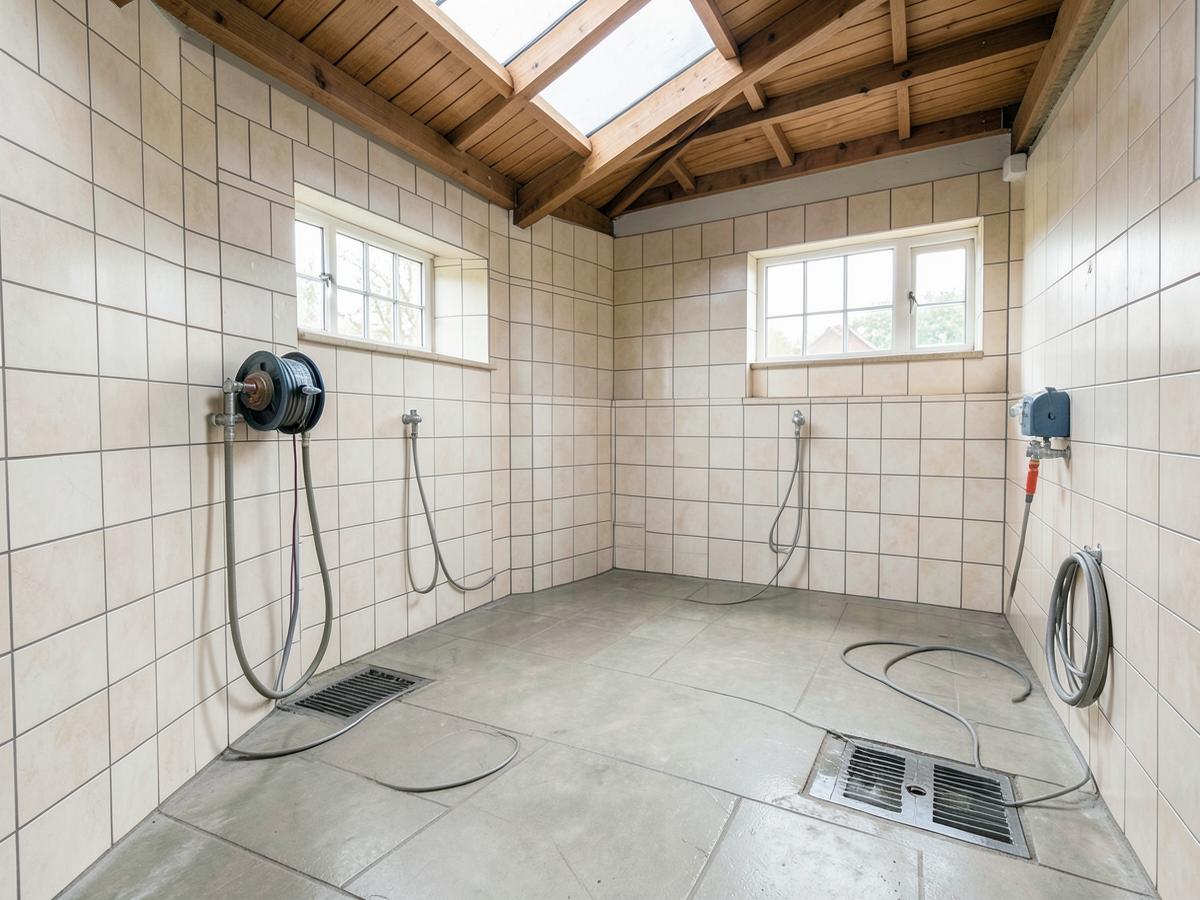 Placeholder image
Yard Equipment · Wash & Drying
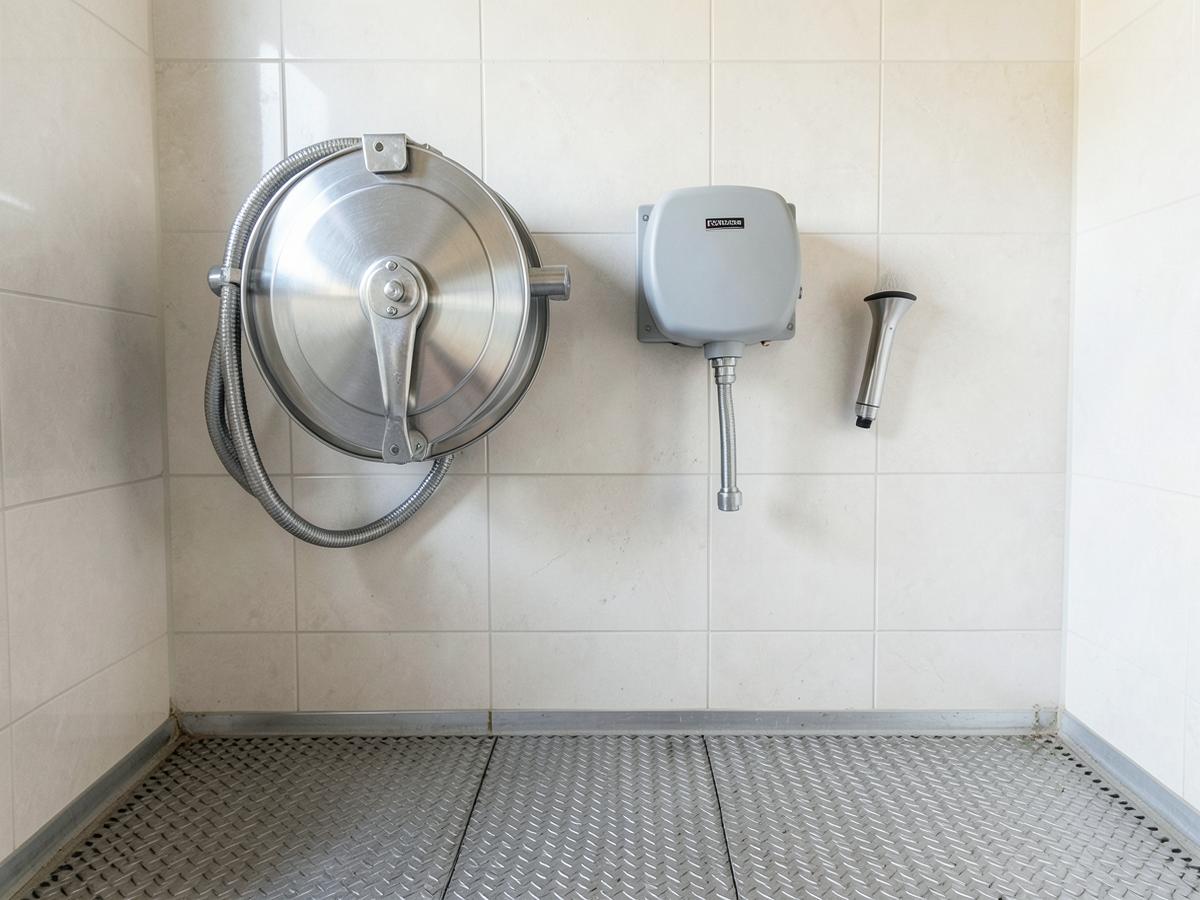
Wash bay fit-out with hot and cold water, drainage and safe non-slip surfacing.
Price on request
Enquire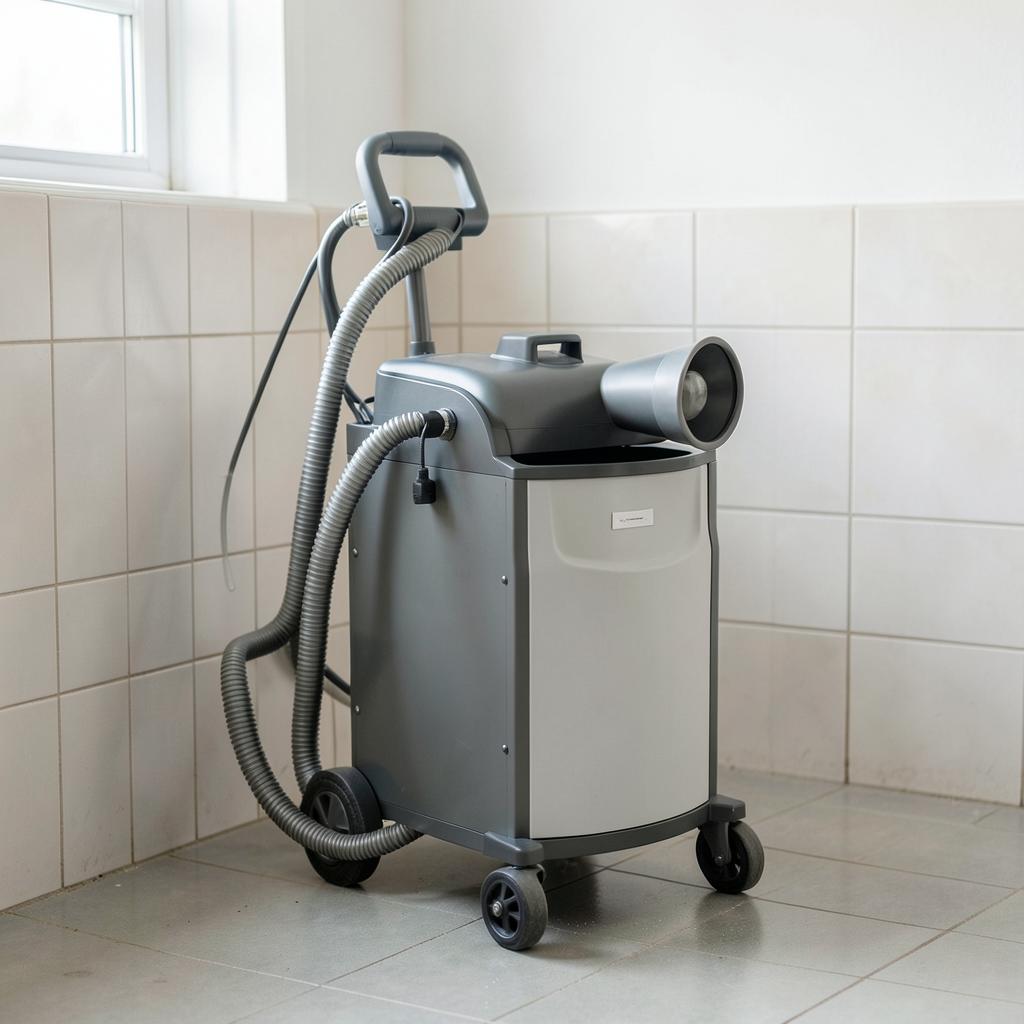 Placeholder image
Horse Care · Horse Dryers
Wheeled warm air dryer used to dry a horse off after washing, work or a wet day, without fitting anything to the building. It moves between stables and wash areas and stores away between uses.
Price on request
Enquire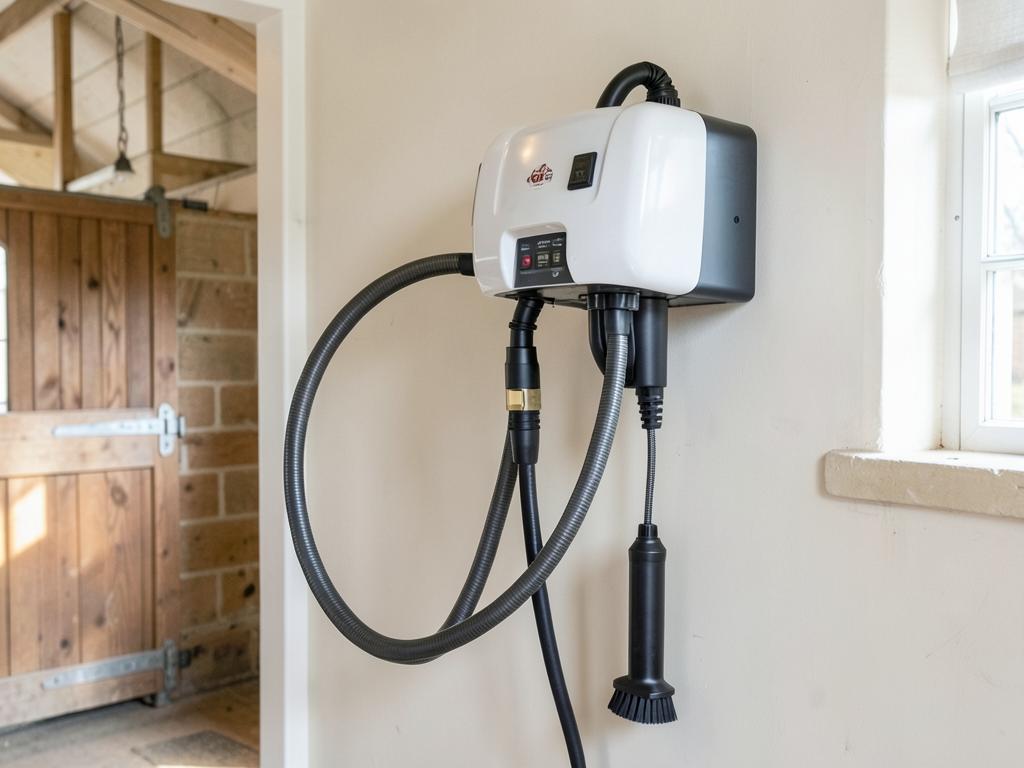 Placeholder image
Horse Care · Grooming Systems
Wall mounted grooming vacuum that lifts dust, scurf and loose coat out rather than moving it around the stable.
Price on request
EnquireThe Yard & Mane Edit
 Practical buying guide
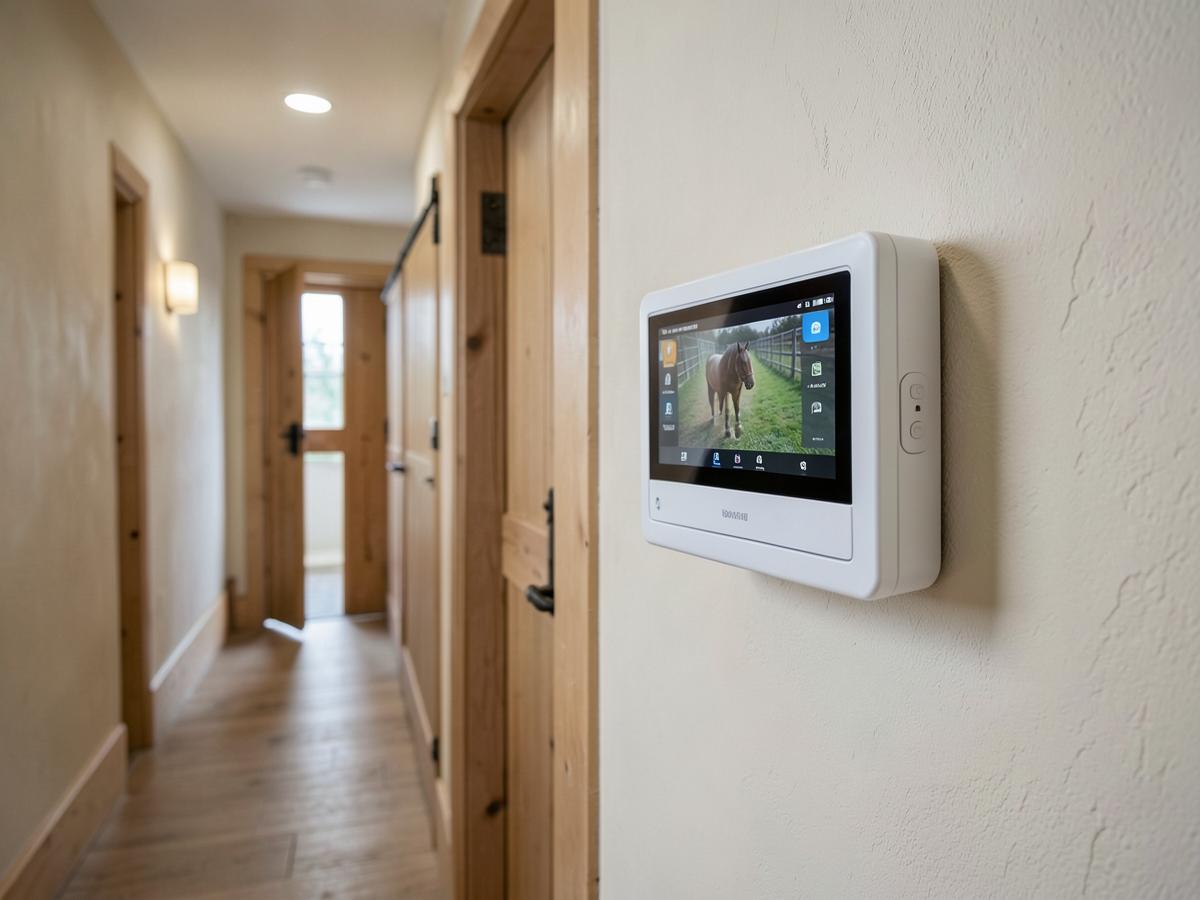
Buying advice · Automation
What you will learn: Practical automation for feeding, water, lighting, turnout and security on a working yard.
Read guide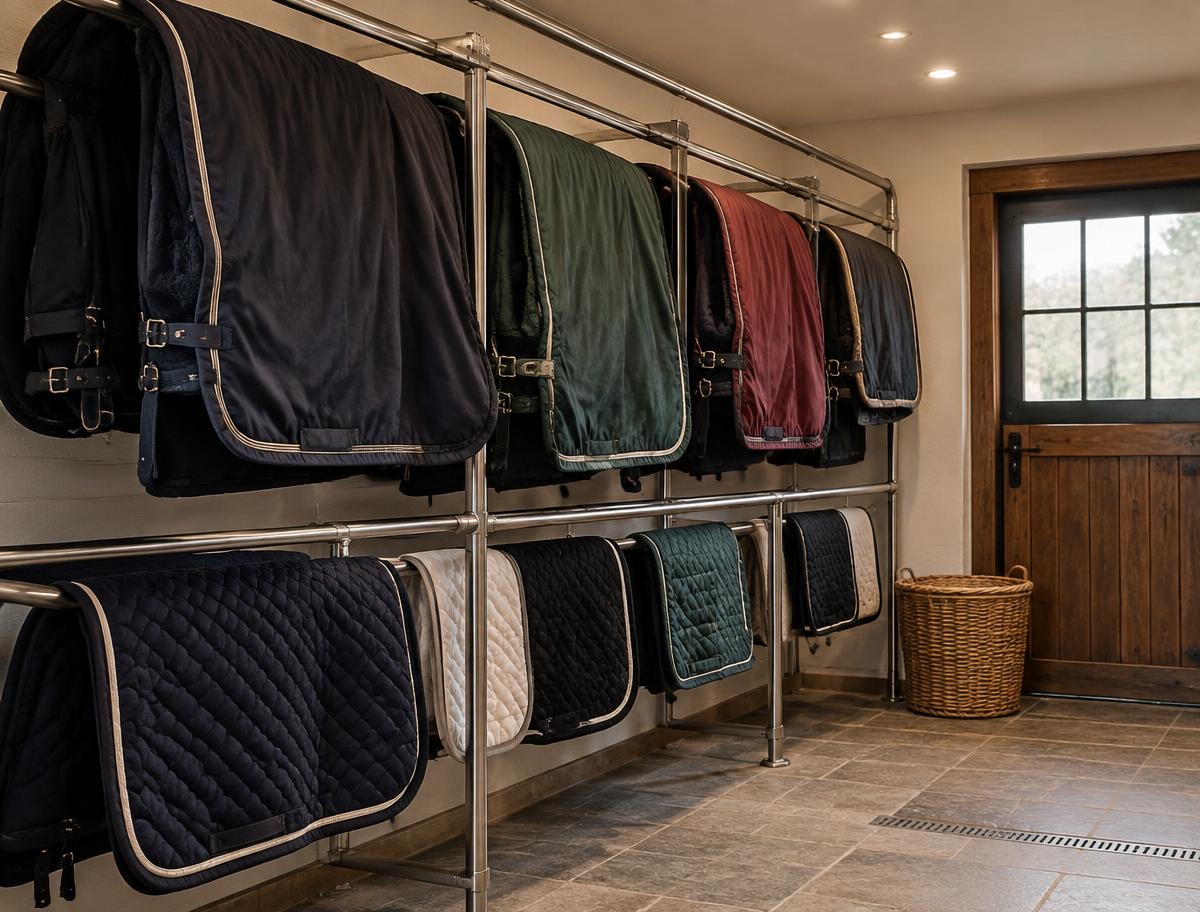 Practical buying guide
Buying advice · Yard equipment
What you will learn: Where equipment saves the most time on a small private yard, in order of usefulness.
Read guidePractical buying guideBuying advice · Planning
What you will learn: The equipment decisions that shape the budget when building or upgrading a private yard.
Read guideHere to help
Specialist equipment can be a significant investment. If you are not sure which option suits your horse or your yard, talk it through with us.
Speak to a specialist
Questions about a product, or unsure what you need? Call us or send a message and a specialist will come back to you.