 Placeholder image
Yard Equipment · Automation
Yard Automation System
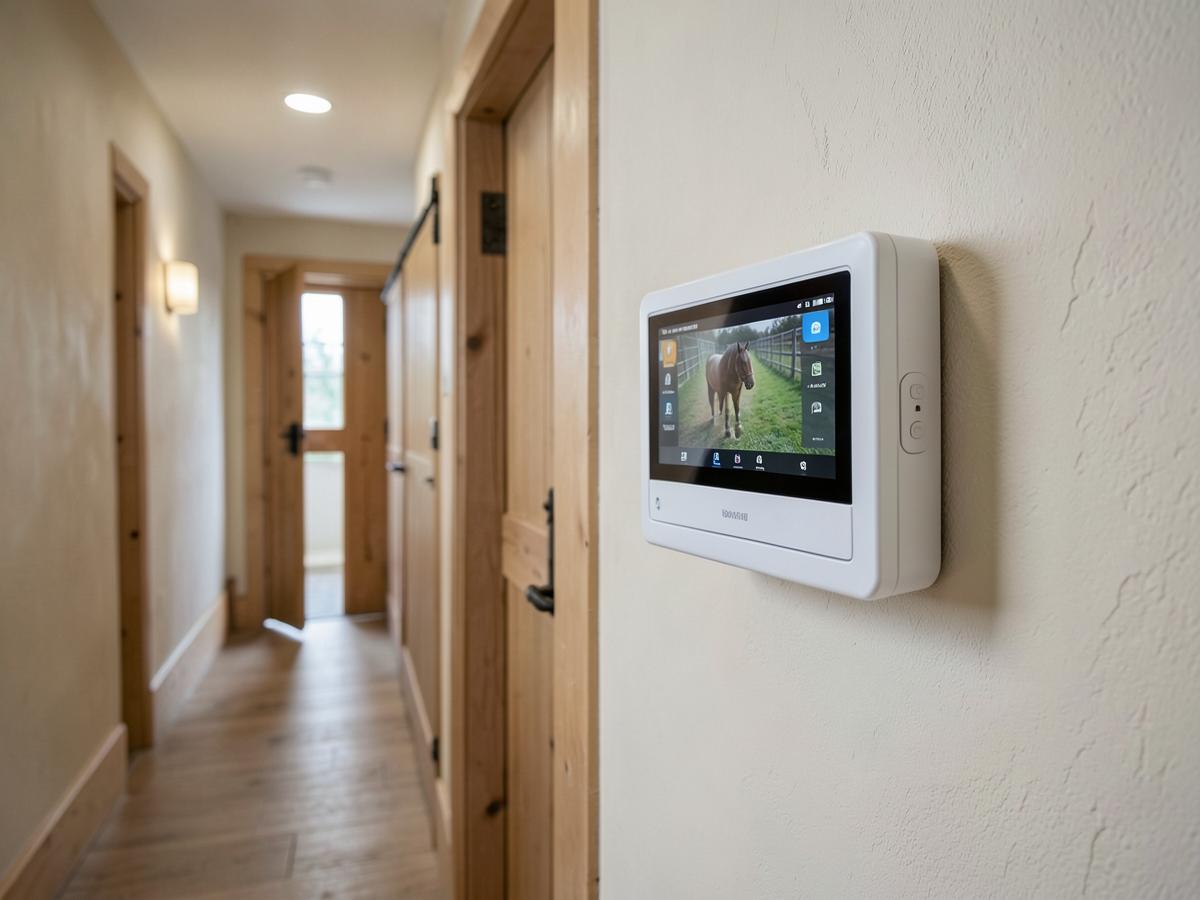
Central control of lighting, water, feeding and monitoring across the yard from one panel or phone.
Price on request
EnquireSpecialist equestrian equipment · Speak to a specialist
Automation
Practical automation for feeding, water, lighting, turnout and security on a working yard.
Automate the jobs done every day at a fixed time. Lighting and water first, feeding second, monitoring third, and choose systems that can be extended a season at a time.
Practical preparation
Gather these details first. They will rule out unsuitable options and make any quotation more useful.
Automation earns its money on the tasks done every day at fixed times: lighting, water, feeding and checking. Anything occasional rarely justifies the spend.
Most yards get the best return from lighting and water first, feeding second, and full monitoring third. Systems that expand let you spread the cost over several seasons.
Ask how the system behaves when the power or internet fails, who supports it, and whether it can be extended by your own electrician.
The strongest candidates are jobs that happen at a set time and in the same way every day. Lighting schedules, water monitoring, selected feeding routines, gate or door controls and stable checks can all reduce repeated work. Automation is less useful where the task depends on judgement, varies greatly between horses or still requires someone to inspect the horse. A good system supports the yard team rather than attempting to replace practical horsemanship.
A whole-yard specification can become complicated quickly. Start by identifying the repeated task that costs the most time or creates the greatest risk when it is missed. On one yard that may be a late feed. On another it may be checking water or turning lights on before staff arrive. Solving one defined problem makes it easier to judge whether the investment has worked and whether the same system is worth extending.
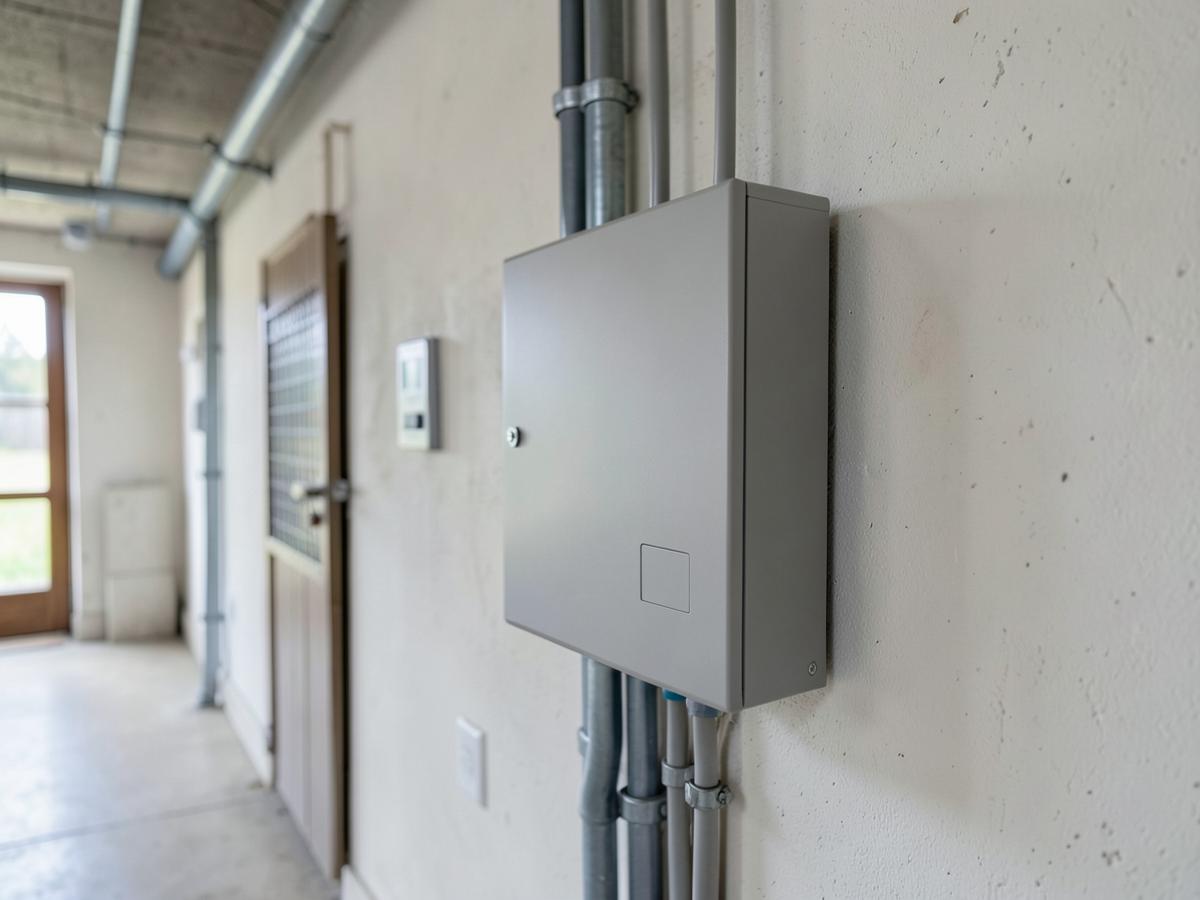
Before comparing control panels or apps, check the power supply and network coverage in every building involved. Ask what continues to work if broadband fails, how schedules are stored during a power cut and whether every automated task has a straightforward manual override. Rural connectivity is often less consistent inside blockwork or steel-clad buildings, so a site check is more valuable than relying on coverage at the yard entrance.
The most common mistake is buying several disconnected systems that cannot be managed together. The second is automating a poor routine rather than improving it first. It is also easy to underestimate cabling, weather protection and access for maintenance. A phased system should have a clear expansion route, documented controls and support that remains available after commissioning.
Almost every automation disappointment traces back to the network rather than the hardware. Stable blocks are unhelpful buildings: thick walls, metal roofs and long distances from the house. Before buying anything connected, check the signal where the equipment will sit, not at the kitchen door, and be prepared to improve the network first. Wired connections are less convenient to install and far more reliable afterwards. Ask what each system does when the connection drops, and whether it keeps working locally. We confirm the connectivity requirements of a specific system on enquiry, and we would rather tell you the network needs work than sell equipment that will frustrate you.
Automation should remove repetition, not control. Every automated function needs an obvious manual override that anyone covering the yard can find and use: feeding by hand, opening a gate, turning lights on, switching a system off. Write the overrides down and keep them where a stranger would look, because the day they matter is the day you are not there. This also makes it easier to introduce equipment gradually. Automate the jobs that are identical every day and leave the judgement calls, such as which horse eats what and who goes out when, with the person on the yard.
In practice the order is usually feeding, then lighting and access, then monitoring. Timed feeding removes the visit that exists only to divide a ration, which is why a multi-stable feeding system is often the first purchase on a larger yard. Lighting and gates come next because they are used every day in the dark. Monitoring is last but valuable, letting you check horses without walking out: a stable monitoring system for the horses and a yard security system for the perimeter. The wider automation range covers how these tie together.
With two or three horses, whole-yard control is rarely worth it, but two things usually are: timed hard feeding, and lighting that comes on where you walk in the dark. Both remove jobs that happen every single day. After that, a camera on the box that matters is often the next useful step, because it saves the late walk out to check a horse. Everything else can wait until either horse numbers or the number of people involved increases. Start with horse care feeding and yard safety rather than a control system.
Automation has to work for helpers, grooms and the person covering while you are away. That means overrides anyone can find, a written routine kept on the yard, and settings that cannot be changed by accident. Decide who can alter feeding portions or gate access, and keep that list short. Where several people share the work, an advanced yard management system can bring the routine into one place, but it only helps if everyone is trained on it. Simpler equipment used consistently beats a capable system nobody understands.
Automation pays back in the order the jobs happen every day, not in the order the equipment looks impressive. First, lighting that works where you walk in the dark, because it costs least and is used most. Second, timed hard feeding, which removes a fixed appointment from the day: start with an automatic stable feeder for one horse or a yard feeding system where portions differ across a block. Third, a camera on the box that matters, which saves the late walk out to check a horse. Fourth, gates and access, which only becomes worthwhile once several people come and go. A whole-yard control layer belongs last, after the individual jobs are already handled, because it coordinates equipment rather than replacing it.
Timed equipment cannot see. It will deliver a feed to a horse that is not eating, run a light in an empty stable and lock a gate that a horse has already got behind. That is why monitoring sits alongside automation rather than after it: a stable monitoring system is what turns a timed routine into something you can actually rely on when you are not there. Nor does automation reduce the need for someone to look at the horse daily. What it does is remove the fixed times that dictate your day and shorten the list of jobs that must happen in a particular order. Keep a written routine on the yard so anyone covering can follow it, and keep manual overrides obvious. The automation category lists what we hold.
The commonest expensive mistake is wiring for today. If there is any chance of another stable, a wash bay, a walker or a field shelter with power, provision for it while the trenches are open and the board is being changed, even if the equipment comes years later. Spare capacity at the board, spare ducting to the far end of the yard and a couple of unused circuits cost very little at the time and a great deal afterwards. The same applies to positions: decide now where a future wash bay and drying area would sit so that drainage and power land in the right place. Send us a rough site sketch, your horse numbers and what you expect to add within five years, and we will tell you what is worth provisioning during the current work.
For anything with remote access or alerts, yes. Check coverage in the buildings before choosing a system.
Usually, though power routing and building fabric affect what is practical. Send us photographs and we will tell you honestly.
Timed feeding and good lighting help even with two or three horses. Whole-yard control systems tend to earn their place where several people share the work or the owner is often away.
It depends on the system. Ask which functions keep running locally and which need a connection, and make sure the manual override is clear either way.
Timed feeding and lighting, since both remove daily repetition. Monitoring next, and whole-yard control only once several people share the work.
Lighting, then timed hard feeding. Both remove jobs that happen every day. Whole-yard control systems are worth considering only once the individual jobs are handled.
Equipment
Specification, pricing and availability are confirmed on enquiry.
Placeholder imageYard Equipment · Automation
Central control of lighting, water, feeding and monitoring across the yard from one panel or phone.
Price on request
Enquire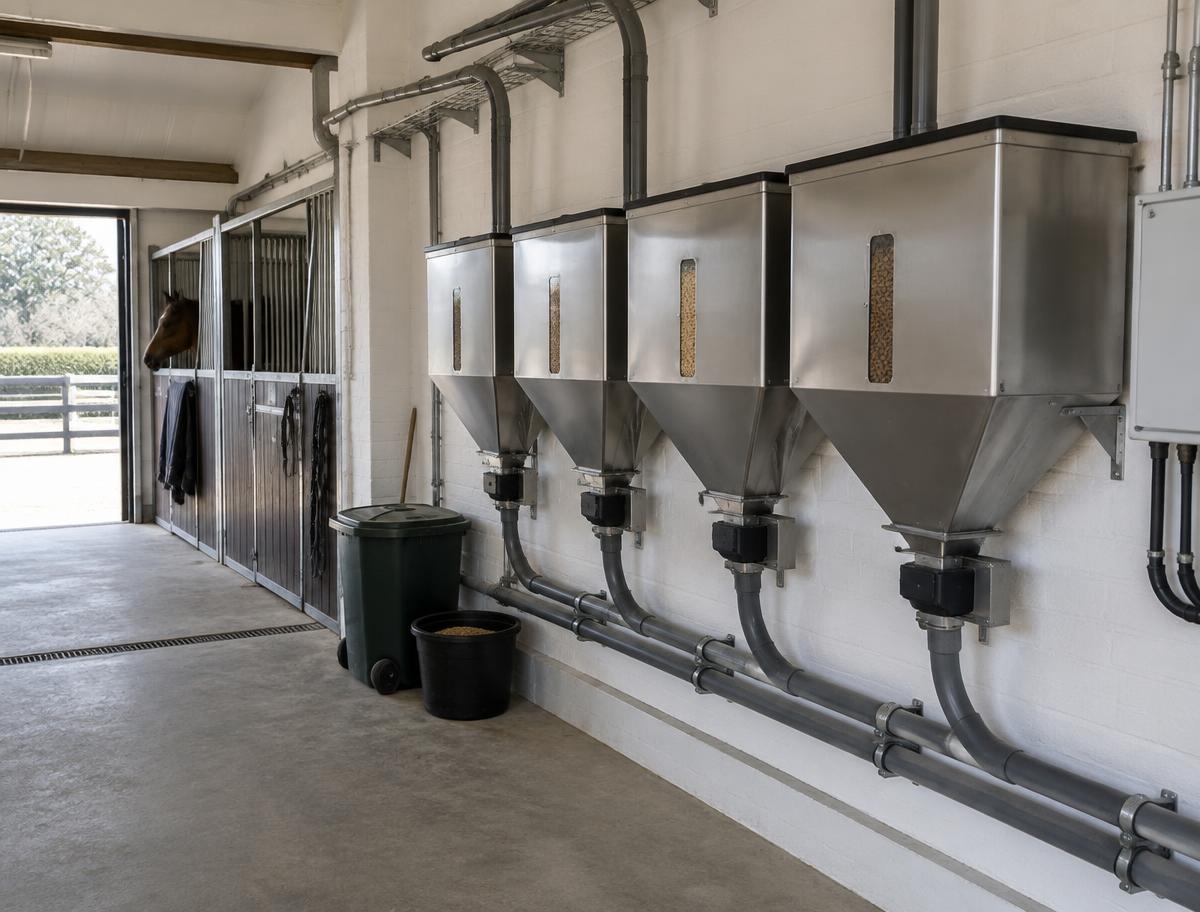 Placeholder image
Yard Equipment · Feeding Systems
Centrally controlled feeding across multiple stables, with individual rations per horse.
Price on request
Enquire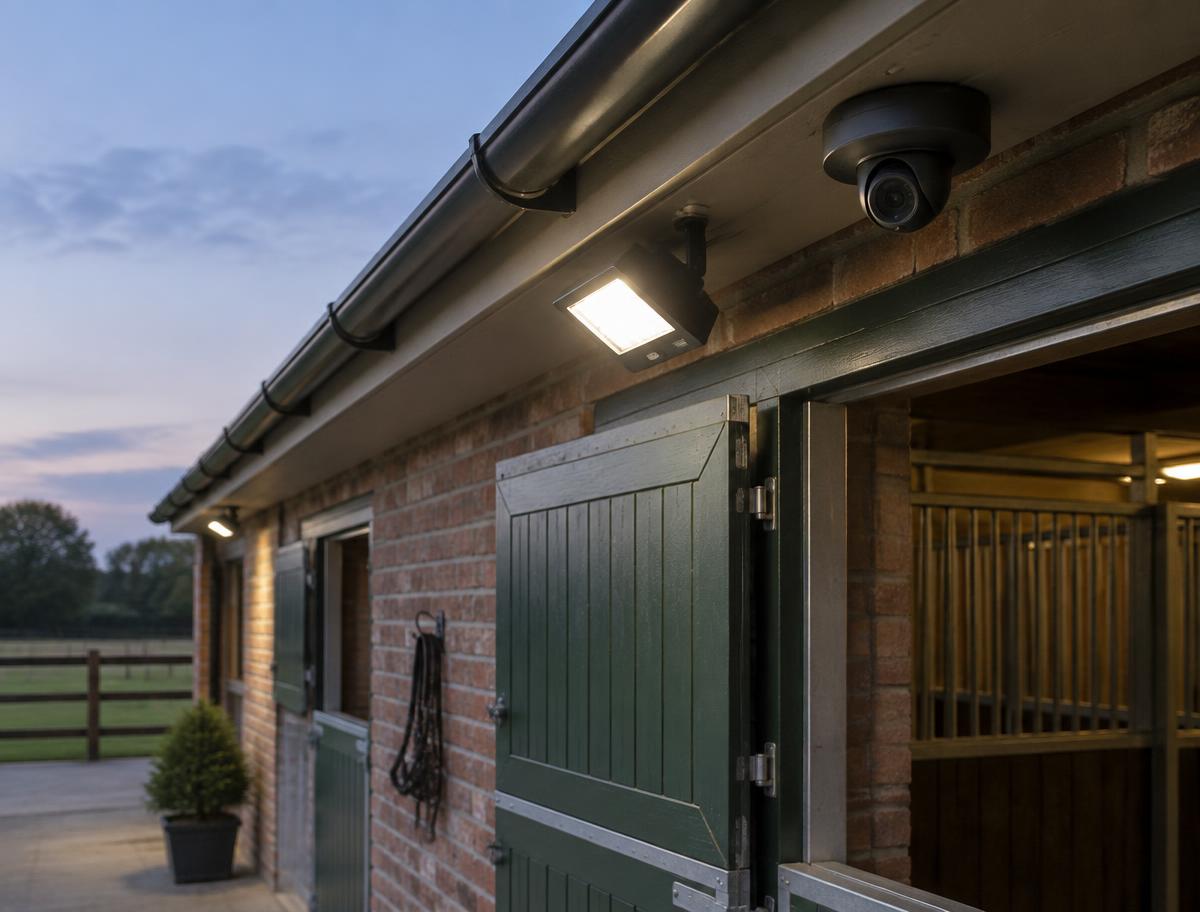 Placeholder image
Yard Equipment · Security
Cameras, lighting and alerting covering stables, gates, tack rooms and parking.
Price on request
Enquire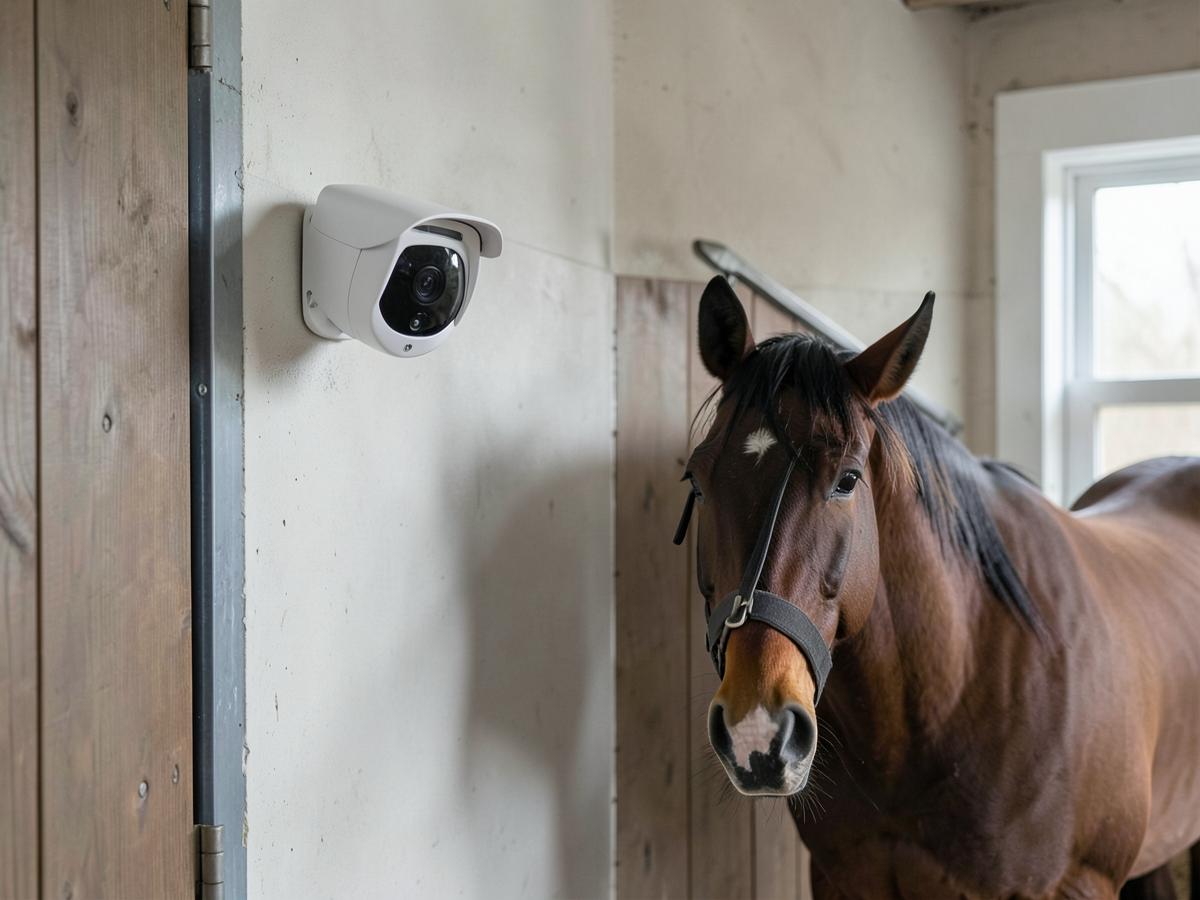 Placeholder image
Horse Care · Monitoring
Camera-based stable monitoring you can view from your phone, with night vision and movement alerts.
Price on request
EnquireThe Yard & Mane Edit
 Practical buying guide
Buying advice · Yard equipment
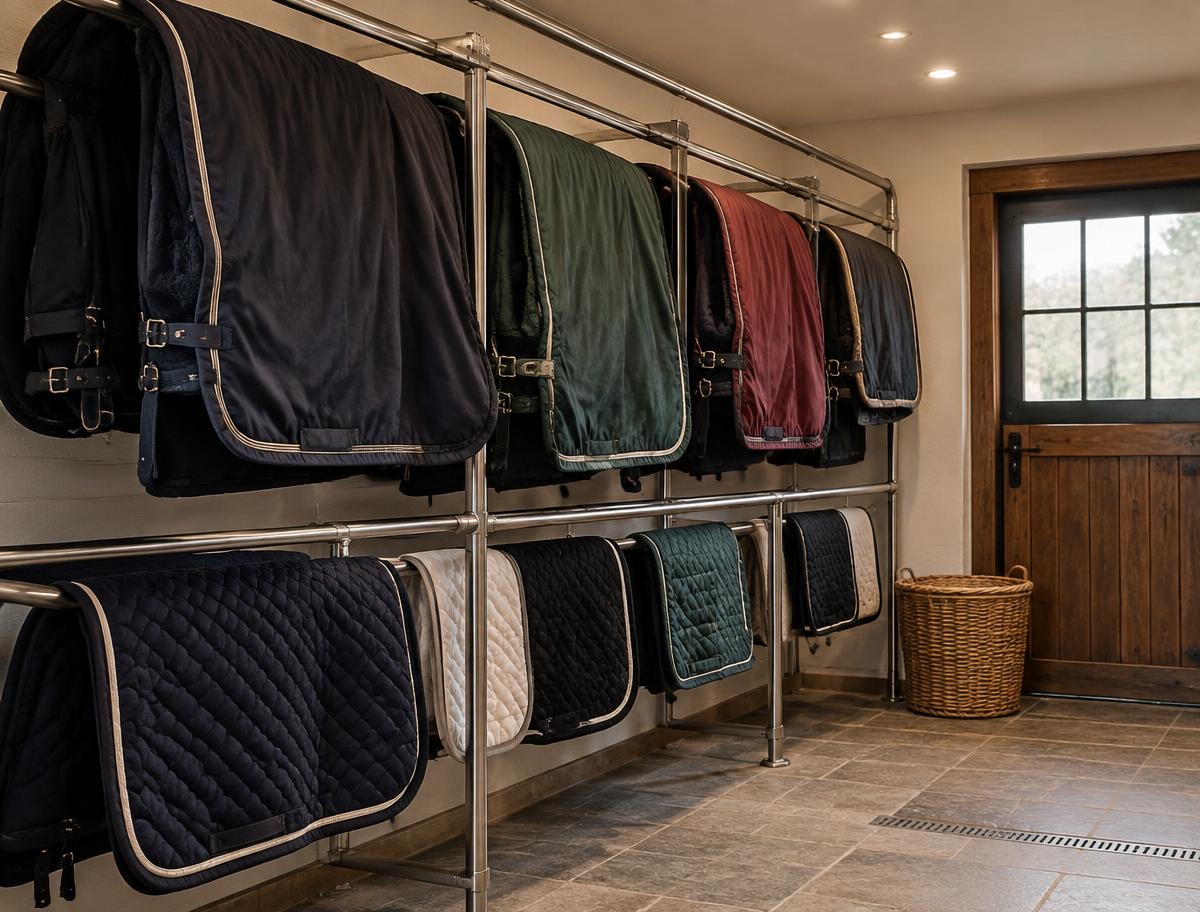
What you will learn: Where equipment saves the most time on a small private yard, in order of usefulness.
Read guide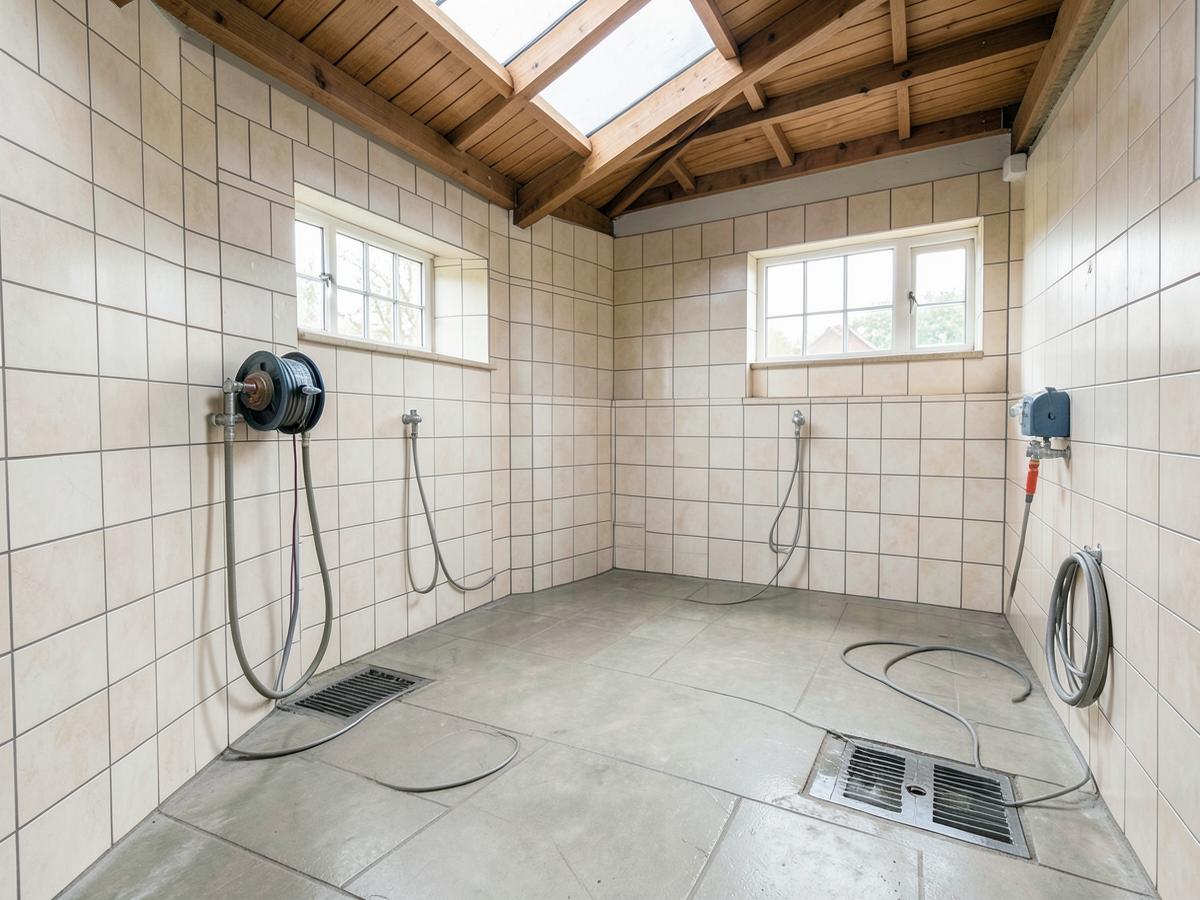 Practical buying guide
Buying advice · Planning
What you will learn: The equipment decisions that shape the budget when building or upgrading a private yard.
Read guide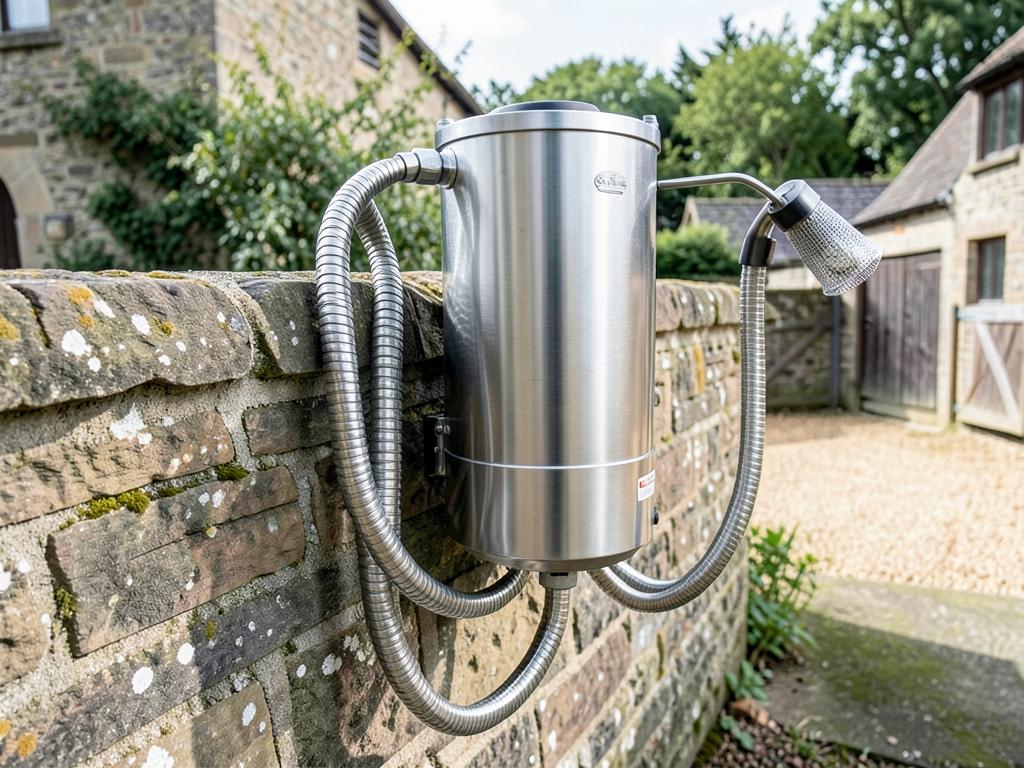 Practical buying guide
Buying advice · Washing
What you will learn: Warm water washing without building a wash bay, and how portable units compare with a fitted installation.
Read guideHere to help
Specialist equipment can be a significant investment. If you are not sure which option suits your horse or your yard, talk it through with us.
Speak to a specialist
Questions about a product, or unsure what you need? Call us or send a message and a specialist will come back to you.