 Placeholder image
Yard Equipment · Wash & Drying
Wash Bay System
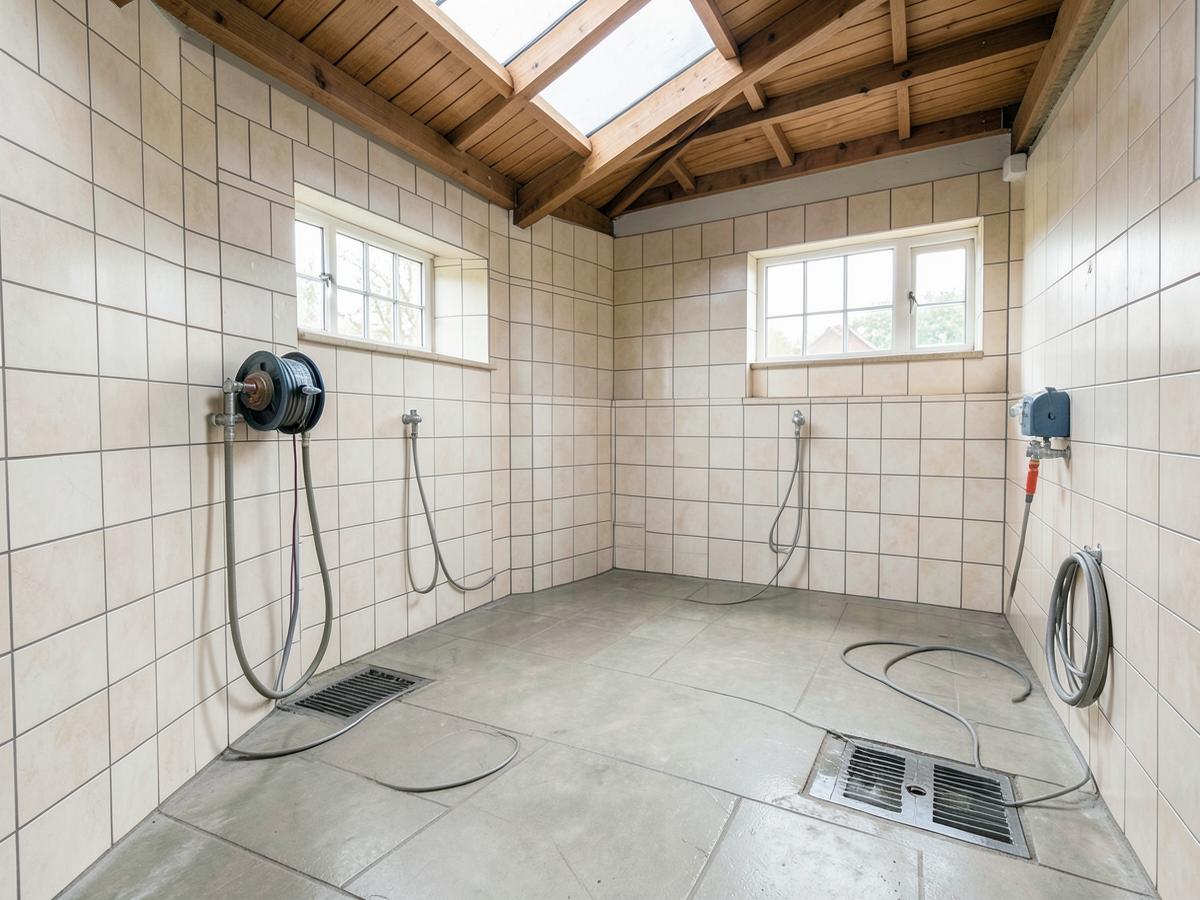
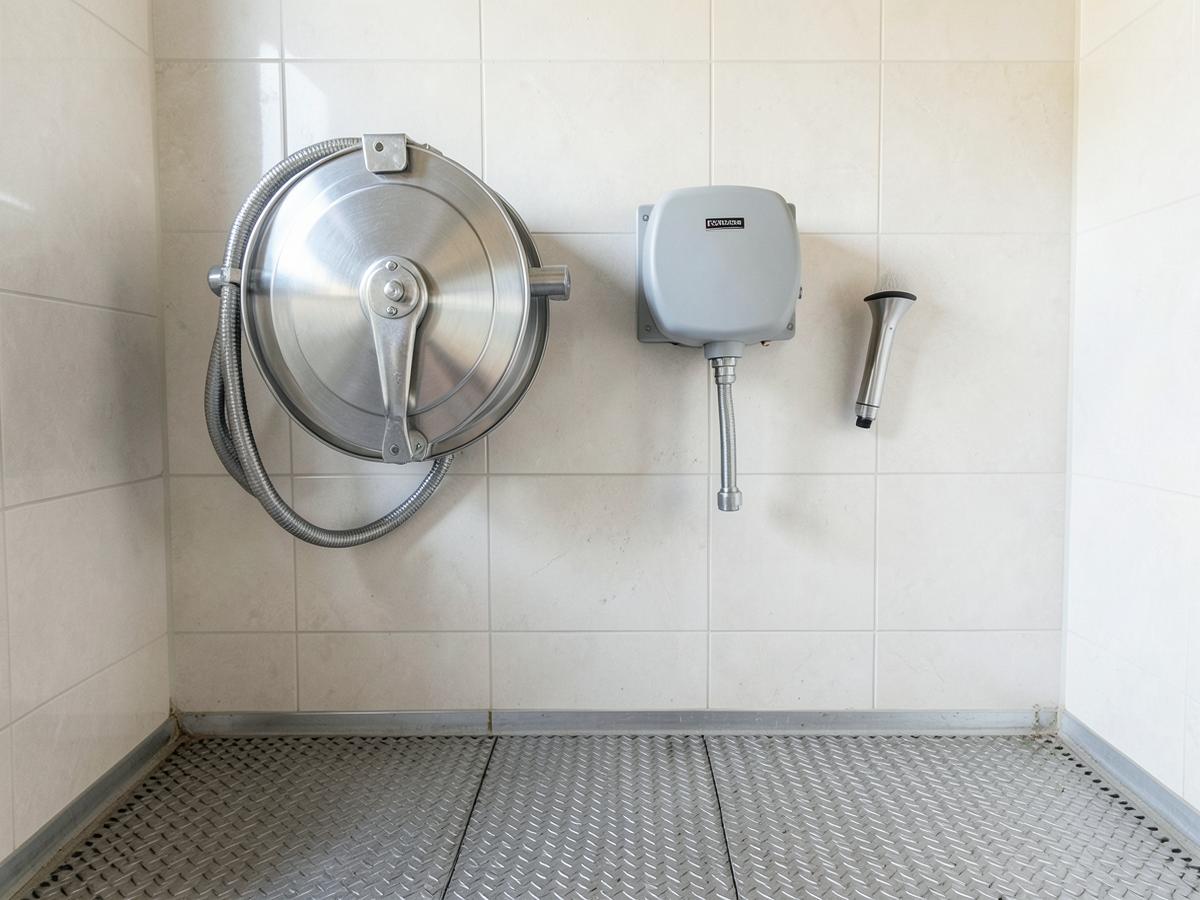
Wash bay fit-out with hot and cold water, drainage and safe non-slip surfacing.
Price on request
EnquireSpecialist equestrian equipment · Speak to a specialist
Planning
The equipment decisions that shape the budget when building or upgrading a private yard.
Water, drainage and power specified generously at build stage decide what you can install later, and cost far less than retrofitting. Wash and drying areas, feeding systems and exercise equipment take most of the equipment budget.
Practical preparation
Gather these details first. They will rule out unsuitable options and make any quotation more useful.
Water, drainage and power decide what equipment you can install later. Getting these specified generously at build stage is cheaper than retrofitting.
Wash and drying areas, feeding systems and exercise equipment account for most of the equipment budget on a private yard.
Most owners phase equipment over a few seasons. Choosing expandable systems keeps that option open.
Start with horse numbers, daily routines and the standard of use rather than a list of equipment. A private yard for two horses has different circulation, storage and staffing needs from a yard that may expand or employ help. The brief should include how horses arrive, where they are washed, how rugs and feed move through the buildings and which tasks need to continue during poor weather or a power cut.
Power capacity, water pressure, drainage, ventilation and data cabling are easier to provide while work is open. A wash bay may later need hot water and drying equipment. Feed automation and monitoring need protected power and sensible cable routes. Exercise or rehabilitation equipment may require dedicated foundations or drainage. Allowing for these possibilities does not commit you to buying everything at once, but it avoids opening finished buildings later.
Installed systems rarely consist only of the headline product. Groundworks, electrical work, plumbing, access, commissioning and training can all affect the final figure. Because supplier specifications and site conditions differ, a reliable budget comes from a site-specific quotation rather than a generic online estimate. Ask for the installed scope in writing and make clear which enabling works remain with your builder.
Prioritise the infrastructure and the equipment used every day. Storage, wash and drying areas and reliable monitoring often improve the yard immediately. Feeding or automation can follow once the daily routine is settled. Larger exercise and recovery installations should be added only where the horse numbers, workload and available support justify them. A phased plan keeps later options open without over-specifying the first build.
On most projects the equipment is a minority of the spend. Groundworks, drainage, concrete, water, electrical work, lighting and access usually dominate, and they are also the parts that are expensive to revisit. That is why we ask about the building before discussing products: a wash bay system or fitted drying is cheap compared with cutting drainage into a finished floor. Decide the fixed positions and provision early, then choose equipment. Anyone quoting a total for a yard without seeing the site is guessing, which is why we price after a site check rather than before.
Phasing works well provided the first phase includes the provision for the later ones: conduit, water, drainage falls and a distribution board with capacity. Fitting a solarium, a dryer or automation into a building already prepared for it is a straightforward job; retrofitting is not. A common sequence is stables and storage, then wash and drying, then automation and monitoring, then larger exercise equipment. Write the intended end state down even if it is years away, so each phase serves it. Send us that plan and we will tell you what to install now and what can safely wait.
Budget for what the yard costs to run, not only to build. Electricity for drying, lighting and automation, water for washing, surface top-ups, servicing of installed equipment, and the maintenance of gates, drains and hard standing all recur. Good drainage and sensible lighting reduce labour every winter, which is a saving that rarely appears in a quotation. We do not publish figures for running costs, because they depend on your horse numbers, tariff and use. What we will do is set out which items carry ongoing servicing so nothing arrives as a surprise after installation.
The items that change daily life most are rarely the largest. Rug and horse drying, timed feeding, storage that keeps feed and rugs usable, and lighting on the routes you walk all reduce the time and effort of every winter day. Larger installed equipment such as exercise or therapy facilities is bought for what it lets you do rather than for labour saved. Deciding which of those two you are buying keeps a budget honest. Look at rug drying, feed and rug storage and yard automation with that distinction in mind.
Most yards are built by a contractor who is not an equestrian specialist, so the equipment requirements need to reach them early: drainage falls in a wash bay, fixing points above a horse, conduit routes, distribution board capacity, and access for delivery. We are happy to provide those requirements in writing for your builder and to look at drawings before concrete is poured. Getting this right is where the savings are: a bay prepared correctly takes equipment in a day, while one that is not may need cutting and making good.
Equipment is rarely the largest line. Groundworks, drainage, concrete, a suitable water supply, electrical distribution and the building work to house anything fitted usually account for more, and they are the parts that cannot be added cheaply later. Delivery access matters too: a yard that a lorry cannot reach changes the installation cost of everything. Then there is commissioning, who does it, and what happens afterwards, which is the part owners think about last and value most in year three. We do not publish figures for any of this, because the same wash bay system fitted into a prepared bay and into a bare block are two different projects. What we can do is tell you which questions to put to your builder before you commit to equipment.
Almost nobody builds everything at once, and phasing works well provided the first phase provisions for the later ones. While the ground is open and the board is being changed, put in spare ducting, spare capacity and drainage to where a wash bay, a drying area and a walker would go, even if none of them are being bought yet. Decide the positions now: drainage in the wrong place is the one mistake that cannot be fixed with a longer cable. Then buy in the order the jobs happen, starting with drying and feeding rather than the largest item. Our yard automation guide covers the sequencing of the fitted equipment in more detail.
For every significant item, get five things in writing: the total installed cost including electrical and groundworks, who is responsible for commissioning, what the lead time is, who services it and how quickly the parts most likely to wear can be supplied. A quotation that covers the equipment alone is not a project cost. It is also worth asking what happens if the building turns out to need additional support, because that is discovered on site more often than owners expect. Send us a site plan, photographs, your horse numbers and what you want the yard to do in five years, and we will tell you which items are worth quoting now and which are better left until the groundworks are finished.
Looking back, owners rarely regret spending on the things they touch daily or the things buried in the ground. Drainage done properly, spare electrical capacity, a floor that is safe when wet, decent lighting and fittings that hold up under a horse are the items nobody wishes they had economised on. The regrets are usually the largest single items bought before the yard was ready for them, and the cheap versions of daily equipment that were replaced within two winters. Get the ground, the power and the stable equipment right, and the specialist equipment can be added at whatever pace suits you.
No. Most owners phase over several seasons; expandable systems keep that option open.
Yes. Early conversations about services and space usually save money.
We quote the equipment and its installation once we understand the site, and we are happy to work alongside your builder or groundworker. Pricing and availability are confirmed on enquiry.
The provision: drainage, water and electrical capacity in the right places. Equipment fitted into a prepared building costs far less than equipment retrofitted afterwards.
Usually groundworks, drainage, concrete and services rather than the equipment itself. Those are also the parts that are expensive to revisit later.
Because the same equipment fitted into a prepared bay and into a bare block are two different projects. Groundworks, electrical work and access change the total, so we quote against a specific site.
Drainage, electrical capacity, safe flooring, lighting and fittings that hold up under a horse. Large specialist items are easier to add later than groundworks are.
Equipment
Specification, pricing and availability are confirmed on enquiry.
Placeholder imageYard Equipment · Wash & Drying
Wash bay fit-out with hot and cold water, drainage and safe non-slip surfacing.
Price on request
Enquire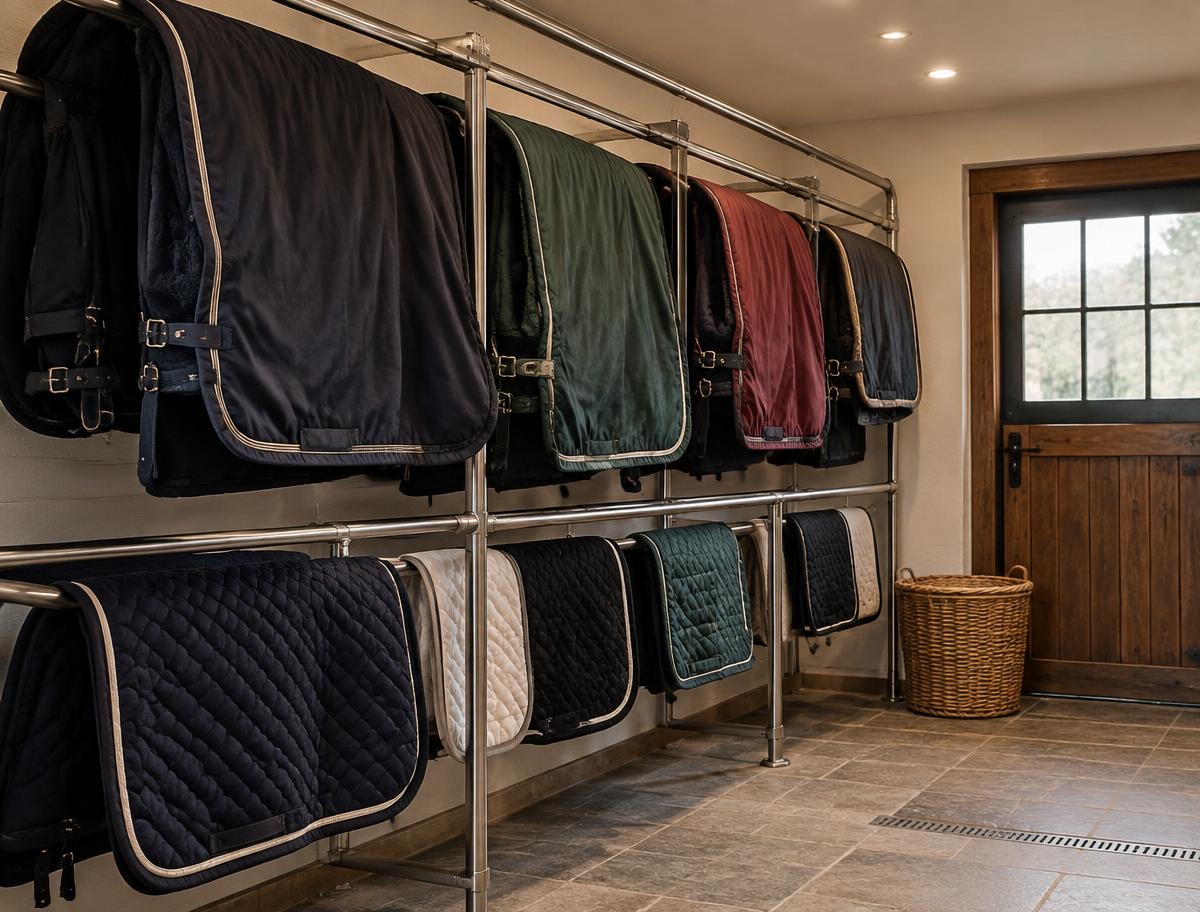 Placeholder image
Horse Care · Drying
Heated drying rails and airflow for rugs, saddle pads and boots through a wet winter.
Price on request
Enquire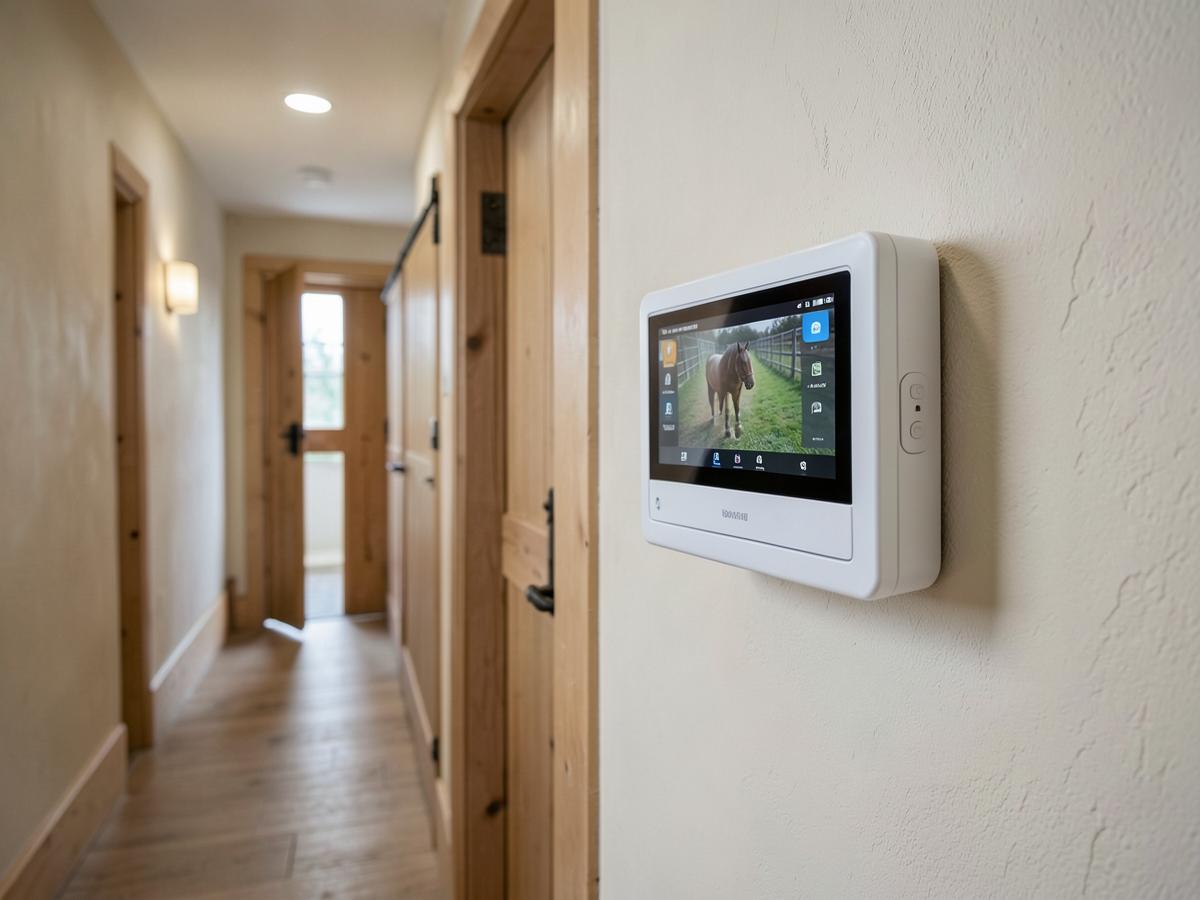 Placeholder image
Yard Equipment · Automation
Central control of lighting, water, feeding and monitoring across the yard from one panel or phone.
Price on request
Enquire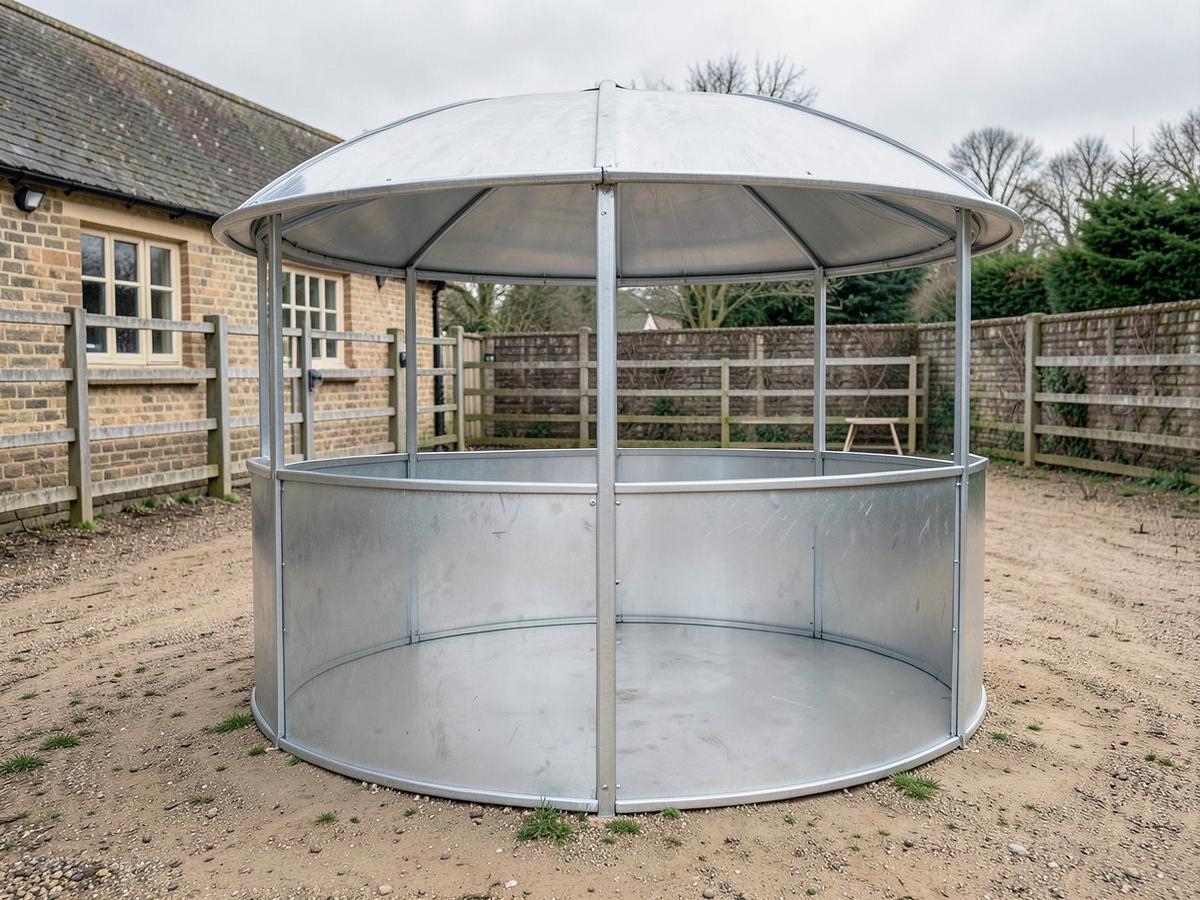 Placeholder image
Performance · Exercise
Covered horse walker for controlled daily exercise, warm-up and cool-down without a rider.
Price on request
Enquire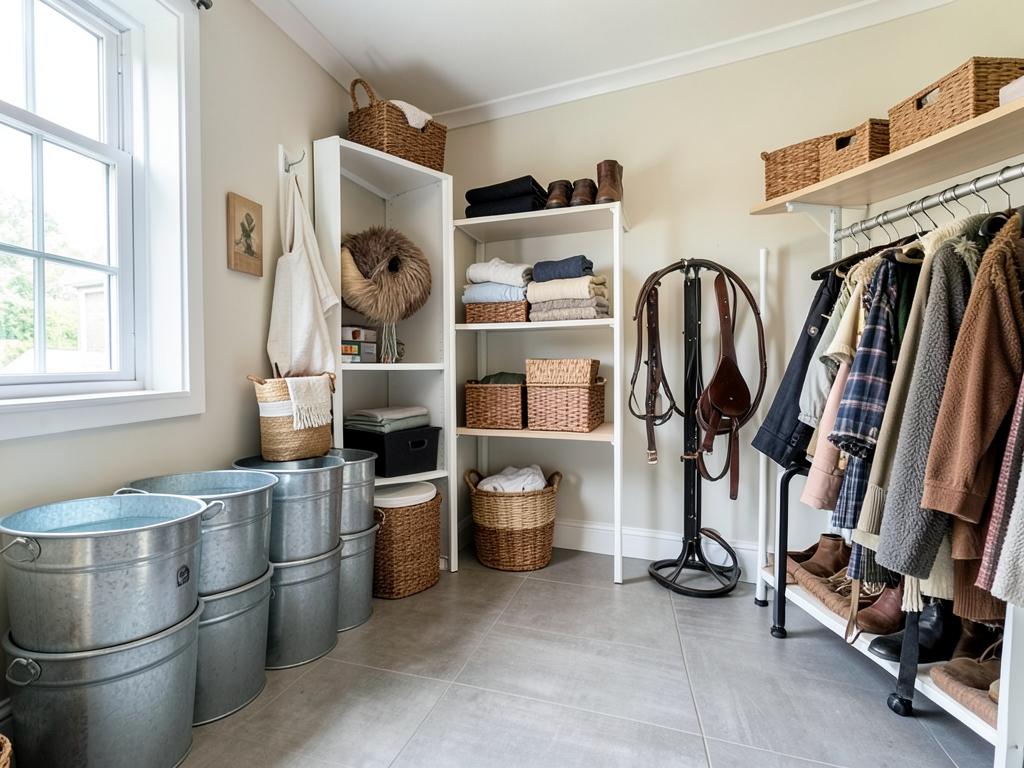 Placeholder image
Yard Equipment · Yard Storage
Feed bins, rug racks and shelving specified together so a tack room stays dry, organised and easy to work in.
Price on request
EnquireThe Yard & Mane Edit
Practical buying guideBuying advice · Automation
What you will learn: Practical automation for feeding, water, lighting, turnout and security on a working yard.
Read guidePractical buying guideBuying advice · Yard equipment
What you will learn: Where equipment saves the most time on a small private yard, in order of usefulness.
Read guide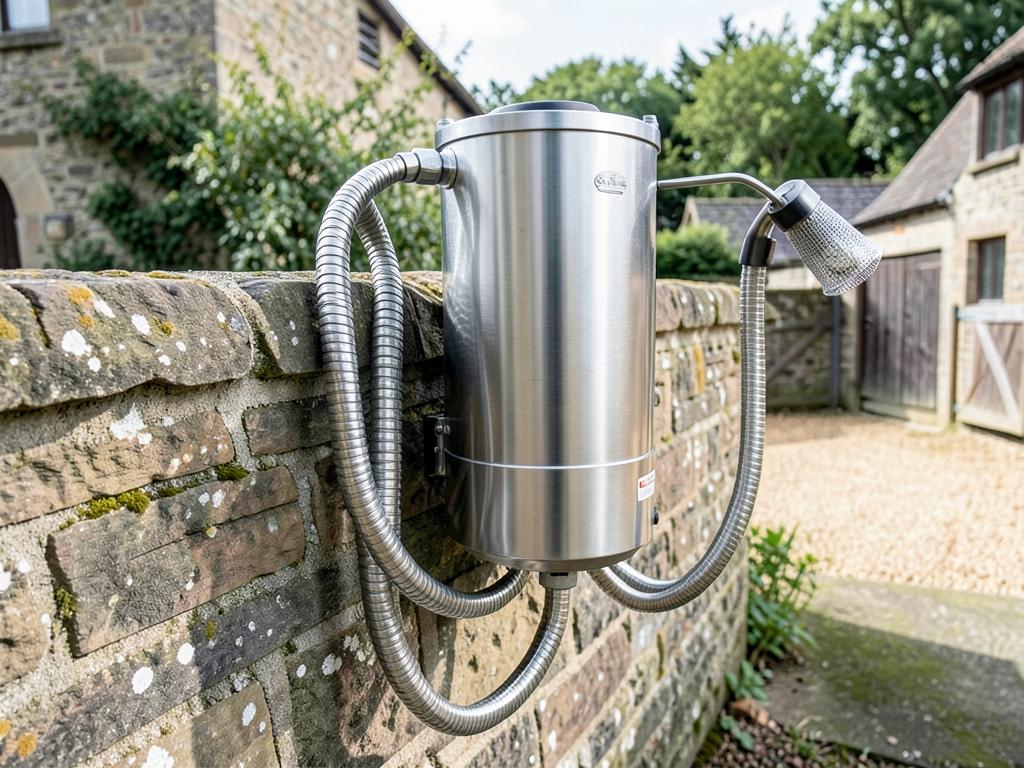 Practical buying guide
Buying advice · Washing
What you will learn: Warm water washing without building a wash bay, and how portable units compare with a fitted installation.
Read guideHere to help
Specialist equipment can be a significant investment. If you are not sure which option suits your horse or your yard, talk it through with us.
Speak to a specialist
Questions about a product, or unsure what you need? Call us or send a message and a specialist will come back to you.