 Placeholder image
Yard Equipment · Stable Fittings
Stable Fittings & Mangers
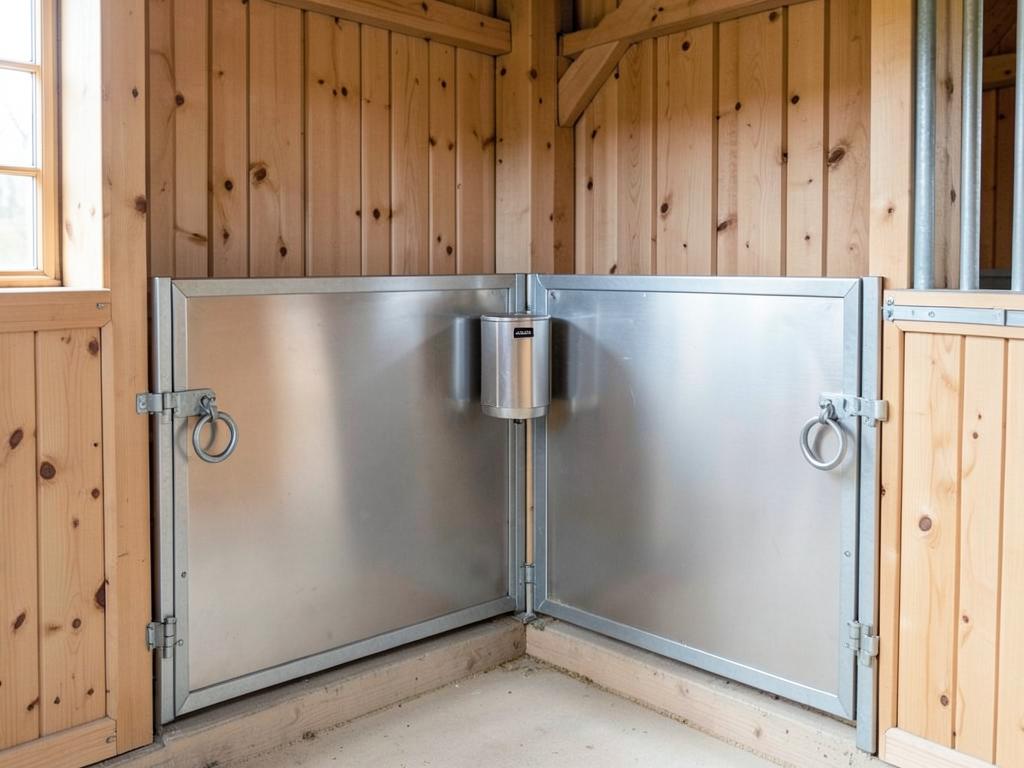
Stainless mangers, automatic drinkers, tie rings and stable hardware specified to fit out or refit a stable properly.
Price on request
EnquireSpecialist equestrian equipment · Speak to a specialist
Stable equipment
Mangers, drinkers, fittings and storage, and the order most owners should buy them in.
Fit out a stable in the order you use it: safe tie points and feeding first with stable fittings and mangers, then storage that keeps feed and rugs dry with feed and rug storage, then the things that make daily handling easier such as a galvanised mounting block. Everything here sits in stable equipment.
Practical preparation
Gather these details first. They will rule out unsuitable options and make any quotation more useful.
Stable equipment is judged on daily use rather than looks. How quickly can a manger be cleaned, does a drinker save you carrying water, and can one person do the routine on a wet January morning?
Water first, because it saves the most labour. Then feeding fittings, then storage that keeps feed and rugs dry, then the extras like mounting blocks and tidy hardware.
Stainless and galvanised fittings cost more at the outset and outlast painted steel in a damp stable. On anything a horse can reach, the fixing matters as much as the fitting.
Dimensions, capacities and prices are confirmed with the manufacturer before you order. Tell us the stable and the horse and we will only show you fittings that suit both.
Before choosing fittings, sketch the box and mark where you lead the horse in, where it eats, where it drinks, where you tie it and where you stand to rug it. Fittings placed for the photograph rather than the routine are the ones that get caught, knocked or moved a year later. Keep the doorway clear, keep feed and water apart from each other so bedding does not end up in both, and leave yourself room to work at the horse's shoulder. If several boxes are being fitted out, standardise, because staff and helpers should not have to think about which stable is which in the dark.
Mangers, buckets and hay arrangements decide how clean and calm feeding is. A fixed manger at a sensible height suits horses that scatter feed, while removable buckets are easier to clean and to take with a horse to a competition. Forage fed at natural height, in a position where dropped hay can be swept rather than trodden into bedding, wastes less. Water needs to be reachable, cleanable and, where automatic drinkers are used, checked daily and protected against frost. Look at how each fitting is fixed and what it presents to a horse that leans or paws. Materials and fixings for a particular item are confirmed on enquiry.
Every hook is a potential catch point, so fewer and better placed is the rule. Tie points want to be at a height that lets the horse stand naturally, arranged so it can be released quickly and safely if it panics. Rug racks and hooks belong outside the box or where a horse cannot reach them from either side of the door, and anything protruding should be replaced rather than padded. Check bolt heads, brackets and edges with your hand: if it catches a headcollar, it will catch a rug. On the yard side, hooks placed where a barrow passes are the ones that get bent first.
Storage is what stops a tidy yard becoming a wet one. Feed needs to be dry, sealed against vermin and off the floor, in quantities you use rather than as much as will fit. Rugs need air and a place to hang, because a rug folded away damp is the rug you cannot use tomorrow. Tack, boots and bandages want to be off the ground and easy to grab. Plan storage next to the routine it serves rather than in whichever building is spare. If rugs are consistently coming in wet, rug drying is worth reading about alongside storage, since it solves the underlying problem.
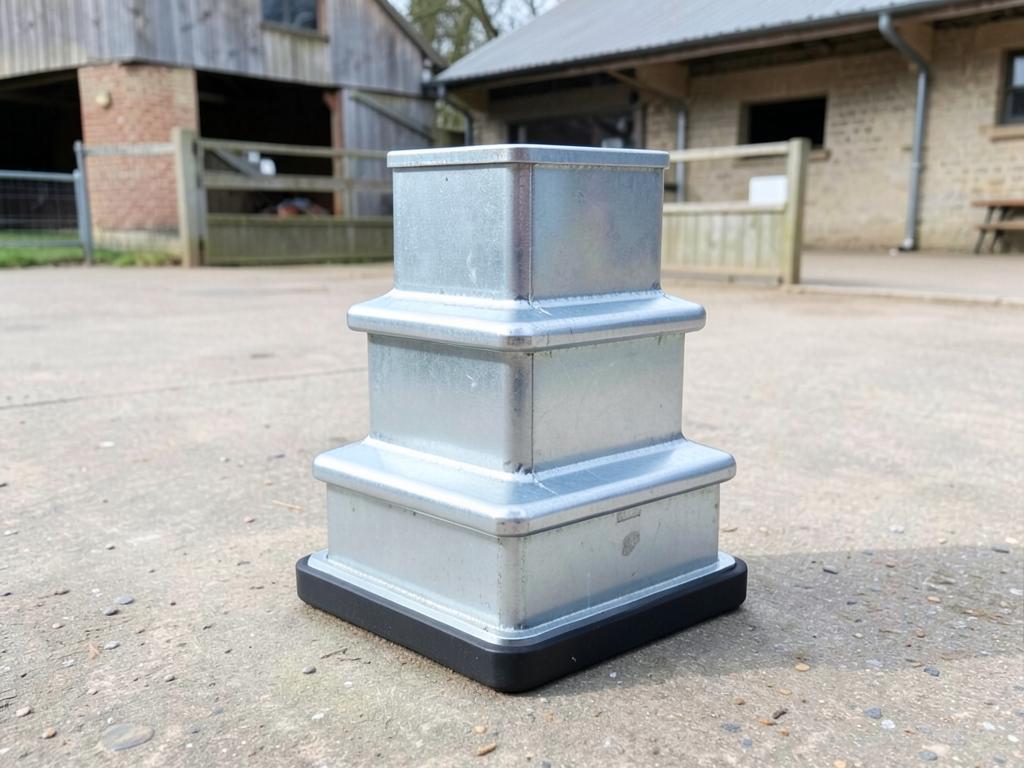
The equipment that gets used most is often the least considered: a solid, stable mounting block that does not move as you step onto it, a place to stand a horse for the farrier, a barrow route that is not blocked. A mounting block should sit level on hard standing, be high enough for the horses and riders you have, and be heavy enough to stay put. Galvanised steel handles a British winter and can be scrubbed, unlike timber left in the wet. Think about where it is stored when not in use, so it is not the thing horses walk into in the dark.
Stable equipment lives in an environment of moisture, ammonia and impact, so material choice shows within a season or two. Galvanised steel and heavy-duty plastic both wear well when they are cleaned rather than left caked, and both suit fittings that get kicked and scraped. Timber looks right in many yards but needs maintaining and does not enjoy standing wet. Whatever the material, the decisive detail is usually the fixing: a good manger on poor fixings fails first. Choose items you can strip, hose and put back, particularly anything that touches feed. We confirm materials, finishes and fixings for a specific item on enquiry.
Few yards fit everything at once, and phasing works as long as you agree the layout first. Get the fixed positions right at the start, so feeding, water, tie points and lighting are not moved later. Buy the items you handle daily before the ones that only improve appearance. Where power or plumbing will be needed for later equipment, such as a wash bay or drying, run the provision while the walls are open rather than afterwards. If you send us a plan of the boxes and a description of your routine, we will suggest what to fit now and what is better left for the next stage.
A stable is made usable by a short list of fittings, and each one is touched dozens of times a week. Door catches that work with cold wet hands and cannot be undone by a horse. A tie ring fixed into something solid, at a sensible height, with a breakable link on the string. A manger positioned so a horse cannot knock it and you can lift it out to clean. Rug rails and hooks placed where a wet rug will actually go, rather than where there happened to be a spare wall. Lighting positioned to work on a December morning. Our stable fittings cover the fixed items, and the stable equipment range covers the rest.
Most fittings that fail were fixed into something that could not hold them. Older blocks have soft blockwork, rotten timber and previous fixings in the wrong places, so check what is behind the surface before ordering, and fix into something solid or add support. Height and position matter as much as the item: a tie ring too high or a manger where a horse turns will cause problems no specification can fix. Anything a horse can lean on should be fixed as though it will. A mounting block needs level ground rather than a wall, but the same principle applies. Send photographs of the stable and we will tell you what will fit and what needs preparing first.
Split the list in two. Items touched every day, and items a horse leans on, should be bought once and bought properly: catches, tie rings, mangers, rug rails, a mounting block. Items used occasionally can be adequate, and the difference is better spent on the daily half. The same logic applies beyond fittings: storage that keeps bedding and equipment out of the weather pays for itself, while the fourth grooming gadget does not. If you are equipping a small yard from scratch, our best yard equipment for one to three horses guide sets out a sensible order, and we are happy to work through a stable list with you before you buy any of it.
Safe tie points, feeding and watering arrangements and adequate lighting. Storage and handling equipment follow once the box works for the horse and the person leading it.
Galvanised steel handles wet, ammonia and impact well and can be scrubbed, which is why it is common in stables. Timber suits some yards but needs more maintenance. We confirm the materials used on a specific item on enquiry.
It depends on the horses using the box. The aim is a natural head position for eating and a tie point that lets the horse stand comfortably and be released quickly if it panics.
Yes, provided the fixed positions and any power or water provision are planned at the start. Retrofitting services into finished walls and floors is the expensive part.
Anything touched every day or leaned on by a horse: door catches, tie rings, mangers, rug rails and a mounting block. Occasional items can be adequate.
Equipment
Specification, pricing and availability are confirmed on enquiry.
Placeholder imageYard Equipment · Stable Fittings
Stainless mangers, automatic drinkers, tie rings and stable hardware specified to fit out or refit a stable properly.
Price on request
EnquirePlaceholder imageYard Equipment · Mounting Blocks
Three step galvanised mounting block with non-slip treads, heavy enough to stand steady on a yard surface.
Price on request
Enquire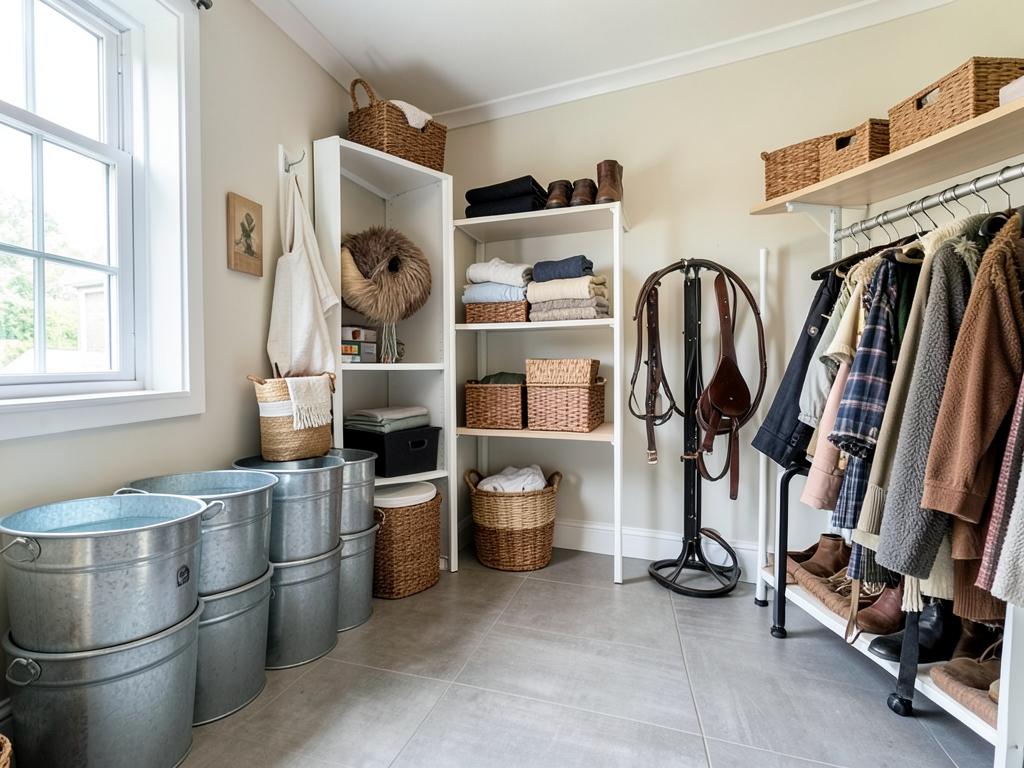 Placeholder image
Yard Equipment · Yard Storage
Feed bins, rug racks and shelving specified together so a tack room stays dry, organised and easy to work in.
Price on request
Enquire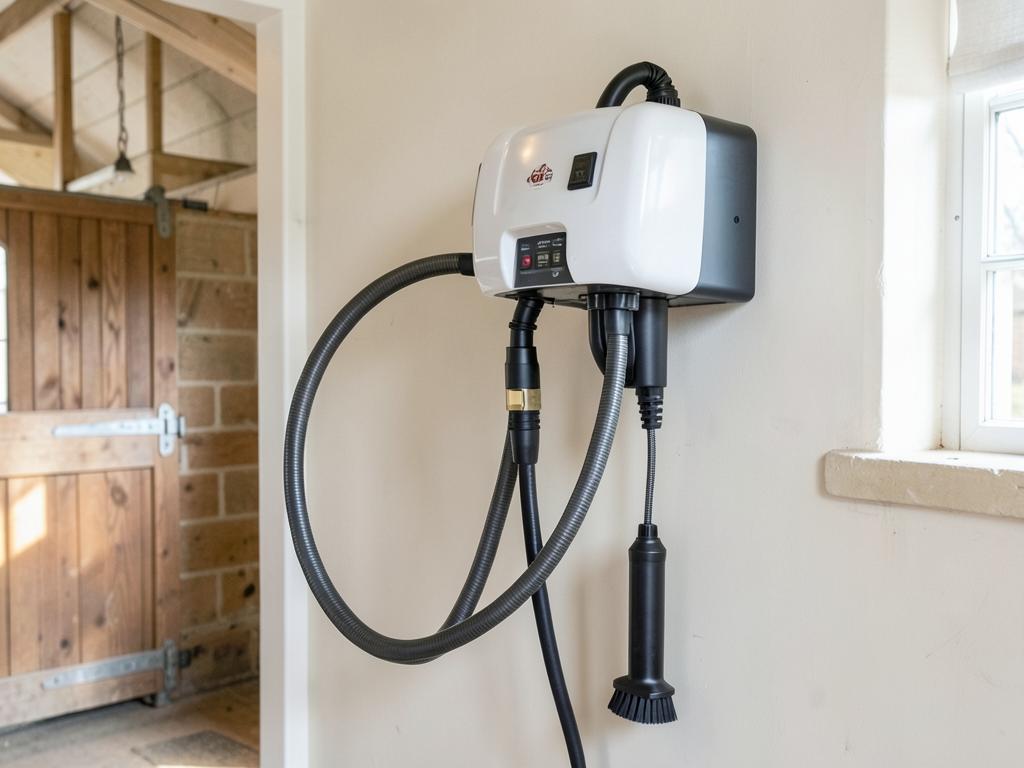 Placeholder image
Horse Care · Grooming Systems
Wall mounted grooming vacuum that lifts dust, scurf and loose coat out rather than moving it around the stable.
Price on request
EnquireThe Yard & Mane Edit
 Practical buying guide
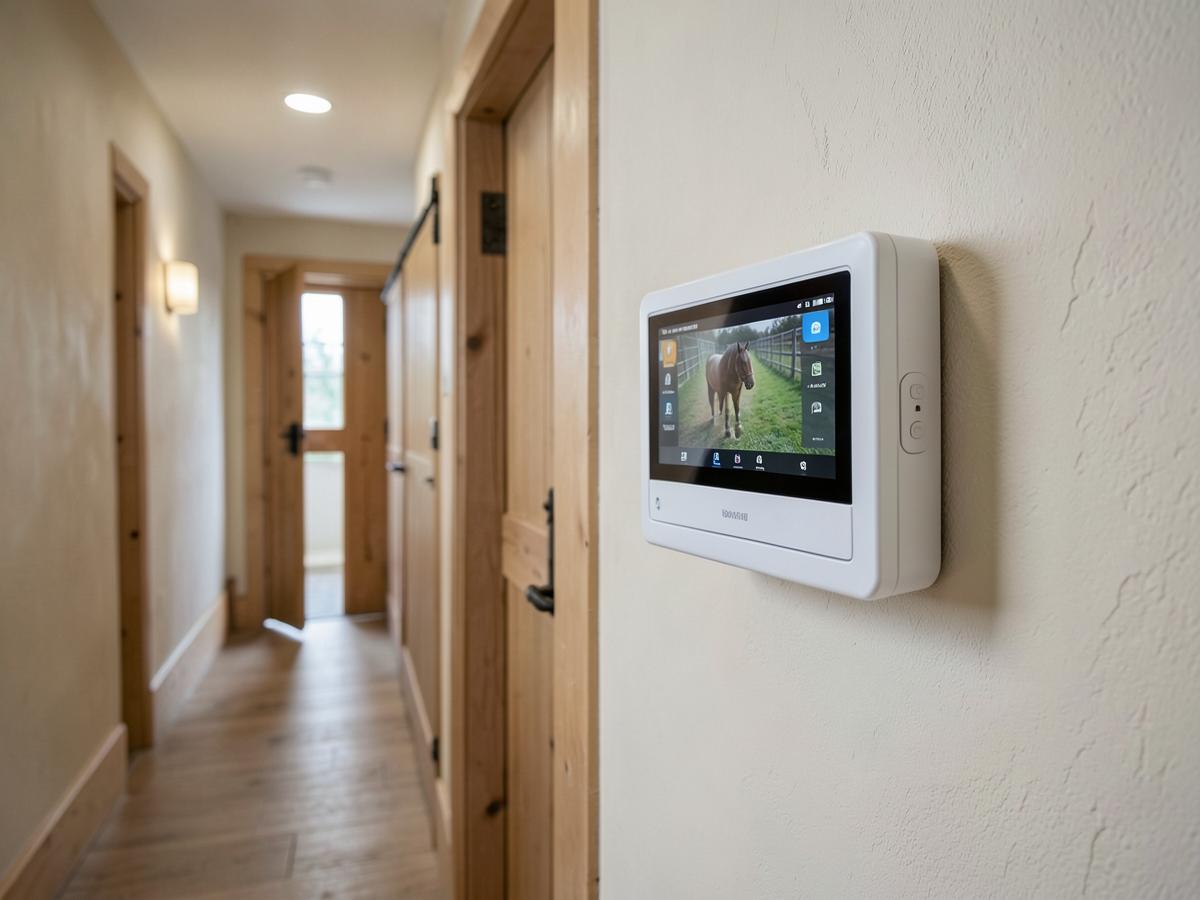
Buying advice · Automation
What you will learn: Practical automation for feeding, water, lighting, turnout and security on a working yard.
Read guide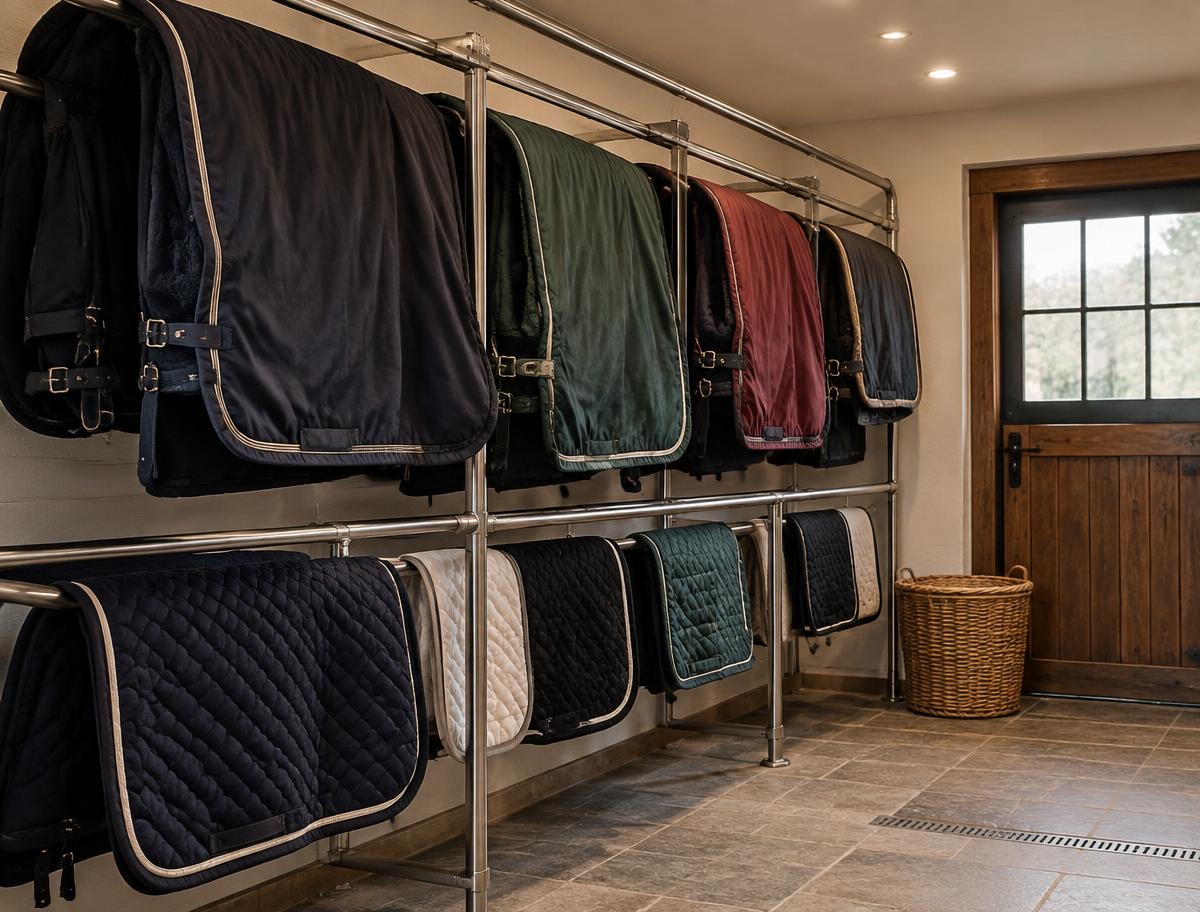 Practical buying guide
Buying advice · Yard equipment
What you will learn: Where equipment saves the most time on a small private yard, in order of usefulness.
Read guide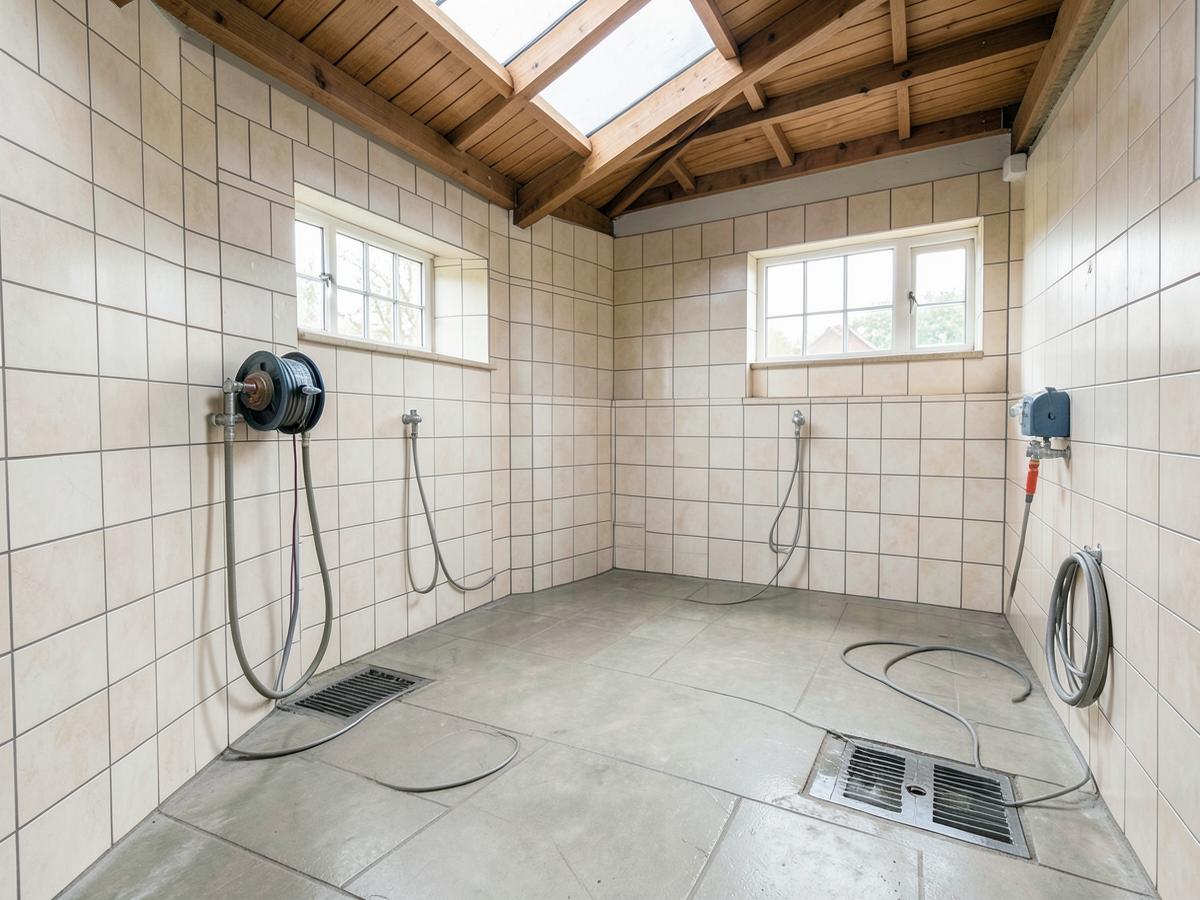 Practical buying guide
Buying advice · Planning
What you will learn: The equipment decisions that shape the budget when building or upgrading a private yard.
Read guideHere to help
Specialist equipment can be a significant investment. If you are not sure which option suits your horse or your yard, talk it through with us.
Speak to a specialist
Questions about a product, or unsure what you need? Call us or send a message and a specialist will come back to you.