Safety

Horse yard safety: the equipment worth investing in

Surfaces, lighting and fittings that reduce the everyday risks on a working yard through a British winter.

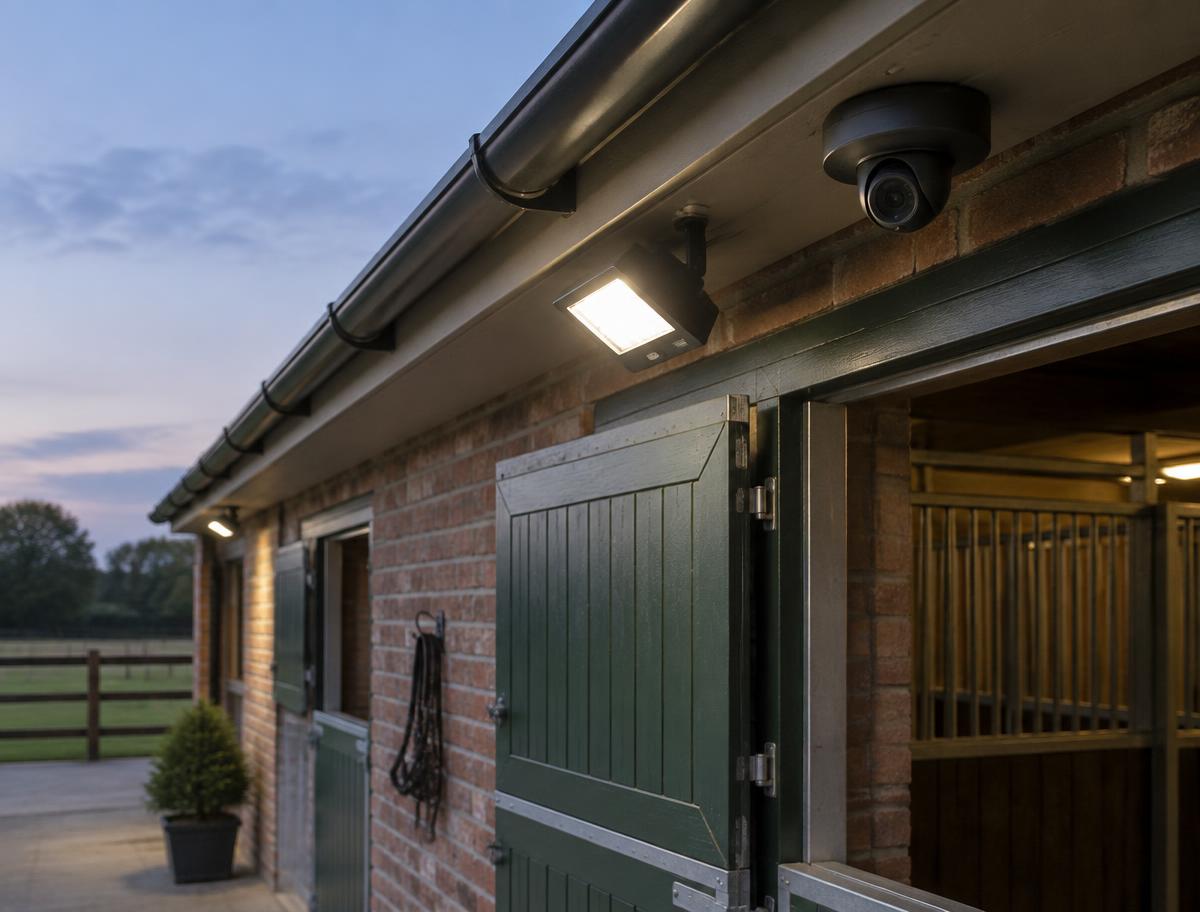
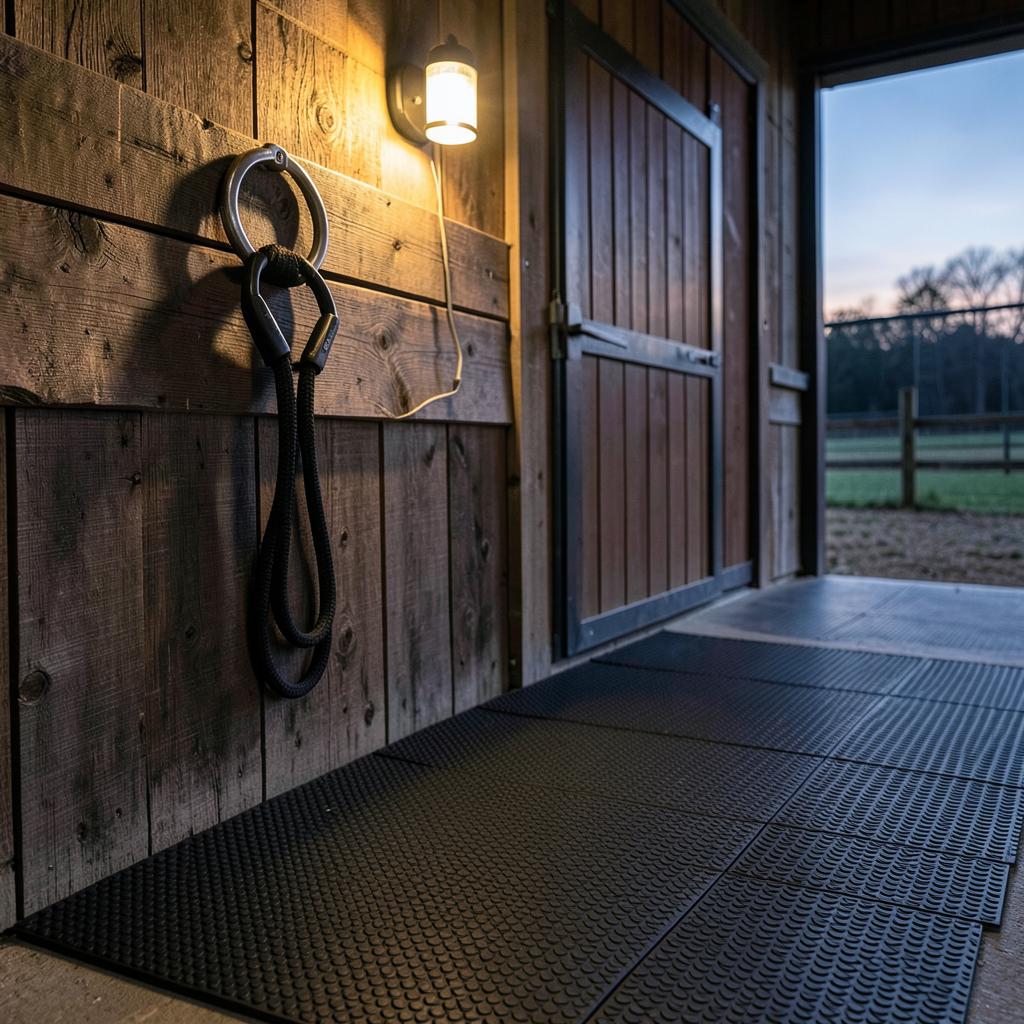
Quick release tie ring with lead rope, non-slip rubber matting and a lit yard light at a stable doorway at dusk
Illustrative equipment image for this buying guide. It does not represent a confirmed manufacturer product.

The short answer

Spend first where people and horses move in the dark: lighting on the routes actually used, non-slip footing, tidy hard standing, and fittings that release under pressure. Then add fire precautions, a stocked first aid point and clear signage. Our yard and stable safety equipment sits in yard safety, with cameras and alerts under yard security.

Practical preparation

Before you compare equipment

Gather these details first. They will rule out unsuitable options and make any quotation more useful.

  • Walk every working route in wet darkness and record slips, shadows and obstructions.
  • Check gates, tie points, protruding fittings, cables, exits and vehicle access.
  • Locate and date first aid supplies, extinguishers and emergency contact information.
  • Assign an autumn review date and a named person to close each action.

Start where people and horses walk

Most yard accidents happen on wet concrete in poor light. Non-slip surfacing in wash areas and walkways, and matting where horses stand tied, does more for safety than anything else you can buy.

Lighting the routine, not the yard

Light the places work actually happens: stable doors, the wash area, the muck heap route and the parking. Sensors help, but only where they cover the whole task rather than switching off mid-job.

Fittings that release

Quick release tying and trailer fittings are inexpensive and worth standardising across the yard so everyone knows how they work.

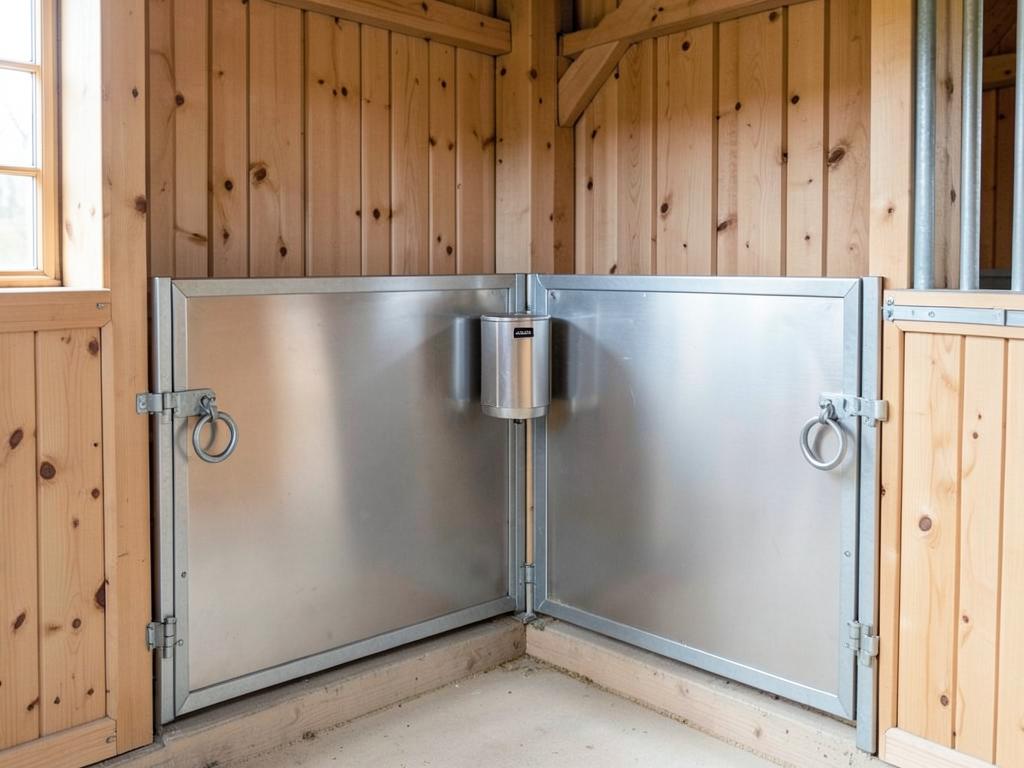
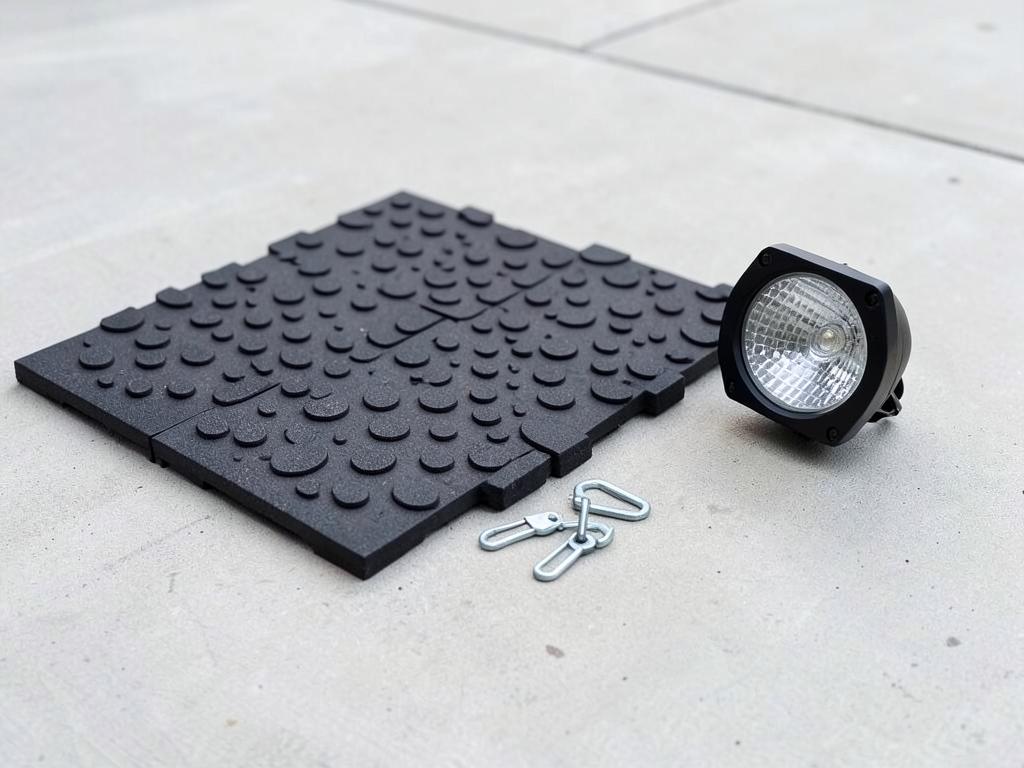
Non-slip rubber yard matting tiles, quick release safety clips and an LED yard light
Generic supporting image showing the type of equipment discussed.

What we will not claim

Safety products are specified against standards that vary by product and country. Where a standard matters to you, we confirm it in writing with the manufacturer before you order rather than repeating a claim.

Walk your own routine before you buy anything

The most useful safety audit is a walk round at the time you actually work, which in winter means before daylight and after dark. Follow the routes you use: stable to muck heap, feed room to stables, gate to field, lorry to yard. Note where you slow down, where you reach for a torch, where a wheelbarrow snags and where a horse habitually spins. Those points are your shortlist, and they are usually cheaper to fix than people expect. Doing this first stops you buying equipment for a problem you do not have while leaving the dark corner by the gate exactly as it was.

Lighting the routine rather than the yard

Floodlighting a whole yard is rarely the best answer. It leaves deep shadows at the edges, dazzles both horses and handlers, and irritates neighbours. Lighting placed along the routes people and horses use, at a height and angle that lights the ground rather than the eyes, does more for safety. Switching matters as much as position: lights you can turn on before you enter a dark area, and that stay on long enough to finish the job, get used. Think about the muck heap, the water tap, the gateway and the loading area, and about what happens in a power cut. Keep a torch in a fixed place regardless.

Footing, hard standing and the winter yard

Slips are the commonest yard accident and the cheapest to reduce. Smooth concrete that has polished with use, a gateway that churns, a step that has settled, and ice in the same three places every year are all fixable. Rubber matting on the routes people lead over, brushing rather than hosing in freezing weather, grit kept where it is needed rather than in a distant store, and drainage cleared before winter all help. Keep barrows, hoses and bikes off leading routes, because obstacles matter most in the dark. None of this is glamorous, and it prevents more injuries than most equipment purchases.

Fittings that release, and fittings that do not

Horses find the one thing that catches. Tie points should be arranged so a horse that panics can be released quickly and safely, with breakable arrangements used as intended rather than improvised. Rug racks, hooks, bolts and door catches should sit where a horse cannot reach them from either side of the door, and protruding bolt heads and sharp edges should be sorted out rather than tolerated. Gate latches want to be operable one-handed while leading. When you are choosing stable fittings and mangers, check what happens when a horse leans, kicks or scrapes against them, not just how they look when fitted.

Fire precautions and stored materials

Hay, straw, shavings and rugs are the fire load on any yard, so where they are stored is the first decision. Keep quantities near horses to a minimum, store the bulk separately, and keep vehicles, machinery and anything that heats up away from bedding. Electrical work should be installed and inspected by a qualified electrician, with no long-term extension leads and nothing dust-covered left plugged in. Extinguishers need to be appropriate, accessible, serviced and known about by everyone who works there. Agree in advance who does what, in what order, and how horses would be moved. Fire brigade access and a working water supply are worth checking rather than assuming.

First aid, records and information for other people

Both human and equine first aid kits should be stocked, dated and kept where anyone can find them without asking. Alongside them, put the information a stranger would need: yard address and access notes, emergency contacts, the vet, and any horse with a specific requirement. That matters most for the person who covers when you are away. Restocking after use is the step most often missed, so a routine check is worth more than a large kit. Signage helps too, marking gas, electrics, water and the way out. None of this costs much, and it is what turns an incident into a manageable event.

Where security equipment fits in

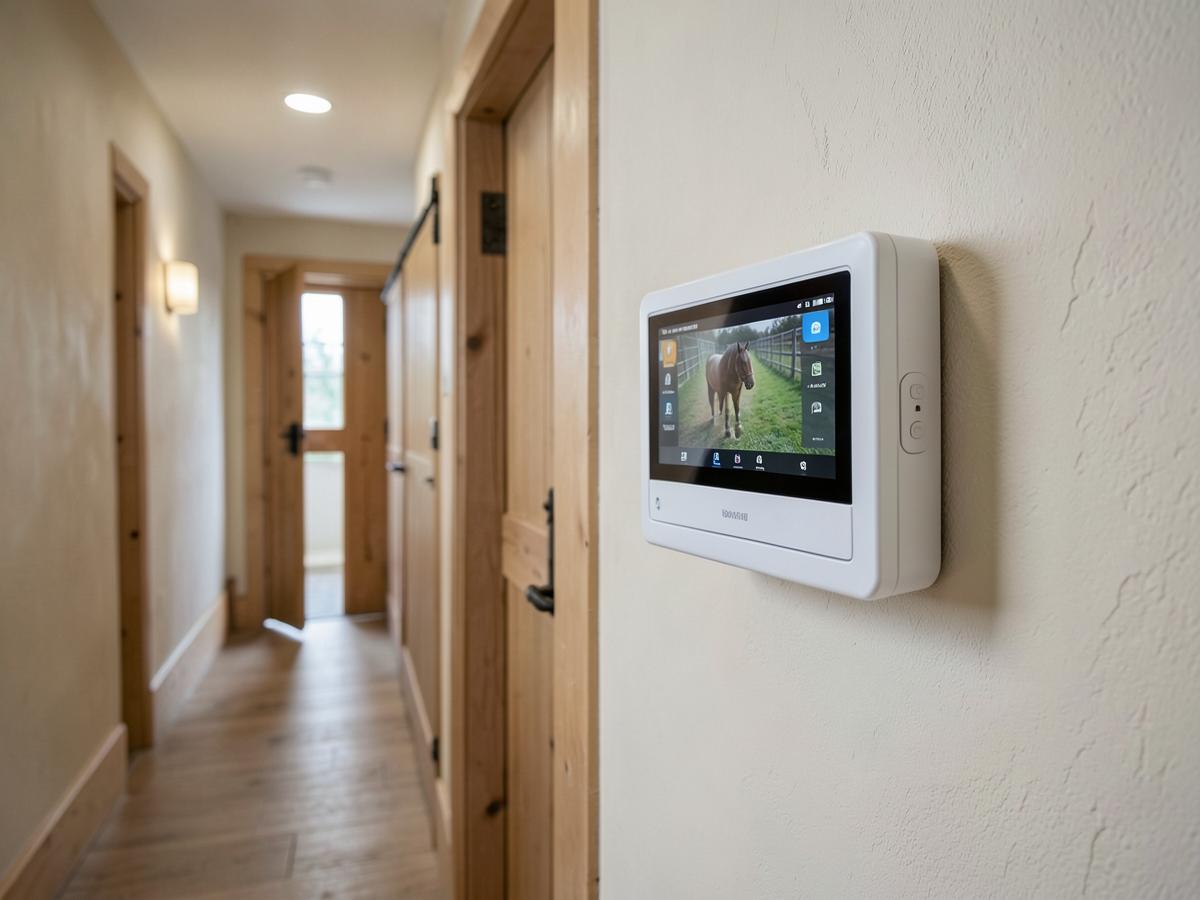
Safety and security overlap but are not the same. Once the physical yard is sorted, cameras and alerts help you see what is happening when you are not there: a horse cast in the night, a gate left open, movement in the feed room. A yard security system covers the perimeter and buildings, while a stable monitoring system is aimed at watching horses, foaling and box rest. Connectivity decides whether either is useful, so check the signal at the yard before ordering. We confirm what a specific system needs on enquiry.

Walking the yard as a stranger would

The most useful safety exercise costs nothing. Walk your yard at the end of a wet afternoon in December, in the dark, as though you had never been there. Note every surface that is slippery, every corner you cannot see round, every trailing cable, every gate that does not latch first time, every step that is not obvious and every place you would not want to lead a horse past. Then note where a fire extinguisher is, whether anyone else would find it, and how a vehicle would reach the far end of the yard. That list, in that order, is your buying list. The safety range and yard safety equipment cover most of what it usually contains.

Equipment, storage and people

Much of what makes a yard unsafe is not missing equipment but equipment in the wrong place: hay stacked where it blocks an exit, bedding in a walkway, tools in a heap, cables run across a wet bay. Proper storage is a safety purchase as much as a tidiness one. So is written information: who to telephone, where the water shuts off, where the extinguishers are, and what a helper should do if something goes wrong, kept somewhere visible rather than in your head. Where property and access are also a concern, a yard security system covers the gate and the stores. Tell us the yard layout and horse numbers and we will suggest a sensible order.

Reviewing it once a year

Safety equipment quietly stops working. Extinguishers go out of date, lights fail and nobody notices until December, surfaces wear smooth, gates drop on their hinges and the written contact list goes out of date the moment a vet or farrier changes. Put one date in the calendar each autumn to walk the yard, check every item, replace what has failed and update what is written down. It takes an hour and it is the cheapest thing on this page. If new equipment has been added during the year, check that nothing now sits across a walkway or an exit, and that the storage has kept up with it. We are happy to talk through a yard list before you buy anything from the safety range.

Frequently asked questions

What safety equipment should a small yard have first?

Lighting on the routes you use in the dark, non-slip footing where you lead horses, tie points that release safely, accessible extinguishers and a stocked first aid kit. Fix those before adding anything else.

Do I need fire extinguishers on a private yard?

Accessible, appropriate and serviced extinguishers are sensible wherever hay, bedding and electrics are stored near horses. Requirements vary by circumstance, so check your obligations and insurance terms.

How do I stop the yard being slippery in winter?

Improve drainage before winter, matting on leading routes, brush rather than hose in freezing weather, and keep grit where it is actually needed rather than in a distant store.

Are cameras a safety measure or a security measure?

Both, in different ways. Cameras aimed at stables help you check on horses; perimeter cameras and alerts are about who and what comes onto the yard.

What is the cheapest way to make a yard safer?

Walk it in the dark and wet, list every slippery surface, unlit corner, trailing cable and gate that does not latch, then fix that list in order. Most of it is not equipment.

How often should safety equipment be checked?

At least once a year, and autumn is the sensible time. Check extinguishers, lighting, surfaces, gates and the written contact list, and replace whatever has failed.
Equipment

Equipment covered in this guide

Specification, pricing and availability are confirmed on enquiry.

Quick release tie ring with lead rope, non-slip rubber matting and a lit yard light at a stable doorway at duskPlaceholder image

Yard Equipment · Yard & Stable Safety

Yard & Stable Safety Equipment

Non-slip matting, quick release fittings and yard lighting specified to make a working yard safer in the dark and the wet, chosen around the layout and routines you already have.

Price on request

Enquire
View product

Here to help

Need help choosing?

Specialist equipment can be a significant investment. If you are not sure which option suits your horse or your yard, talk it through with us.

Speak to a specialist

+44 7380 131007

Questions about a product, or unsure what you need? Call us or send a message and a specialist will come back to you.