 Placeholder image
Performance · Exercise
Horse Walker
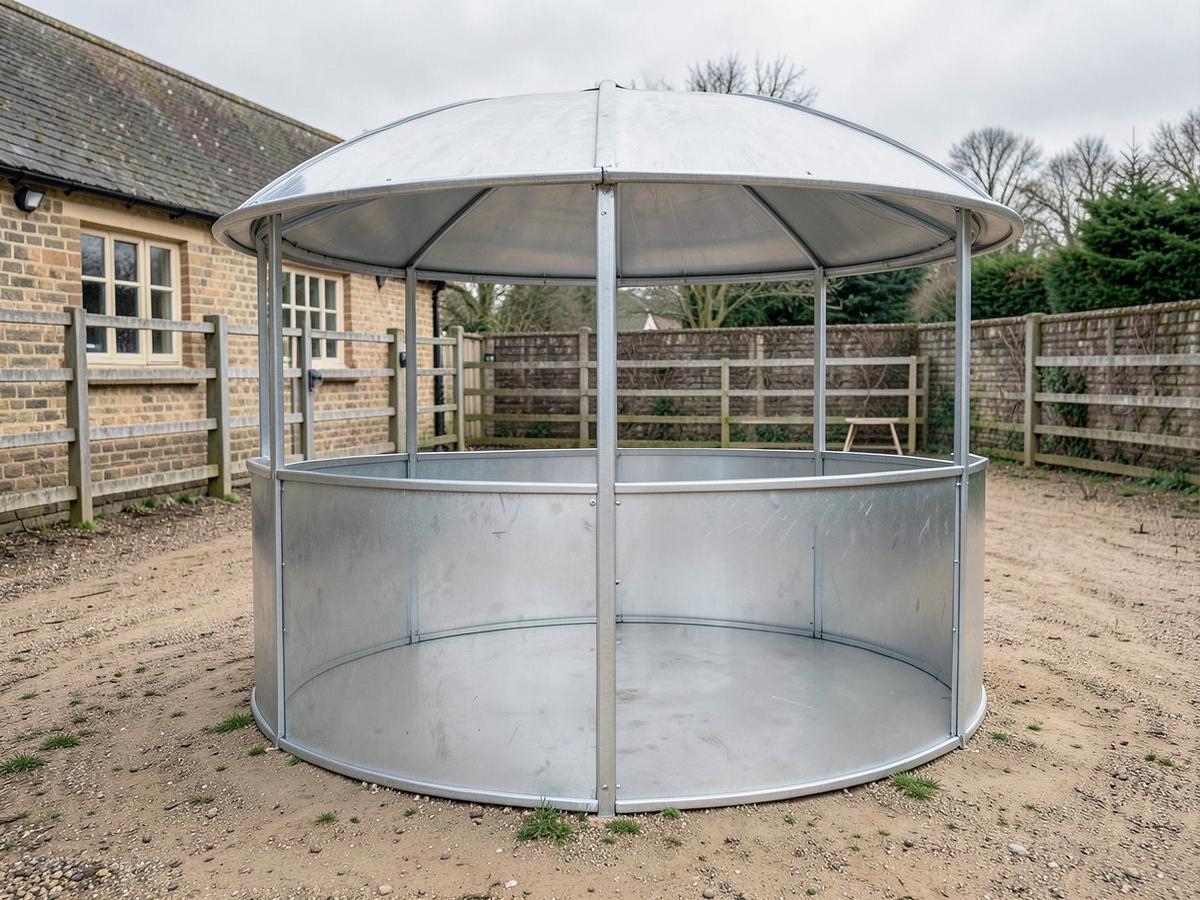
Covered horse walker for controlled daily exercise, warm-up and cool-down without a rider.
Price on request
EnquireSpecialist equestrian equipment · Speak to a specialist
Conditioning
How each is used in a conditioning programme, plus space, surface and budget considerations.
A walker gives controlled low-intensity movement for several horses a day. A treadmill gives precise, measurable work for one horse at a time. Space and groundworks usually decide the question before budget does.
Practical preparation
Gather these details first. They will rule out unsuitable options and make any quotation more useful.
A walker gives controlled low-intensity movement for several horses a day. A treadmill gives precise, measurable work for one horse at a time, and a water treadmill adds resistance without concussion.
Walkers need land and groundworks. Treadmills need a building with services. This usually decides the question before budget does.
Both are long-term installations. Factor in surfacing, servicing and, for water systems, water treatment.
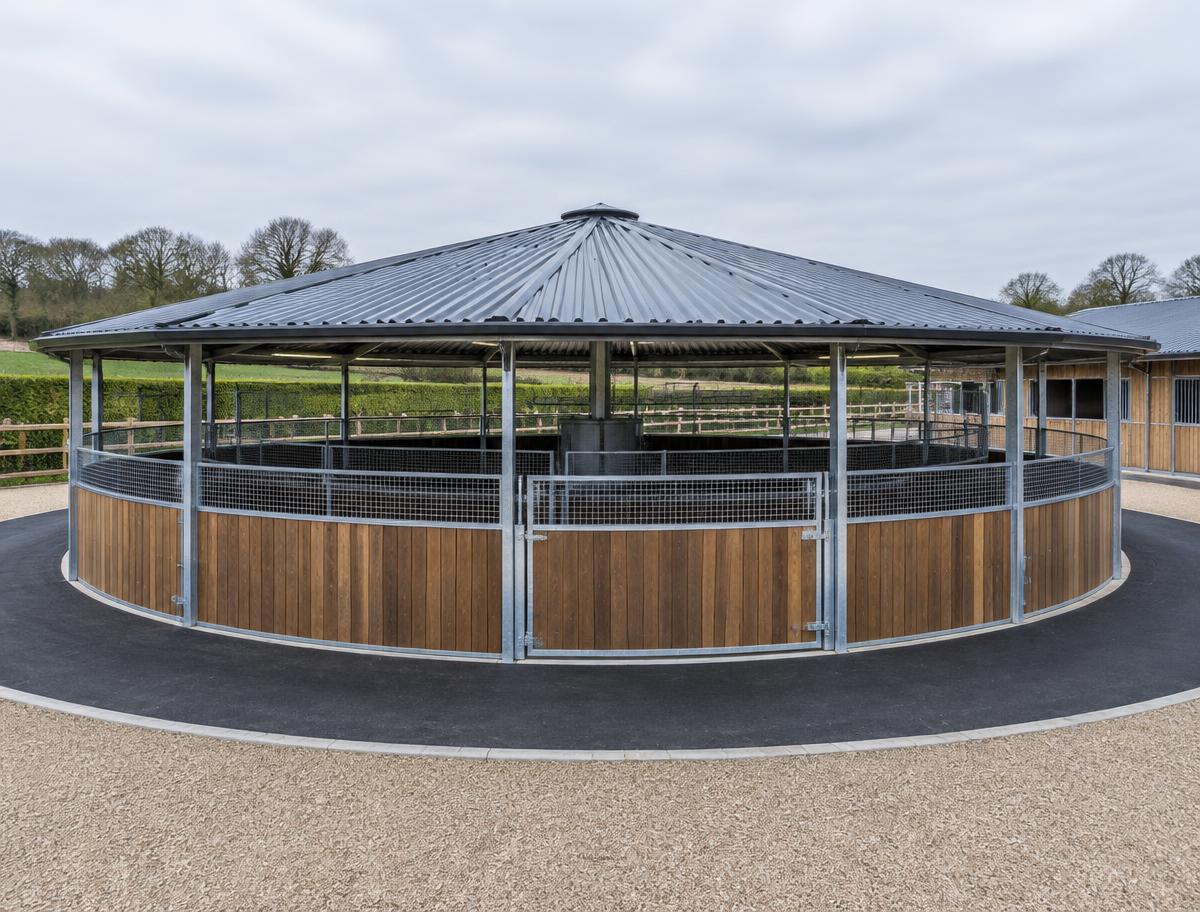
A walker is generally used every day, often twice, for several horses: warm-up before ridden work, gentle movement on a rest day, or controlled exercise for a horse coming back into work. A treadmill is used with one horse at a time and with more precision, so it tends to be scheduled rather than dropped into the routine. Yards with numbers usually find the walker earns its place first; single-horse or rehabilitation settings often find the treadmill more useful.
A walker needs a level, well-drained area, a prepared base and a surface that stays consistent through winter, plus power and fencing. A treadmill needs a building with adequate height, ventilation and a floor that can take the frame; a water treadmill additionally needs a water supply, drainage and a plan for filling, emptying and treating the water. These practicalities usually settle the decision before budget does, which is why we ask about the site early.
A water treadmill adds resistance and buoyancy, so a horse works harder without the same concussion. That makes it attractive for conditioning and for horses returning to work under veterinary guidance. It also adds water handling, treatment and heating considerations to both the installation and the running cost, so it should be compared against a dry treadmill on total cost and on how often it will genuinely be used.
Both are long-term installations rather than purchases you move on quickly. Ask who commissions the equipment, what the service interval is, how quickly a technician can attend, and what parts availability looks like in five years. On equipment used daily, that answer matters more than any headline specification. We confirm servicing arrangements in writing before an order is placed.
The two differ most in how much human time they take. A horse walker can exercise several horses with one person keeping an eye on it, which is why it suits a yard trying to get controlled work into a busy morning. A water treadmill takes one horse and one person at a time, with settings adjusted for that horse. That makes it a specialist tool rather than a labour saver, and it should be costed with the staff time it requires. If your problem is fitting daily exercise into limited hours, the walker is usually the honest answer.
A walker needs a level, drained site with access for installation, and its surface and drainage decide how usable it is in winter. A treadmill is normally housed within a building, and it needs water supply, drainage, power and a floor arranged for the equipment, so the building often costs more thought than the machine. Both benefit from being planned with lighting from the start, since both are used in the dark for half the year. We would rather visit and tell you what a site allows than quote for equipment that cannot be delivered or installed where you want it.
Competition and racing yards with several horses in daily work usually install a walker first and add a treadmill only if rehabilitation is a regular part of the business. Rehabilitation and veterinary facilities often do the reverse, because the treadmill is the service they are providing. A private yard with a handful of horses generally gets more use out of a walker, or out of nothing at all if the horses are already hacking daily. Browse performance exercise for walkers and professional rehabilitation for treadmills, and talk to us before committing either way.
Both need budgeting beyond purchase. A walker uses power, needs its surface topped up and levelled, its drainage kept clear, and its drive, gates and dividers checked and serviced. A treadmill adds water, drainage and cleaning to that list, plus servicing of the mechanism. Neither cost is dramatic on its own, but ignoring them shortens the life of the equipment and creates downtime in the season you most want it. Put servicing in the yard calendar at installation. We set out the servicing arrangements for a specific model on enquiry.
Ask what problem you are solving. If it is getting controlled exercise into several horses' days with limited staff, buy the horse walker. If it is rehabilitating horses or delivering targeted conditioning under professional direction, the water treadmill is the tool, and your vet should be part of that decision. If the honest answer is both, install the walker first: it changes the working day, while the treadmill changes what you can offer. Tell us the horses, the workload and the site and we will say which we would specify.
Both choices are a groundworks project as much as an equipment purchase. A horse walker needs a level base, a surface that drains and stays consistent through a wet winter, a power supply and access for the delivery and installation. A water treadmill needs a building, a floor that can carry it, a water supply, somewhere for the water to go and a plan for handling and heating it. The equipment cost is the part people research; the base, the drainage and the building are the part that decides the total. Get the groundworks scoped before you compare models, because a site that cannot drain will make an excellent walker feel like a mistake every February.
A walker is designed so one person can put horses out and get on with other jobs, which is exactly why yards buy it. A treadmill is a handled session: someone competent stands with the horse for the whole of it, and the water needs managing between sessions. That single difference decides the answer for most yards more cleanly than any comparison of what each does for the horse. If you are short of hands, the walker wins by default. If you have staff and a rehabilitation reason, the treadmill starts to make sense. Look at the exercise range for the walker side, and read our horse walker size and cost guide before you fix on a diameter.
A walker is a management tool. It gets horses moving consistently, every day, without a person walking each one, which is why it suits yards with numbers and limited hands. A treadmill is a controlled session, used for specific work on a specific horse, usually alongside a vet or physiotherapist and often as part of rehabilitation rather than routine exercise. Neither replaces ridden work or turnout, and neither fixes a horse that is not right. Where recovery rather than exercise is the aim, look at an equine recovery system or the recovery range before either, because the cheaper answer sometimes does the job. Tell us what you want to change about the week and we will say which of the three fits.
Some professional yards end up with both, and where that works it is because the two do different jobs: the walker keeps every horse ticking over, and the treadmill is booked for the horses on a programme. It only makes sense once there is enough throughput to keep both busy and enough staff to handle treadmill sessions properly. For most private yards, one or the other is the honest answer, and it is usually the walker. If you are weighing a facility rather than a purchase, the professional rehabilitation range and our high-end equipment guide cover how we specify against a site.
It depends on the diameter and the number of horses. We size it against your site before quoting.
Water handling and treatment are part of the installation and running cost. We set both out in writing before you commit.
No. It provides controlled exercise and is widely used for conditioning, warm-up, cool-down and horses returning to work, as part of a programme rather than instead of it.
It is most often used for rehabilitation and targeted conditioning under professional direction, which is why veterinary input matters when deciding whether it suits a horse.
Most yards install a walker first because it saves daily labour across several horses. A treadmill follows when rehabilitation or targeted conditioning is a regular requirement.
A treadmill. It is a handled session with water to manage between uses. A walker is designed so one person can put horses out and continue with other jobs.
No. It adds consistent daily movement without a person walking each horse. It does not replace riding, turnout or veterinary care.
Equipment
Specification, pricing and availability are confirmed on enquiry.
Placeholder imagePerformance · Exercise
Covered horse walker for controlled daily exercise, warm-up and cool-down without a rider.
Price on request
Enquire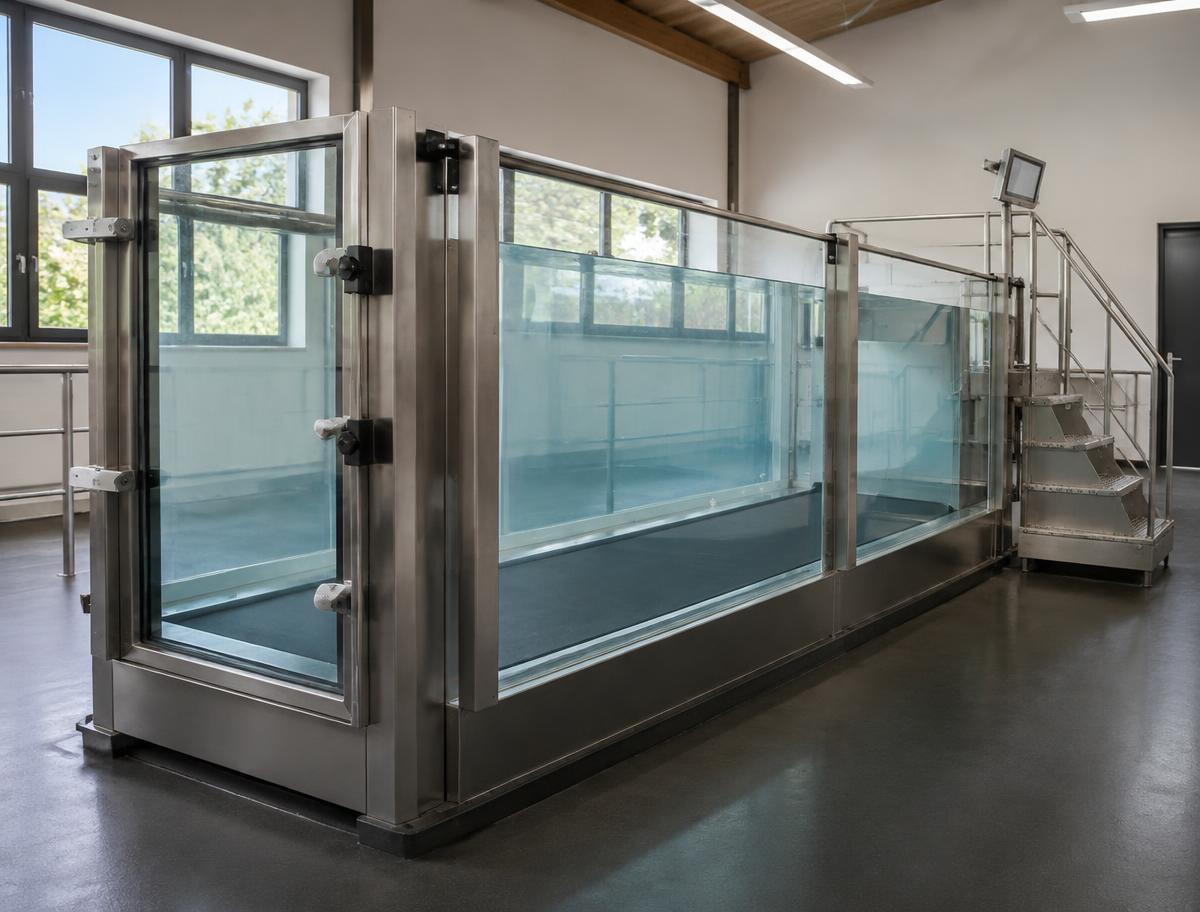 Placeholder image
Professional · Rehabilitation
Water treadmill for controlled, low-impact exercise in rehabilitation and conditioning programmes.
Price on request
Enquire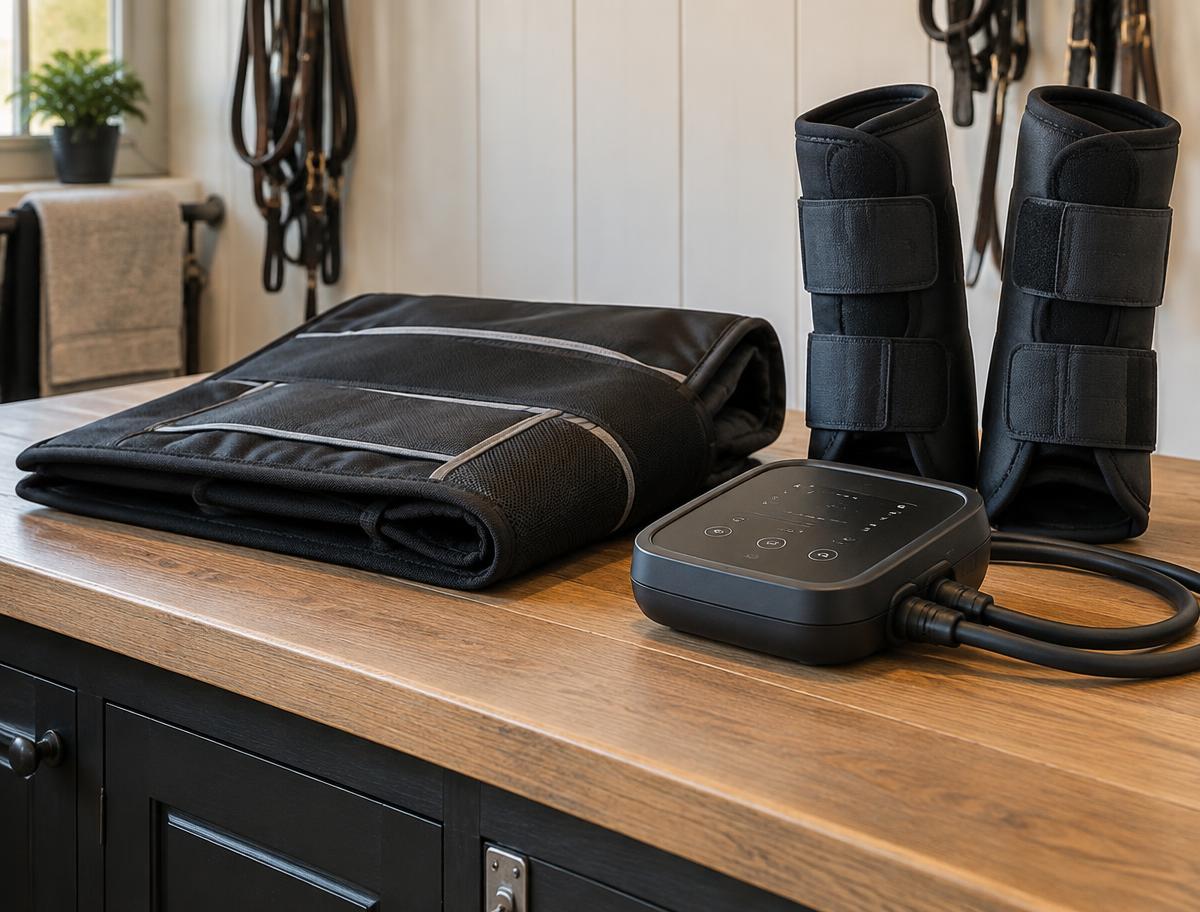 Placeholder image
Performance · Recovery
Compression and cooling equipment used after exercise to support circulation and comfort.
Price on request
EnquireThe Yard & Mane Edit
Practical buying guideBuying advice · Recovery
What you will learn: The main categories of recovery equipment and the questions worth asking before you buy.
Read guidePractical buying guideBuying advice · Exercise
What you will learn: Diameter, horse numbers, groundworks, planning and the running costs that shape a horse walker budget.
Read guideHere to help
Specialist equipment can be a significant investment. If you are not sure which option suits your horse or your yard, talk it through with us.
Speak to a specialist
Questions about a product, or unsure what you need? Call us or send a message and a specialist will come back to you.