 Placeholder image
Performance · Recovery
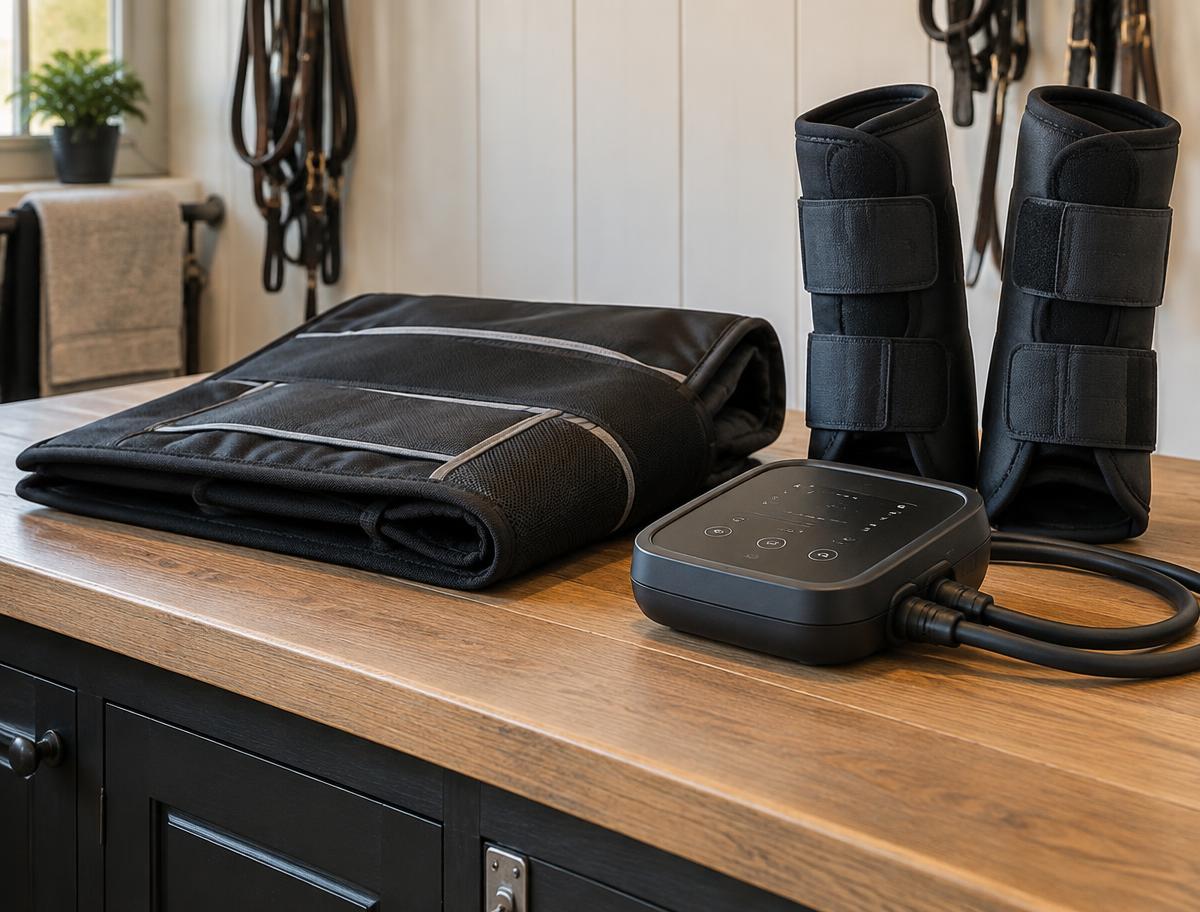
Equine Recovery System
Compression and cooling equipment used after exercise to support circulation and comfort.
Price on request
EnquireSpecialist equestrian equipment · Speak to a specialist
Recovery
The main categories of recovery equipment and the questions worth asking before you buy.
Decide what you are trying to influence, whether circulation, cooling, comfort or controlled movement, then compare equipment within that group. Where a horse is under treatment, choose alongside your vet or physiotherapist.
Practical preparation
Gather these details first. They will rule out unsuitable options and make any quotation more useful.
Compression, cooling, massage and controlled movement all sit under recovery, and they address different things. Decide what you are trying to influence before comparing products.
A horse hunting or competing weekly needs a different approach to one in light hacking work. Portable equipment matters if you travel to compete.
Where a horse is being treated, recovery equipment should be chosen alongside your vet or physiotherapist.
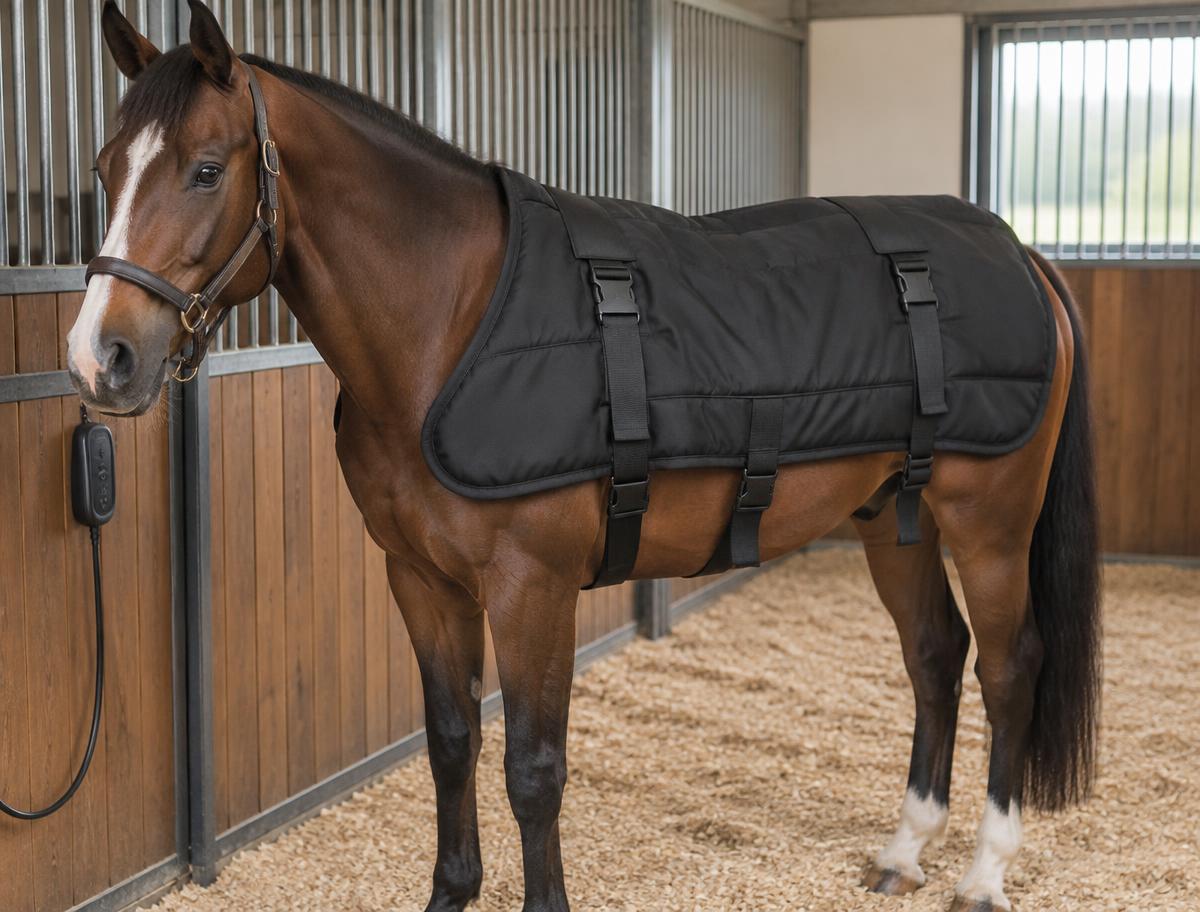
Recovery is a broad label. Cooling, compression, massage, warmth and controlled movement are different approaches and should not be compared as though they perform the same job. Write down when the equipment would be used, how often and what practical outcome you want from the routine. Where a horse is under veterinary or physiotherapy care, use that professional advice to define the purpose before looking at equipment.
Wearable systems suit owners who travel, compete or need equipment that can be shared between boxes. Fixed equipment can suit a professional facility where horses follow a managed programme and the system is used repeatedly each day. Portability brings questions about charging, cleaning, storage and fit. A fixed installation brings questions about space, services, supervision and long-term maintenance.
Equipment that is awkward to fit or difficult to clean is unlikely to become part of a consistent routine. Consider who will use it, whether staff can apply it safely, how components are dried between horses and where controls are stored. For wearable equipment, sizing and contact with the horse matter more than a long list of programmes. These details should be confirmed against the chosen system rather than assumed from a generic category description.
Be cautious of broad performance or treatment claims that are not tied to a clear use case. Recovery equipment does not replace diagnosis, veterinary treatment or a sound training programme. A credible supplier should explain what a system is designed to do, where its limits are and what information still needs to come from the manufacturer or your veterinary team.
There is a difference between equipment used routinely after work and equipment used to rehabilitate an injury. Routine recovery aims to help a horse in regular work settle after exertion, and an equine recovery system or therapy system is typically used that way. Rehabilitation follows a diagnosis and a veterinary plan, and equipment such as an equine spa or water treadmill belongs in that setting under professional direction. Confusing the two leads to expensive purchases used for the wrong horse. Browse performance recovery or professional rehabilitation depending on which you mean.
Ask how many horses are in hard work, how often, and what usually goes wrong. A yard with two horses hacking and hunting occasionally has different needs from a competition yard running horses back to back through the season. The more horses and the harder the work, the more a fixed installation earns its place; for smaller numbers, portable equipment used consistently is normally the better buy. Consistency is the point: recovery equipment used properly three times a week does more than a larger installation used occasionally. Tell us the workload and we will say what we think fits rather than what is most expensive.
We do not make clinical claims for equipment, and we would be cautious about anyone who does. If a horse is lame, sore or returning from injury, the sequence is diagnosis, then a plan, then equipment chosen to support that plan. Your vet or physiotherapist is best placed to say what will help a specific horse, and they can also tell you what would be unwise. What we can do is explain what a piece of equipment does mechanically, what it needs from your yard, and how it is used and maintained day to day. Specification, pricing and availability are confirmed on enquiry.
Recovery equipment only helps if it is used at sensible points in the week, which means deciding in advance when it happens: after hard work, on the day after a competition, or on set days through a conditioning block. Write it into the routine rather than leaving it to whoever has time, and record what was done for which horse. Keep sessions consistent and note how the horse works afterwards. Equipment used properly a few times a week does more than a larger installation used occasionally, and it is far easier to judge whether it is helping.
Portable recovery equipment needs somewhere clean and dry to store it, a socket where it will be used and a routine for charging or cleaning between horses. Fitted equipment needs a location, services and servicing, which is where a site check matters. Ask about cleaning between horses if several will use the same item, since hygiene is part of the maintenance rather than an afterthought. We confirm the servicing and support arrangements for a specific system on enquiry, along with what it needs from your building.
Recovery equipment supports a plan; it does not replace one. Anything used on a horse that is being treated, rehabilitated or managed for a known condition should be agreed with the vet or physiotherapist looking after it, and that includes how often it is used and for how long. We do not make clinical claims about our equipment and we do not advise on treatment, because that is the professional's job and not a retailer's. What we can do is tell you how a specific unit is used day to day, what it needs where it stands, and how it fits into an existing routine. If your horse is under a rehabilitation programme, ask your vet what they want the equipment to do first, then talk to us with that in hand.
The equipment that helps is the equipment that gets used on a wet Tuesday when you are short of time. Ask how long it takes to fit and remove, whether one person can manage it, whether it needs charging or filling, where it lives between sessions and how it is cleaned. An equine therapy rug is easy to fit into an existing routine, which is why it suits owners fitting recovery around work. An equine recovery system offers more but asks more of the routine and the space. A water treadmill or equine spa is a facility rather than a purchase, with drainage, water handling and trained handlers behind it. Match the ambition to the hands available, not to the horse's potential.
One horse in work: portable equipment that fits around the existing routine, kept simple enough to use every day. Several competition horses: it becomes worth having something fitted in a dedicated space, because the equipment is in use back to back and moving it wastes the time you bought it to save. A professional yard taking horses in for rehabilitation: the decision is about the facility, the handlers and the water and drainage before it is about any single unit, and it usually involves the rehabilitation and therapy ranges rather than portable items. Tell us how many horses, who handles them and what space you have, and we will tell you which of the three you are, because that answer narrows the options faster than any product comparison.
No. Owners of older horses and horses in regular work use it too, though the workload should guide the choice.
If you travel to compete, portability and power requirements are worth checking before anything else.
We make no such claim. It is used as part of a management routine alongside conditioning, farriery, veterinary care and sensible workloads.
For a horse in normal work, equipment is generally part of routine management. For anything lame, sore or rehabilitating, work from a veterinary diagnosis and plan.
Usually, provided it is cleaned between horses and sized to them. Ask us about cleaning and fitting for a specific item before you order.
Where a horse is being treated or rehabilitated, yes. We do not make clinical claims or advise on treatment; we explain how equipment is used and what it needs.
Equipment
Specification, pricing and availability are confirmed on enquiry.
Placeholder imagePerformance · Recovery
Compression and cooling equipment used after exercise to support circulation and comfort.
Price on request
Enquire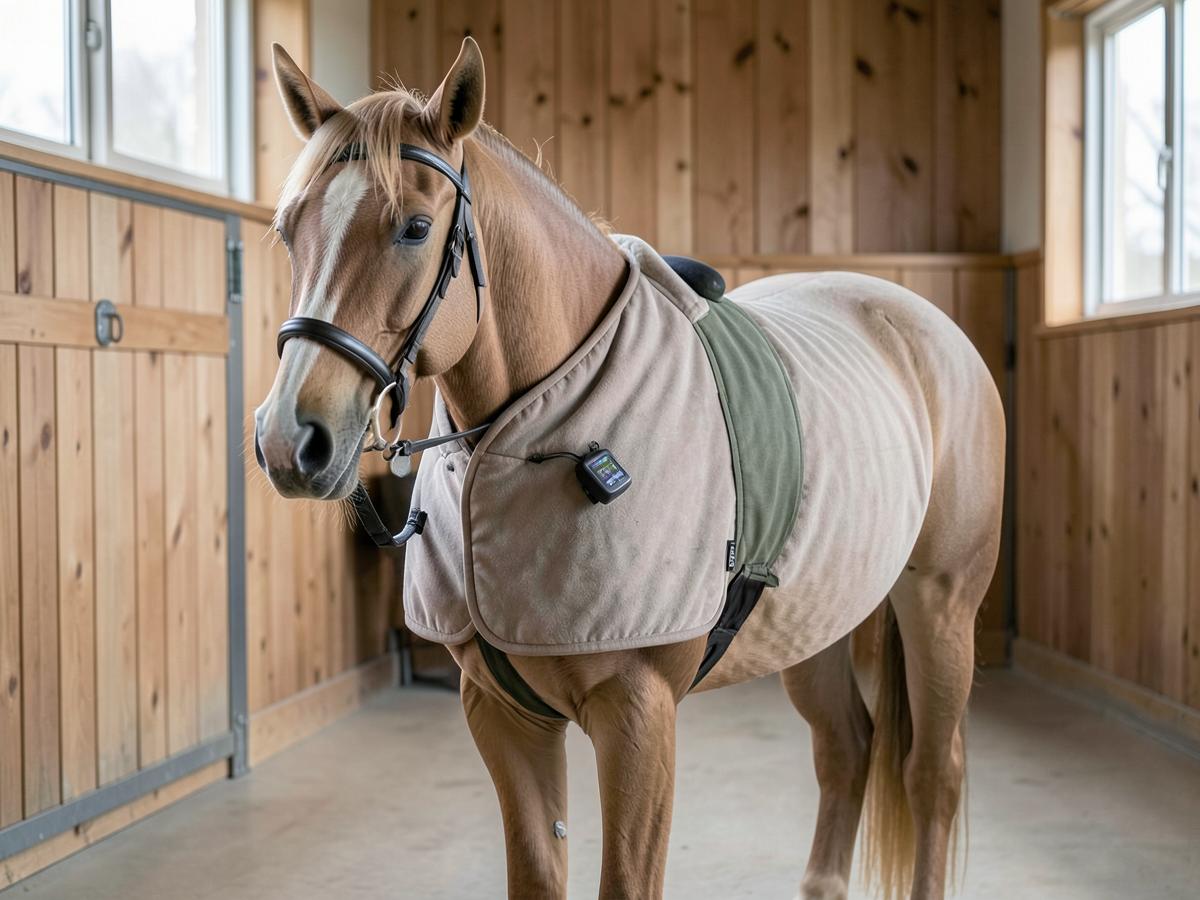 Placeholder image
Horse Care · Therapy
Wearable therapy system used before work to warm muscles and after work to support recovery.
Price on request
Enquire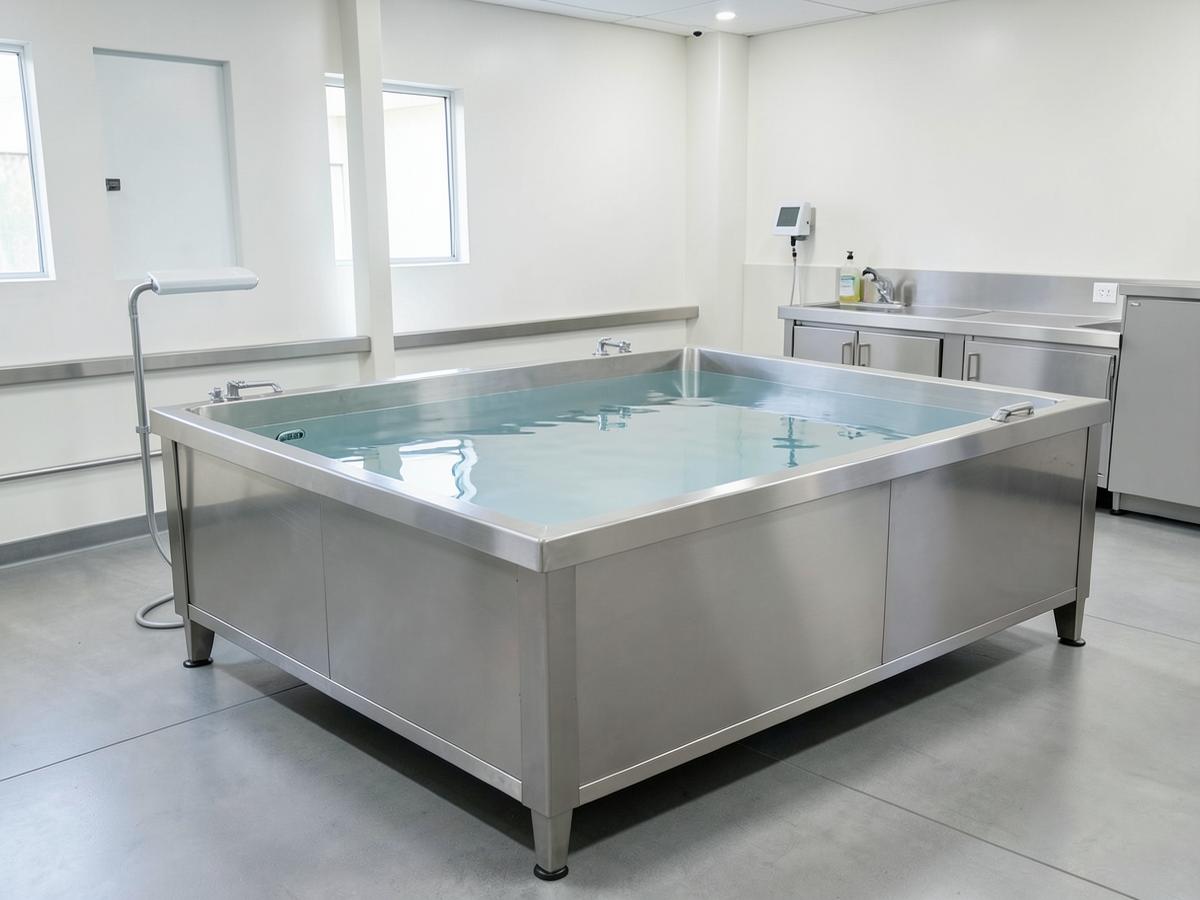 Placeholder image
Professional · Therapy
Cold saltwater spa used in professional yards and rehabilitation facilities for leg treatment.
Price on request
Enquire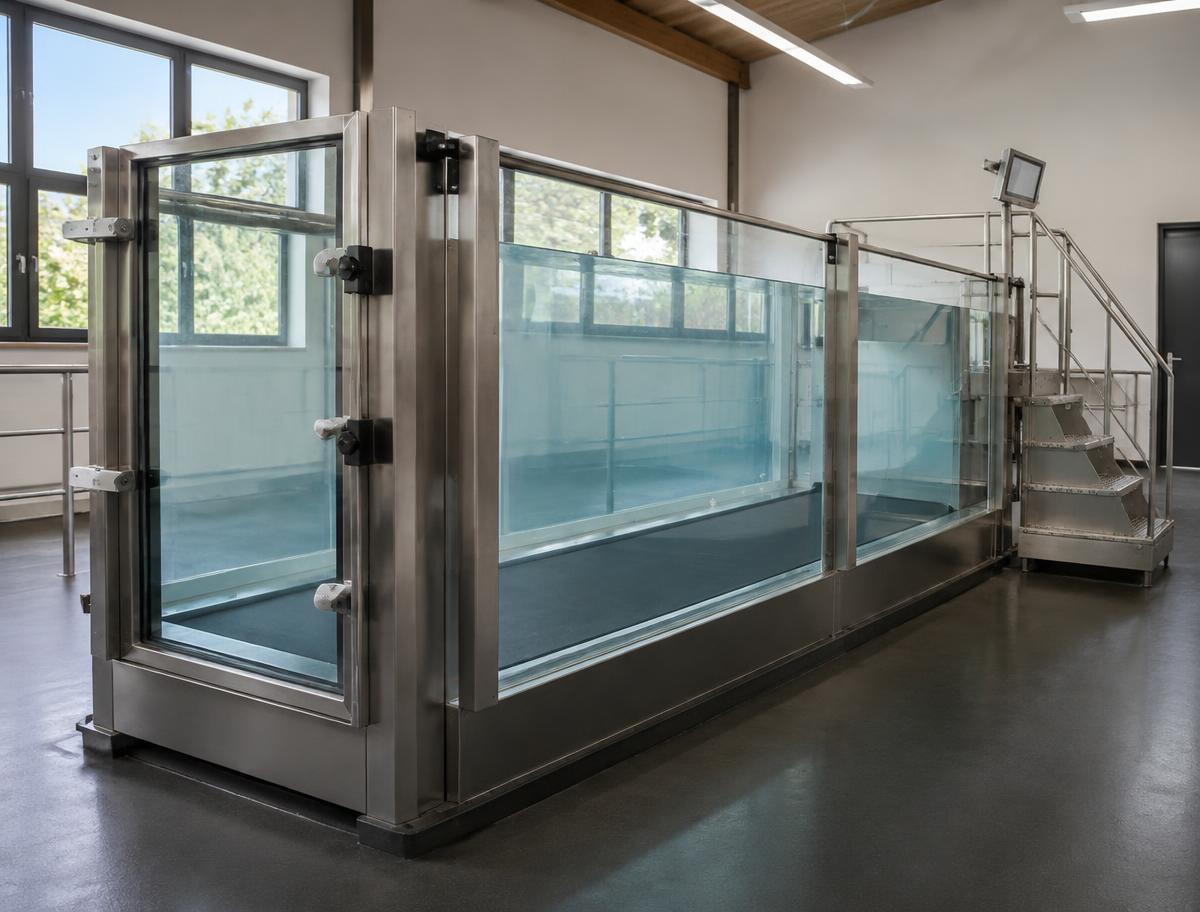 Placeholder image
Professional · Rehabilitation
Water treadmill for controlled, low-impact exercise in rehabilitation and conditioning programmes.
Price on request
EnquireThe Yard & Mane Edit
 Practical buying guide
Buying advice · Conditioning
What you will learn: How each is used in a conditioning programme, plus space, surface and budget considerations.
Read guidePractical buying guideBuying advice · Exercise
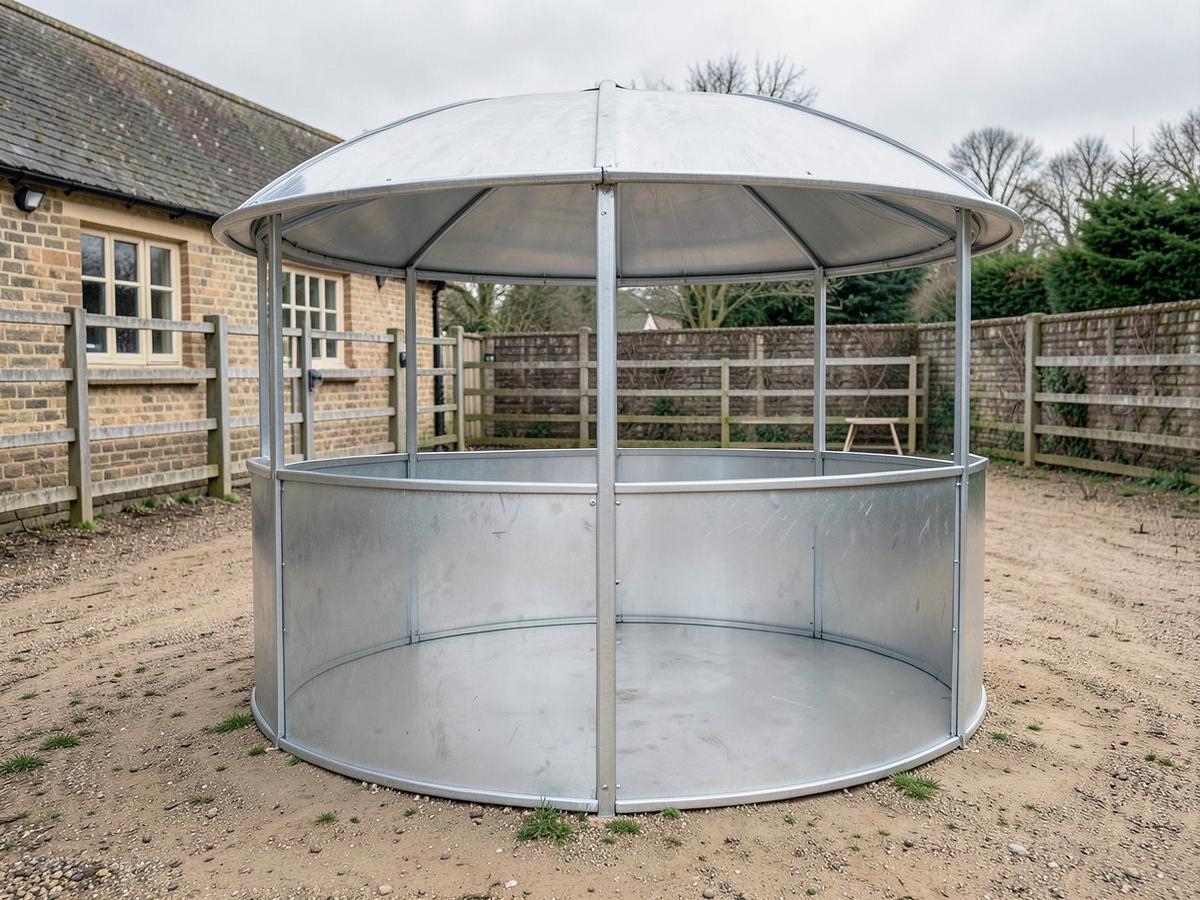
What you will learn: Diameter, horse numbers, groundworks, planning and the running costs that shape a horse walker budget.
Read guideHere to help
Specialist equipment can be a significant investment. If you are not sure which option suits your horse or your yard, talk it through with us.
Speak to a specialist
Questions about a product, or unsure what you need? Call us or send a message and a specialist will come back to you.