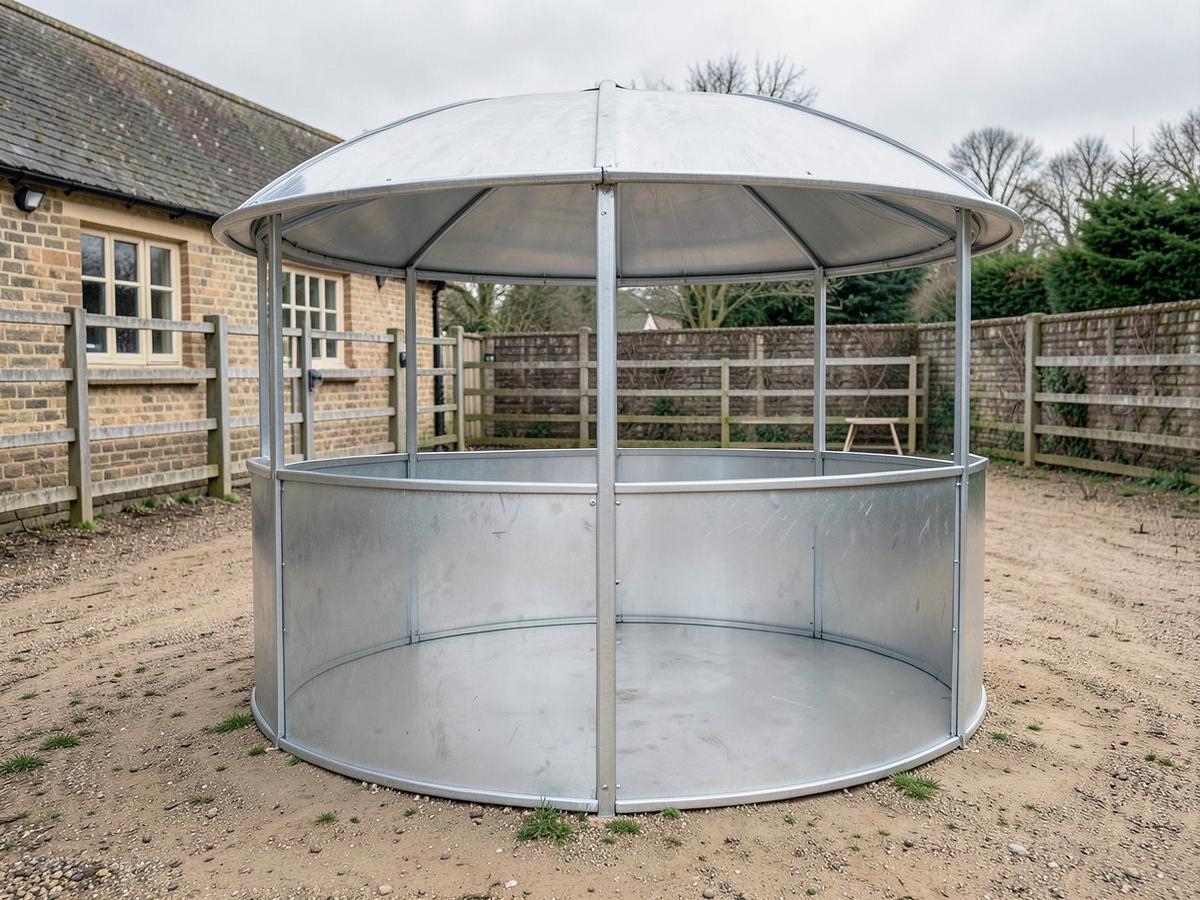
 Placeholder image
Performance · Exercise
Horse Walker
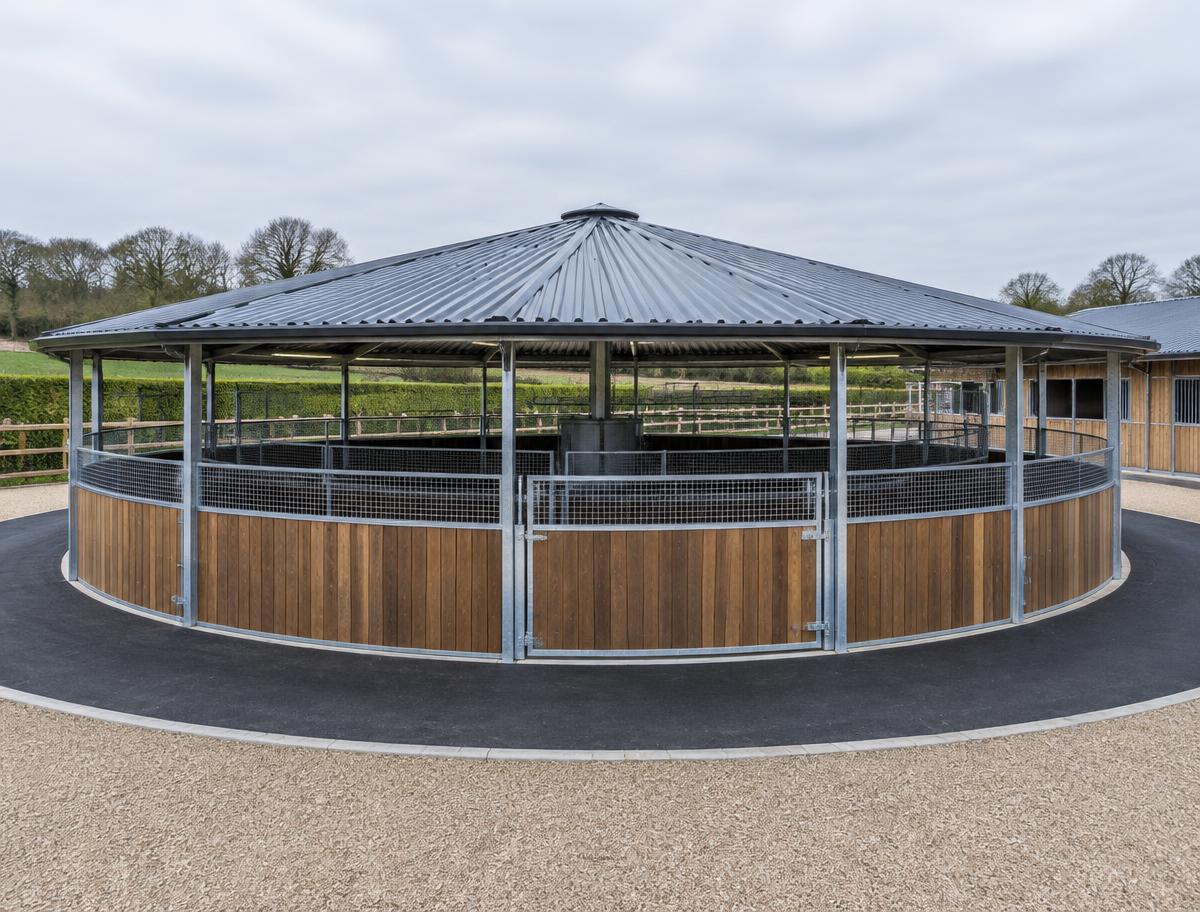
Covered horse walker for controlled daily exercise, warm-up and cool-down without a rider.
Price on request
EnquireSpecialist equestrian equipment · Speak to a specialist
Exercise
Diameter, horse numbers, groundworks, planning and the running costs that shape a horse walker budget.
Size a horse walker by the horses in work, not by the yard's total number: how many need daily controlled exercise, at what size, and whether they will be walked in company. Then check the ground, access and drainage of the intended site, because groundworks and installation are a real part of the cost. Walkers sit in performance exercise.
Practical preparation
Gather these details first. They will rule out unsuitable options and make any quotation more useful.
The number of horses needing daily controlled work sets the number of bays, and that sets the diameter. A yard walking three horses has very different requirements to a competition yard turning over twelve.
A walker needs level ground, drainage, an access route for delivery and a surface specified for the traffic it will take. Groundworks and surfacing are a real part of the budget, not an afterthought.
A roof makes a walker usable in poor weather and protects the surface, but it raises the cost and usually brings planning permission into the discussion earlier.
Prices depend on diameter, cover, surfacing and groundworks, so quoting a figure without those is guesswork. Send us the site and the number of horses in work and we will set out what is involved before you commit to anything.
A walker earns its place by taking a repeated job off the yard, so start with the timetable rather than the machine. Count the horses that would use it every day, how long each session needs to be, and the hours the yard has available for it. Then think about the peaks: box rest, winter, a competition run when several horses need the same slot. If the honest answer is a handful of horses a few times a week, a smaller unit used properly will serve better than a large one that is half empty. If sessions would be back to back all morning, capacity is the thing to buy. Numbers are what let us specify sensibly, so bring those to the conversation.
Two dimensions decide whether horses travel comfortably: how large a circle they are asked to walk, and how much room each horse has between the dividers. Larger, longer-striding horses need more of both, and a circle that is too tight asks a horse to work on a constant bend for the whole session. Youngstock, ponies and cobs use space differently again. Surface, camber and drainage inside the walker matter as much as diameter, because a track that holds water or breaks up unevenly undoes the point of controlled exercise. We confirm the sizes available for a particular model, and what suits the horses you have described, before you order.
Most of the surprises on a walker project come from the ground rather than the equipment. The site needs to be level or capable of being levelled, able to drain, and reachable by the machinery required to install it. Existing services underneath, boundaries and any planning or permitted development considerations are worth checking before you spend anything, since they can rule a location out. Think about how horses get to the walker from the stables, and whether that route works in the dark and the wet. Access for delivery matters too: a tight yard entrance can add cost. A site visit answers all of this far more reliably than a plan.
A roof changes how often the walker is used in winter and how well the surface holds up, which is exactly when controlled exercise is most useful. It also adds structure, cost and, in some cases, planning considerations. Part-covered arrangements exist as a compromise, giving shelter over the track while leaving the centre open. Lighting is the other half of this decision: in a British winter the walker is used before and after daylight, and lighting positioned for the horses rather than for the yard makes the difference between a facility that gets used and one that does not. Decide roof and lighting together rather than adding one later.
We do not publish walker prices, because a walker is a project rather than a product: the unit, groundworks, surfacing, drainage, power, any roof and the installation all move with the site. What we can do is set out the parts of the cost so nothing appears later, and price the whole job once we have seen the site and your horse numbers. It is also worth budgeting for the things that keep it working: surface top-ups, drive and gate maintenance, and servicing. Tell us how many horses need daily work and where you are thinking of putting it, and we will confirm the specification and cost on enquiry.
These are often compared and rarely interchangeable. A walker gives steady, controlled exercise for several horses with little labour, which suits routine conditioning, warm-up, cool-down and horses coming back into work. An equine water treadmill works one horse at a time under supervision, with water depth used to change the demand, and is normally chosen for rehabilitation and targeted conditioning, usually alongside veterinary input. A walker is a yard-wide labour saver; a treadmill is a specialist tool. Yards that need both usually install the walker first and treat the treadmill as a professional rehabilitation decision.
A walker only saves labour if it is used safely, which means horses introduced one at a time, someone in earshot, and clear rules on loose rugs, headcollars and what happens if a horse stops. Emergency stops need to be reachable from where staff actually stand. Check dividers, gates and the surface daily, and keep the entry and exit routes free of clutter. Introduce a new horse at walk before anything else and give it a session or two to settle. If several people use it, write the routine down. We confirm the controls, safety features and servicing arrangements for a specific model on enquiry.
Where a walker goes matters as much as which one it is. It wants ground that drains, a level base, a position you can reach in the dark and in the wet, and access for the delivery and installation vehicles. Think about where the horses come from and go to, because a walker on the far side of a yard adds a walk to every session. Think about the surface, which needs to stay consistent through a wet winter rather than only in summer, and about lighting if it will be used before or after work. Power needs to reach it, and that is cheapest while other groundworks are open. Get all of this scoped before comparing models: the exercise range lists what we hold, and we advise against a specific site rather than in general.
The equipment is one line among several. The base, the drainage, the surface, the electrical supply, the fencing or panels and the installation usually account for more, and they vary by site more than the horse walker itself does. That is why we do not publish figures and quote against a specific site instead. Ask for the total installed cost, who commissions it, the lead time and who services it before comparing anything. Our cost of a home yard guide covers how to phase this alongside other work, and if a water treadmill is also under consideration, our walker versus treadmill guide covers the staffing difference between them.
Diameter and capacity should follow the horses and the routine rather than the largest option the site allows. Count how many horses genuinely need a session on a normal day, not a busy one, and think about how sessions would be grouped through a morning. Larger is not automatically better: it costs more to prepare the ground for, takes more space and can sit half empty. Undersized is worse, because it turns one job into three. We size against horse numbers, the routine and the site together, and we would rather talk it through before quoting anything.
It depends on the number of bays, the session length and the hours available. Tell us how many horses need daily work and we will size it against your routine rather than a headline figure.
The unit is only part of it: groundworks, surfacing, drainage, power and any roof all affect the total. We price the whole installation after a site check rather than quoting a figure that would not hold.
It depends on the site, the structure and local rules, particularly for a covered walker. Check with your local authority before committing to a location.
It provides controlled work and is widely used for conditioning, warm-up and horses returning to work, but it forms part of a programme rather than replacing ridden or veterinary-directed work.
The site. Base, drainage, surface, power and access usually account for more variation than the equipment, which is why we quote against a specific location.
From the number of horses needing a session on a normal day and how they would be grouped, judged against what the site allows. We size against both rather than defaulting to the largest option.
Equipment
Specification, pricing and availability are confirmed on enquiry.
Placeholder imagePerformance · Exercise
Covered horse walker for controlled daily exercise, warm-up and cool-down without a rider.
Price on request
Enquire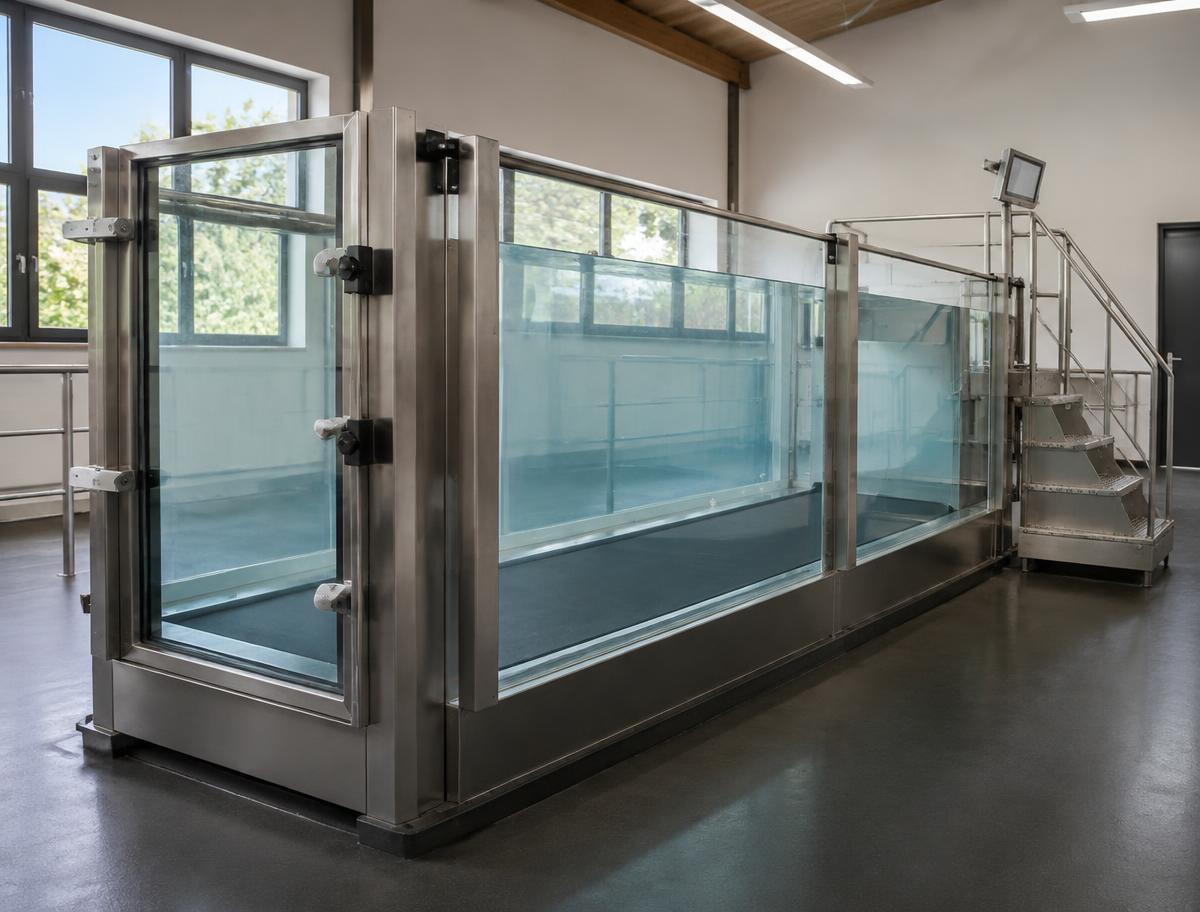 Placeholder image
Professional · Rehabilitation
Water treadmill for controlled, low-impact exercise in rehabilitation and conditioning programmes.
Price on request
Enquire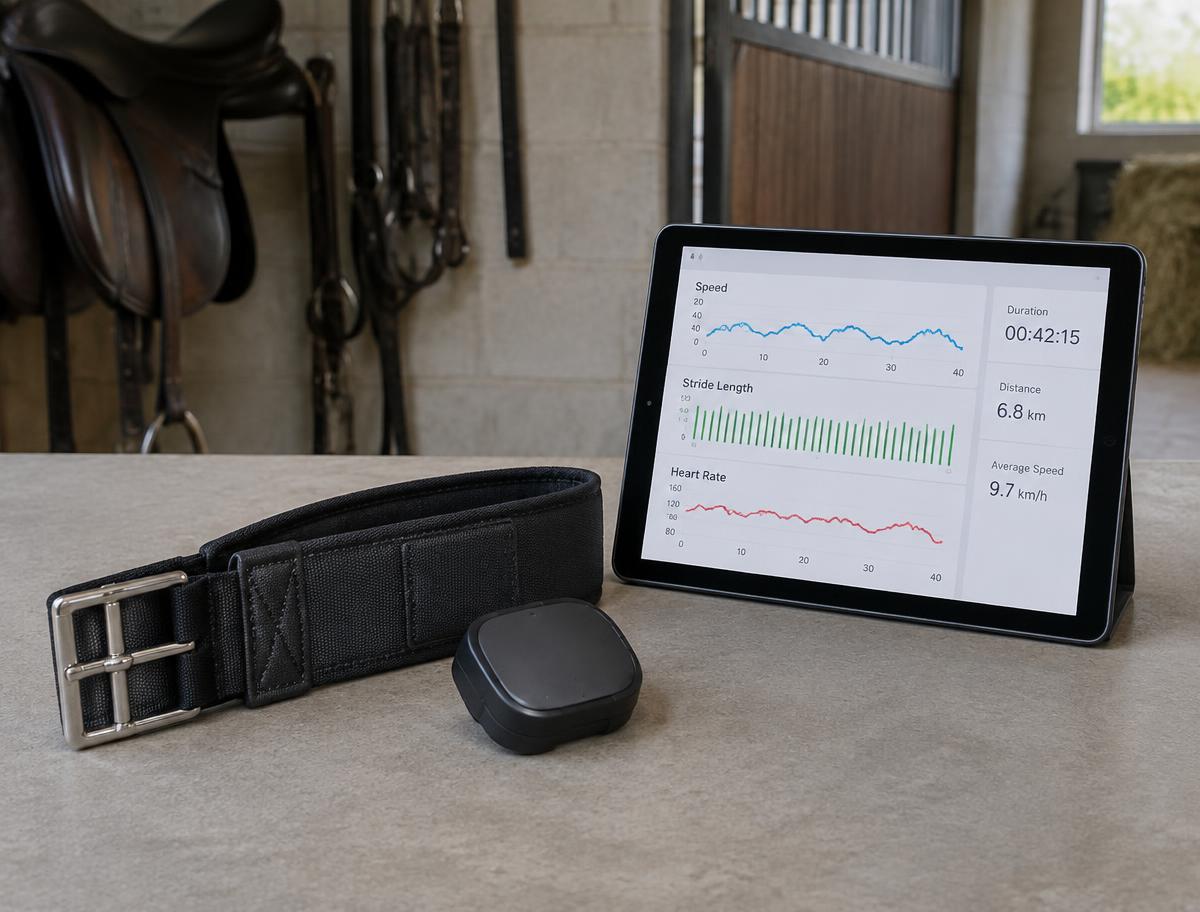 Placeholder image
Performance · Monitoring
Heart rate, speed and workload monitoring so training decisions are based on data rather than guesswork.
Price on request
EnquireThe Yard & Mane Edit
 Practical buying guide
Buying advice · Recovery
What you will learn: The main categories of recovery equipment and the questions worth asking before you buy.
Read guidePractical buying guideBuying advice · Conditioning
What you will learn: How each is used in a conditioning programme, plus space, surface and budget considerations.
Read guideHere to help
Specialist equipment can be a significant investment. If you are not sure which option suits your horse or your yard, talk it through with us.
Speak to a specialist
Questions about a product, or unsure what you need? Call us or send a message and a specialist will come back to you.