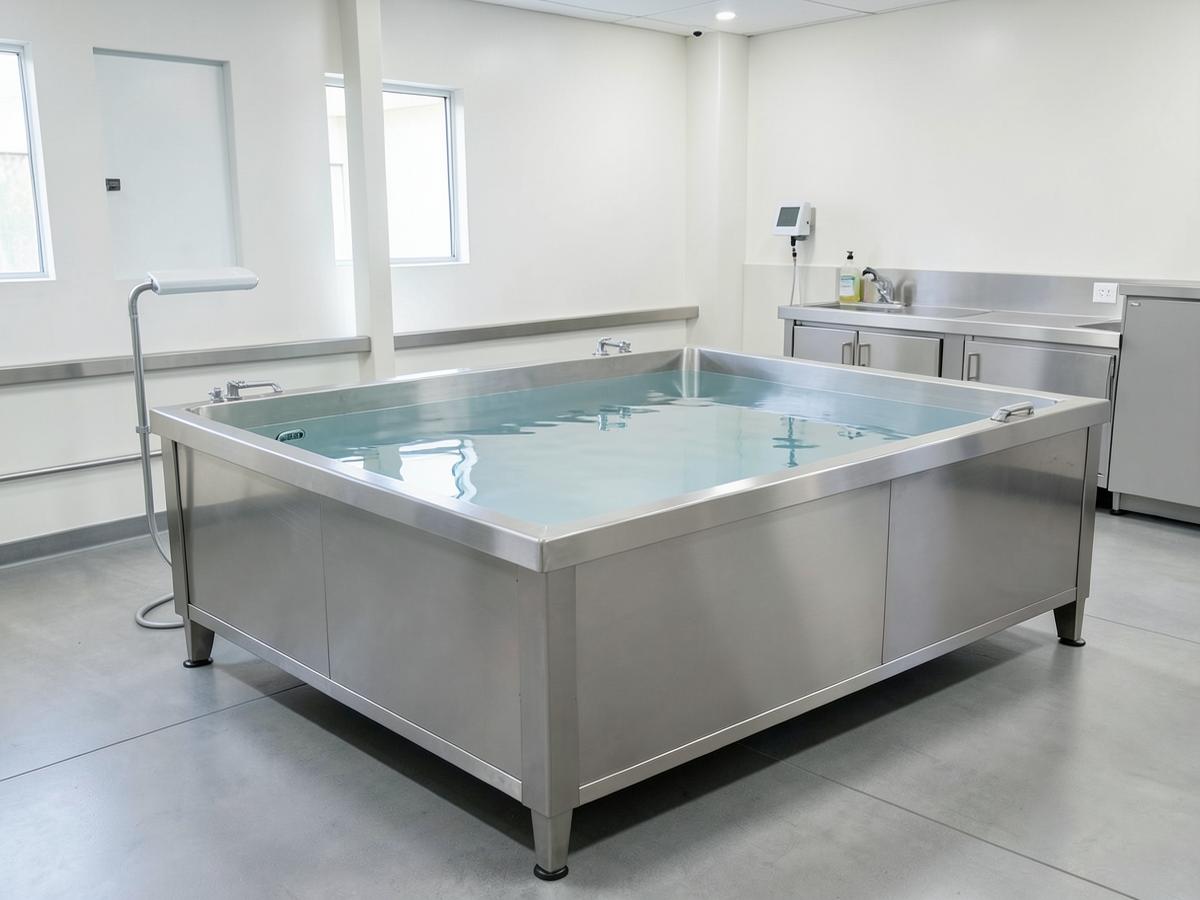
 Placeholder image
Professional · Therapy
Equine Spa
Cold saltwater spa used in professional yards and rehabilitation facilities for leg treatment.
Price on request
EnquireSpecialist equestrian equipment · Speak to a specialist
Buying guide
How to compare specialist equipment when the purchase runs to thousands of pounds.
Write down what you want to change about your routine, then compare only equipment that changes it. For anything fixed, treat groundworks, power and commissioning as part of the price, and check servicing and parts before specification.
Practical preparation
Gather these details first. They will rule out unsuitable options and make any quotation more useful.
Specialist equipment is easier to compare once you have written down what you want to change about your routine or your horse's programme.
For anything fixed, groundworks, power, drainage and commissioning belong in the budget from the start.
Ask who services the equipment, how quickly, and what parts availability looks like. On daily-use equipment this matters more than a headline specification.
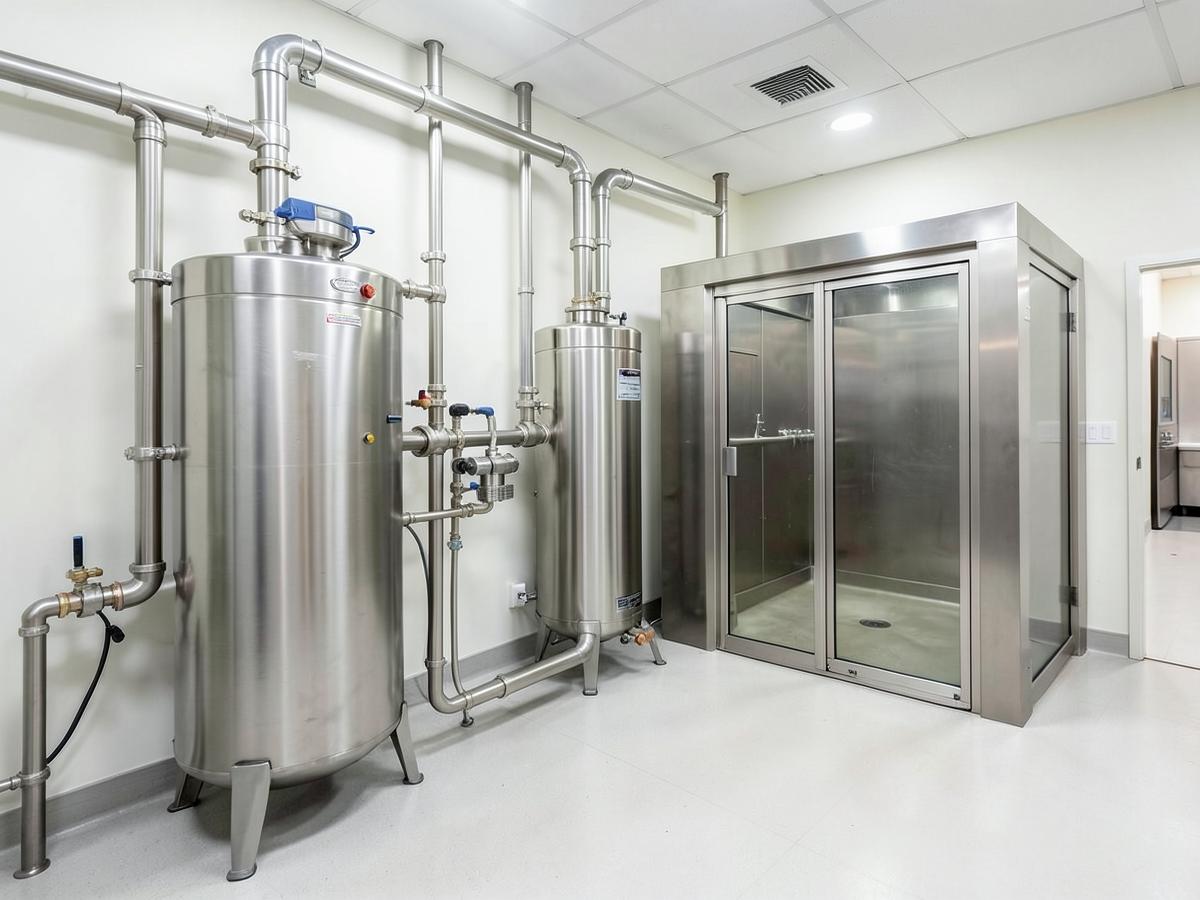
Tell us the horses, the yard and the routine, and we will narrow the options to the ones worth comparing.
The equipment itself is only one part of a specialist purchase. Compare the site preparation, delivery, installation, commissioning, training, servicing and consumables needed to keep it working. A lower headline figure can become the more expensive option if essential work is excluded or support requires long travel. Ask every supplier to describe the same complete scope so the quotations can be assessed on equal terms.
Equipment used by one experienced owner can be more complex than equipment shared by staff, clients or students. Think about supervision, cleaning, settings and record keeping. Controls should be understandable to the people using them and the routine should still work when the usual operator is away. If training is needed, confirm who receives it and what guidance remains on site afterwards.
For equipment used daily, service response and parts availability can matter more than an extra feature. Ask who handles the first call, whether remote diagnosis is possible and how planned servicing is arranged. These details should be confirmed for the actual manufacturer and model before an order is placed. Yard & Mane will not present generic warranty or support wording as though it applies to every product.
Common mistakes include choosing on features before defining the outcome, overlooking access for delivery, failing to budget for enabling work and buying capacity that does not match likely use. Another is assuming that specialist equipment will create a good routine by itself. The strongest purchases are usually the ones that fit an existing need, can be maintained locally and are simple enough to be used consistently.
Before you commit to significant equipment, ask what is included in the price, what site preparation you are responsible for, who carries out the installation, what training is given, what the servicing interval is, and how spare parts are obtained. Ask what happens if the equipment fails in its first season and who attends. Get the answers in writing. A supplier who is comfortable with those questions is usually the one to buy from. We would rather answer them before an order than have you discover the gaps afterwards, which is why specification, pricing and availability are confirmed in writing on enquiry.
With larger equipment such as an equine spa, a water treadmill or an advanced yard management system, the installation is part of the product. Site preparation, services, delivery access, commissioning and handover all affect whether the equipment does what you expected. Make sure the people who will actually use it are trained, not just the person who signed the order, and that the routine is written down for staff who join later. Agree in advance who signs off the installation and what constitutes completion. See professional performance for the wider range.
Specialist equipment is bought for years of use, so the support arrangement matters as much as the specification. Establish the servicing interval, who carries it out, the lead time on common parts and how a fault is reported. Keep the commissioning documents and service records together, since they matter for insurance and resale. Plan maintenance into the yard calendar rather than waiting for a failure during a competition season. We will set out the servicing and support arrangements for any specific item on enquiry, and we will tell you where a simpler piece of equipment would serve you better.
Before comparing models, be specific about the outcome: which horses, how often, run by whom, in which building. Larger equipment fails to earn its place when it is bought for an intention rather than a routine, and when nobody has agreed who operates it each day. Write the intended weekly use down and test it against your staffing honestly. If the routine does not hold up, a smaller purchase used properly is the better investment, and we would say so. Browse professional for the installed range and performance for equipment used in daily conditioning.
Significant equipment should be declared to your insurer, and any conditions about installation, servicing or supervision are worth reading before the equipment arrives rather than after a claim. Keep the commissioning documents, servicing records, manuals and training notes together, since they matter for insurance, for staff turnover and for resale value. Good records also make a fault easier to resolve, because the history is available. We provide the documentation for equipment we supply, and we confirm servicing arrangements and support on enquiry.
At this level the specification sheets converge and the differences move elsewhere. Ask who commissions the equipment and whether that person has done it before. Ask who you telephone when it stops working in December, and whether that is the same organisation that sold it. Ask how long the parts most likely to wear take to arrive, and whether they are held in the United Kingdom. Ask what the installation assumes about your building, and what happens if the site turns out to need more work. A supplier who answers those plainly is worth more than a slightly better specification with nobody behind it. We publish no manufacturer names, prices or lead times here, and confirm all of it in writing against a specific site on enquiry.
The most expensive equipment we see standing idle was bought for a yard with fewer staff than the routine required. Before committing, work out who operates each item on a normal week, who covers when that person is away, and how long training takes. Equipment that needs a competent handler for every session, such as a water treadmill or an equine spa, has a staffing implication that outlasts the purchase. Where several people share a routine, bringing it into one place with an advanced yard management system helps, but only if everyone is trained on it. Browse the professional performance range and tell us how the yard is staffed before you shortlist anything.
Serious equipment is specified against a site, not chosen from a page, so our process is deliberately slower than a basket. You tell us the horses, the routine, the building and who is on the yard. We ask for measurements and photographs, and often for a site plan. We then tell you what the building allows, what needs doing to it first, and which options are genuinely worth comparing, including the ones that cost less than you expected. Prices, lead times, specifications and warranty terms are confirmed in writing for the specific configuration rather than quoted from a list. If a purchase is not the right answer, we will say so. Telephone +44 7380 131007 or send the details through our contact page.
Write one sentence describing what should be different about the yard once the equipment is in. If that sentence is about time, staffing or routine, it will tell you more than any specification comparison, and it will often point at something smaller and cheaper than the item you started with. Then check the building, the power and the people against that sentence. We would rather have that conversation than take an order for the wrong thing.
Total installed cost, lead time, who commissions it, who services it and how quickly parts arrive.
Yes. Tell us the horses, the yard and the routine and we will narrow it to the options worth comparing.
Specialist equipment is specified to the site: horse numbers, building, services and installation all change the figure. Quoting before we understand those would be misleading.
For larger installed equipment a site check is normally the sensible first step, because it establishes what will fit and what preparation is needed.
Describe the horses, the routine, the building and who will operate it. If the routine will not support the equipment, we will tell you and suggest something that fits.
Who commissions it, who you telephone when it fails in December, how quickly wearing parts arrive, and what the installation assumes about your building.
Write one sentence describing what should be different about the yard afterwards, then judge every option against it. It often points at something smaller than where you started.
Equipment
Specification, pricing and availability are confirmed on enquiry.
Placeholder imageProfessional · Therapy
Cold saltwater spa used in professional yards and rehabilitation facilities for leg treatment.
Price on request
Enquire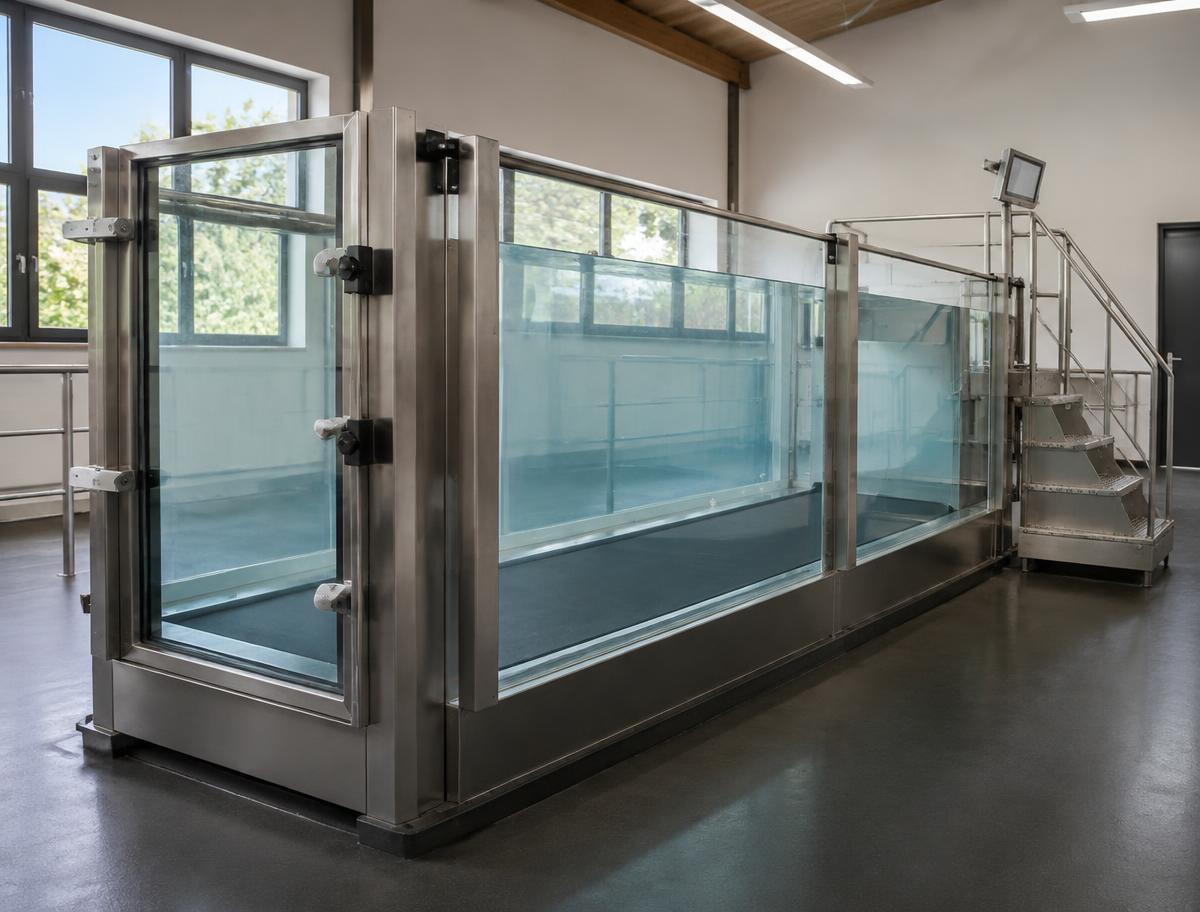 Placeholder image
Professional · Rehabilitation
Water treadmill for controlled, low-impact exercise in rehabilitation and conditioning programmes.
Price on request
Enquire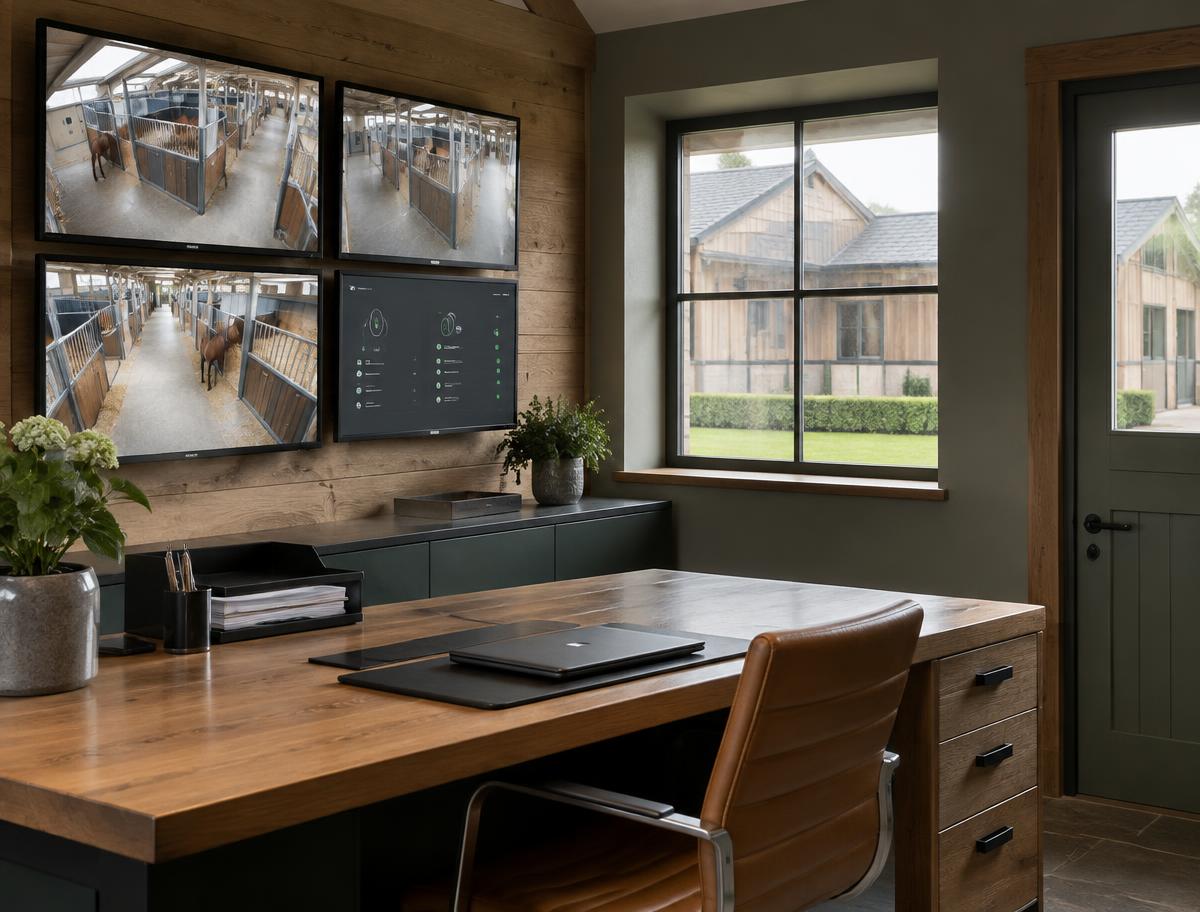 Placeholder image
Professional · Advanced Yard Systems
Facility-wide control and record keeping across feeding, exercise, monitoring and staffing routines.
Price on request
Enquire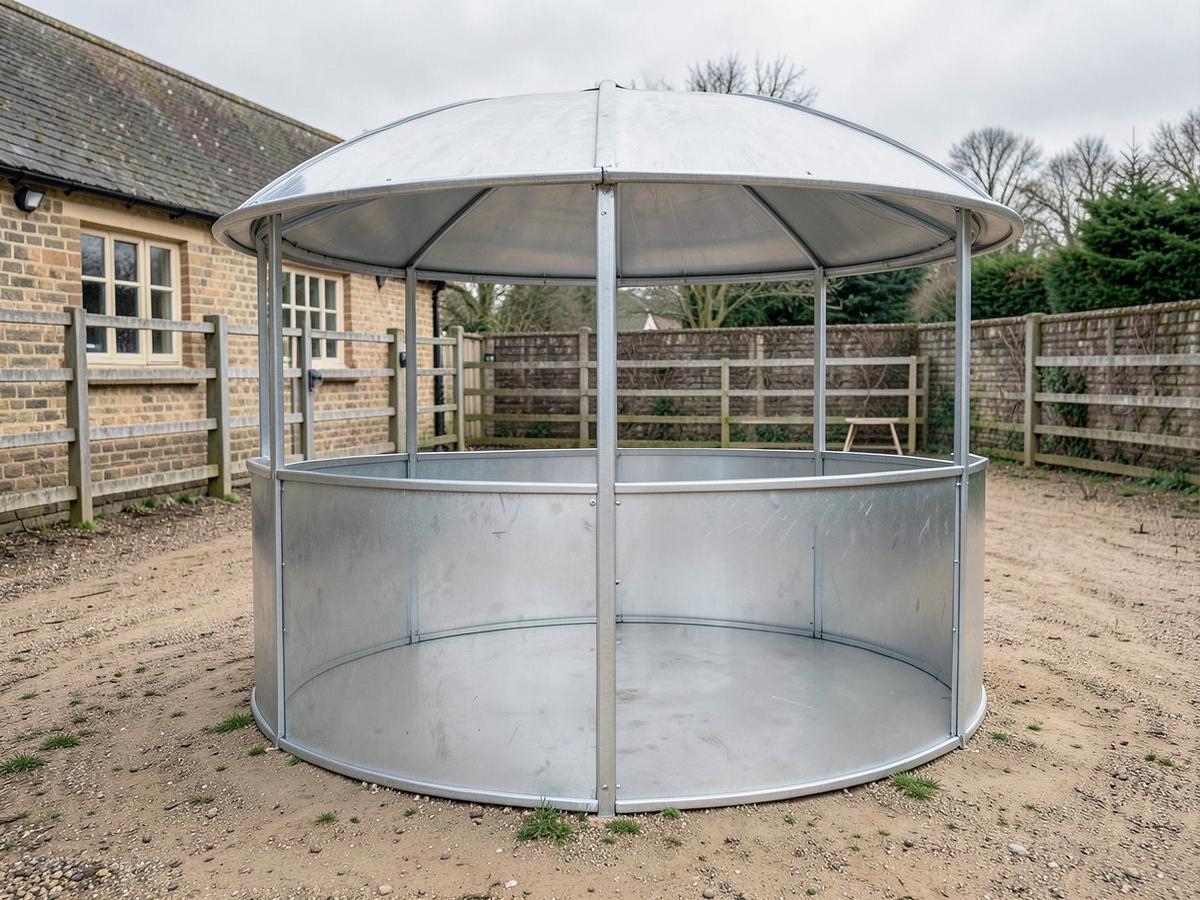 Placeholder image
Performance · Exercise
Covered horse walker for controlled daily exercise, warm-up and cool-down without a rider.
Price on request
EnquireHere to help
Specialist equipment can be a significant investment. If you are not sure which option suits your horse or your yard, talk it through with us.
Speak to a specialist
Questions about a product, or unsure what you need? Call us or send a message and a specialist will come back to you.