 Placeholder image
Horse Care · Drying
Horse Solarium
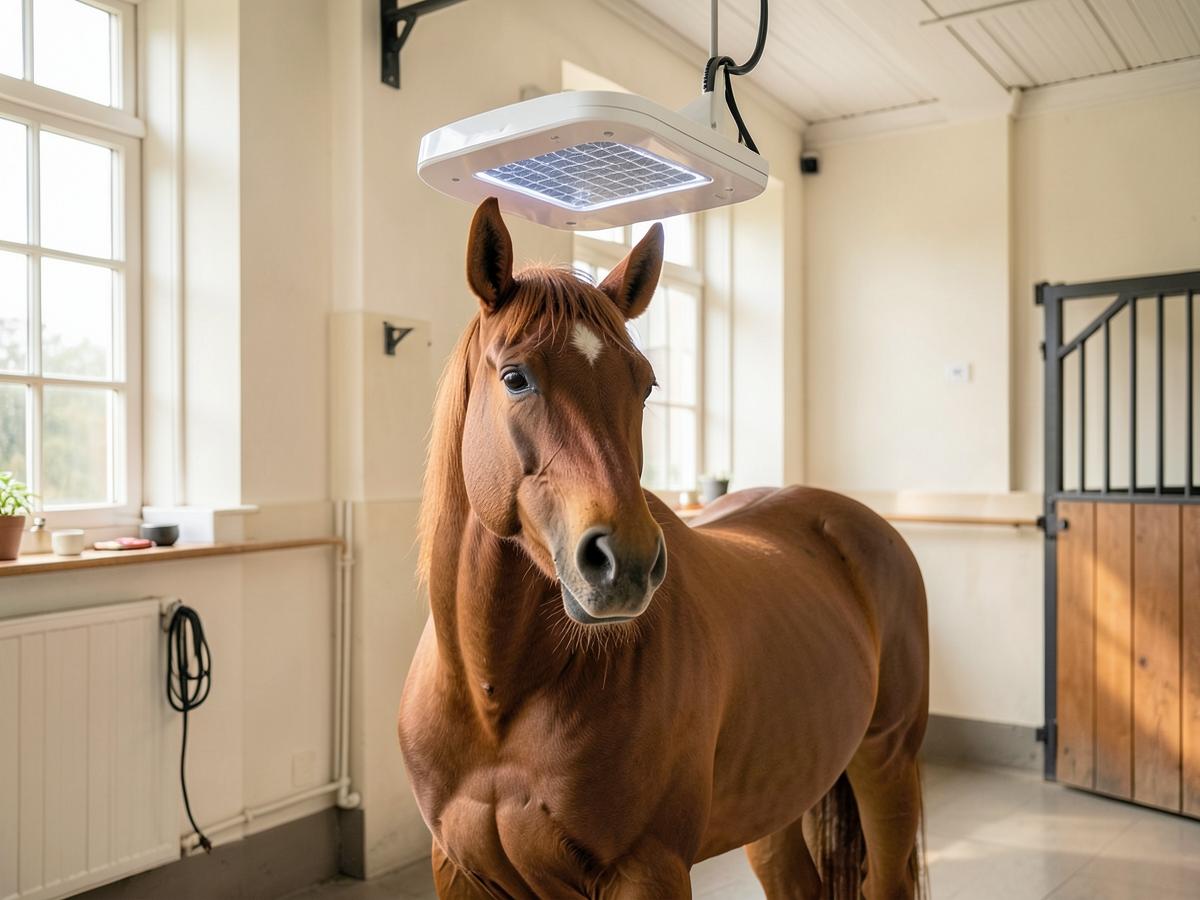
Overhead infrared solarium used to warm and dry a horse after washing, work or turnout in wet weather.
Price on request
EnquireSpecialist equestrian equipment · Speak to a specialist
Drying
What a solarium does, what it costs to run, the space it needs and the yards it genuinely suits.
A solarium is worth it if you wash or work horses through the winter and currently lose time waiting for them to dry. It suits a covered bay with adequate ceiling height and a suitable power supply. If you rarely wash a horse in cold weather, rug drying is usually the better first purchase.
Practical preparation
Gather these details first. They will rule out unsuitable options and make any quotation more useful.
A solarium uses overhead infrared warmth to dry a horse after washing or work, and to warm muscles before exercise. On a wet British yard the practical benefit is simple: a horse can be washed off in winter and be dry before it is rugged and turned back out.
The three things that decide whether a solarium suits you are ceiling height, power supply and where the horse will stand. A wash bay or a dedicated bay works better than a working stable. It is worth confirming all three before you look at models.
Solariums are used in short sessions rather than continuously, so the day-to-day cost tends to be modest compared with the time saved drying rugs and horses. The bigger commitment is the installation.
Owners washing horses through winter, competition yards, and anyone whose routine is currently built around waiting for a horse to dry.
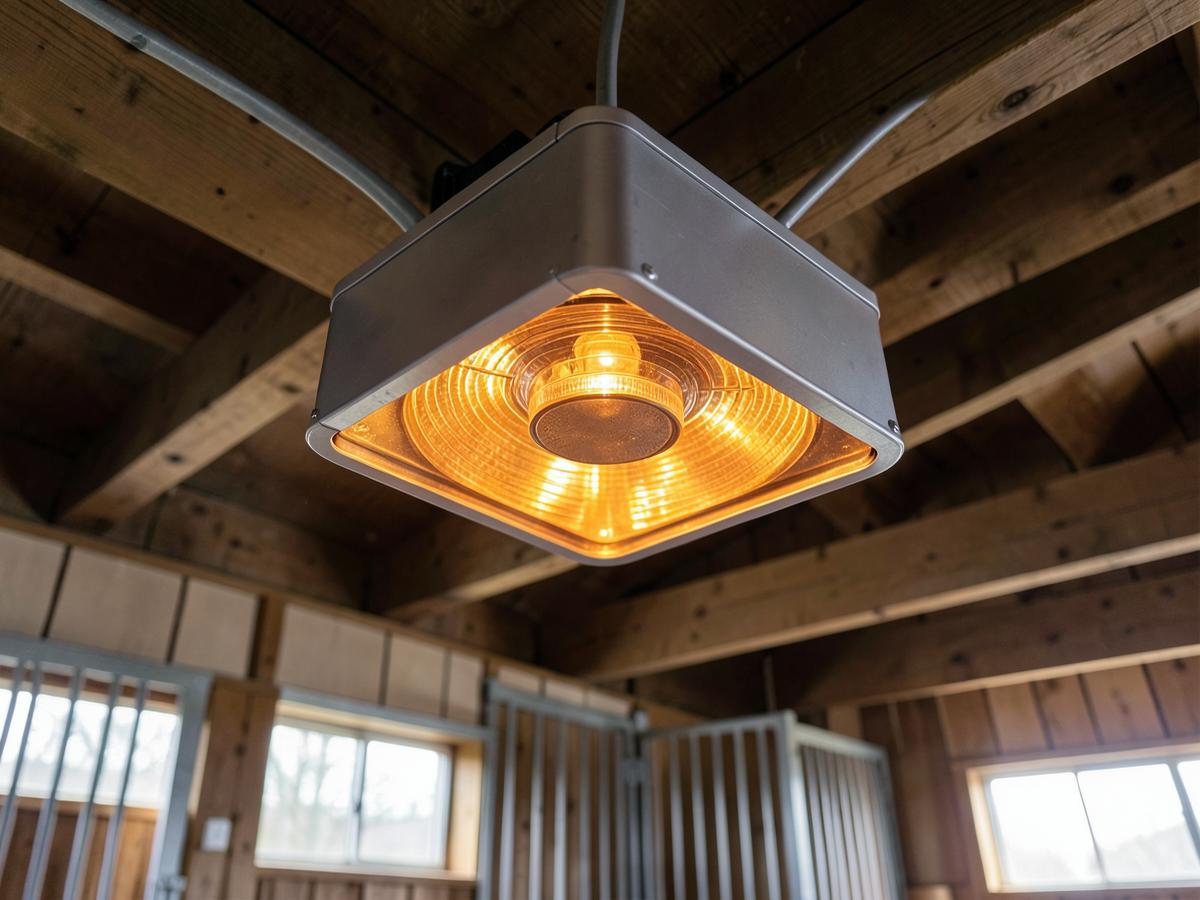
Most yards fit a solarium over a wash bay or a dedicated drying bay rather than a working stable. The horse needs to stand square and tied, with clear height above the withers and enough room either side for someone to work. A floor that drains and a non-slip surface matter as much as the unit itself, because the horse will often be wet when it stands underneath. If the bay is also used for clipping, tacking up or veterinary work, plan the lighting and power together rather than in stages.
Three things decide whether a particular unit can be fitted: the height available, the fixing point above the horse, and the electrical supply. Older stable blocks often have low tie beams or a roof structure that cannot take a fixed mounting without additional support, which is why we ask for photographs and measurements before quoting. Most units need their own circuit installed by a qualified electrician, and that work is usually easier to arrange at the same time as delivery than afterwards.
A fixed overhead unit suits a yard with a permanent wash or drying bay and is the simplest to use day to day. A mobile unit on a frame suits yards that cannot alter the building or that need to move it between bays, but it takes floor space and needs somewhere safe to stand when it is not in use. Wall-mounted units are a compromise where the roof cannot carry a fixed fitting. The choice usually follows the building rather than the budget.
Running cost depends on the number of horses, the length of each session and the tariff at the yard, so any figure quoted without those is guesswork. What we can say is that sessions are short rather than continuous and follow the manufacturer's guidance for the model fitted. In practice the day-to-day cost that matters most to owners is time: a solarium is bought to stop horses standing wet in a cold stable and to keep a winter routine moving.
If horses are rarely washed in cold weather but rugs come off wet most days, heated rug rails or a drying room usually change the yard routine more than a solarium would, for a smaller outlay. Many yards eventually own both, and choosing equipment that can share the same bay and the same power provision makes adding the second one straightforward.
A horse under a solarium should be tied so it can move its head but not reach the unit, on footing that is not slippery when wet, and never left unattended. Sessions follow the manufacturer's guidance for the model fitted rather than a habit picked up elsewhere, and the coat should be checked by hand rather than by the clock. Watch for horses that are worried by the noise or the warmth above them and introduce them gradually. Anything installed above a wet horse belongs on a suitably protected circuit fitted by a qualified electrician, with no trailing cables across the bay. We confirm the electrical and mounting requirements for a specific unit on enquiry.
The practical gain is time rather than luxury. Horses come in wet from work or turnout, stand in one place to dry, and are rugged dry instead of damp, which usually means less rug washing, fewer wet beds and a shorter evening. On a busy yard, drying in a dedicated bay also means the wash area is not blocked while a horse drips. Owners who plan the bay for both horse drying and rug drying get the most out of it, because the two problems arrive on the same evening. See the full horse care drying range for how those pieces fit together.
If your building cannot take a fixed unit, if you rent your stables, or if you need drying at competitions as well as at home, a portable horse dryer does much of the same work with no installation. The trade-off is handling: it has to be carried, positioned, plugged in and put away each time, and it needs a socket suited to a wet environment. Many owners start portable and fit a solarium later when a covered bay is built. If you are unsure which stage you are at, describe your building and your routine and we will say plainly which we would recommend.
The questions we ask are always the same, so gathering the answers first shortens the whole process. We need the height from the floor to the lowest beam above where the horse stands, the width of the bay, a photograph looking into the bay and a second looking up at the roof structure, the number of horses using it in a normal week, and whether there is spare electrical capacity at the board. If the bay drains, say where the water goes. If it does not, say that too, because it changes what we recommend. With that information we can tell you whether a fixed horse solarium suits the building, whether a mobile frame is the sensible alternative, or whether a rug drying system should come first. Without it, any recommendation is a guess, and a guess is an expensive thing to install above a horse.
The value shows up in the order of the jobs rather than in any one job. A yard without drying equipment works backwards from how long a horse takes to dry: horses are washed early or not at all, rugs go on damp, and the last person leaves late. With a bay that dries a horse, washing off after work stops being a decision and becomes routine, clipped horses can be rinsed in February, and rugs go back on dry. That is also why owners who fit one often add drying for rugs shortly afterwards, because the horse is no longer the slow part. If you want to see the full range before deciding, the drying category lists what we hold, and the comparison in our horse dryer versus solarium guide covers the choice between fixed and portable warmth.
Sessions are short rather than continuous. Most yards use them for a limited period after washing or before work, and follow the manufacturer's guidance for the model fitted.
Most units need a dedicated circuit installed by a qualified electrician. We confirm the requirement for a specific model before you order.
A dedicated or wash bay is usually better: it gives clear height, a horse standing tied and a floor that drains.
Drying a clipped horse before rugging is one of the common reasons yards fit one. Follow the guidance for the model, check the coat by hand, and get the horse into a dry, draught-free stable afterwards.
Photographs of the bay, the ceiling height, an idea of the electrical supply available and how many horses would use it. Specification, pricing and availability are then confirmed on enquiry.
Ceiling height above the horse, bay width, photographs of the bay and roof structure, horse numbers and whether there is spare electrical capacity. We work from that rather than from a model number.
Equipment
Specification, pricing and availability are confirmed on enquiry.
Placeholder imageHorse Care · Drying
Overhead infrared solarium used to warm and dry a horse after washing, work or turnout in wet weather.
Price on request
Enquire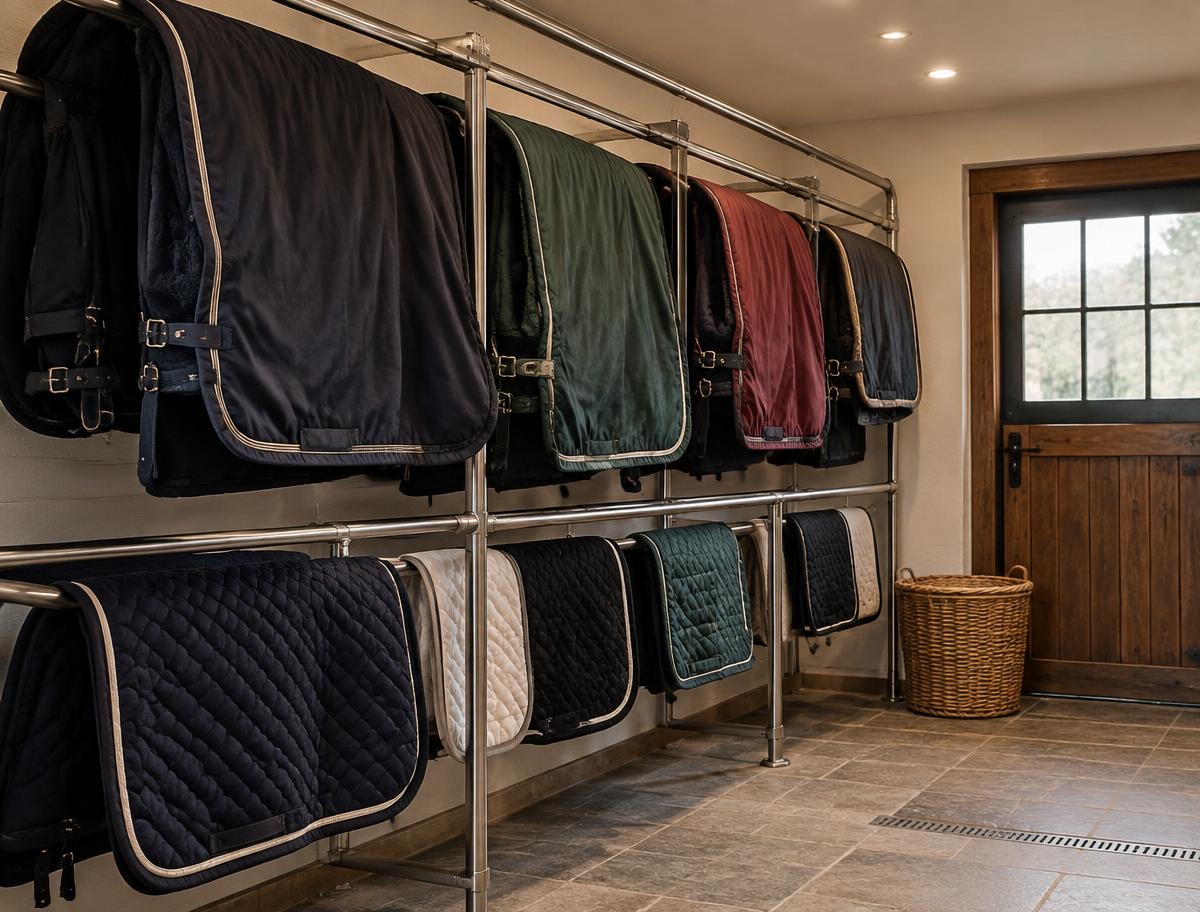 Placeholder image
Horse Care · Drying
Heated drying rails and airflow for rugs, saddle pads and boots through a wet winter.
Price on request
Enquire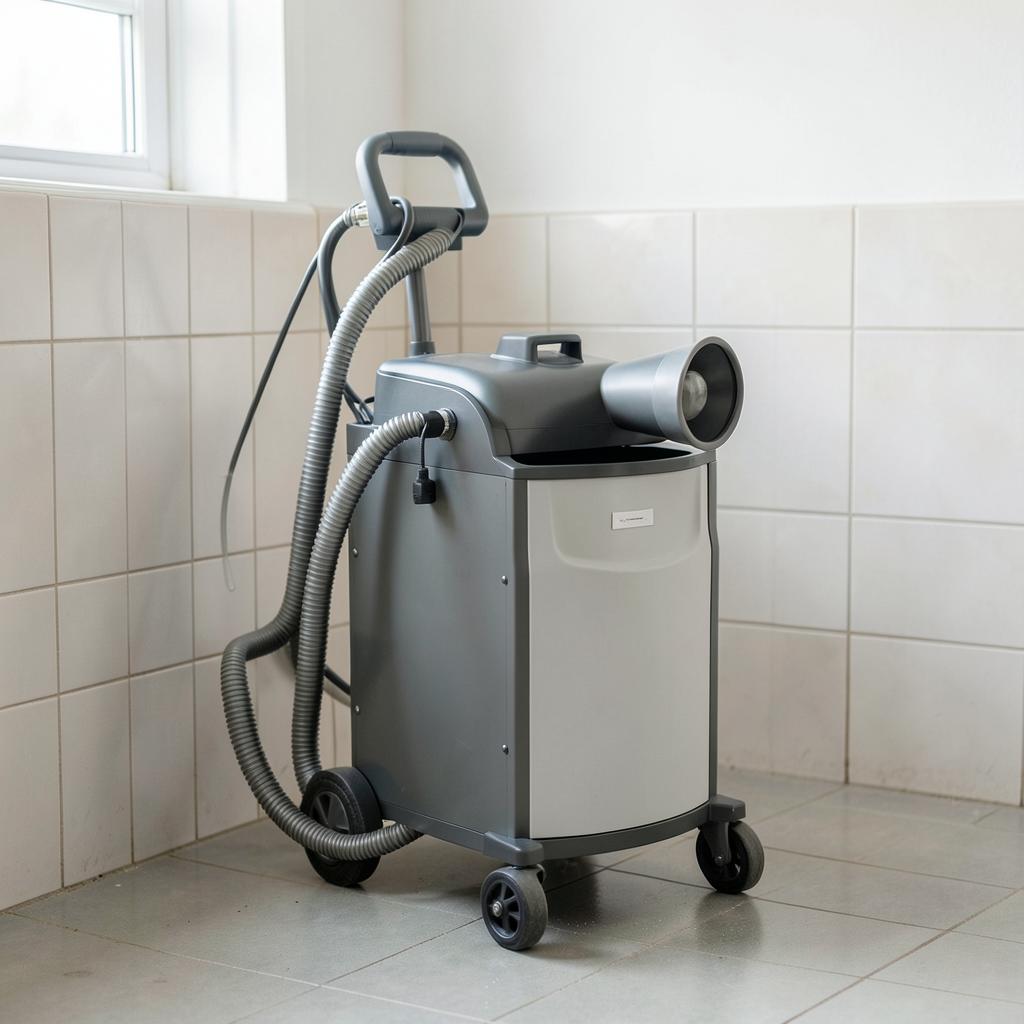 Placeholder image
Horse Care · Horse Dryers
Wheeled warm air dryer used to dry a horse off after washing, work or a wet day, without fitting anything to the building. It moves between stables and wash areas and stores away between uses.
Price on request
EnquireThe Yard & Mane Edit
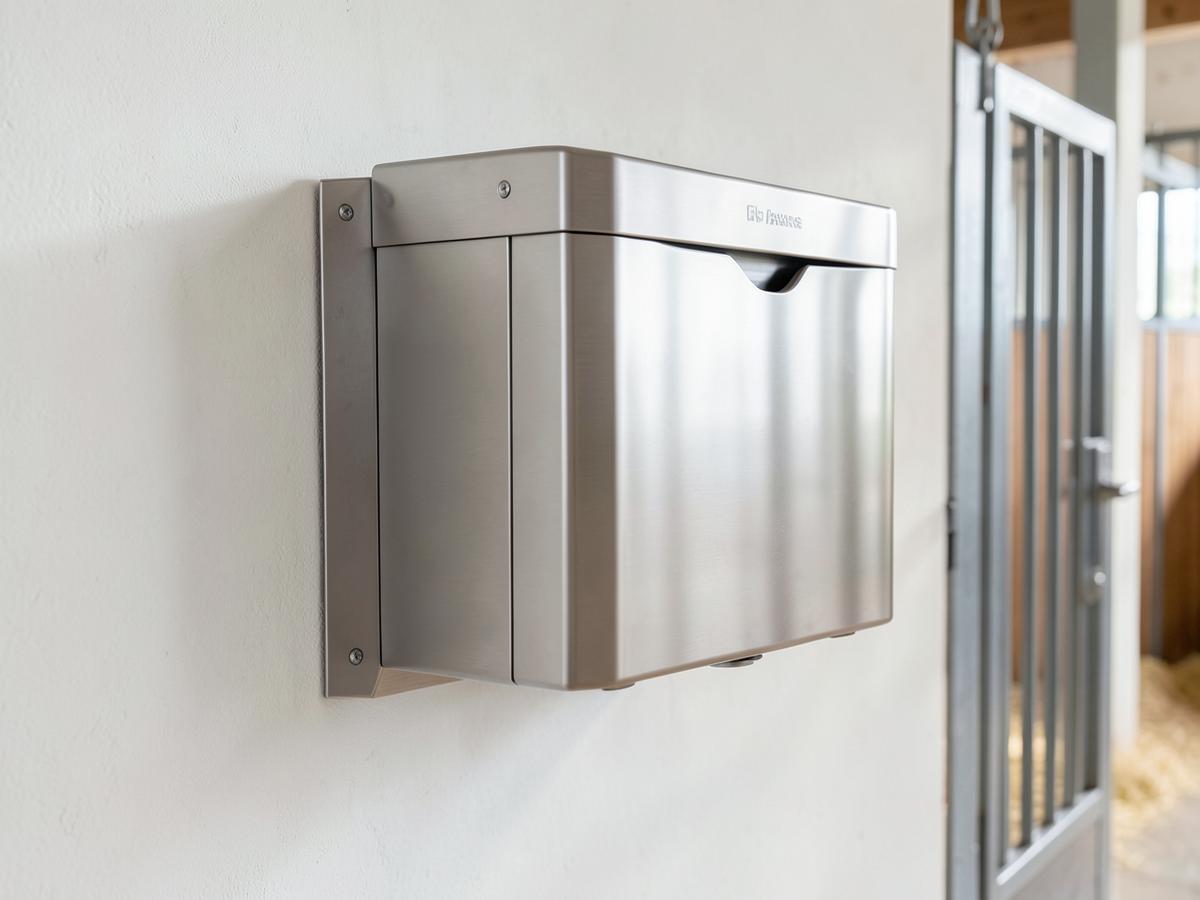 Practical buying guide
Buying advice · Feeding
What you will learn: Single-stable feeders through to whole-yard systems, and how to work out which suits your routine.
Read guidePractical buying guideBuying advice · Drying
What you will learn: Solariums, horse dryers and rug drying rooms compared for real British winters.
Read guide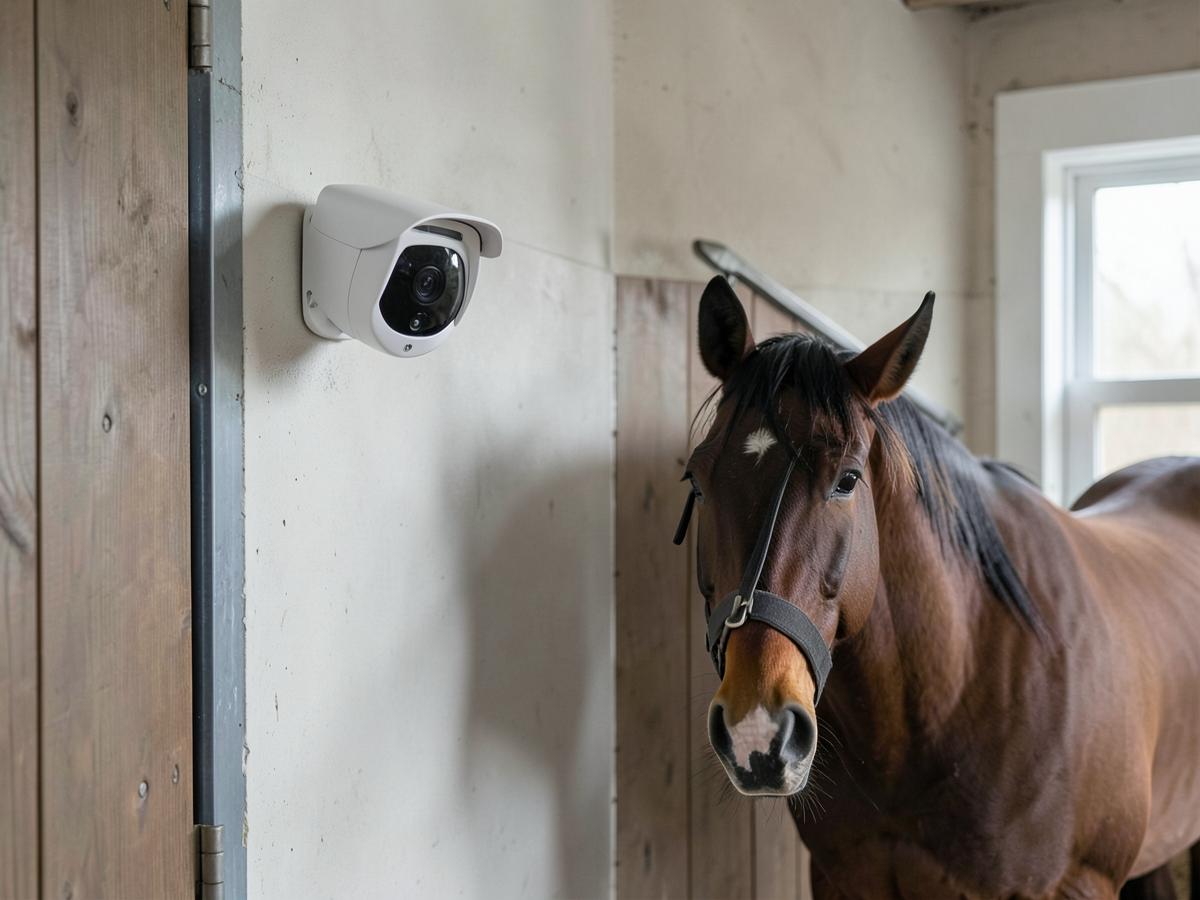 Practical buying guide
Buying advice · Monitoring
What you will learn: Stable cameras, movement alerts and vital-sign monitoring, and what each is realistically good for.
Read guideHere to help
Specialist equipment can be a significant investment. If you are not sure which option suits your horse or your yard, talk it through with us.
Speak to a specialist
Questions about a product, or unsure what you need? Call us or send a message and a specialist will come back to you.