Drying

Horse dryer or horse solarium: what is the difference?

The two ways of drying a horse in winter, what each needs from your building, and which suits a private yard.

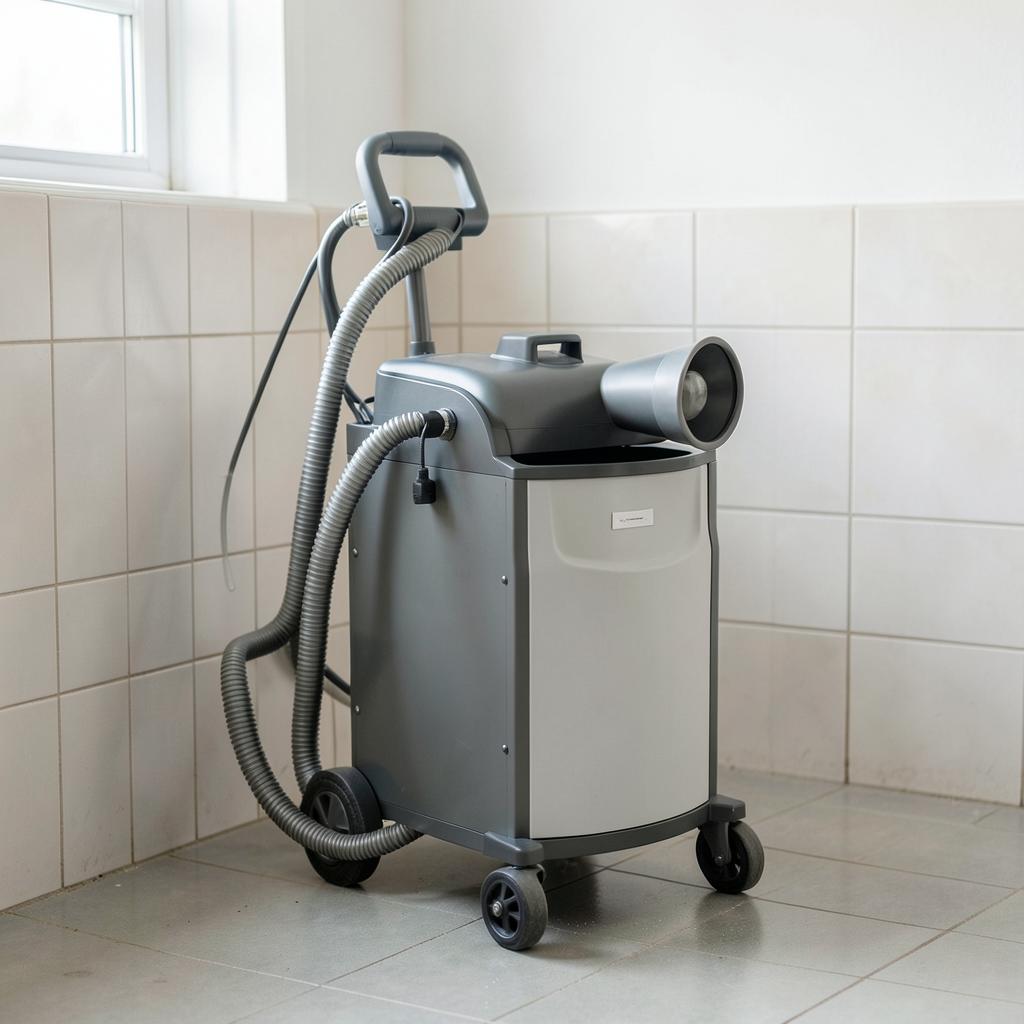
Portable warm air horse dryer on wheels with a flexible hose and nozzle in a tiled wash area
Illustrative equipment image for this buying guide. It does not represent a confirmed manufacturer product.

The short answer

A portable horse dryer moves warm air over a wet horse and can be taken where it is needed, which suits owners without a permanent bay. A fixed horse solarium hangs above the horse and suits a yard that washes and works horses regularly in a dedicated space. If wet rugs are the real problem, a rug drying system usually changes the routine more than either. All three sit in horse care drying.

Practical preparation

Before you compare equipment

Gather these details first. They will rule out unsuitable options and make any quotation more useful.

  • Record how often horses are washed or return wet during winter.
  • Measure available headroom and photograph the roof, floor and power position.
  • Decide whether equipment must move between boxes, yards or competitions.
  • Check whether wet rugs, rather than wet horses, are the larger daily problem.

Two different pieces of equipment

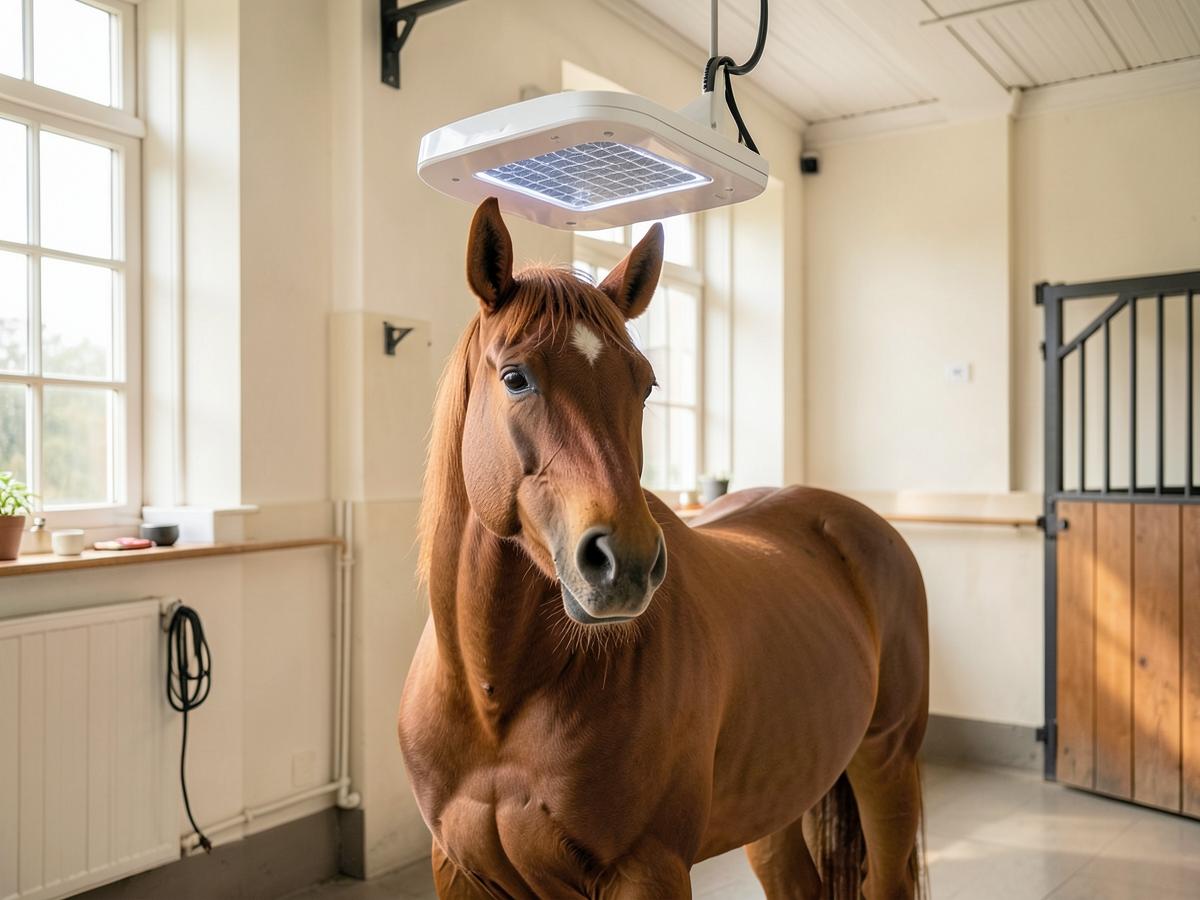
A solarium is fitted above the horse and warms from overhead in a fixed bay. A dryer blows warm air over the horse through a hose and can be wheeled between stables. Both are bought for the same reason: a wet horse on a cold yard.

What each needs from the building

A solarium needs clear height, a sound fixing point and a dedicated electrical circuit. A portable dryer needs a suitable socket and somewhere dry to store it. If your building cannot take a fixed unit, that usually decides the question.

Which suits which yard

One or two horses washed occasionally: a dryer is normally enough. Horses washed most days, or a covered wash bay already in place: a solarium earns its keep and is quicker to use.

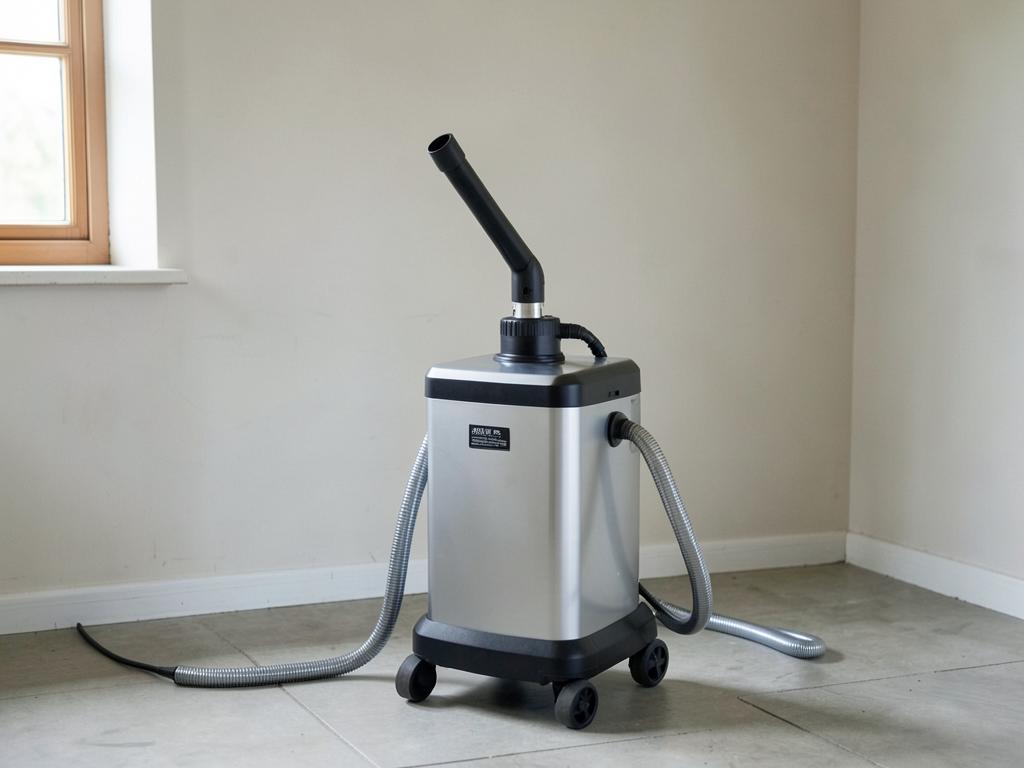
Portable equine warm air dryer on wheels with a flexible hose in a stable
Generic supporting image showing the type of equipment discussed.

Do not forget the rugs

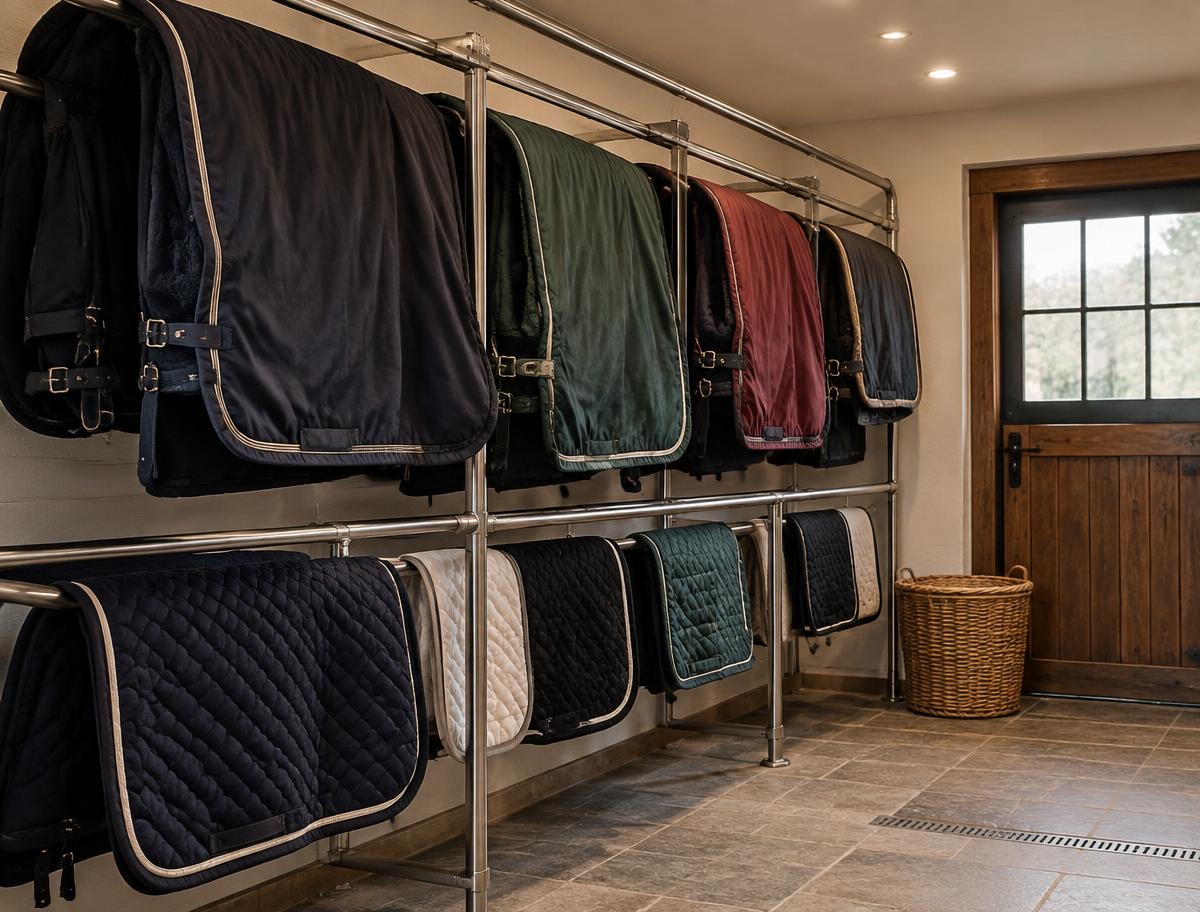
Neither piece of equipment dries rugs. If damp rugs are your real problem, heated rails or a drying room will change the routine more than either option.

Start with what is actually wet

Owners usually describe the same winter problem in three different ways: the horse comes in wet, the horse is wet after washing, or the rugs never dry. They are separate purchases. A wet coat after work or washing points to a dryer or a solarium. A soaked rug points to heated rails or a drying room, because no amount of drying the horse helps if it goes back under a damp rug. A yard that struggles with all three normally solves rugs first, since that is the item that has to be reused the next day, then adds horse drying to the same bay when power and space allow.

What each one asks of the building

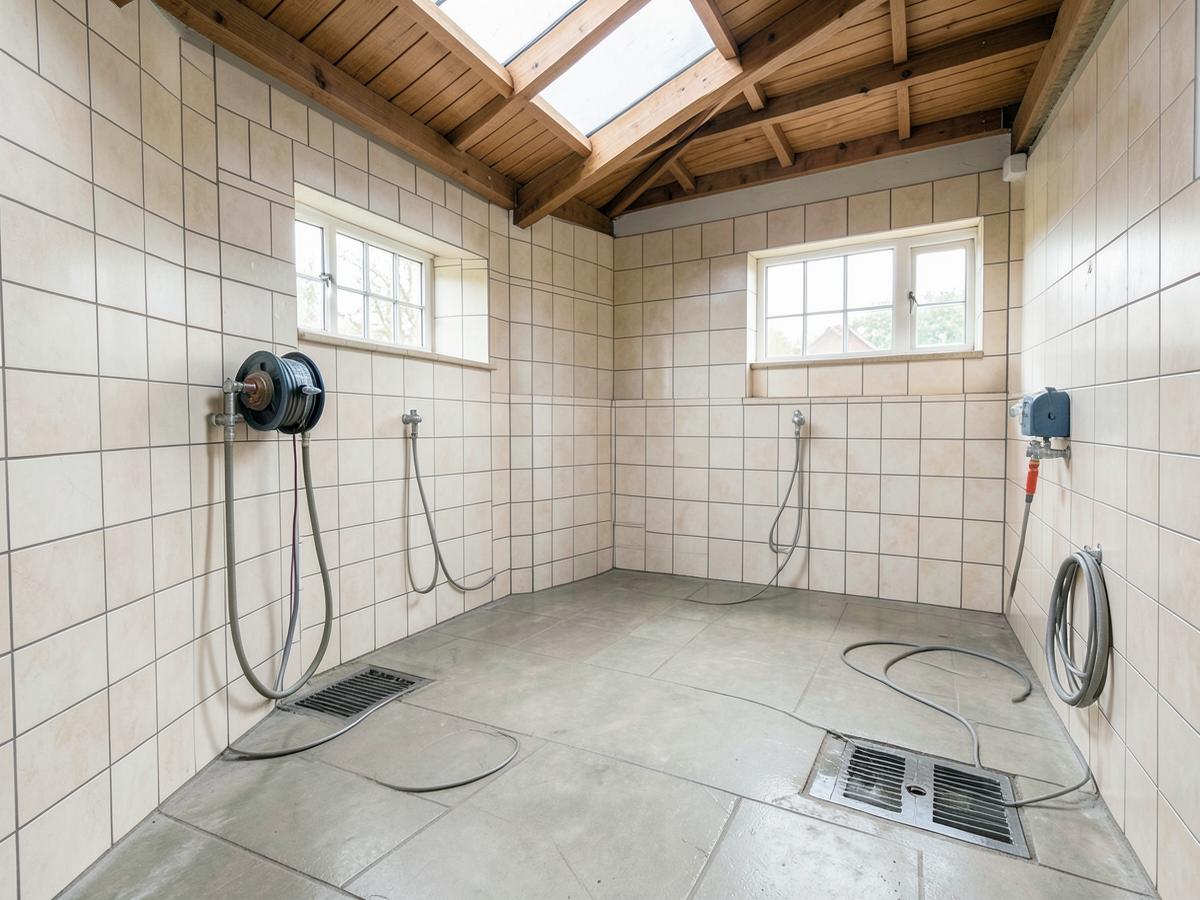
A solarium is a fitted item. It needs clear height above the withers, a fixing point or frame that can carry it, a floor that drains, and, in most cases, its own electrical circuit installed by a qualified electrician. That is why we ask for measurements and photographs before quoting. A portable dryer asks less of the building but still needs somewhere safe to stand, a socket you are happy to use around water, and cable runs that are not across a walkway. If your stable block has low beams, shared circuits or no covered bay at all, the portable route is often the only realistic first step. See wash and drying for the fitted side of this.

How each is used day to day

A solarium suits a routine where the horse is already being brought to one place: washed off after work, dried before rugging, standing tied while someone else works. Because it is fixed and overhead, it needs no setting up, which matters when the yard is busy. A dryer is brought to the horse, so it fits owners who use different stables, travel to competitions or share a yard where nothing can be fitted. It does mean carrying, plugging in, positioning and putting away each time. Neither should be left running unattended, and neither replaces good rugging and a dry, draught-free stable afterwards.

Cost, and what we will not pretend to know

Purchase cost, installation cost and running cost are all decided by the model, the building and your electricity tariff, so we do not publish figures we cannot stand behind. What we can say is where cost tends to sit. A portable dryer is a smaller outlay with no groundworks. A fitted solarium involves the unit, the mounting and the electrical work, and it is far cheaper to arrange that work in one visit than in stages. Running cost is driven by session length and the number of horses. Tell us your horse numbers and your building and we will price the whole job rather than the box.

Safety around water and electricity

Everything in this category is used near a wet horse, so the wiring matters as much as the equipment. Fitted units should be installed on a suitable protected circuit by a qualified electrician, positioned so the horse cannot reach them and so nothing hangs where a headcollar can catch. Portable units need undamaged cables, a socket suited to a wet environment and a stand that will not tip if a horse moves. Keep a horse tied but able to move its head, never leave it unattended under drying equipment, and check the coat by hand rather than by the clock. We confirm the electrical requirement for any specific model before you order.

Which one suits which yard

One or two horses at home, no covered bay, occasional washing: a portable dryer, and heated rug drying if rugs are the sticking point. A yard washing horses through the winter with a covered bay and a workable roof structure: a fitted solarium, sized to the bay. A competition or livery yard drying several horses a day: fitted drying in a dedicated bay, plus rug drying, because the equipment is in use back to back. Professional and rehabilitation yards often add equine therapy equipment alongside, and that is a separate conversation about workload rather than about drying.

Getting the bay right before you order anything

If you expect to end up with both a dryer and rug drying, plan the space once. A bay that drains, has a non-slip floor, gives someone room to work either side of the horse, and has enough power provision for a second item later will save money and disruption. Think about lighting at the same time, since drying in winter happens in the dark. Photographs, a ceiling height, a floor plan and your horse numbers are enough for us to tell you what will fit and what will not. Ask for that check before you commit to a piece of equipment, not after.

Which one fits your building

The building usually decides this before preference does. A fitted horse solarium needs height above the withers, a roof structure that can carry a mounting or be supported so it can, a bay that drains, safe footing and its own circuit fitted by a qualified electrician. A portable horse dryer needs a safe socket, somewhere to stand out of the way and somewhere dry to live between uses. If you rent your yard, cannot alter the roof, or dry horses in different places depending on the weather, the portable answer is not a compromise but the correct one. Send photographs, a ceiling height and your horse numbers and we will tell you which the building allows.

Where rugs come into it

Both options dry the horse and neither dries the rug, which is why yards that buy either often add a rug drying system within the same winter. If the honest bottleneck on your yard is rugs going back on damp rather than horses standing wet, buy rug drying first and revisit the horse side afterwards; it is cheaper, simpler to install and removes more daily friction. The drying category lists all three together so the decision can be made once, and our drying systems guide sets out the order most yards should buy in.

Sizing up the wash side as well

Whichever drying option you choose, the washing arrangement in front of it usually decides how often either gets used. A yard where washing means a hose in a cold corner will not wash horses in February regardless of what is fitted above them. If the wash side is the weak link, look at the wash and drying range and treat the bay as one project: drainage, safe footing, power, warmth and somewhere for rugs. Doing it once is cheaper than three separate visits, and it is the difference between equipment that is used all winter and equipment that is used twice.

Frequently asked questions

Is a portable horse dryer as good as a solarium?

They do related but different jobs. A dryer can be taken where it is needed; a fitted solarium suits a dedicated bay and a busy routine with no setting up. The better choice depends on your building and how often horses are washed.

Do I need an electrician?

Fitted equipment normally needs a dedicated, suitably protected circuit installed by a qualified electrician. Portable units use an existing socket, which still needs to be appropriate for a wet environment.

Can I dry rugs with a horse dryer?

Rugs dry far better on heated rails or in a drying room designed for the job. If wet rugs are your main winter problem, look at rug drying first.

How long does drying a horse take?

It depends on the coat, how wet the horse is, the air temperature and the equipment. Check the coat by hand and follow the manufacturer's guidance for the model fitted rather than a fixed time.

Is a portable dryer a compromise?

Not where the building cannot take a fixed unit or horses are dried in different places. In those cases it is the correct answer rather than a lesser one.

Should I sort the wash bay before buying drying equipment?

If washing currently means a hose in a cold corner, yes. Plan the bay as one project so drainage, footing, power and drying are done in a single visit.

Equipment

Equipment covered in this guide

Specification, pricing and availability are confirmed on enquiry.

Portable warm air horse dryer on wheels with a flexible hose and nozzle in a tiled wash areaPlaceholder image

Horse Care · Horse Dryers

Portable Horse Dryer

Wheeled warm air dryer used to dry a horse off after washing, work or a wet day, without fitting anything to the building. It moves between stables and wash areas and stores away between uses.

Price on request

Enquire
View product

Here to help

Need help choosing?

Specialist equipment can be a significant investment. If you are not sure which option suits your horse or your yard, talk it through with us.

Speak to a specialist

+44 7380 131007

Questions about a product, or unsure what you need? Call us or send a message and a specialist will come back to you.