 Placeholder image
Horse Care · Feeding
Automatic Stable Feeder
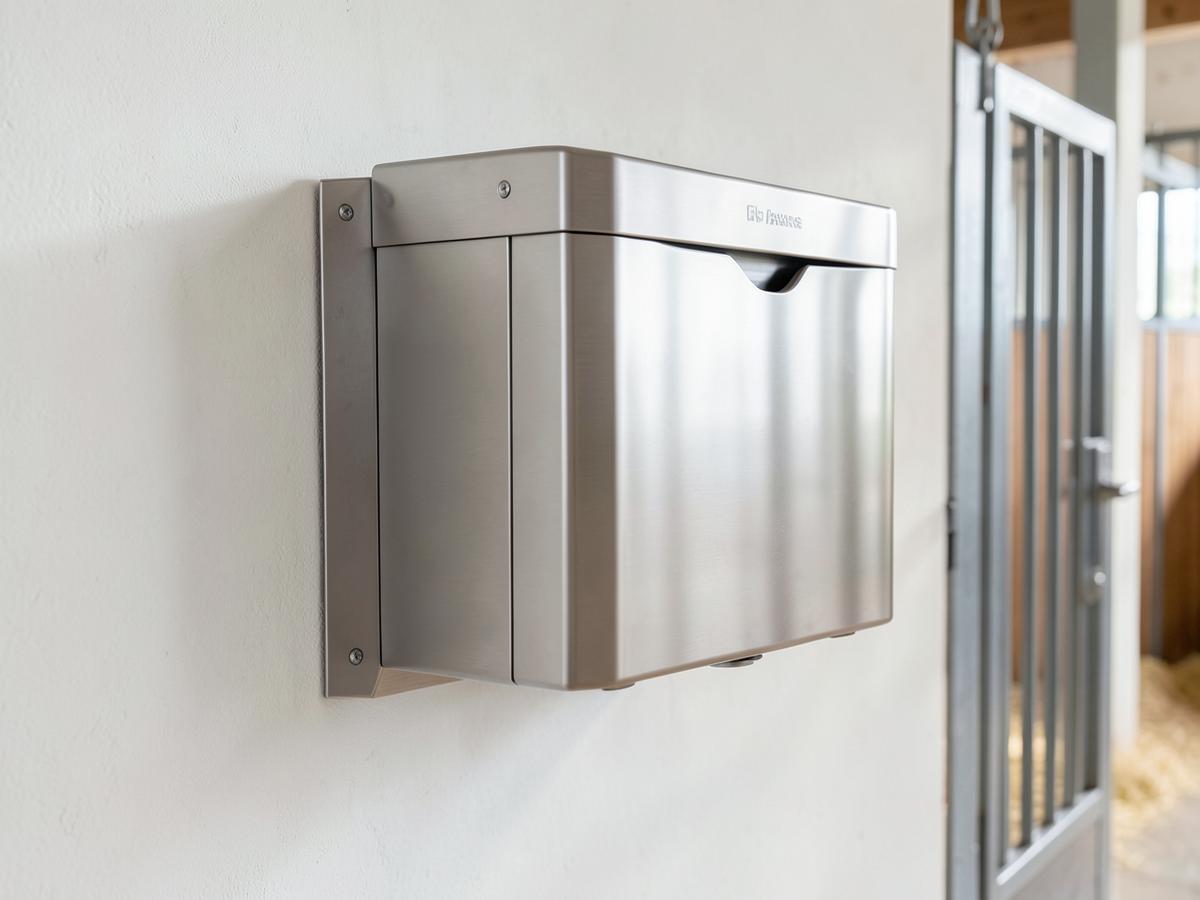
Single-stable automatic feeder that divides hard feed into timed portions across the day.
Price on request
EnquireSpecialist equestrian equipment · Speak to a specialist
Feeding
Single-stable feeders through to whole-yard systems, and how to work out which suits your routine.
For one to three horses, a single stable feeder that handles your number of daily feeds and cleans easily is normally enough. Beyond that, a centrally controlled yard system is easier to manage because rations are set per horse in one place.
Practical preparation
Gather these details first. They will rule out unsuitable options and make any quotation more useful.
The question is not which feeder is best, but how many feeds a day you want to give and who is on the yard when they happen. A late feed is the most common reason owners look at automation.
A single feeder suits one to three horses and is straightforward to fit. Beyond that, a centrally controlled system usually makes more sense because rations are set per horse in one place.
Look at hopper capacity against your feed volume, how easily the unit cleans, and how it behaves in a power cut. Ask how the feeder is secured in a stable with a determined horse in it.
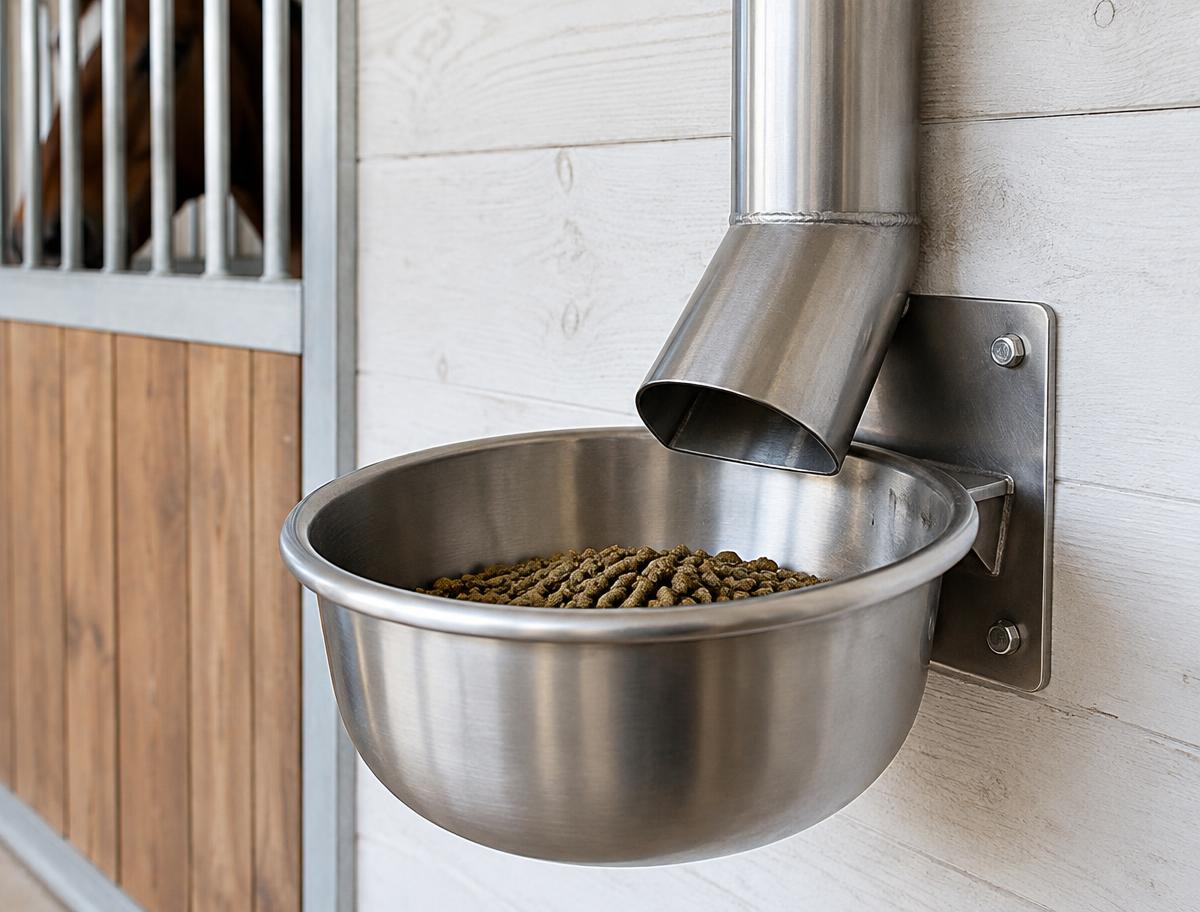
A single stable feeder is fitted to one box and programmed on the unit. It suits one to three horses and is the simplest thing to fit, move and maintain. A yard system holds the rations centrally and delivers to multiple stables, which is easier to manage once numbers rise because feeds are changed in one place rather than box by box. The crossover point is usually less about horse numbers and more about how many people handle feeding and how often rations change.
Many units are designed for dry feed and will not handle soaked feed, chaff-heavy mixes or forage reliably. Damp feed is the most common cause of a feeder that jams or needs constant cleaning. Tell us what you actually feed, including balancers and supplements, and we will only show you units suited to it. A feeder that will not take your ration is a poor purchase regardless of how well it is made.
The mechanism matters less than the housing and the fixing. A determined horse will test a feeder, so it needs to be mounted at a sensible height, protected from chewing, and positioned so a wet or windy corner of the stable does not spoil the feed. Cables and any external hopper need to be out of reach. Installation is straightforward on most yards, but it is worth planning the position with the horse in mind rather than the convenience of the wiring.
Systems differ in what happens when the power goes off. Some hold the programme and resume, some need resetting, and some hold a battery backup for the clock only. Ask this before buying, especially on rural yards. It is also worth agreeing what your fallback is on a bad night: automatic feeding should reduce the number of late trips, not create a routine that fails silently when the electricity does.
An automatic feeder deals with hard feed, which is the smaller part of most rations. If a horse is standing with nothing to eat for hours, dividing the concentrate into more portions helps less than changing the forage arrangement. That is why yards often pair a feeder with a slow feeder or a covered hay feeder so there is something in front of the horse across the gaps. Solve forage first, then use timed hard feeding to remove the meals that only exist because of the human timetable. Both sit together in horse care feeding.
The commonest complaint about any automatic feeder is a blockage, and it is nearly always related to feed type and cleaning. Damp mixes, chaff and anything that packs down behave differently from dry cubes, so tell us what you feed before choosing a unit. Whatever you fit, plan to empty and clean it regularly rather than topping it up indefinitely, keep the hopper closed against vermin and check portions by weight when you first set it up. A feeder is a labour saver, not an excuse to stop looking: a horse that has not eaten is information you want the same day, not two days later.
Ask what the unit needs to run and what it does when that is interrupted. On a single stable, a simple, reliable timed unit is often better than a connected one. On a yard, remote setting of portions across several stables is what saves real time, and that usually depends on a workable network in the buildings. Check the signal where the equipment will actually be, not at the house. Also agree the manual fallback: someone must be able to feed by hand without fighting the equipment. We confirm power, connectivity and fallback arrangements for a specific model on enquiry.
Most horses accept timed feeding quickly, but the first week is worth doing carefully. Set the unit running while you are on the yard so you can see how the horse reacts to the noise and how much it drops, and keep the ration and the feed itself unchanged so you are only altering the timing. Watch a nervous horse settle before you rely on portions being delivered while you are out, and check the delivered weight rather than assuming it. If a horse guards the manger or bangs the unit, move the position before changing the equipment. Tell us how your horses are fed and we will suggest a sensible way to introduce it.
A single-stable unit suits a horse whose feeding differs from the rest, such as one on box rest or a poor doer, and it can be moved. A block-wide arrangement earns its place when portions differ across many stables and several people share the feeding, which is when writing and setting rations centrally saves real time. The deciding factor is usually people rather than horses: the more hands involved, the more value there is in the ration being set once. See yard feeding systems for the multi-stable approach.
Five questions separate a feeder that lasts from one that becomes a job in itself. How is it fixed, and will that fixing hold against a horse that leans on it? How does it behave after a power cut, and does it hold the programme or lose it? How long does it take to clean properly, given that damp feed residue is what spoils units? How are portions set, and can a helper follow the method without you there? And who supplies the parts most likely to wear? We answer all five for a specific unit on enquiry rather than in print, because the honest answer differs by model. If you are choosing between one stable and the block, compare a single automatic stable feeder against a yard feeding system.
A timed feeder handles hard feed. It does not solve the longer gap that causes most of the behaviour owners want to fix, which is forage running out hours before anyone returns. That is a separate job, usually answered by a slow feeder or a hay feeder that slows intake and keeps the horse eating for longer. Yards that get the best result from automation nearly always do both: the feeder covers the timing of the hard feed, and the forage arrangement covers the hours in between. Our slow feeder guide covers the forage half, and the feeding category lists both sides so you can plan them together rather than discovering the gap after the feeder is fitted.
Behaviour differs by system: some hold their programme and resume, others need resetting. It is one of the first things we check for you.
Many are designed for dry feed only. Tell us what you feed and we will only show you units suited to it.
Fixing and housing matter as much as the mechanism. We can advise on installation for a determined horse.
It depends on the unit and the mix. Tell us what you feed and we will confirm whether a particular model suits it before you order.
Yes, and you should be able to. Any system we recommend leaves a straightforward manual option for illness, box rest or a power cut.
Usually a few days. Introduce it while you are on the yard, keep the ration the same at first and watch how the horse reacts before relying on it while you are away.
No. It handles hard feed timing. Forage gaps are a separate job, usually answered with a slow feeder or hay feeder alongside it.
Equipment
Specification, pricing and availability are confirmed on enquiry.
Placeholder imageHorse Care · Feeding
Single-stable automatic feeder that divides hard feed into timed portions across the day.
Price on request
Enquire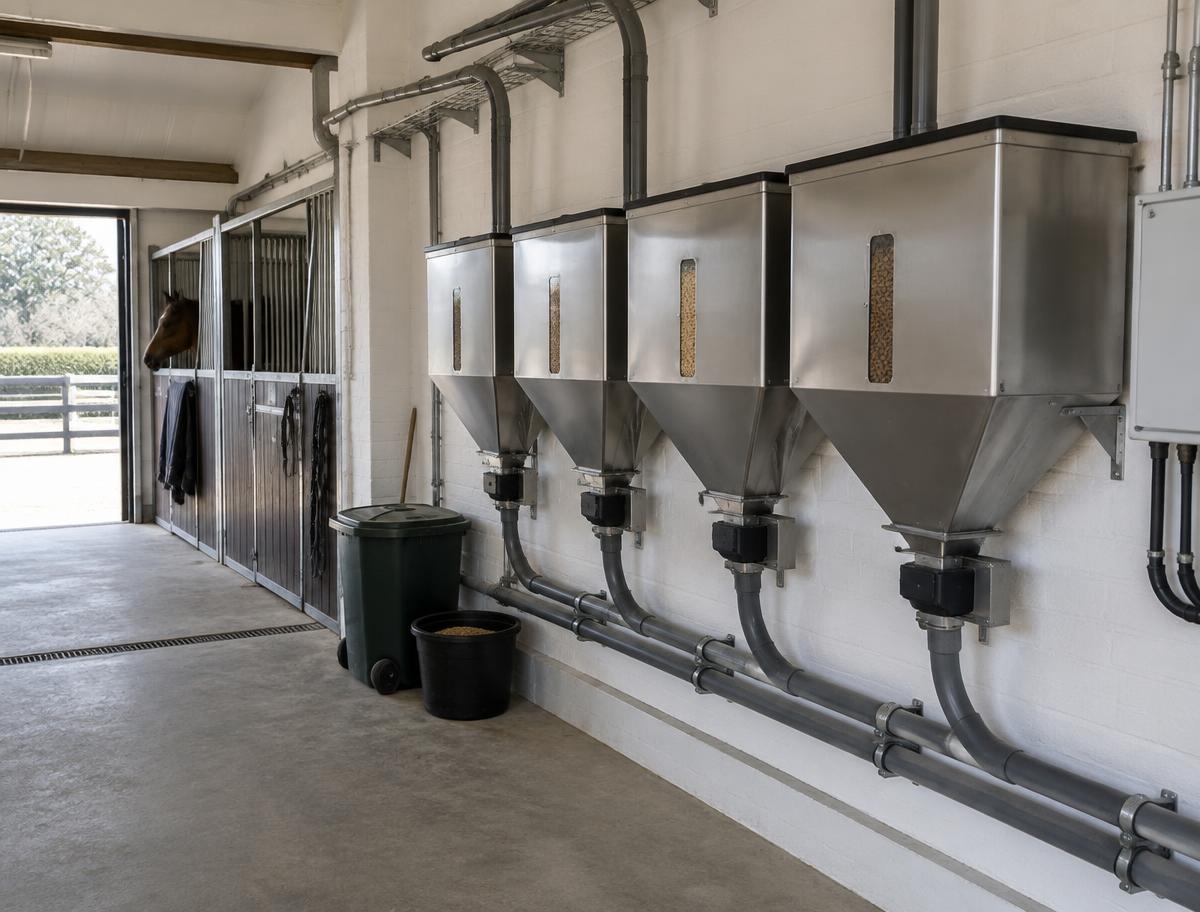 Placeholder image
Yard Equipment · Feeding Systems
Centrally controlled feeding across multiple stables, with individual rations per horse.
Price on request
Enquire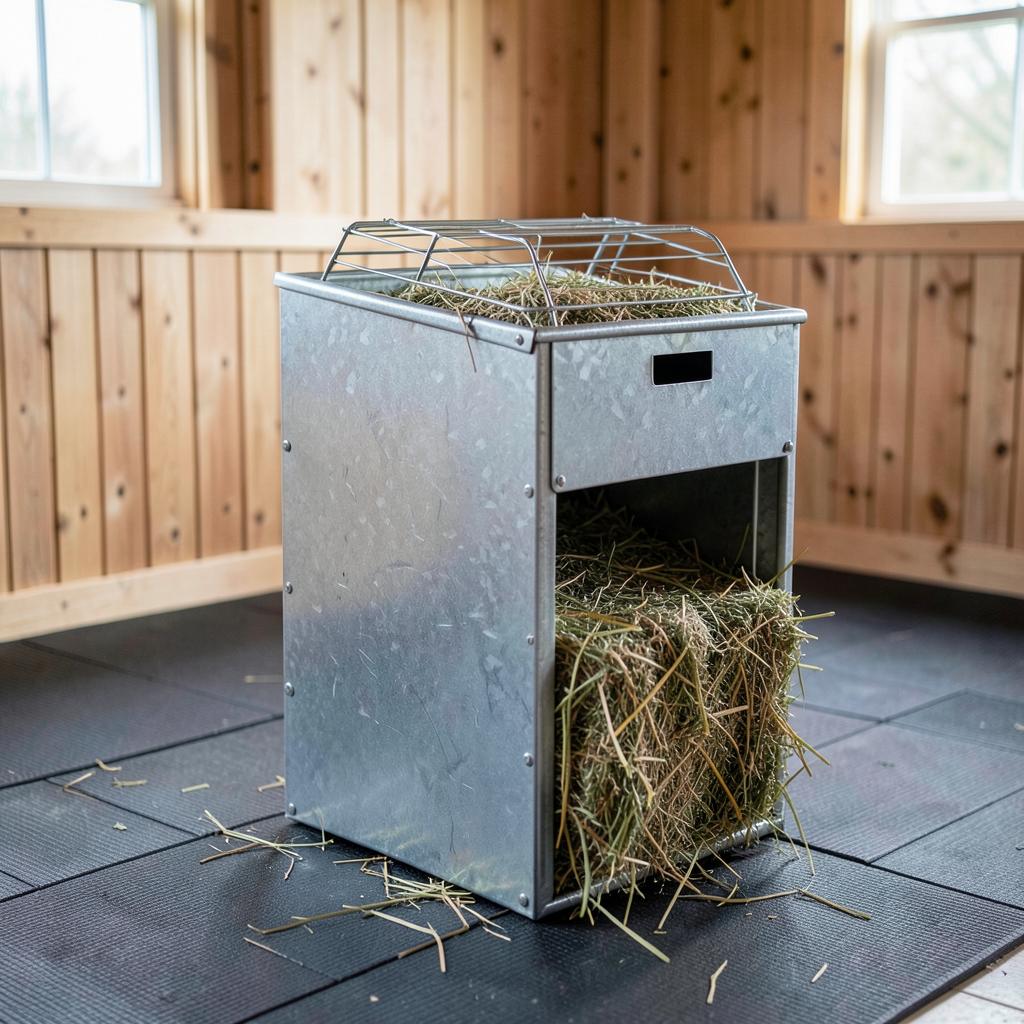 Placeholder image
Horse Care · Slow Feeders
Grille-topped forage feeder that slows how quickly a horse eats hay, so a ration lasts closer to the gap between feeds and less ends up trodden into the bed.
Price on request
Enquire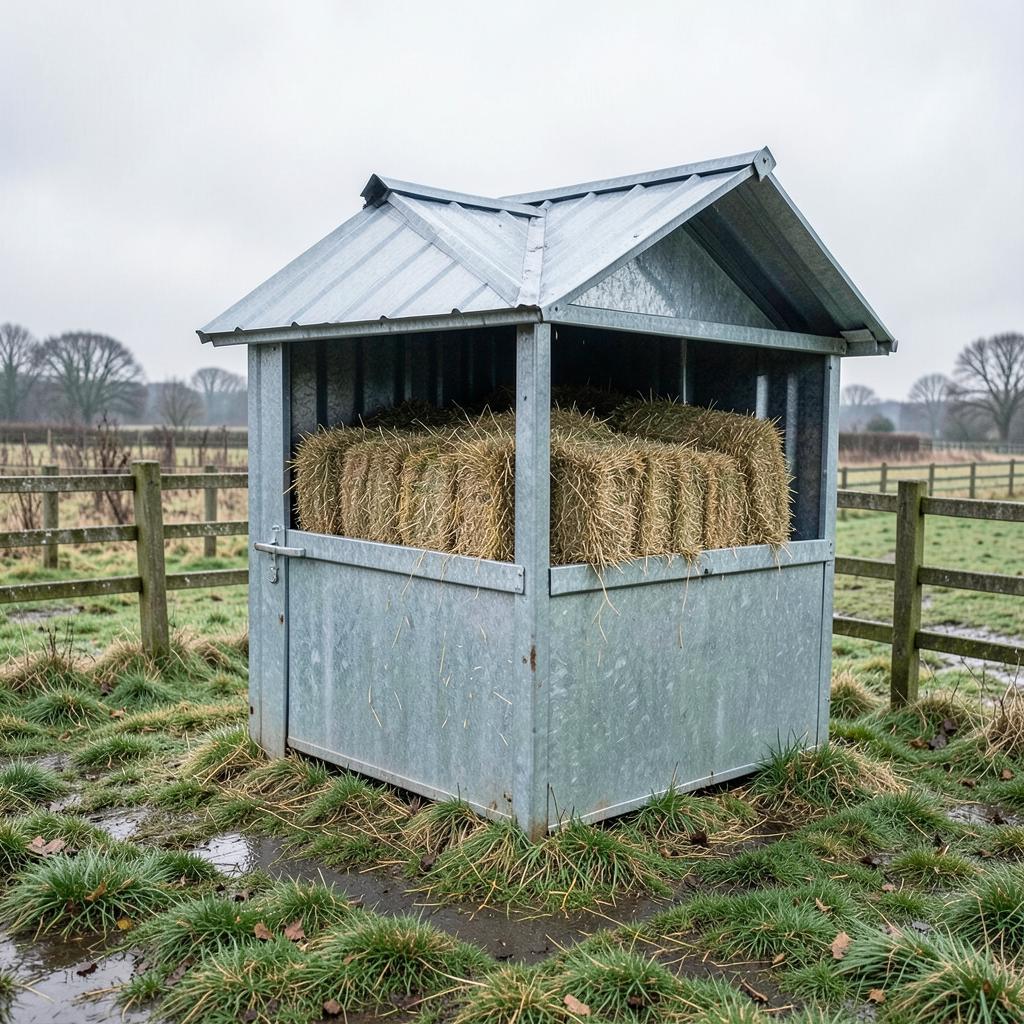 Placeholder image
Horse Care · Hay Feeders
Covered field or barn hay feeder that keeps forage off the ground, out of the mud and away from waste, with a roof that sheds the worst of a British winter.
Price on request
EnquireThe Yard & Mane Edit
 Practical buying guide
Buying advice · Drying
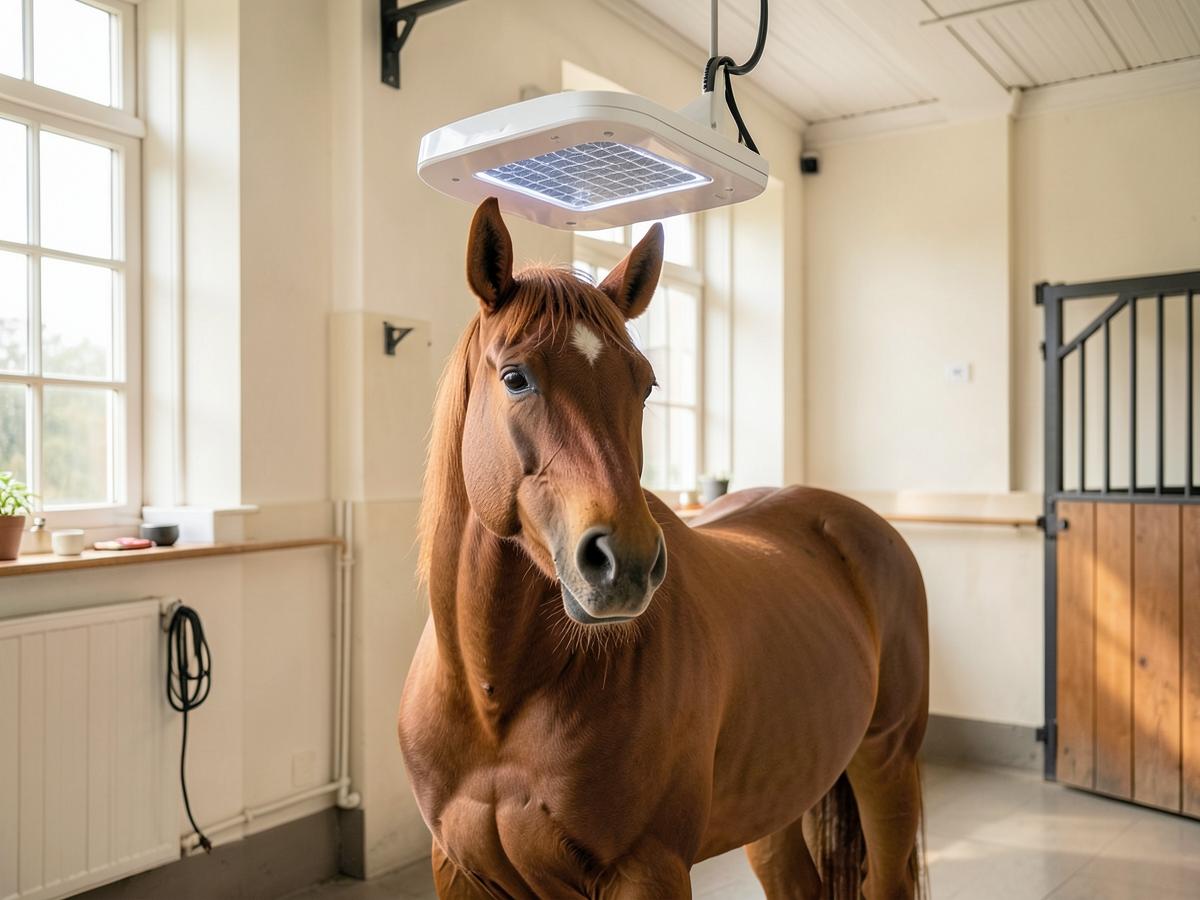
What you will learn: What a solarium does, what it costs to run, the space it needs and the yards it genuinely suits.
Read guide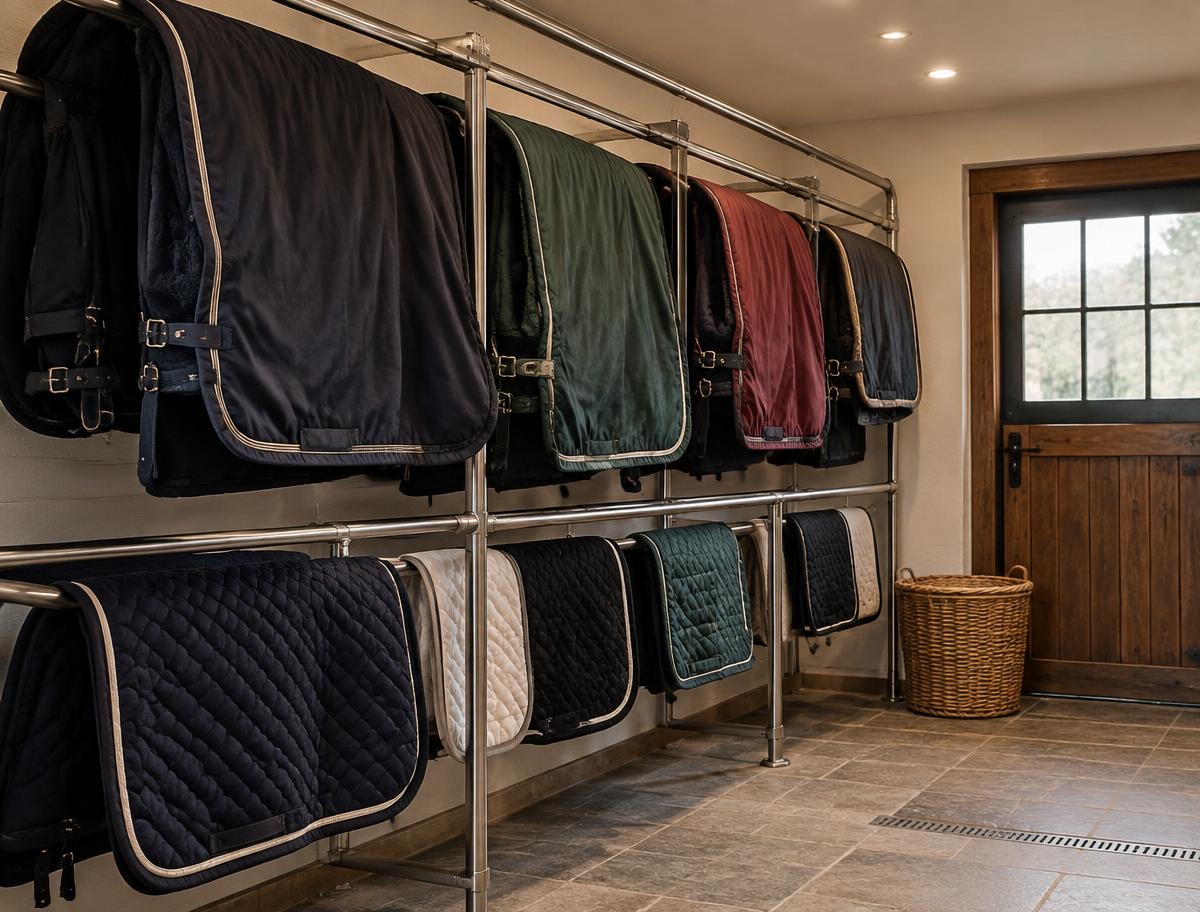 Practical buying guide
Buying advice · Drying
What you will learn: Solariums, horse dryers and rug drying rooms compared for real British winters.
Read guide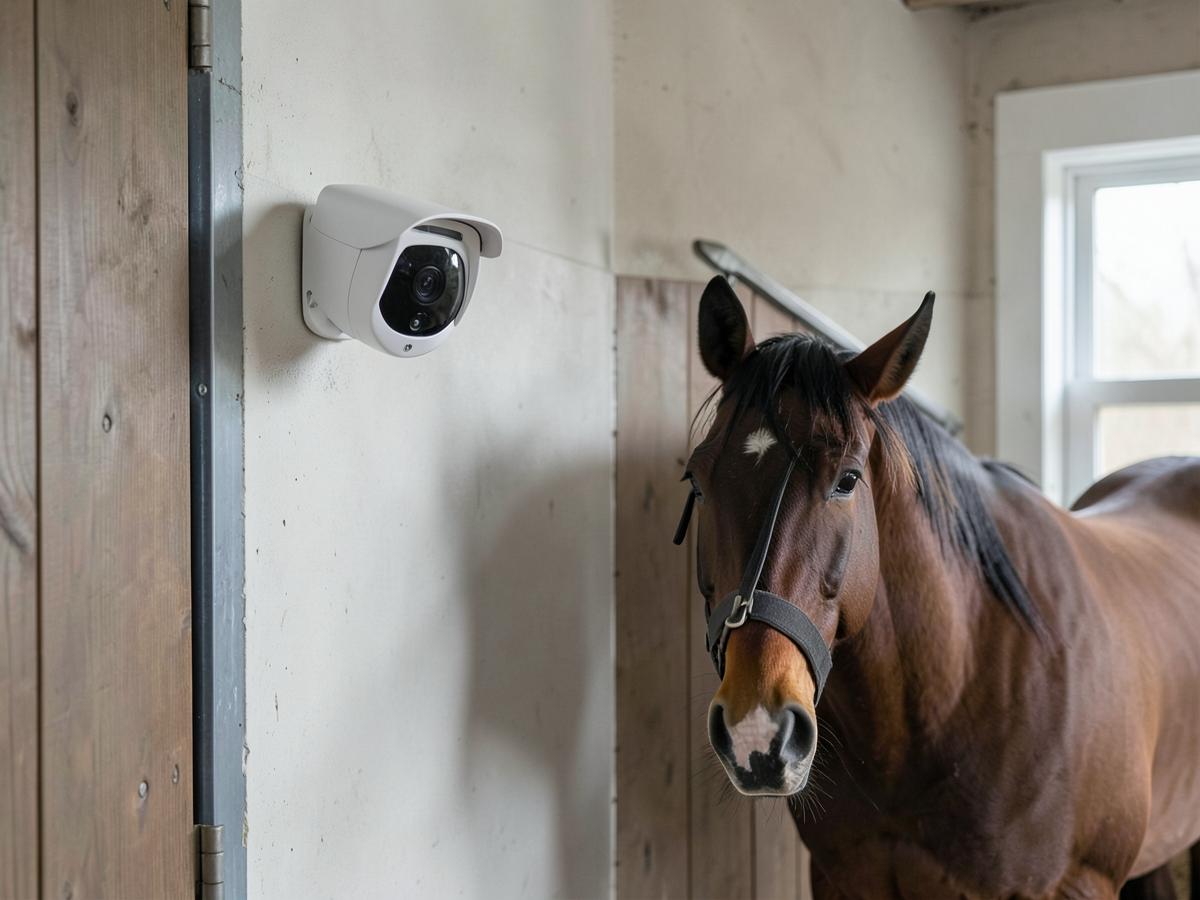 Practical buying guide
Buying advice · Monitoring
What you will learn: Stable cameras, movement alerts and vital-sign monitoring, and what each is realistically good for.
Read guideHere to help
Specialist equipment can be a significant investment. If you are not sure which option suits your horse or your yard, talk it through with us.
Speak to a specialist
Questions about a product, or unsure what you need? Call us or send a message and a specialist will come back to you.