 Placeholder image
Horse Care · Slow Feeders
Slow Feeder
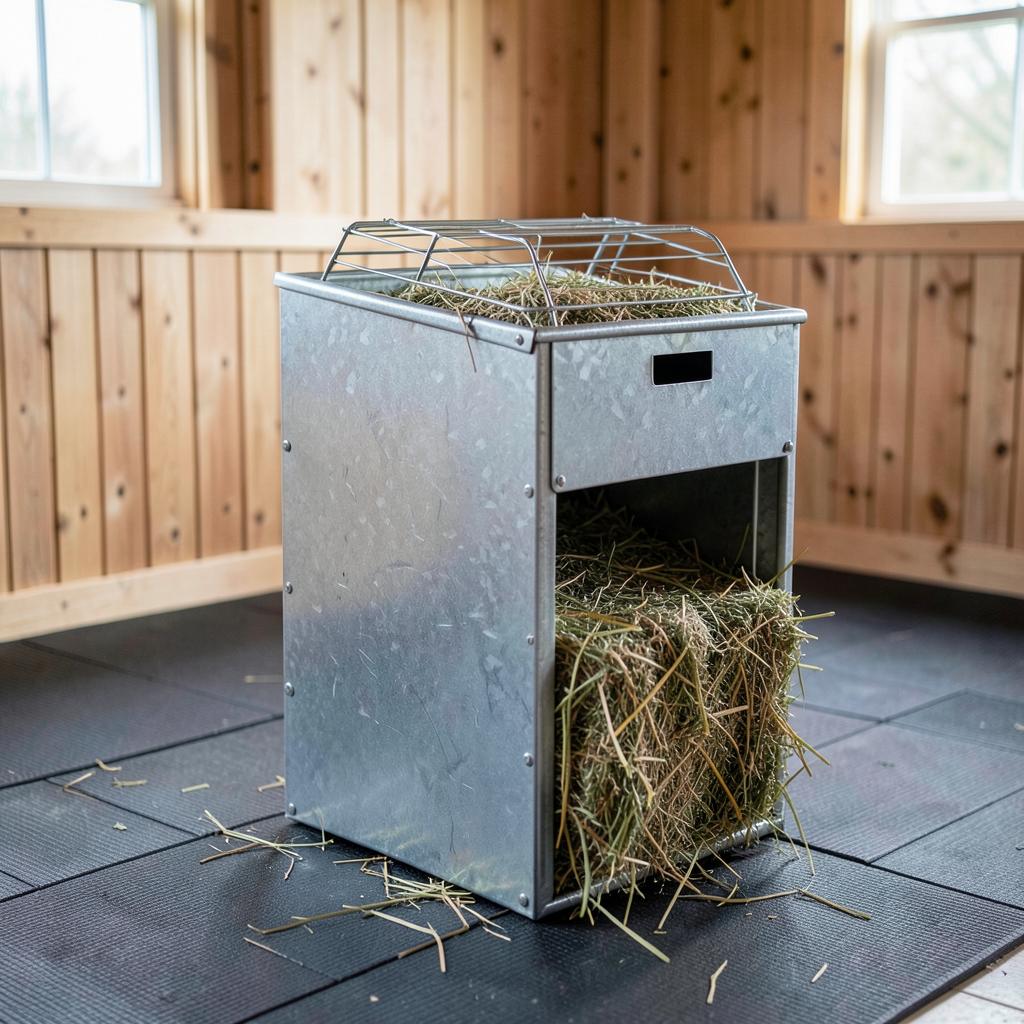
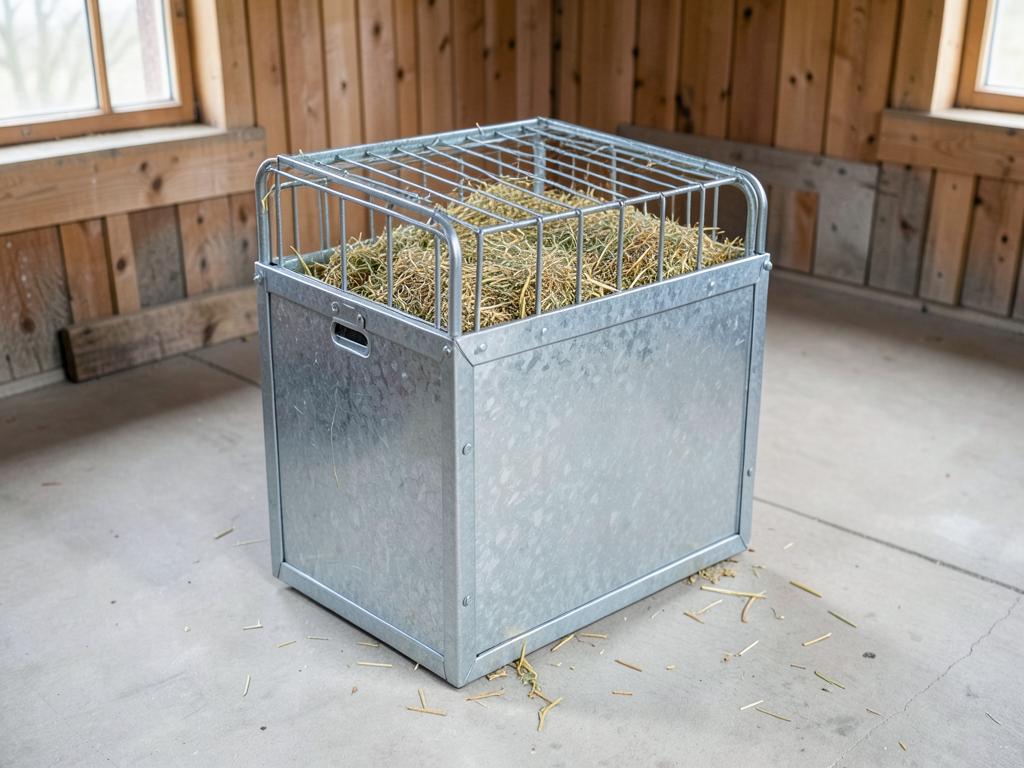
Grille-topped forage feeder that slows how quickly a horse eats hay, so a ration lasts closer to the gap between feeds and less ends up trodden into the bed.
Price on request
EnquireSpecialist equestrian equipment · Speak to a specialist
Feeding
Slow feeders, hay nets and hay feeders compared, and how to reduce forage waste without leaving a horse standing empty.
Choose a slow feeder by how the horse eats and where the forage is fed. For a stabled horse that clears a haynet quickly, a grille-topped slow feeder usually spreads forage across more of the night. For horses fed outside or in a barn, a covered hay feeder keeps forage off the ground and out of the mud. Both sit in horse care feeding.
Practical preparation
Gather these details first. They will rule out unsuitable options and make any quotation more useful.
A slow feeder spreads the same amount of forage over more hours. That matters for a horse stabled overnight, for a good-doer on a restricted ration, and for anyone whose hay disappears in two hours and leaves a long gap before breakfast.
A double-netted hay net is the cheapest starting point but wears out and takes time to fill. A grille-topped slow feeder is quicker to fill, lasts longer and keeps hay off the bed. A covered field feeder is the answer for forage fed at grass through the winter.
Look at grille spacing against whether the horse is shod, the filling height for whoever does the feeding, how easily it empties for cleaning, and whether the design is intended for stable or field use.
Restricting a horse too abruptly, choosing a grille too tight for the forage being fed, and buying for the yard rather than for the horse. If a horse is already anxious about food, slow the change down rather than the ration.
The simplest test is timing. Note when forage is given and when the horse finishes it, for several days rather than one. A horse standing with an empty net for hours before the next feed is the horse a slow feeder is designed for. Watch behaviour as well as the clock: pawing, box walking, chewing at rugs or timber, and hanging over the door are all worth recording alongside the times. Slowing intake is not a fix for a routine that leaves too long a gap, so if the gap is very long, the answer may be a bigger portion, an extra visit, or both. A slow feeder makes a reasonable ration last longer; it cannot replace enough forage.
Every slow feeder works by making the horse take smaller mouthfuls, whether through a grille, a mesh, a narrow opening or a divided compartment. The smaller the opening, the slower the intake and the more patience the horse needs. Horses new to slow feeding usually do better starting on a wider opening and moving tighter once they have settled, rather than the other way round. Older horses, horses with poor teeth and horses that give up easily are the ones most often over-restricted. If several horses share a yard, expect to end up with more than one setting rather than one answer for all of them. We confirm the openings available on a particular unit before you order.
Position affects how well a feeder works. In a stable, forage fed at a natural height, away from the door and away from the water, tends to be eaten more calmly and dropped less. Corners are useful because they stop the unit being pushed around, but they need to be free of protruding fittings and safe for a horse that paws. In the field, place a covered feeder on ground that drains, away from gateways and fence lines where horses queue and where mud collects fastest. Moving a field feeder occasionally spares the ground underneath it. If you are fitting out a stable at the same time, look at stable fittings and mangers so feeding, water and tie points are planned together.
A slow feeder is handled twice a day, every day, so how easily it fills and cleans matters as much as how well it slows the horse. Look for a design you can fill without lifting hay above your head, that lets dust and seed fall out rather than collect, and that can be hosed down when hay is wet or a horse has been unwell. Check for anything a shoe, headcollar or rug strap could catch, particularly on grille edges and hinges. Galvanised steel and heavy plastic both wear well when they are cleaned rather than left caked. Ask us about the fixings and materials used on a specific unit and we will confirm them before you buy.
Forage and hard feed are separate problems. A slow feeder stretches forage across the gaps between visits; an automatic stable feeder divides hard feed into timed portions so a horse is not given one large meal because of the human timetable. Yards that do both tend to find the horse settles fastest, because there is something to eat at more points across the day. On a bigger yard, feeding several stables from one system is worth considering, which is where a multi-stable feeding system and the wider yard feeding systems category come in. Either way, plan forage first: it is the larger part of the ration.
In a group, restricted forage can turn into a queue. The usual answer is more feeding points than horses, spaced far enough apart that a dominant horse cannot hold two at once, and openings that let a shy horse eat without being pushed off. In a barn, that often means a covered feeder per group with clear space around it. Keep an eye on condition and on the horses that lose out first: youngsters, older horses and anything low in the order. If a group will not settle, feeding those horses separately is a better outcome than tightening the feeder.
The point of slow feeding is a calmer horse and less waste, and both take a week or two to show. Change one thing at a time, keep the same total ration, and give the horse a chance to learn the new feeder before you judge it. Weigh forage rather than counting nets, so you know whether the horse is actually eating less or simply more slowly. Check droppings, condition and behaviour rather than only the empty net. If you are unsure which arrangement suits your horses, tell us how they are kept and fed and we will talk it through before you order anything.
The same slow feeder suits a greedy native and frustrates a fussy thoroughbred, so start with the horse rather than the design. A good doer needing intake slowed can take a smaller opening and will work at it. A poor doer, an older horse with worn teeth or a horse that gives up when the hay is hard to reach needs a gentler restriction, or the result is less forage rather than slower forage. Weigh what actually goes in and check what is left, rather than judging by how long the horse spent at it. Where several horses share a field or barn, watch for the confident one holding the feeder. Our hay feeder options and the wider feeding range cover both ends of that.
Position and cleaning decide whether a feeder stays in use. It wants to be somewhere a horse cannot get a leg over it or trap a shoe, fixed or weighted so it cannot be dragged into a corner, and reachable for you when full. Anything holding damp forage needs emptying and cleaning regularly, so judge how easily that can be done with cold hands. In a shared field, allow one more feeder than you think you need so the quieter horse still eats. Where forage is fed at scale, a yard feeding system may be the better structure. Tell us your horses and the setting and we will suggest what suits.
It normally spreads the same forage over a longer period, which shortens the empty gap before the next feed. If the gap is very long, the ration or the number of visits usually needs to change as well.
Design matters more than the shoes. Look at the grille or opening, the edges and anything a shoe could hook. Tell us how your horses are shod and kept and we will confirm what suits before you order.
Covered field or barn feeders are made for outdoor use and keep forage off wet ground. A stable unit is not usually a substitute, because it is not built for weather or for a group of horses.
Most yards use more feeding points than horses, spaced apart, so a dominant horse cannot control them all. The right number depends on the group, the space and how the horses behave together.
It can, with a fussy horse, an older horse or one that gives up. Weigh what goes in and what is left rather than judging by time spent eating.
Allow at least one more than the number of horses, so a quieter horse is not held off by a confident one.
Equipment
Specification, pricing and availability are confirmed on enquiry.
Placeholder imageHorse Care · Slow Feeders
Grille-topped forage feeder that slows how quickly a horse eats hay, so a ration lasts closer to the gap between feeds and less ends up trodden into the bed.
Price on request
Enquire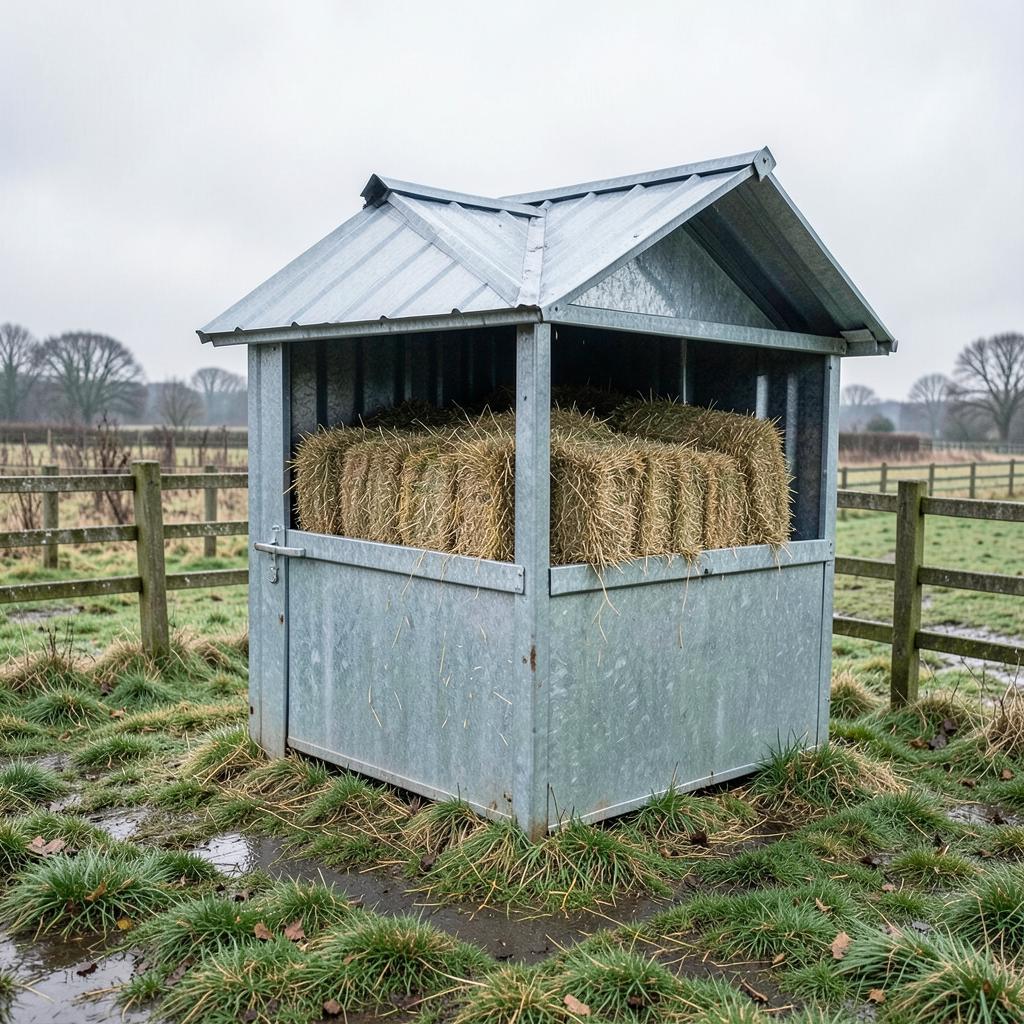 Placeholder image
Horse Care · Hay Feeders
Covered field or barn hay feeder that keeps forage off the ground, out of the mud and away from waste, with a roof that sheds the worst of a British winter.
Price on request
Enquire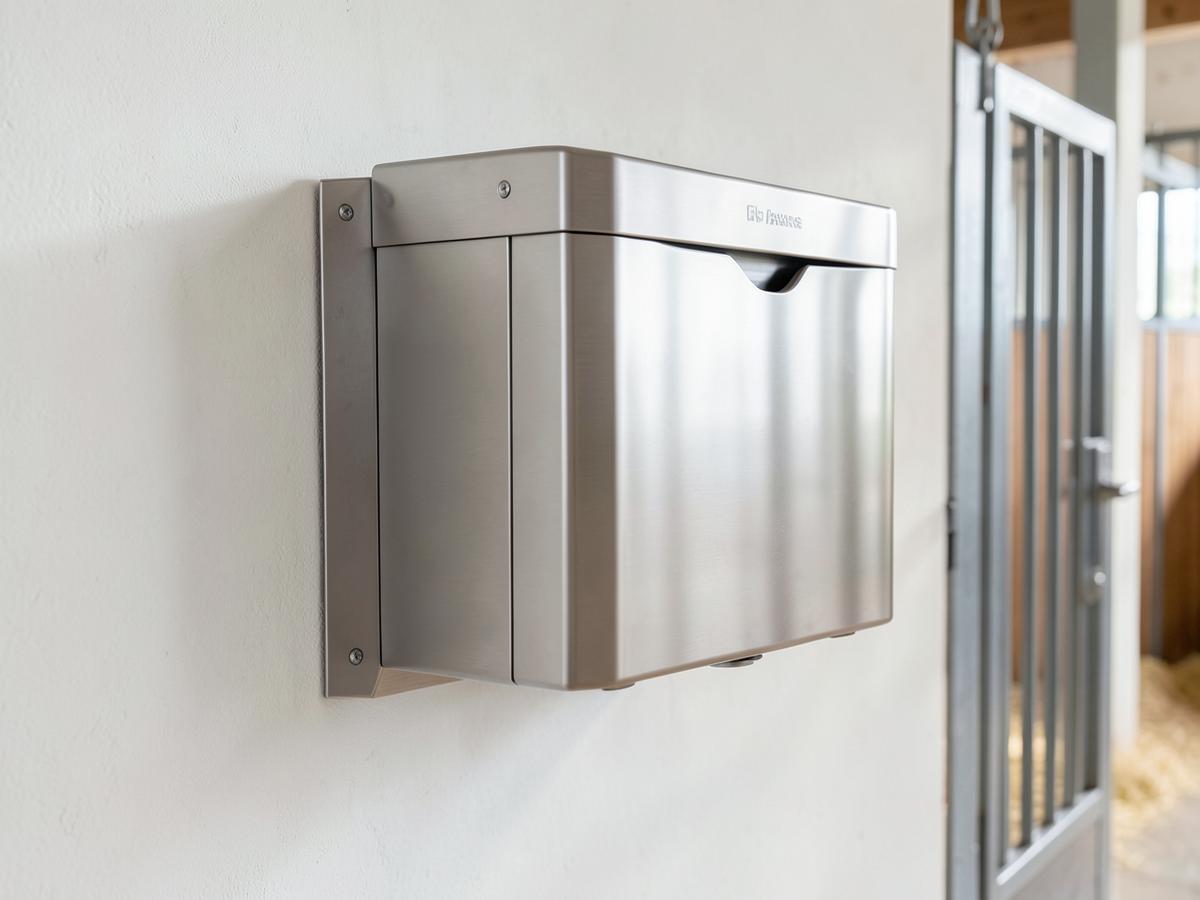 Placeholder image
Horse Care · Feeding
Single-stable automatic feeder that divides hard feed into timed portions across the day.
Price on request
Enquire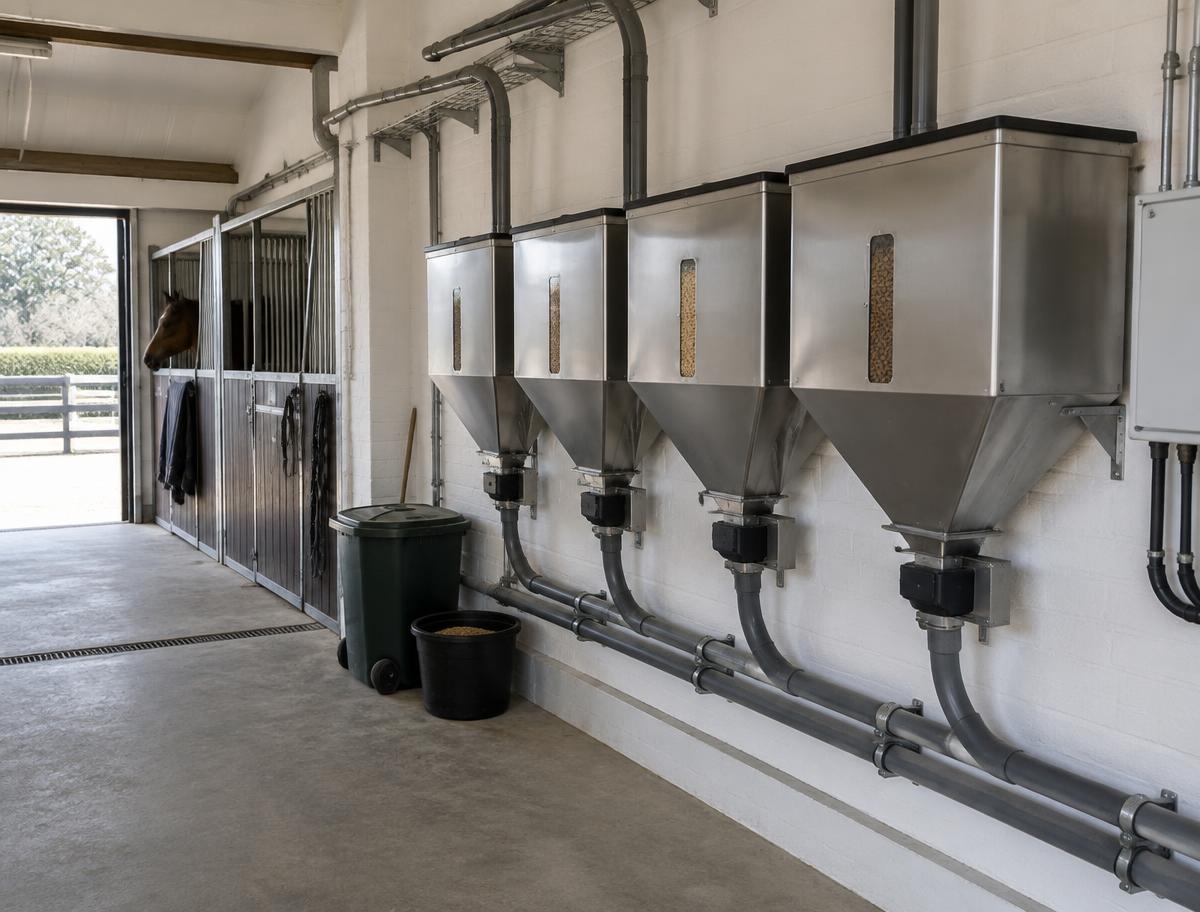 Placeholder image
Yard Equipment · Feeding Systems
Centrally controlled feeding across multiple stables, with individual rations per horse.
Price on request
EnquireThe Yard & Mane Edit
 Practical buying guide
Buying advice · Drying
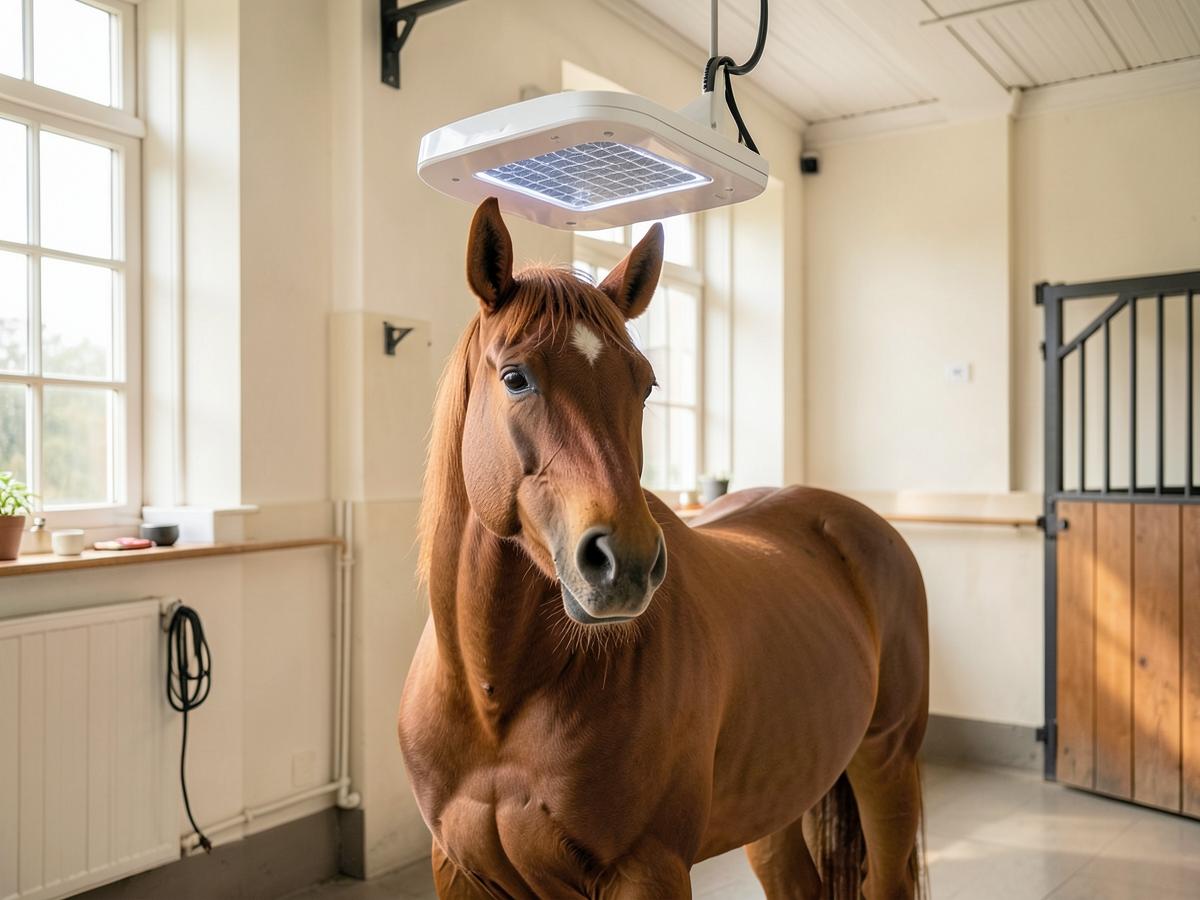
What you will learn: What a solarium does, what it costs to run, the space it needs and the yards it genuinely suits.
Read guidePractical buying guideBuying advice · Feeding
What you will learn: Single-stable feeders through to whole-yard systems, and how to work out which suits your routine.
Read guide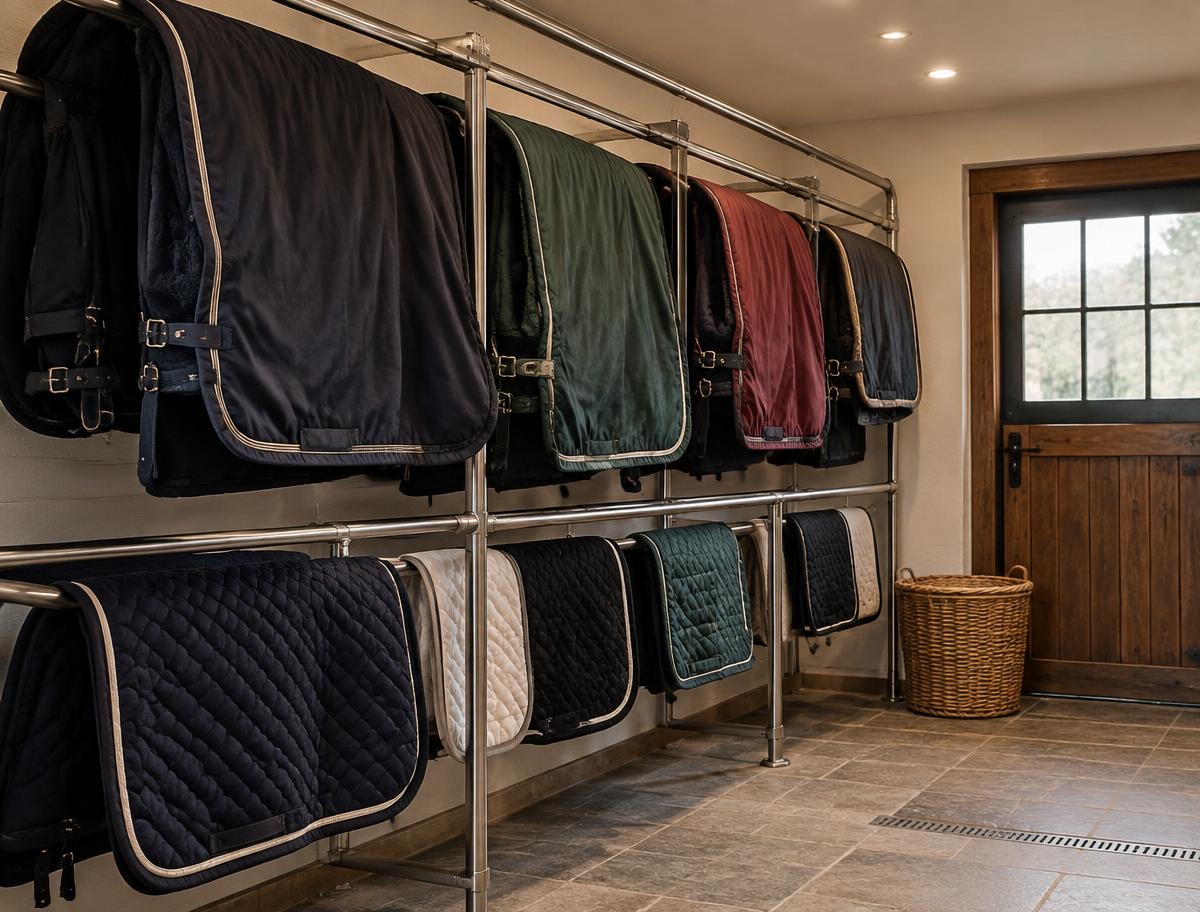 Practical buying guide
Buying advice · Drying
What you will learn: Solariums, horse dryers and rug drying rooms compared for real British winters.
Read guideHere to help
Specialist equipment can be a significant investment. If you are not sure which option suits your horse or your yard, talk it through with us.
Speak to a specialist
Questions about a product, or unsure what you need? Call us or send a message and a specialist will come back to you.