 Placeholder image
Horse Care · Monitoring
Stable Monitoring System
Camera-based stable monitoring you can view from your phone, with night vision and movement alerts.
Price on request
EnquireSpecialist equestrian equipment · Speak to a specialist
Monitoring
Stable cameras, movement alerts and vital-sign monitoring, and what each is realistically good for.
A good camera with night vision and phone access answers most questions, including box rest and foaling watch. Add movement or behaviour alerts when nobody can watch a screen. Check network coverage at the yard first.
Practical preparation
Gather these details first. They will rule out unsuitable options and make any quotation more useful.
For box rest, foaling and general peace of mind, a good camera with night vision and phone access does most of the work.
Movement and behaviour alerts are worth adding when you cannot watch a screen, with overnight foaling watch being the obvious case.
Check what network you have at the yard before choosing a system. It is the single most common reason a monitoring setup disappoints.
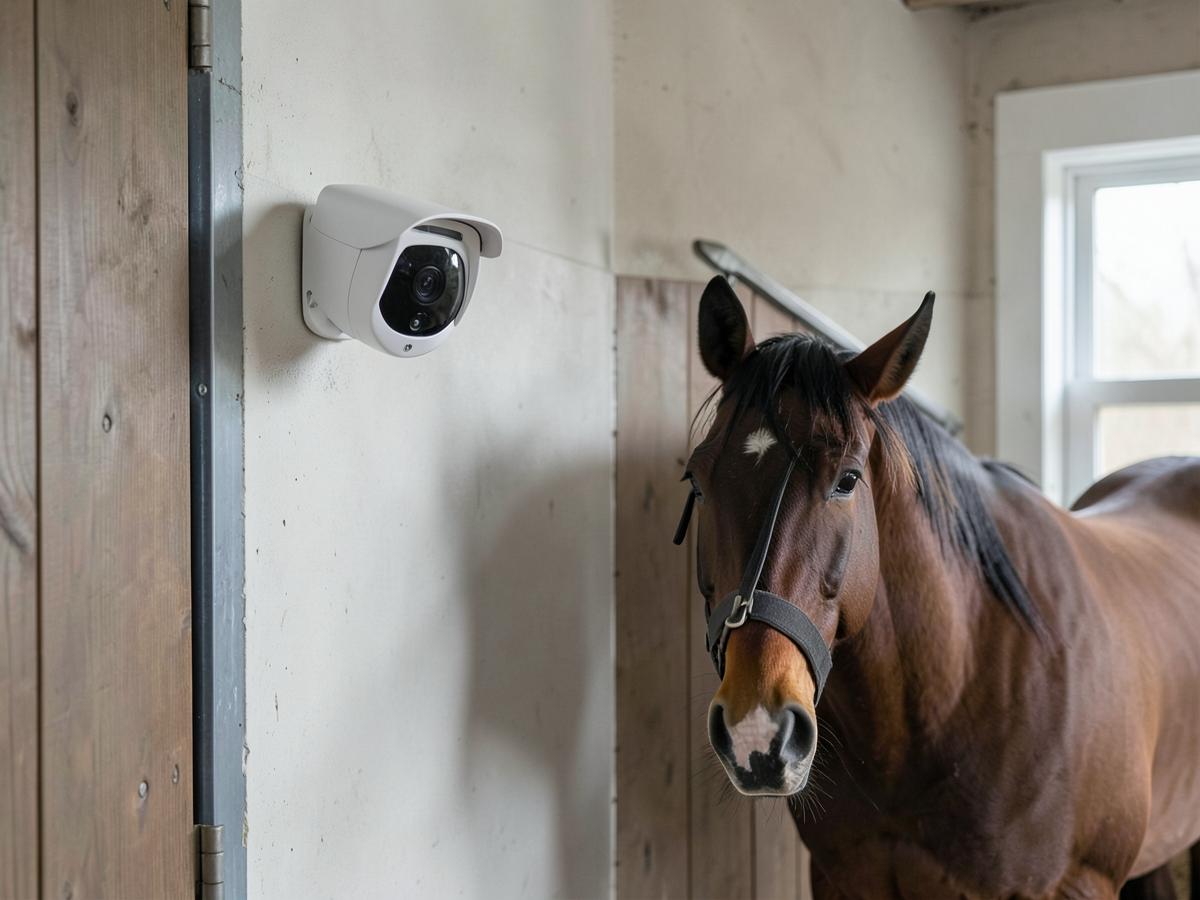
A stable camera answers visual questions: whether a horse is settled, lying down, eating or showing unusual behaviour. Movement alerts can draw attention to activity without somebody watching continuously. Wearable performance sensors serve a different purpose by recording exercise and workload. Decide which question you need the system to answer before comparing features, because adding more data does not automatically make a system more useful.
Signal at the house or office does not guarantee coverage inside a stable. Thick walls, metal cladding and distance between buildings can all reduce it. Test the intended camera positions at the times the system will be used, including after dark. Where fixed broadband is weak, ask about local recording or mobile-network options and confirm how footage can be viewed if the connection drops.
Night vision is important for foaling watch, box rest and overnight checks. Alerts should be adjustable enough to avoid constant notifications from normal movement. Recording can be useful when reviewing an incident, but storage duration and access vary between systems. Confirm whether footage is stored locally or remotely and whether any continuing service is needed before choosing a particular setup.
Mount cameras where the horse remains visible without placing cables or housings within reach. Avoid glare from lights and check that the whole stable is visible after dark. On commercial or shared yards, camera use also needs a sensible privacy policy for staff, clients and visitors. Monitoring should be installed for a defined welfare or security purpose and managed responsibly.
Monitoring covers several different jobs: watching a mare due to foal, checking a horse on box rest, seeing whether a horse is eating or cast, and knowing who has come onto the yard. Each pushes you towards a different setup. Foaling needs a clear view of the whole box and usable night vision. Box rest needs a view you can check quickly from a phone. Yard oversight needs coverage of gates and buildings. Write down the two or three things you actually want to see, then choose equipment for those. A stable monitoring system covers horses; a yard security system covers the perimeter.
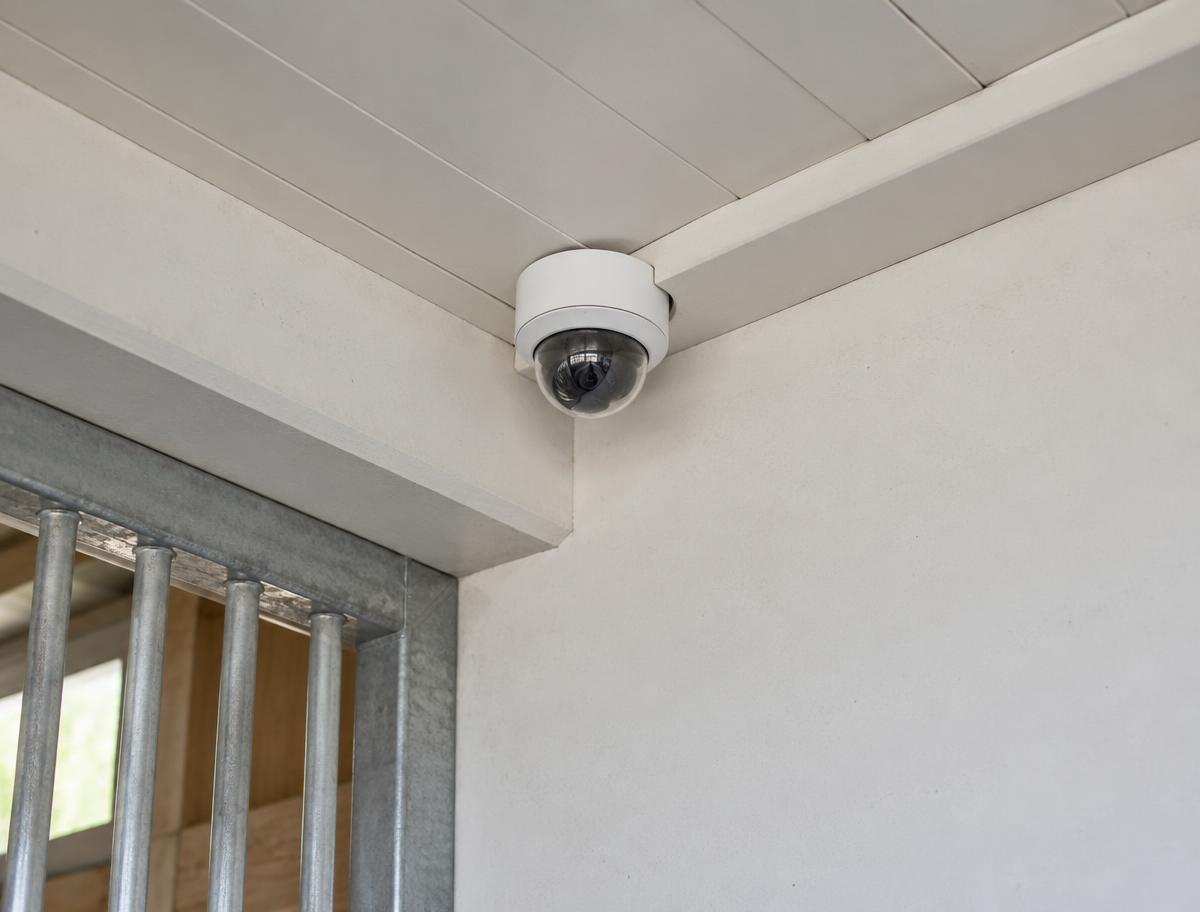
Placement decides whether a camera is useful. Corner-mounted views normally show more of a box than a camera directly above the door, and cameras need to be out of reach of a horse that stands up, plus cabling that cannot be chewed. Night performance matters most, since that is when people check. Aim for fewer, better-placed cameras rather than covering every wall, because more views mean more to scan and more to maintain. Think about who else can see the footage and where it is stored, particularly on a shared yard where other people's horses and vehicles are in frame.
Alerts are useful when they are rare and meaningful. Movement alerts pointed at a busy yard produce so many notifications that people stop reading them, and then the one that mattered is missed too. Set alerts on the few things worth waking up for, and use cameras for everything else you might want to check. Ask what happens when the connection or power drops, whether footage is retained locally, and how quickly you can get to a live view. Check the signal where the equipment will be installed, not at the house. We confirm what a specific system requires on enquiry.
These are the two situations that push most owners into buying. Foaling needs a view of the whole box including the corners, usable performance in darkness, and a picture you can check repeatedly through the night without a slow connection. Box rest needs something quicker and simpler: enough to see whether a horse is standing, eating and settled. In both cases one well-placed camera beats three poorly placed ones. A stable monitoring system is aimed at exactly this, and we confirm what a specific setup needs on enquiry.
On a shared or livery yard, cameras will capture other people, their horses and their vehicles, so agree what is recorded and who can see it before installing anything. Point cameras at your own stables and the areas you are responsible for, tell people they are there, and think about where footage is stored and how long it is kept. Perimeter coverage aimed at gates and access is usually the yard owner's decision rather than an individual owner's. A yard security system covers that side; stable cameras cover yours.
Monitoring is only useful when you can name the question it answers. Owners usually want one of four things: to see a horse on box rest without walking out, to know whether a horse lay down overnight, to know a foaling mare is starting, or to know that nobody has been on the yard who should not be. Each points somewhere different. The first three are the job of a stable monitoring system positioned for the box in question. The last is a yard security system, and treating one as the other is the commonest disappointment. Write the question down in a sentence before you look at any equipment, then judge every option by whether it answers that sentence at three in the morning.
Practical constraints decide more of this than features do. Ask how the equipment connects, what happens when the connection drops, whether the footage is kept anywhere and for how long, how it is powered, and how it behaves in a stable full of dust and cobwebs over a winter. Outbuildings at the far end of a yard are where signal problems appear, and they appear in January rather than in June. Positioning matters as much: a view of a whole box is worth more than a close view of one corner. If your yard is also being wired for lighting, feeding or gates, plan the monitoring at the same time and look at the automation range so the cabling is done once.
Once cameras go in for horses, most owners find they want the rest of the yard covered too: the tack room, the feed store, the gate and the fuel or machinery store. That is a different job with different equipment, and it is worth deciding early whether you are covering horses, property or both, because it changes the number of positions and the cabling. Property cover sits with the security range, and where hay, bedding and equipment are stored loosely it is often worth sorting the storage at the same time so there is less standing around to protect. Tell us how many boxes, how many outbuildings and what you want to see, and we will scope the positions before recommending equipment.
Yes, multi-camera setups are normal. The number of stables affects the recorder and network specified.
Some run on mobile networks. Tell us what coverage you have and we will only recommend what will work.
For remote viewing and alerts, yes, and the signal needs to be adequate in the buildings themselves. Some systems record locally without a connection; we confirm this per system.
Rarely. Most owners cover the boxes that matter, such as a foaling box or a horse on box rest, plus key yard views, and add more only if they are genuinely used.
It is one of the commonest reasons owners fit one. Prioritise a full view of the box, good performance in the dark and a connection you can rely on at night.
Often, but they are different jobs with different positions. Decide whether you are covering horses, property or both before choosing, because it changes the number of cameras and the cabling.
Equipment
Specification, pricing and availability are confirmed on enquiry.
Placeholder imageHorse Care · Monitoring
Camera-based stable monitoring you can view from your phone, with night vision and movement alerts.
Price on request
Enquire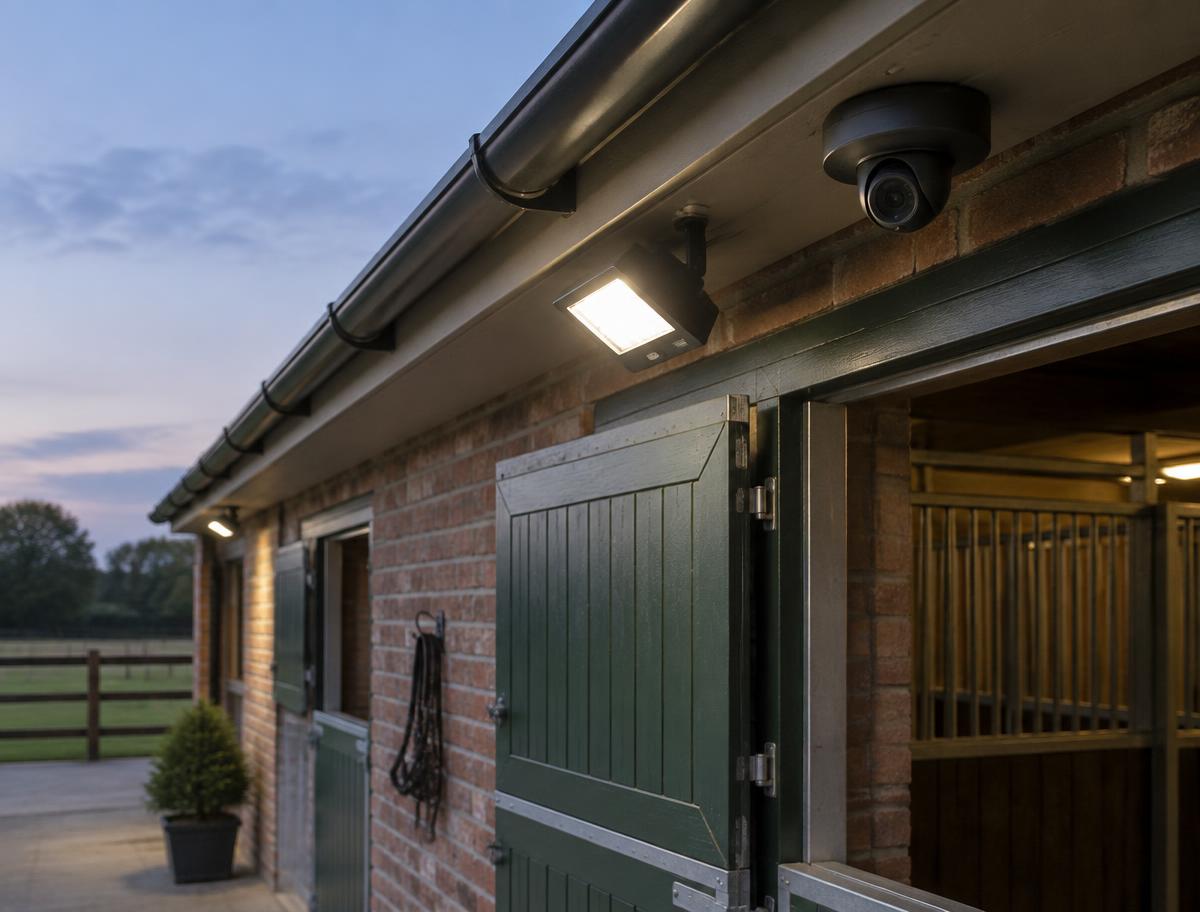 Placeholder image
Yard Equipment · Security
Cameras, lighting and alerting covering stables, gates, tack rooms and parking.
Price on request
Enquire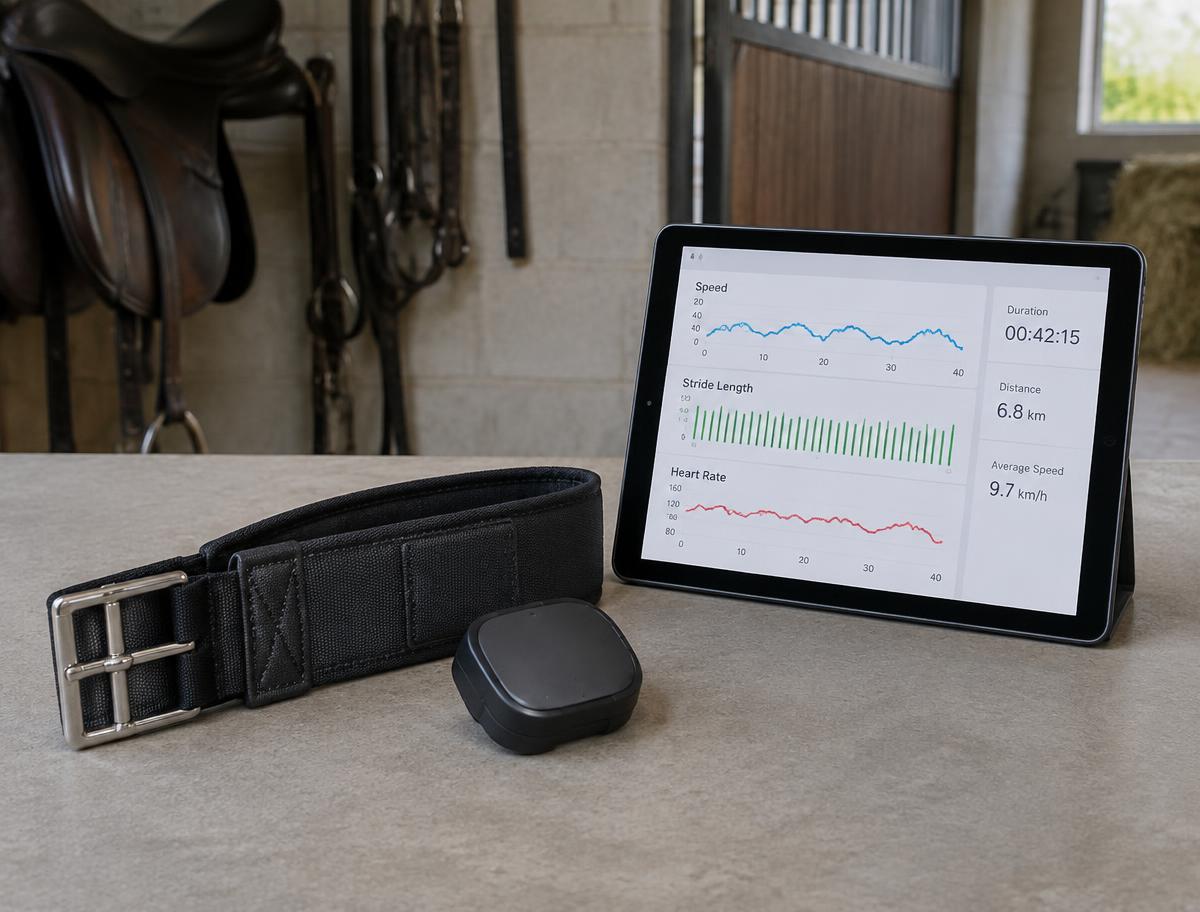 Placeholder image
Performance · Monitoring
Heart rate, speed and workload monitoring so training decisions are based on data rather than guesswork.
Price on request
EnquireThe Yard & Mane Edit
 Practical buying guide
Buying advice · Drying
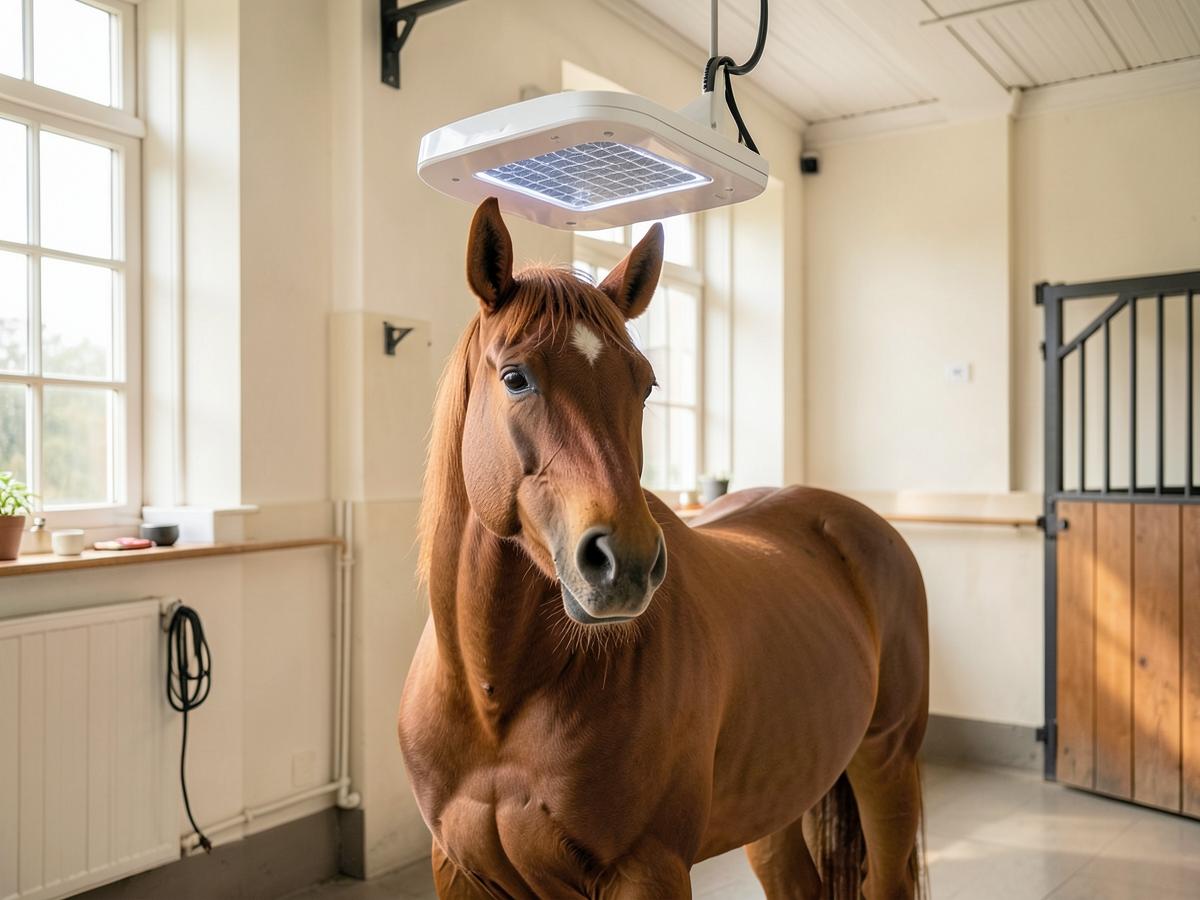
What you will learn: What a solarium does, what it costs to run, the space it needs and the yards it genuinely suits.
Read guide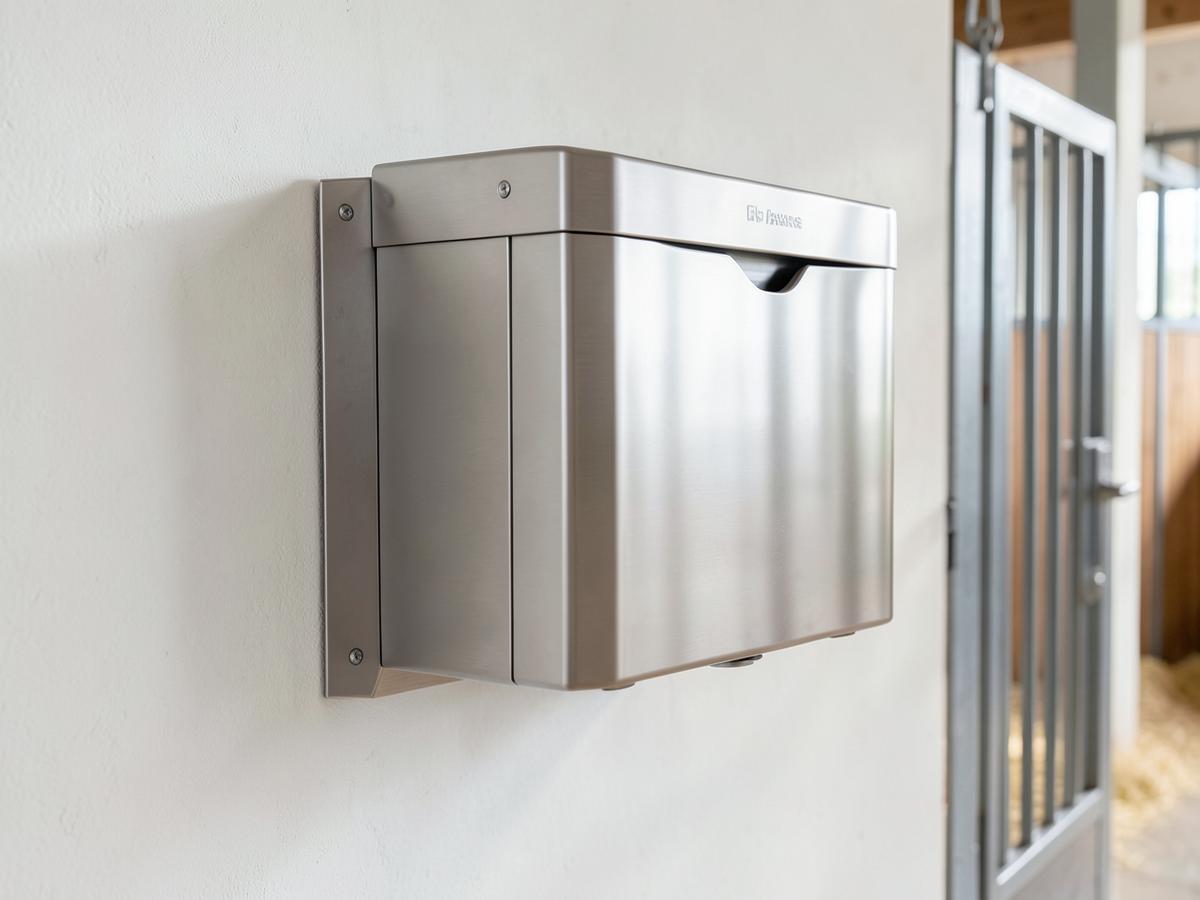 Practical buying guide
Buying advice · Feeding
What you will learn: Single-stable feeders through to whole-yard systems, and how to work out which suits your routine.
Read guide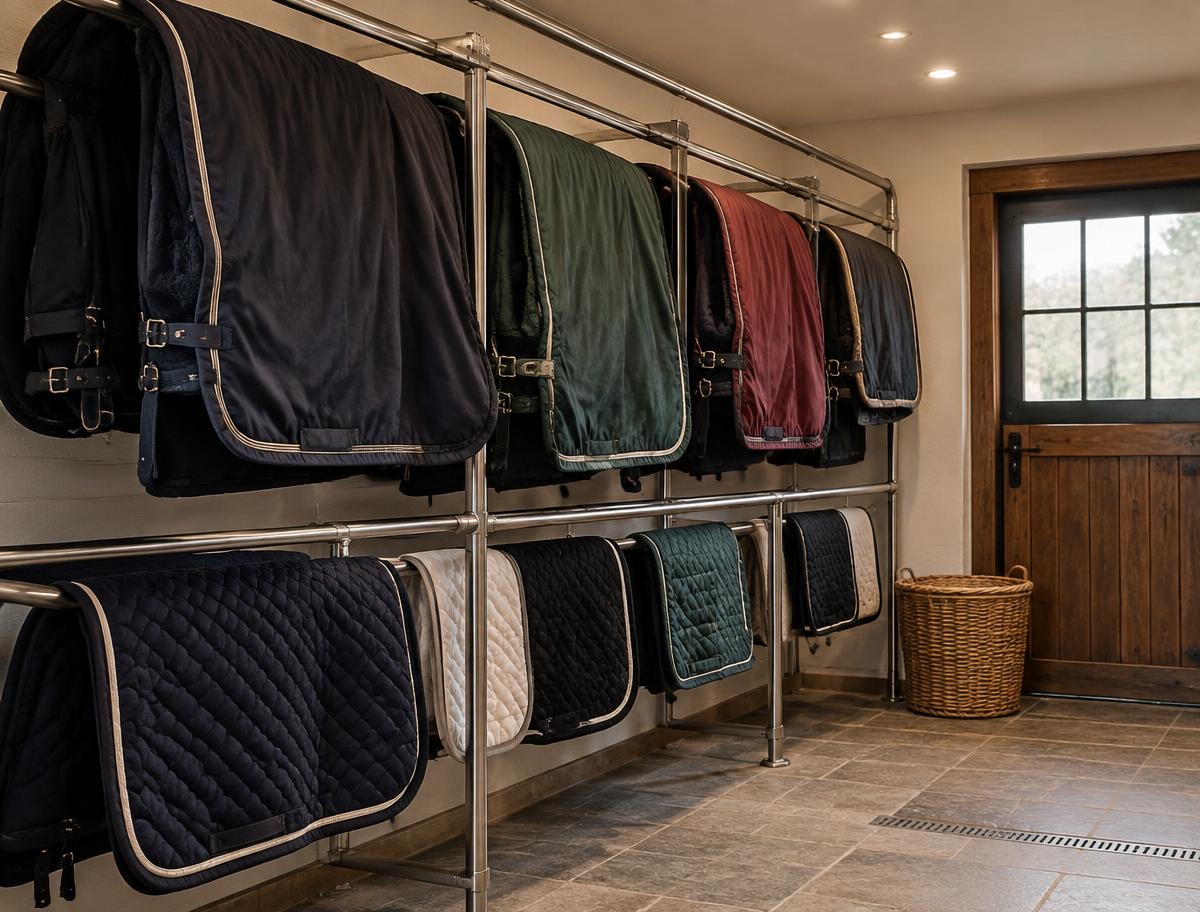 Practical buying guide
Buying advice · Drying
What you will learn: Solariums, horse dryers and rug drying rooms compared for real British winters.
Read guideHere to help
Specialist equipment can be a significant investment. If you are not sure which option suits your horse or your yard, talk it through with us.
Speak to a specialist
Questions about a product, or unsure what you need? Call us or send a message and a specialist will come back to you.