 Placeholder image
Yard Equipment · Yard Storage
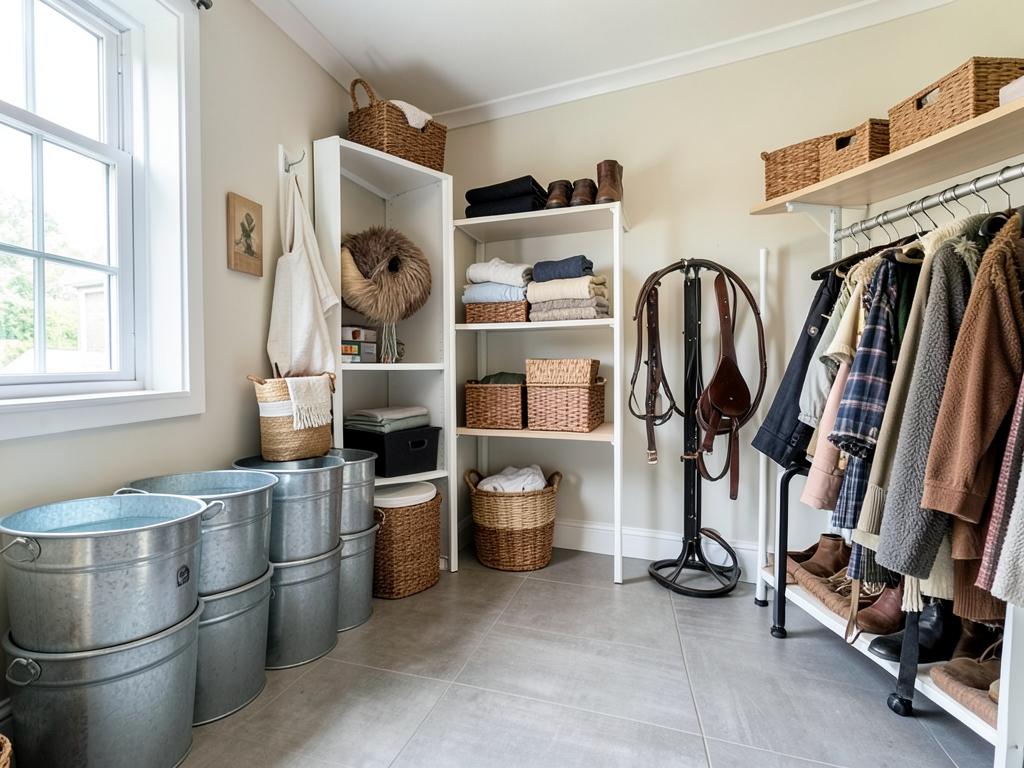
Feed & Rug Storage
Feed bins, rug racks and shelving specified together so a tack room stays dry, organised and easy to work in.
Price on request
EnquireUK support
Storage
How to plan feed bins, rug racks and shelving so a tack room stays dry, secure and quick to work in.
Plan tack room storage around your daily movements: sealed feed bins off the floor, ventilated rug racks near where rugs come off, and open shelving for boots and bandages so they dry. Deal with damp and ventilation before adding more shelving, and treat the door, frame and lighting as part of the plan because tack rooms are a common theft target.
Practical preparation
Gather these details first. They will rule out unsuitable options and make any quotation more useful.
Most tack rooms are not untidy because people are careless; they are untidy because there is nowhere obvious for wet rugs, part-used feed sacks and everyday kit to go. Plan storage around the movements you actually make each day: where feed arrives, where it is mixed, where rugs come off wet, and where boots and bandages dry. If a job takes two extra steps, it will eventually stop being done properly.
Feed needs to stay dry, sealed against vermin and off the floor, and the bin needs to be easy to scoop from without lifting a lid one-handed. Sealed bins for hard feed, a separate labelled bin for anything fed by weight, and clean scoops kept with the bins prevent most feeding mistakes on a yard where several people help. Store supplements and medication separately, where they cannot be confused with feed. See feed and rug storage for the fit-out we specify most often.
Wet rugs are the single biggest cause of a crowded tack room in winter. Racks that let air behind the rug, hung where there is ventilation, do more than more shelving does. If rugs regularly go back on damp, drying provision is the real fix rather than storage: see our guide on horse drying systems. Keep numnahs, boots and bandages on open shelving or racks rather than in closed boxes, so they dry rather than sour.
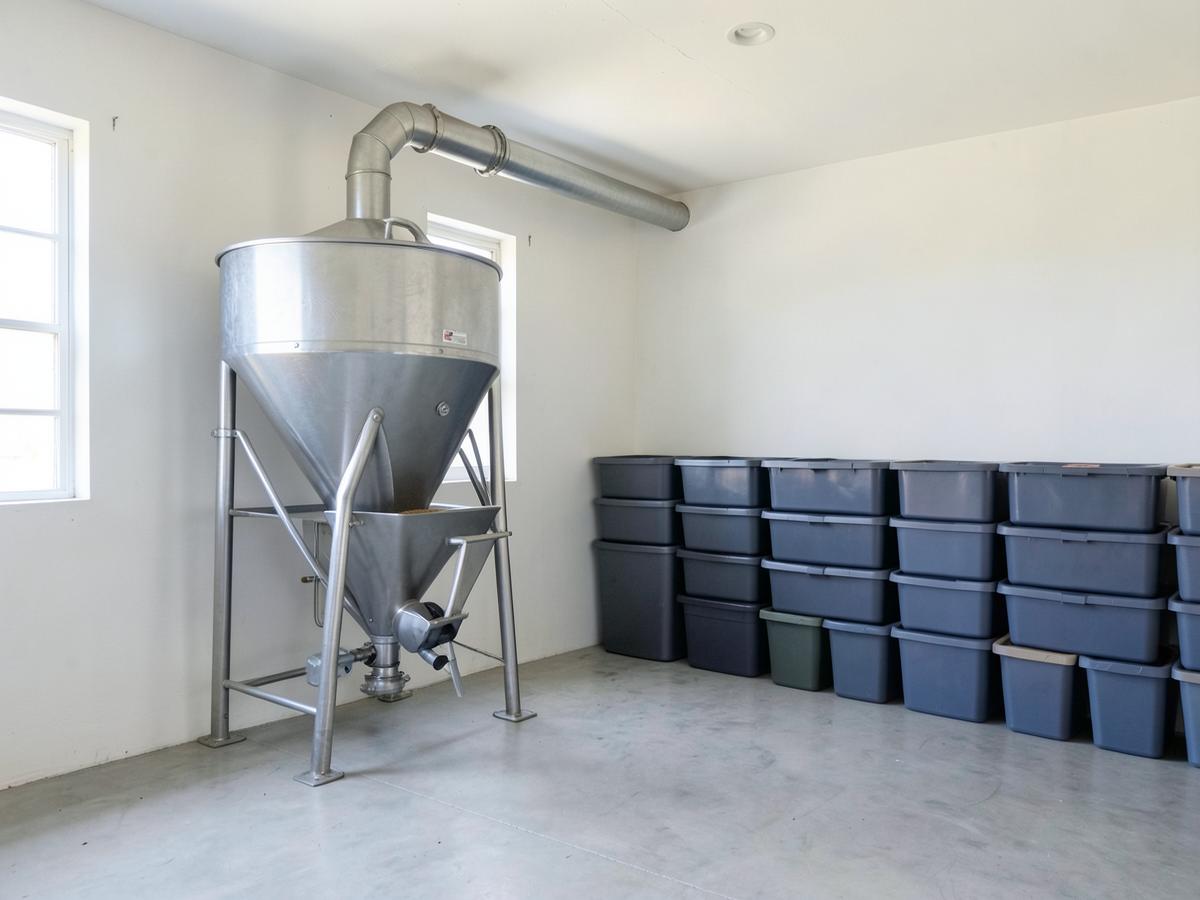
A tack room in a stable block is usually cold and damp, which is hard on leather and on anything electrical. Ventilation, a solid floor and racking that keeps items off the wall help. Tack rooms are also a common theft target, so treat the door, the frame, the fixings and lighting as part of the storage plan, and check what your insurer requires of locks and alarms rather than assuming. Our stable yard security guide covers the practical side.
Bin capacities, rack sizes, materials and prices are confirmed with the manufacturer before you order. Send a photograph and rough measurements of the room, with the number of horses, and we will suggest a layout before recommending anything.
Feed storage first, because it protects money already spent and prevents feeding mistakes. Rug and wet kit storage second, because that is what crowds a room in winter. General shelving and racking third, once you know what is actually left over. Small items last. Buying in that order avoids the common outcome of a smart racking system that still has feed sacks on the floor underneath it.
Cold, still air in a stable block holds moisture, and leather, rugs and electrical items all suffer for it. Air movement matters more than heating: a vent, a gap behind racking and space between hung rugs go a long way. Keep saddles and bridles away from external walls where condensation forms, and check regularly rather than at the end of the season. If the room is genuinely wet, that is a building job before it is a storage purchase.
Where more than one person feeds or rugs up, labelling is a safety measure rather than a nicety. One named bin per horse for anything fed by weight, a written ration list where feeds are mixed, and supplements or medication stored separately prevent the mistakes that matter. On a livery yard, agree who is responsible for restocking and who has keys before adding lockable storage. See our stable equipment buying guide for the fittings that go with it.
In sealed, vermin-proof bins kept off the floor, in a dry ventilated room, with clean scoops kept with the bins and anything fed by weight labelled clearly.
On racks that allow air behind the rug, in a ventilated space, with rugs spaced apart. If rugs regularly go back on damp, drying provision is the real answer.
Plan for one feed bin per feed type, one rug rack position per horse, plus open shelving for boots and bandages. Send measurements and horse numbers and we will suggest a layout.
Insurers often set requirements for locks, alarms and how tack is secured. Check your own policy wording rather than assuming, before you fit out the room.
Usually yes. What decides it is the wall construction, the floor and the ventilation, which is why we ask for photographs before recommending anything.
Recommended equipment
Explore the equipment discussed in this guide, with specifications and buying information on each product page.
Placeholder imageYard Equipment · Yard Storage
Feed bins, rug racks and shelving specified together so a tack room stays dry, organised and easy to work in.
Price on request
Enquire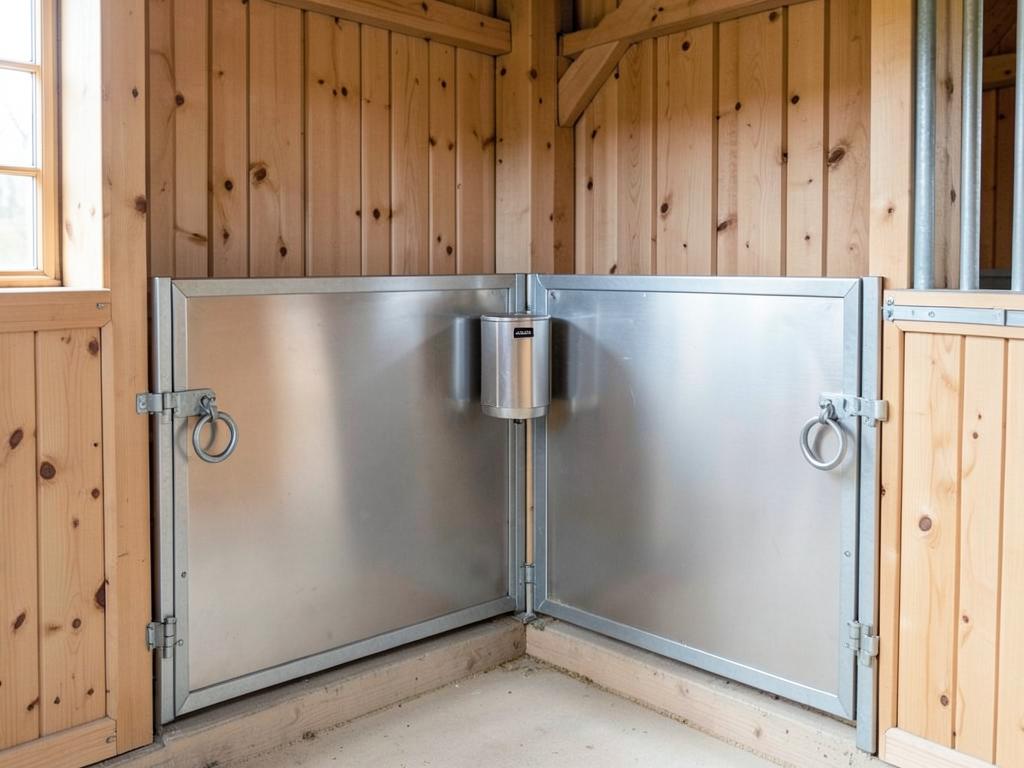 Placeholder image
Yard Equipment · Stable Fittings
Stainless mangers, automatic drinkers, tie rings and stable hardware specified to fit out or refit a stable properly.
Price on request
Enquire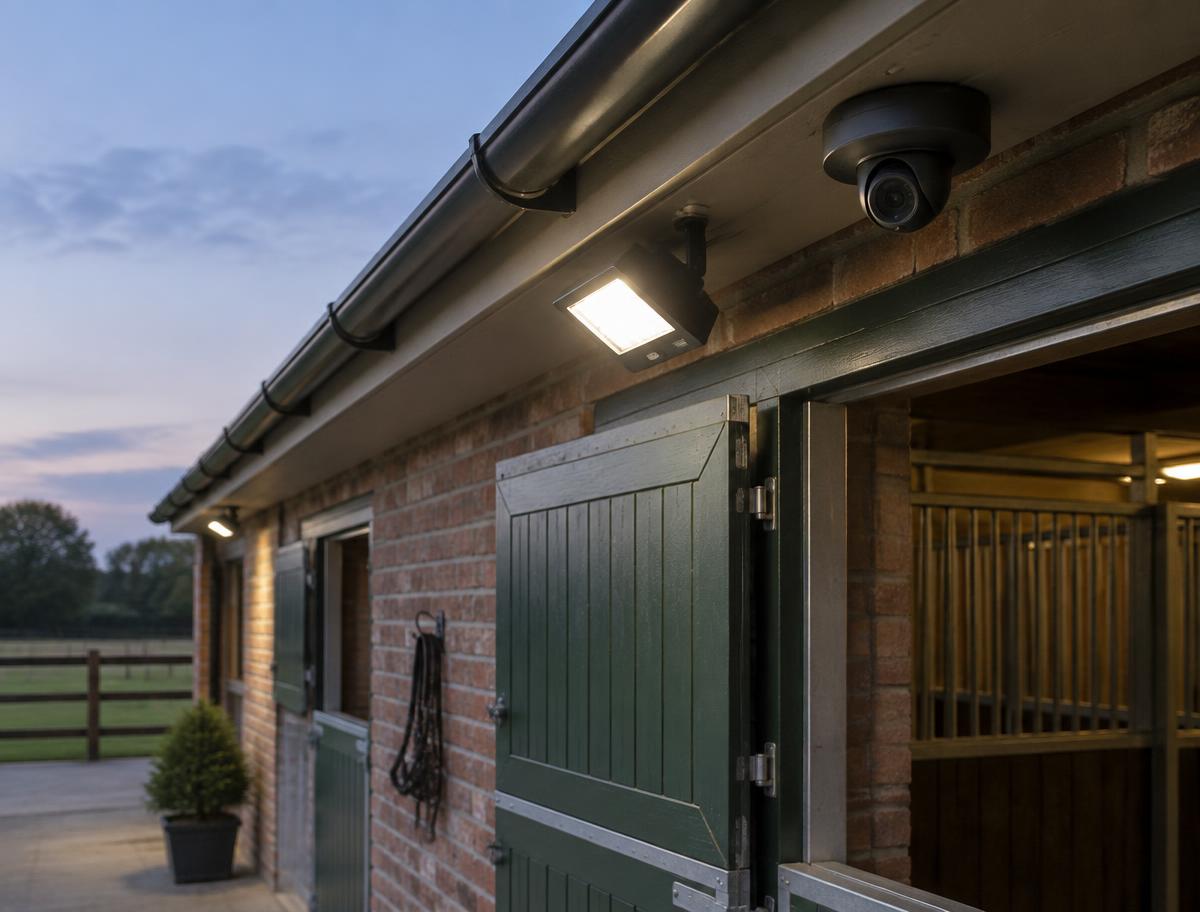 Placeholder image
Yard Equipment · Security
Cameras, lighting and alerting covering stables, gates, tack rooms and parking.
Price on request
Enquire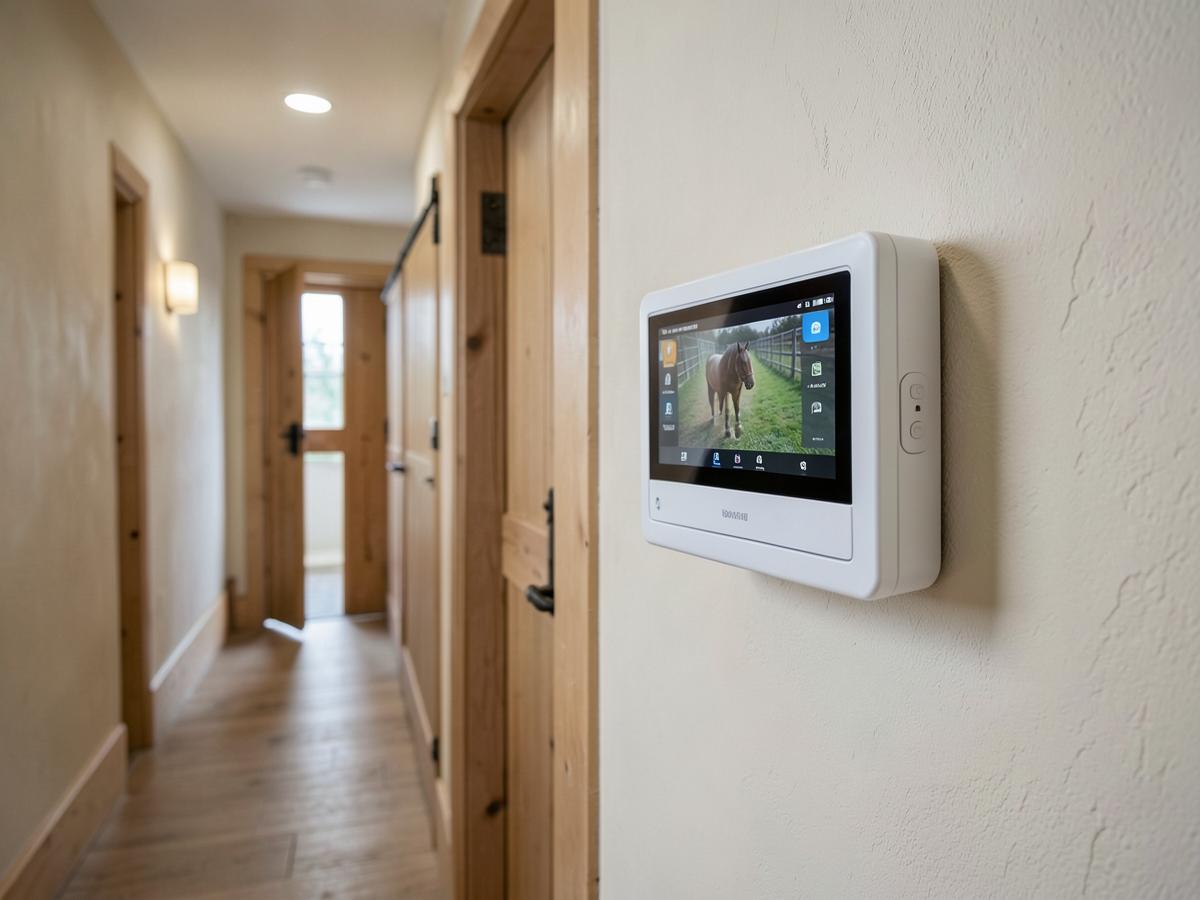 Buying guide
Automation
What you will learn: Practical automation for feeding, water, lighting, turnout and security on a working yard.
Read guide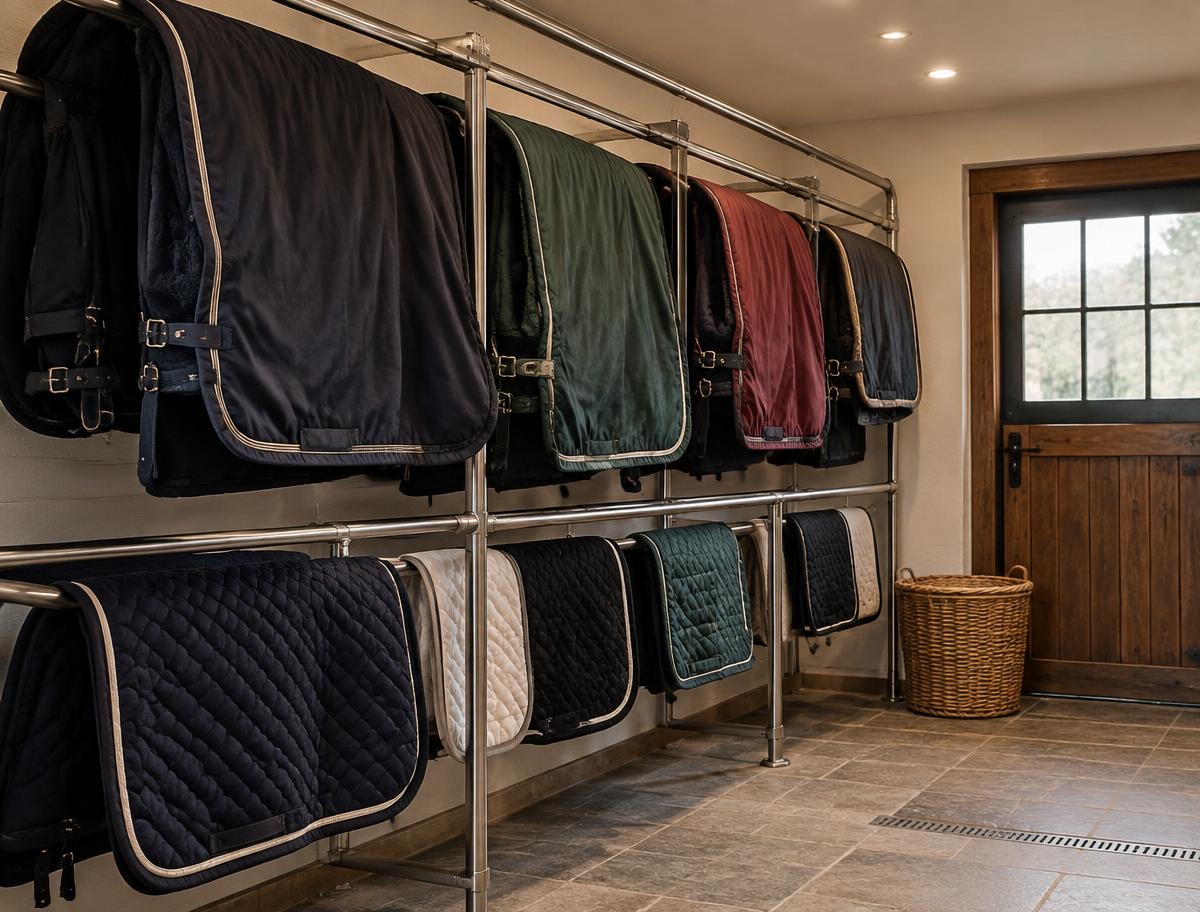 Buying guide
Yard equipment
What you will learn: Where equipment saves the most time on a small private yard, in order of usefulness.
Read guide Buying guide
Planning
What you will learn: The equipment decisions that shape the budget when building or upgrading a private yard.
Read guide