 Placeholder image
Yard Equipment · Security
Yard Security System
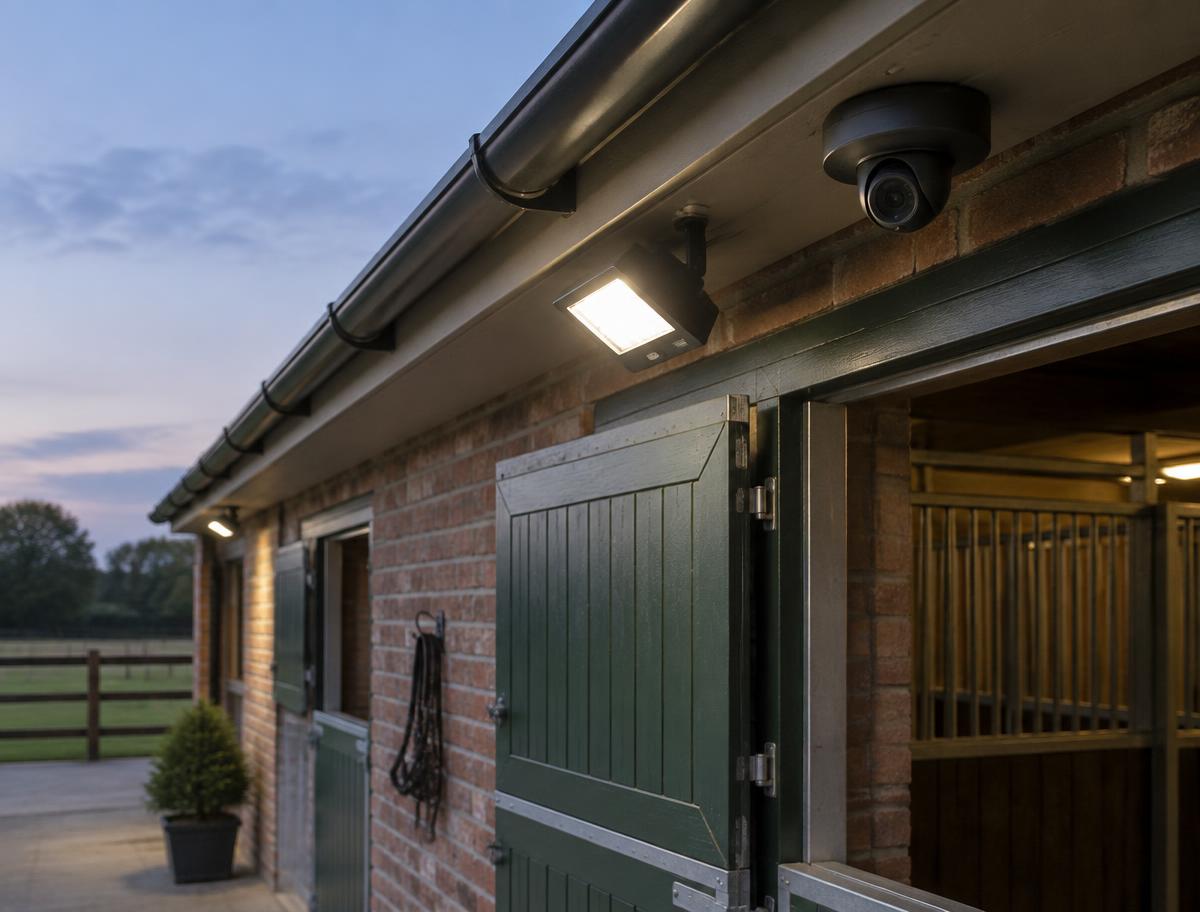
Cameras, lighting and alerting covering stables, gates, tack rooms and parking.
Price on request
EnquireUK support
Security
Where security spending actually helps, from lighting and locks to cameras, alarms and marking equipment.
Start with access, sight lines and lighting rather than equipment: how a vehicle reaches the yard, which doors are visible, and what could be carried off quickly. Then strengthen doors, frames, fixings and field gates, and add cameras only where you know what you need to see. Keep photographs and serial numbers of equipment off site, keep passports and microchip records current, and tell people what any camera records.
Practical preparation
Gather these details first. They will rule out unsuitable options and make any quotation more useful.
Most yard losses are opportunist: an unlocked tack room, an open field gate, a quiet lane and a vehicle that can reverse to the door. Before buying equipment, walk the yard as a stranger would and note where a vehicle can reach, which doors are visible from the house or road, and what could be carried away in a minute. Fixing access, sight lines and lighting usually prevents more than any single piece of technology does.
A good lock in a weak door or frame is not security. Check the frame, the hinges, the fixings and whether hasps are bolted through rather than screwed. Tack rooms, feed rooms and any building holding machinery deserve attention first. Field gates matter too: gates hung so they cannot be lifted off, and locked at the hinge end as well as the latch, are much harder to remove.
Lighting helps you work safely on dark winter mornings and makes a yard less attractive to visit at night, so it usually earns its place twice. Cameras are most useful where you know what you want to see: the tack room door, the yard entrance and the vehicle route. Check the night image and the field of view before fixing anything permanently, and confirm signal and power at each position. A yard security system can be specified around those positions once they are decided.
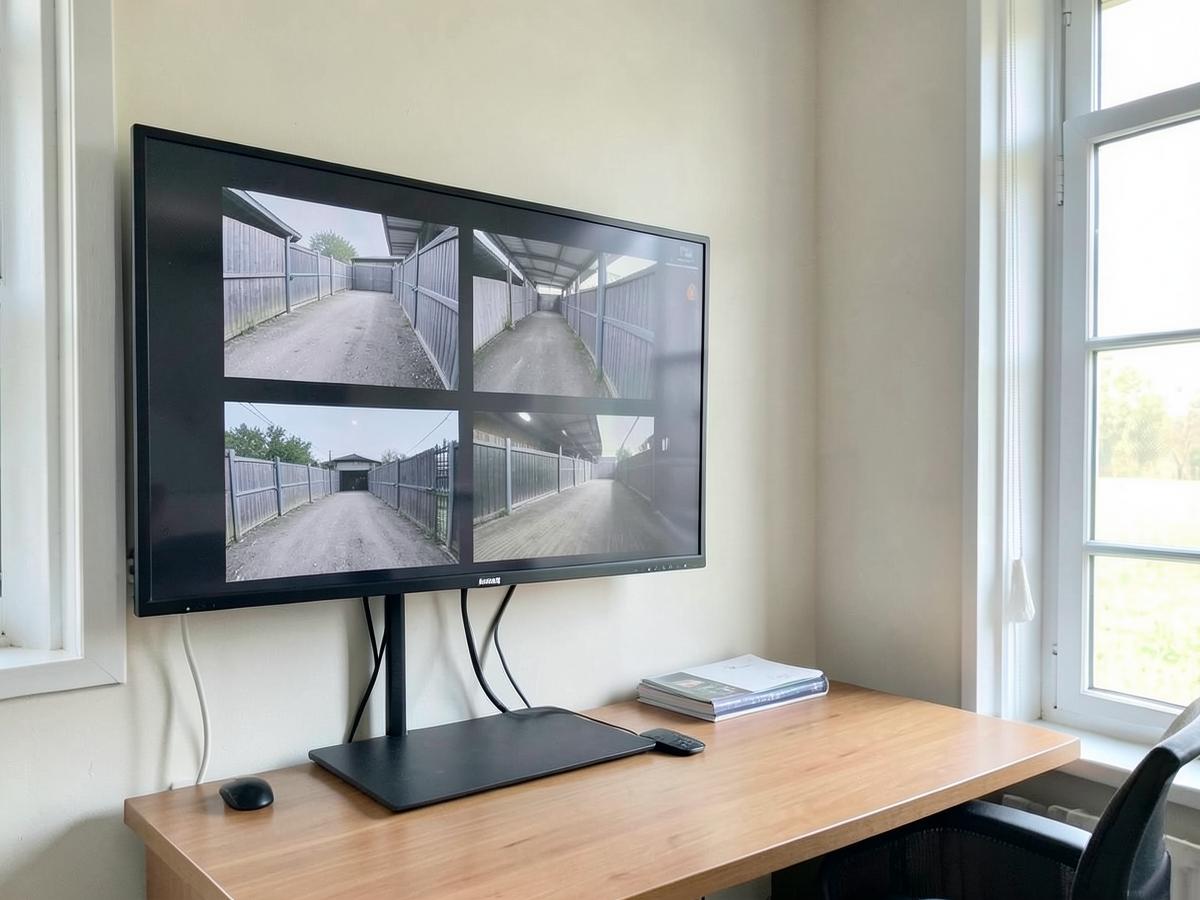
Keep an up-to-date list of equipment with photographs, serial numbers and identifying marks, stored away from the yard. Freeze marking or microchipping horses and marking tack are widely recommended in the UK, and horse passports and microchipping are legal requirements for horse owners in Great Britain, so keep that paperwork current and accessible. Report thefts to the police, and to your insurer, promptly. Recording equipment of any kind should also be set up with people in mind: agree who can view footage, where it is stored and how long it is kept.
Cameras that cover areas beyond your own land, including a lane, a neighbouring property or a shared yard, bring data protection responsibilities for the person operating them. On a livery yard, tell liveries what is recorded and why, put signs up, and keep access limited. The Information Commissioner's Office publishes guidance for domestic and business CCTV, and it is worth reading before installing rather than afterwards.
Camera specifications, storage, alarm options and prices are confirmed with the manufacturer before you order. Send a sketch or photographs of the yard with the positions you are considering and we will advise on what is practical.
Walk the yard after dark and note where you cannot see. Fix lighting and the worst door or gate first, because those change behaviour on the ground. Next, make the valuable rooms harder to enter quickly. Then consider cameras or an alarm for the positions that still concern you. Buying cameras first is the most common mistake we see: footage of a theft is far less useful than the theft not happening.
Gates hung so they cannot be lifted off the hinge, locked at both ends, and sited away from a quiet lane are the basics. Check fencing and boundaries regularly, and vary the times you visit if horses are kept somewhere remote. Where horses graze away from the yard, an agreed daily check by a named person matters more than any equipment, and welfare guidance in the UK is clear that horses need checking at least daily whatever security is in place.
On a shared yard, security fails at the edges: who locked up, whose key, whose tack was left out. Write down who is responsible for locking each building, keep a key list, and agree how visitors and contractors are let in. If liveries store their own tack, tell them plainly what is and is not covered by the yard's arrangements and insurance, so each owner can insure their own equipment properly.
We can help specify equipment around positions you have decided, and confirm what a manufacturer states about a model. We cannot certify a yard as secure, advise on insurance terms or on data protection compliance, or promise that equipment prevents theft. For crime prevention advice speak to your local police force, for insurance requirements speak to your insurer, and for camera and recording obligations read the current guidance from the Information Commissioner's Office.
With lighting, access and the weakest door or gate. Those change day-to-day risk more than any single piece of technology, and lighting also makes winter work safer.
They help where you know what you want to see, such as the tack room door and the yard entrance. Check the night image, field of view, signal and power at each position before fixing anything.
Yes, the person operating them takes on responsibilities. Put up signs, limit who can view footage, agree how long it is kept, and read the Information Commissioner's Office guidance before installing.
Keep photographs, serial numbers and identifying marks in a list stored away from the yard, and update it when you buy or sell. It supports both police reports and insurance claims.
Passports and microchipping are legal requirements for horse owners in Great Britain, and marking is widely recommended. Keep the paperwork current and accessible, and report any theft to the police promptly.
Recommended equipment
Explore the equipment discussed in this guide, with specifications and buying information on each product page.
Placeholder imageYard Equipment · Security
Cameras, lighting and alerting covering stables, gates, tack rooms and parking.
Price on request
Enquire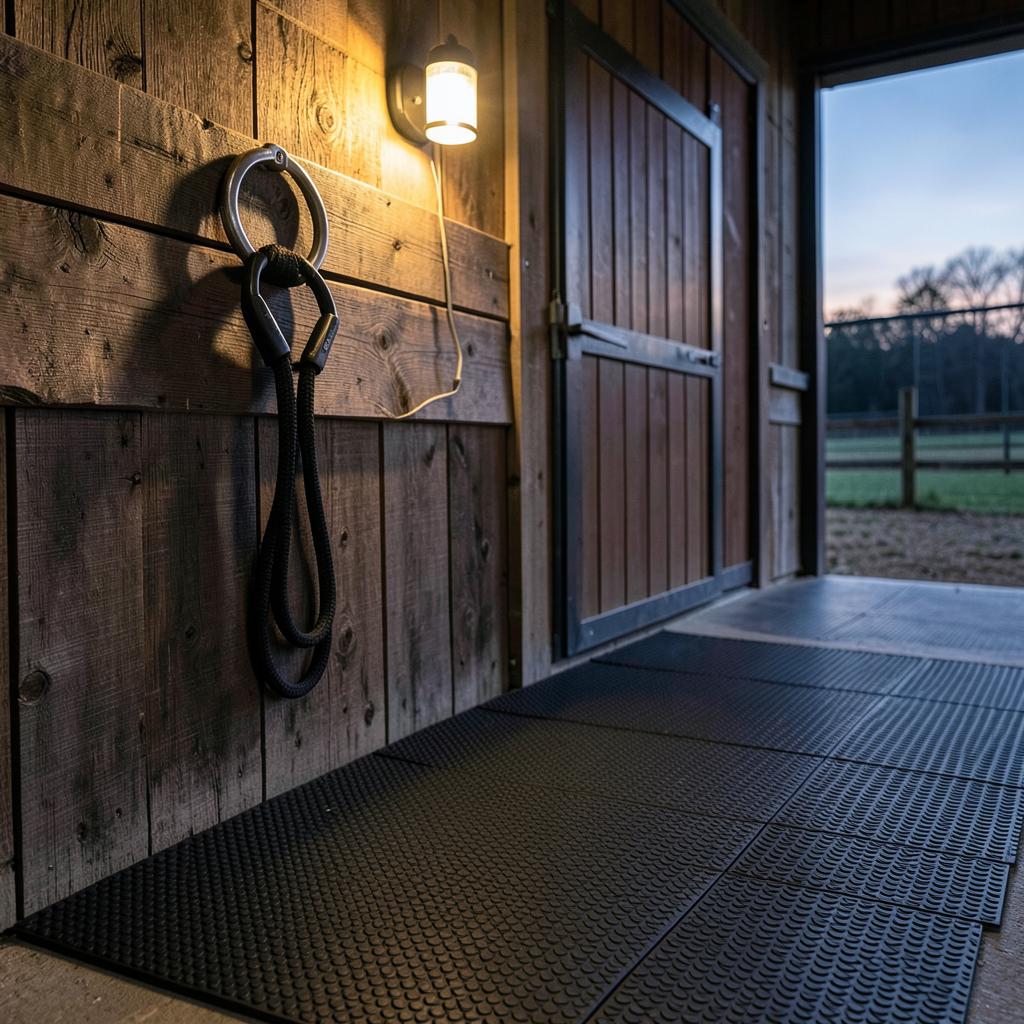 Placeholder image
Yard Equipment · Yard & Stable Safety
Non-slip matting, quick release fittings and yard lighting specified to make a working yard safer in the dark and the wet, chosen around the layout and routines you already have.
Price on request
Enquire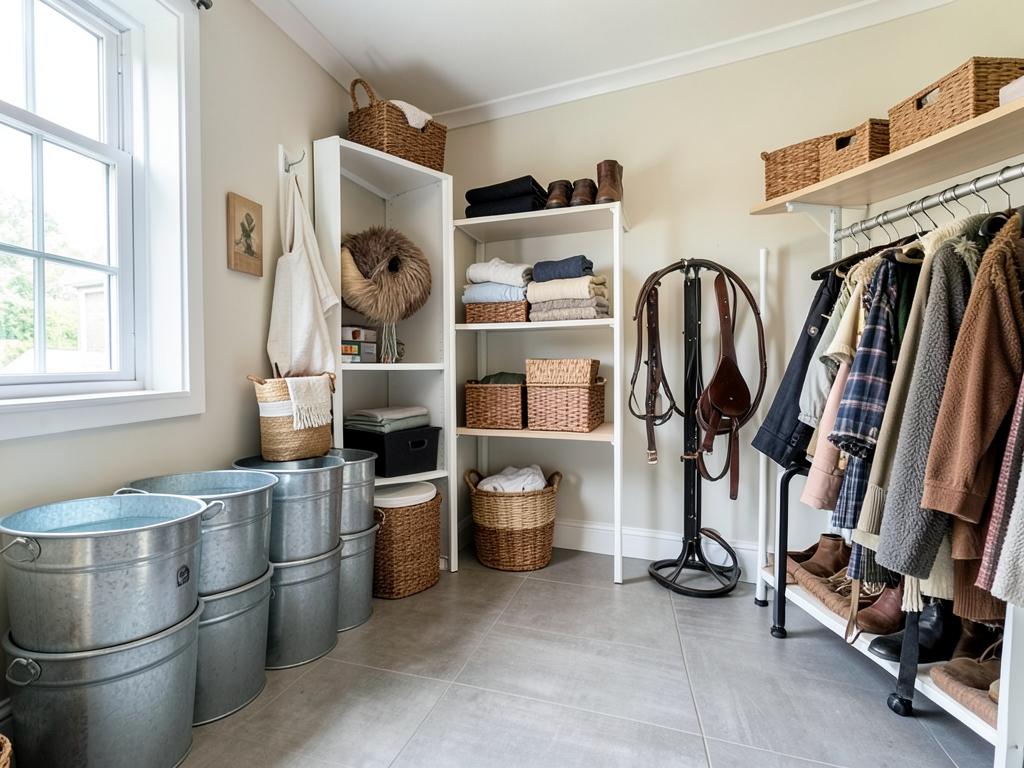 Placeholder image
Yard Equipment · Yard Storage
Feed bins, rug racks and shelving specified together so a tack room stays dry, organised and easy to work in.
Price on request
Enquire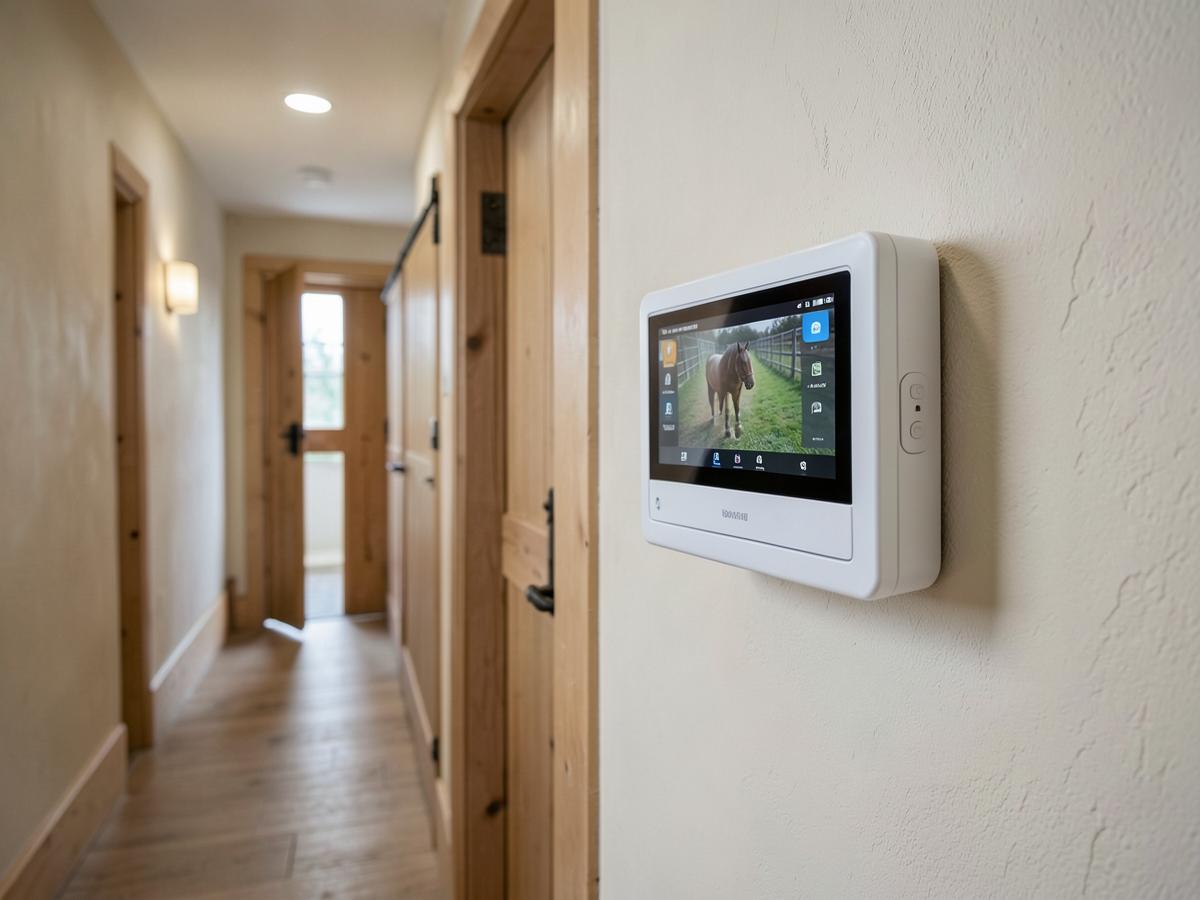 Buying guide
Automation
What you will learn: Practical automation for feeding, water, lighting, turnout and security on a working yard.
Read guide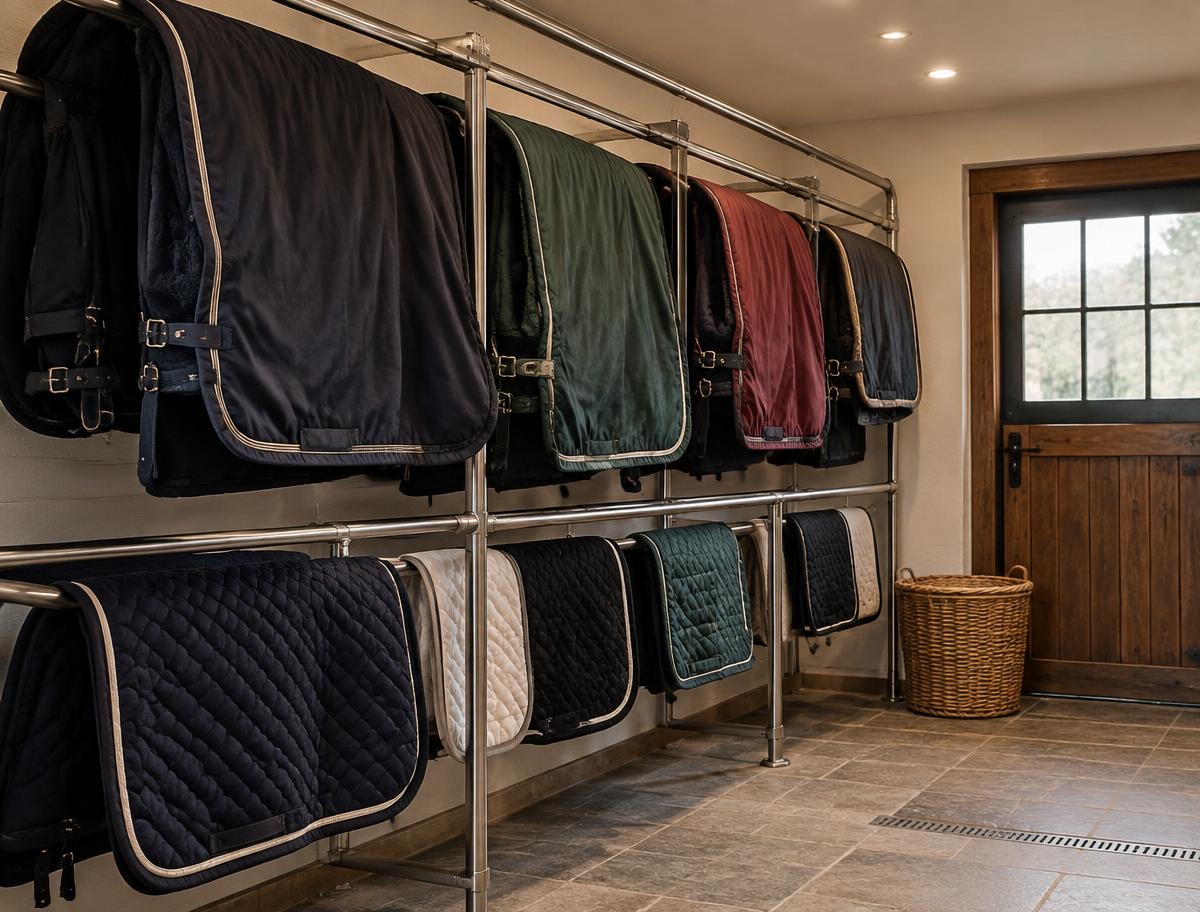 Buying guide
Yard equipment
What you will learn: Where equipment saves the most time on a small private yard, in order of usefulness.
Read guide Buying guide
Planning
What you will learn: The equipment decisions that shape the budget when building or upgrading a private yard.
Read guide