 Placeholder image
Professional · Advanced Yard Systems
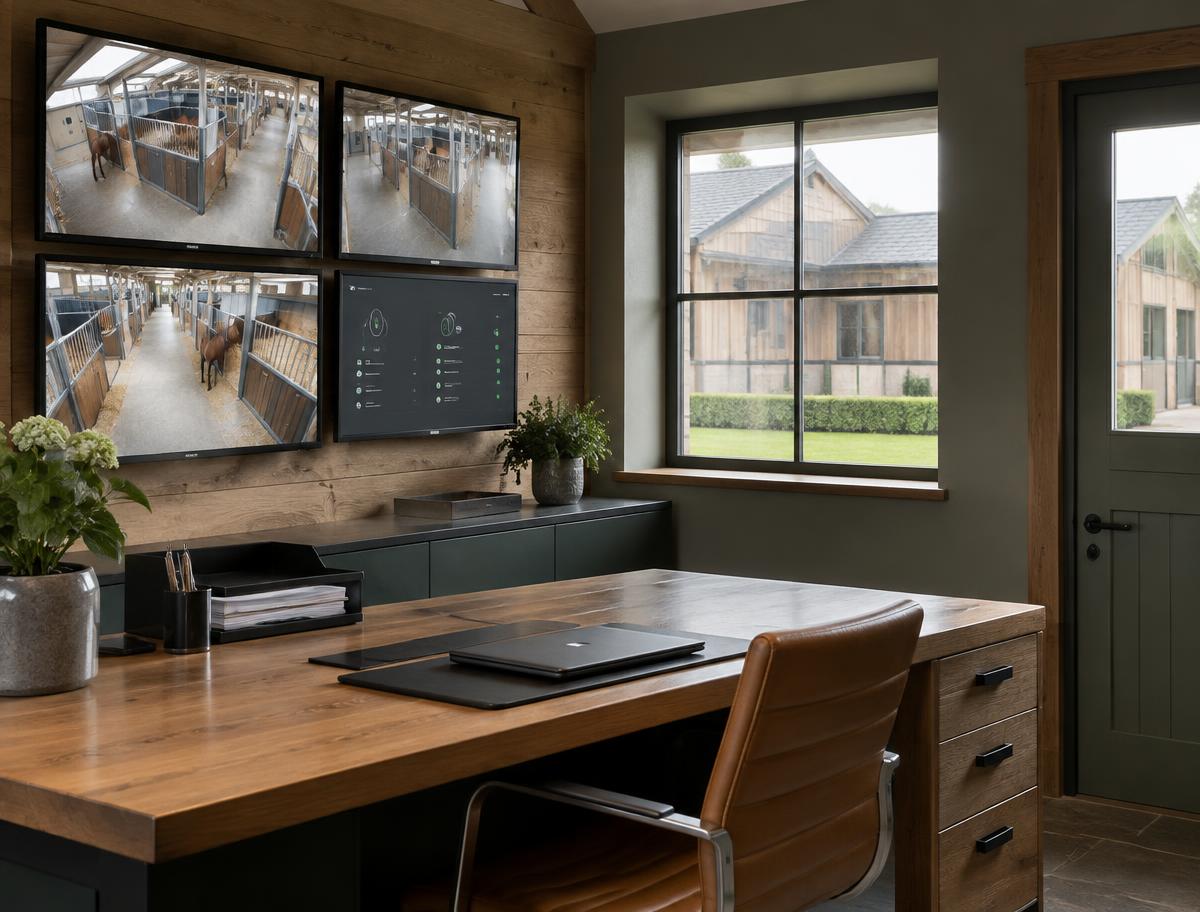
Advanced Yard Management System
Facility-wide control and record keeping across feeding, exercise, monitoring and staffing routines.
Price on request
EnquireUK support
Racing & professional yards
Multi-horse monitoring, training telemetry and connected yard systems, and what changes when you scale from one horse to a string.
For a professional yard the questions are how many horses a system supports, whether records compare across horses and weeks, who has access, and how much staff time it needs daily. Start with whichever of monitoring, feeding or work data currently costs the most staff time, and agree who is responsible for the system before it is installed.
For one horse, a device is a convenience. Across a string, the questions become how many horses a system supports, whether records can be compared between horses and across weeks, who has access, and how much staff time the system needs each day. Equipment that suits a private owner often does not survive contact with forty stables.
Professional yards use work data to see whether horses are progressing as planned and how they recover between pieces of work. The useful output is a trend a trainer can act on, not a large volume of readings. Ask how data is presented, how quickly it is available after work, and whether it can be exported for a vet or an owner report.
Multi-stable monitoring is judged on coverage, alerting and reliability rather than image quality alone. Consider how many cameras a recorder supports, how alerts reach whoever is on duty overnight, what happens when the network drops, and how footage is retained. Security across gates, feed stores and parking is usually planned at the same time.
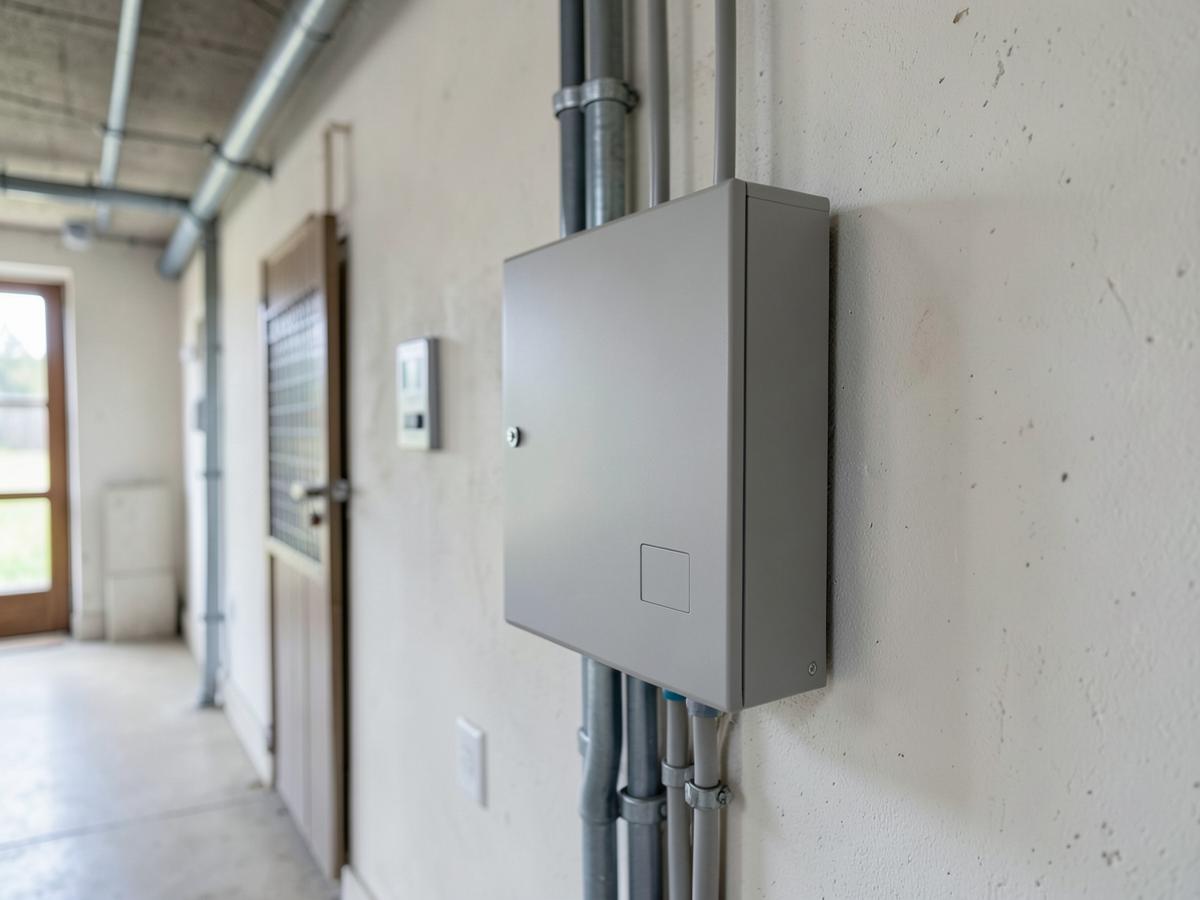
The systems that last are the ones that fit the existing routine and have one person responsible for them. Before ordering, agree who checks alerts, who reviews data, and what the fallback is when something fails. We go through installation, network and support requirements on enquiry rather than assuming a standard setup.
Most professional yards start with whichever of monitoring, feeding or work data is currently costing the most staff time, then connect the rest as the infrastructure allows. Tell us the number of horses, the buildings and the routine and we will set out the options and what each would require.
Systems fail on handover rather than hardware. Decide who checks alerts overnight, who reviews work data, how access is passed on when staff change, and what the manual fallback is. Write it down. A yard where three people assume someone else is watching the alerts is no better off than one with no system at all.
Trainers and professional yards are often asked what a horse has done. Ask whether a system can produce a simple summary for an owner or vet without exporting raw data, and who is responsible for sending it. Reporting that takes an hour a week will not happen in the season.
It varies considerably between products, for both monitoring and wearables. It is one of the attributes we set out on enquiry and in our comparisons.
Some systems allow export or shared access for a vet or owner. Ask before ordering if reporting matters to you.
More than a single camera does. We look at coverage across the block, the recorder position and the connection available before recommending anything.
Recommended equipment
Explore the equipment discussed in this guide, with specifications and buying information on each product page.
Placeholder imageProfessional · Advanced Yard Systems
Facility-wide control and record keeping across feeding, exercise, monitoring and staffing routines.
Price on request
Enquire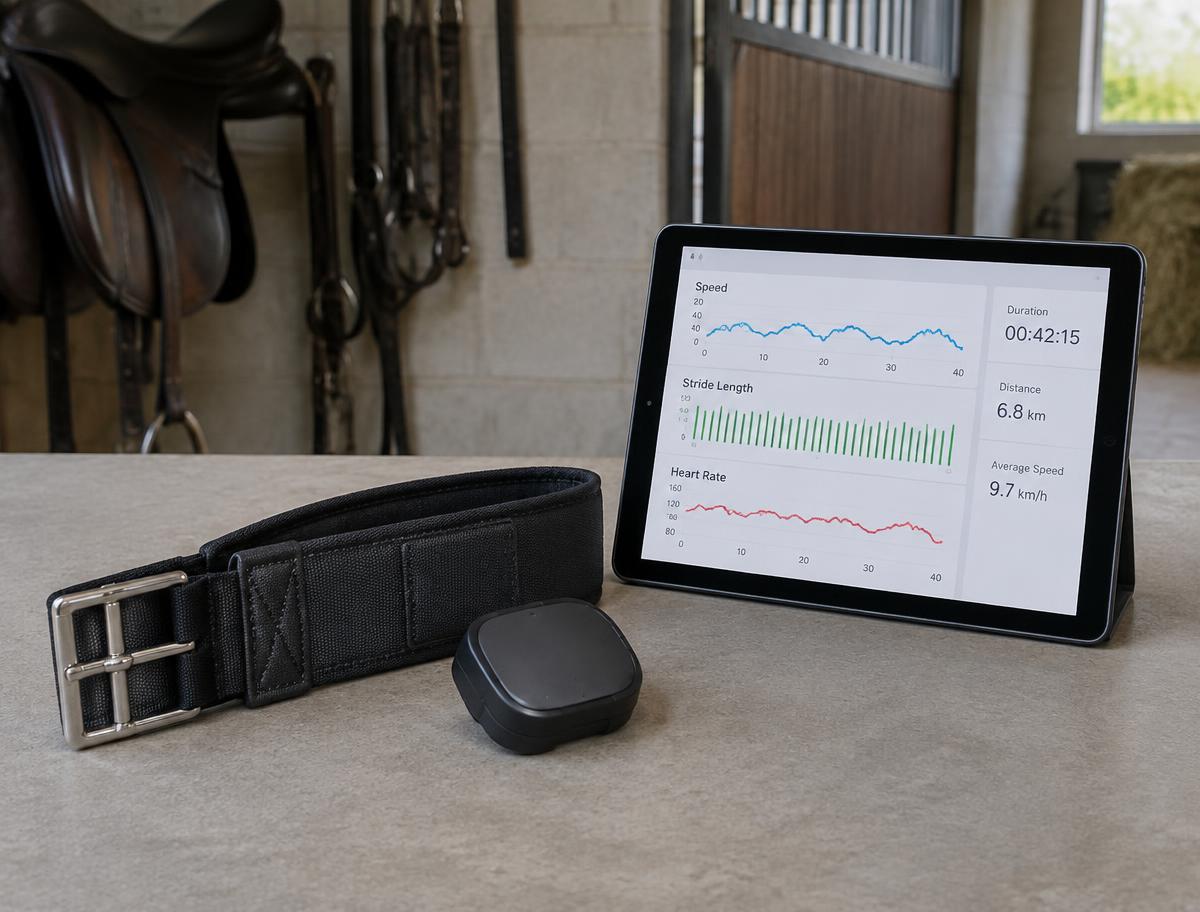 Placeholder image
Performance · Monitoring
Heart rate, speed and workload monitoring so training decisions are based on data rather than guesswork.
Price on request
Enquire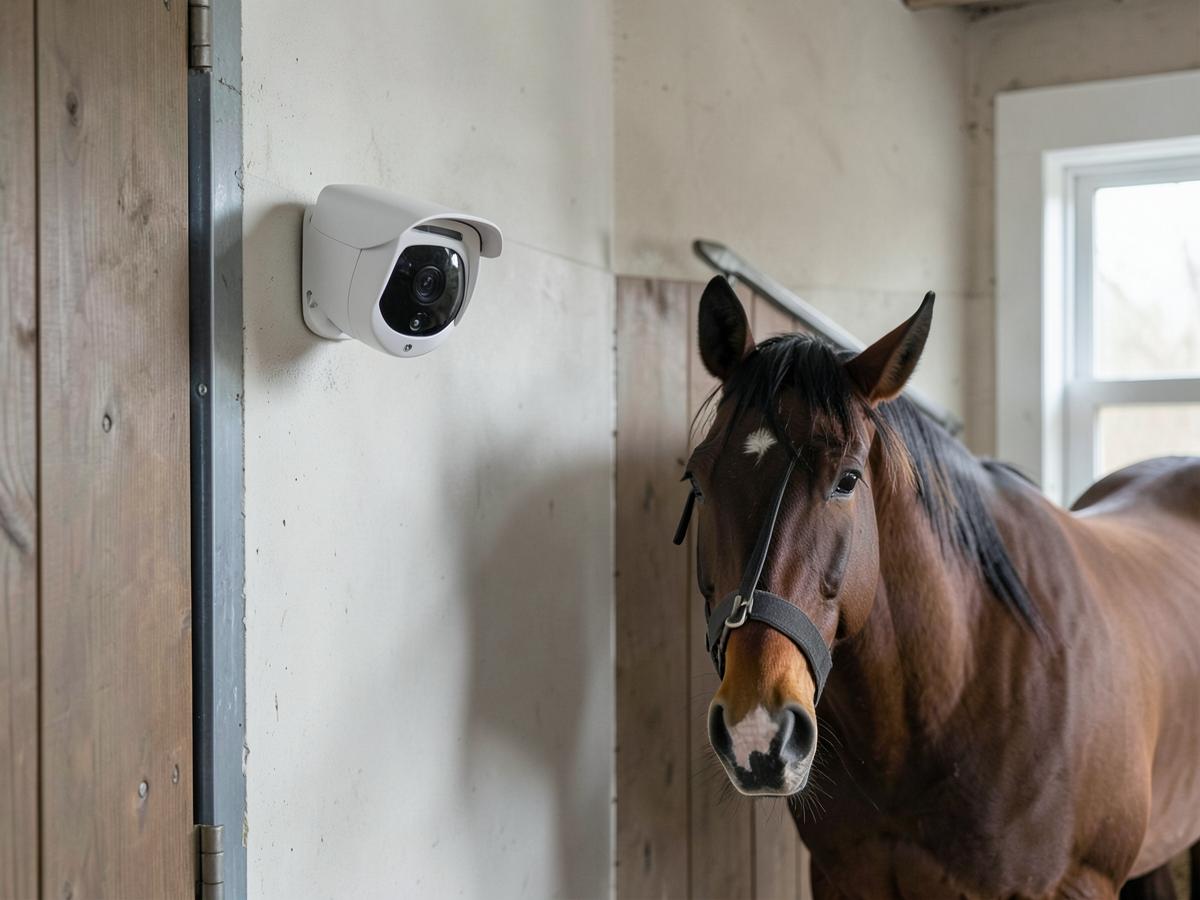 Placeholder image
Horse Care · Monitoring
Camera-based stable monitoring you can view from your phone, with night vision and movement alerts.
Price on request
Enquire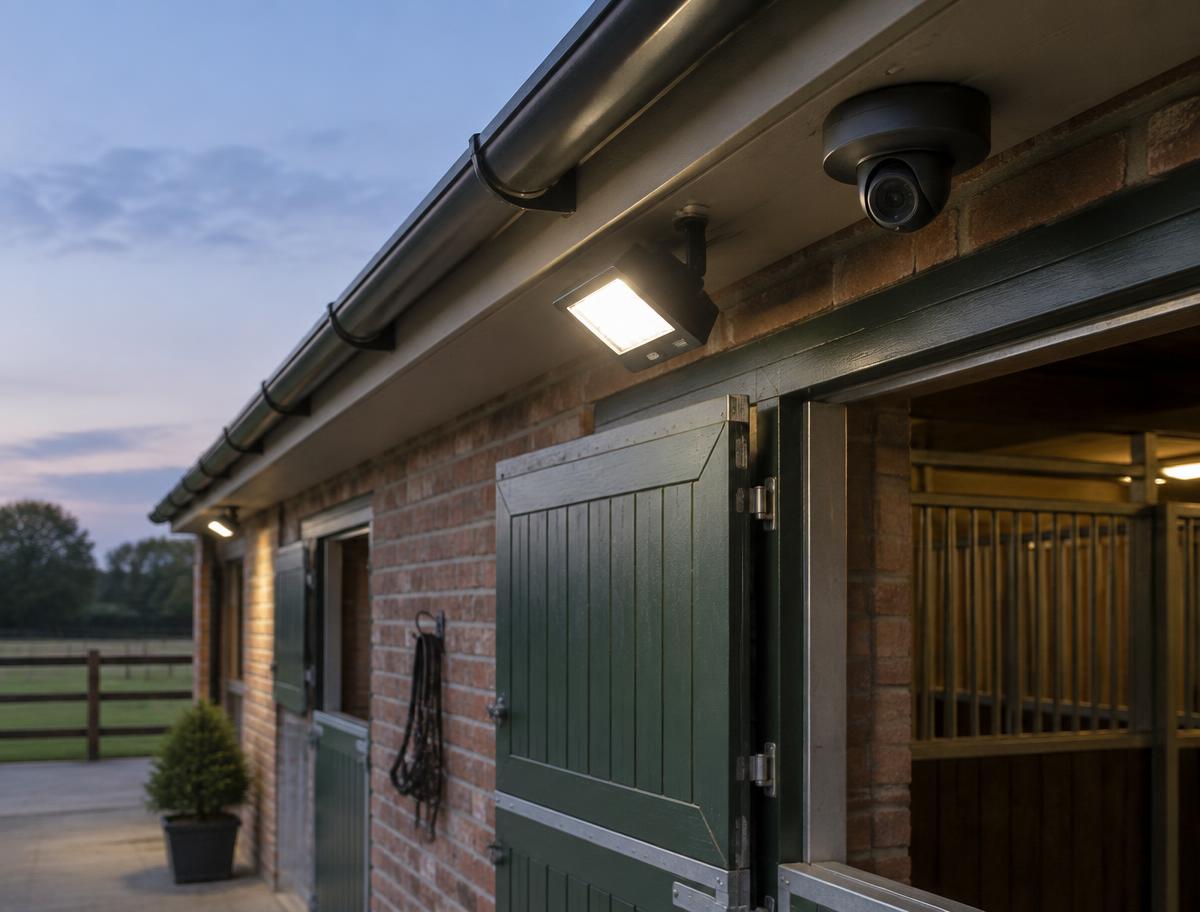 Placeholder image
Yard Equipment · Security
Cameras, lighting and alerting covering stables, gates, tack rooms and parking.
Price on request
Enquire Buying guide
What you will learn: How to compare specialist equipment when the purchase runs to thousands of pounds.
Read guide Buying guide
Equine health & recovery
What you will learn: Monitoring and recovery equipment used alongside veterinary care, what it is genuinely used for and how to introduce it.
Read guide