 Placeholder image
Performance · Recovery
Equine Recovery System
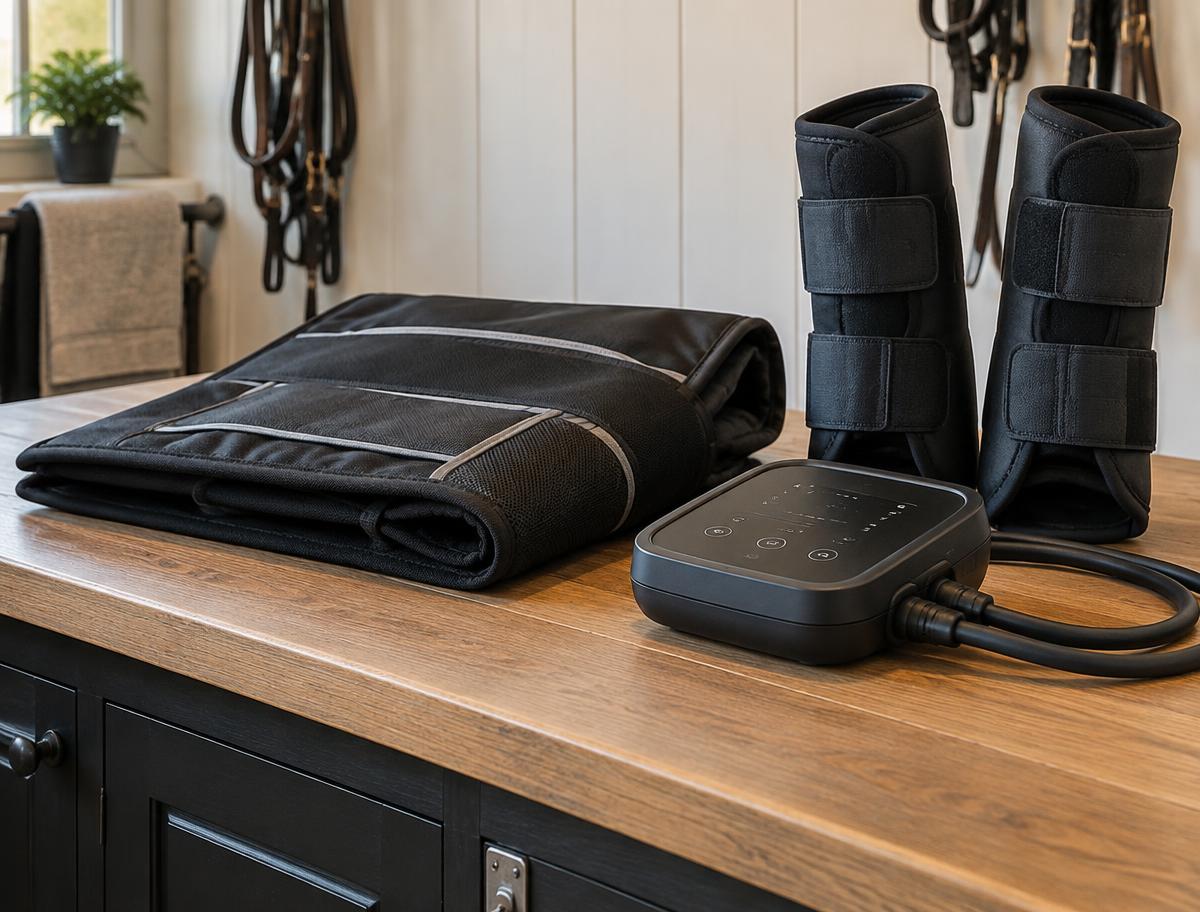
Compression and cooling equipment used after exercise to support circulation and comfort.
Price on request
EnquireUK support
Equine health & recovery
Monitoring and recovery equipment used alongside veterinary care, what it is genuinely used for and how to introduce it.
Recovery and health monitoring equipment supports a programme someone qualified has set: consistent routines after hard work, controlled exercise during rehabilitation, and simple records kept day to day. It does not diagnose or treat anything. Speak to your vet or physiotherapist before introducing anything new for a horse under treatment.
Recovery and monitoring equipment supports a programme that someone qualified has set. It is used after work, during planned rehabilitation, and as part of a daily routine for horses in hard work. It is not a treatment you choose instead of professional advice, and it cannot diagnose anything. Where there is a suspected injury or illness, speak to your vet first and let the programme follow from that.
In practice it is used for consistency: the same routine after every hard session, the same controlled exercise during a return to work, the same daily checks recorded rather than remembered. Consistency is where most of the benefit sits, because a horse that is managed the same way every day is easier to read when something changes.
Ask your vet or physiotherapist before introducing anything new for a horse under treatment, and ask specifically about timing, duration and frequency. Keep a simple record of what was done and how the horse was afterwards; it is far more useful at the next visit than a recollection. Yard & Mane does not give clinical advice and we do not make therapeutic claims for equipment.
Consider where the horse will stand, how long the routine takes, who is competent to carry it out and how the equipment is cleaned and stored. Equipment that needs two people or twenty minutes tends to lapse. Confirm power, space and handling requirements before ordering — we go through these on enquiry.
Controlled exercise, water-based work and supported recovery suit different horses and different facilities. If you are weighing up equipment for structured work, our horse walker and water treadmill comparison sets out what each is for.
Write down what was done, for how long, and how the horse was afterwards. A few lines a day is worth more at the next veterinary or physiotherapy visit than a month of recollection, and it makes it obvious when a routine is slipping or a horse is not progressing as expected.
Agree who on the yard is competent to handle the horse and use the equipment, and keep the routine short enough that it survives a wet Tuesday. Equipment that needs two people or a long setup tends to be abandoned within a month, which is the most common reason recovery equipment is resold.
No. We make no therapeutic claims. Equipment of this kind is used alongside a programme set by your vet or physiotherapist.
Yes, particularly for any horse under treatment or returning from injury. Ask about timing, duration and frequency.
It varies by equipment. Ask before ordering, because a routine that fits the working day is the one that gets done.
Recommended equipment
Explore the equipment discussed in this guide, with specifications and buying information on each product page.
Placeholder imagePerformance · Recovery
Compression and cooling equipment used after exercise to support circulation and comfort.
Price on request
Enquire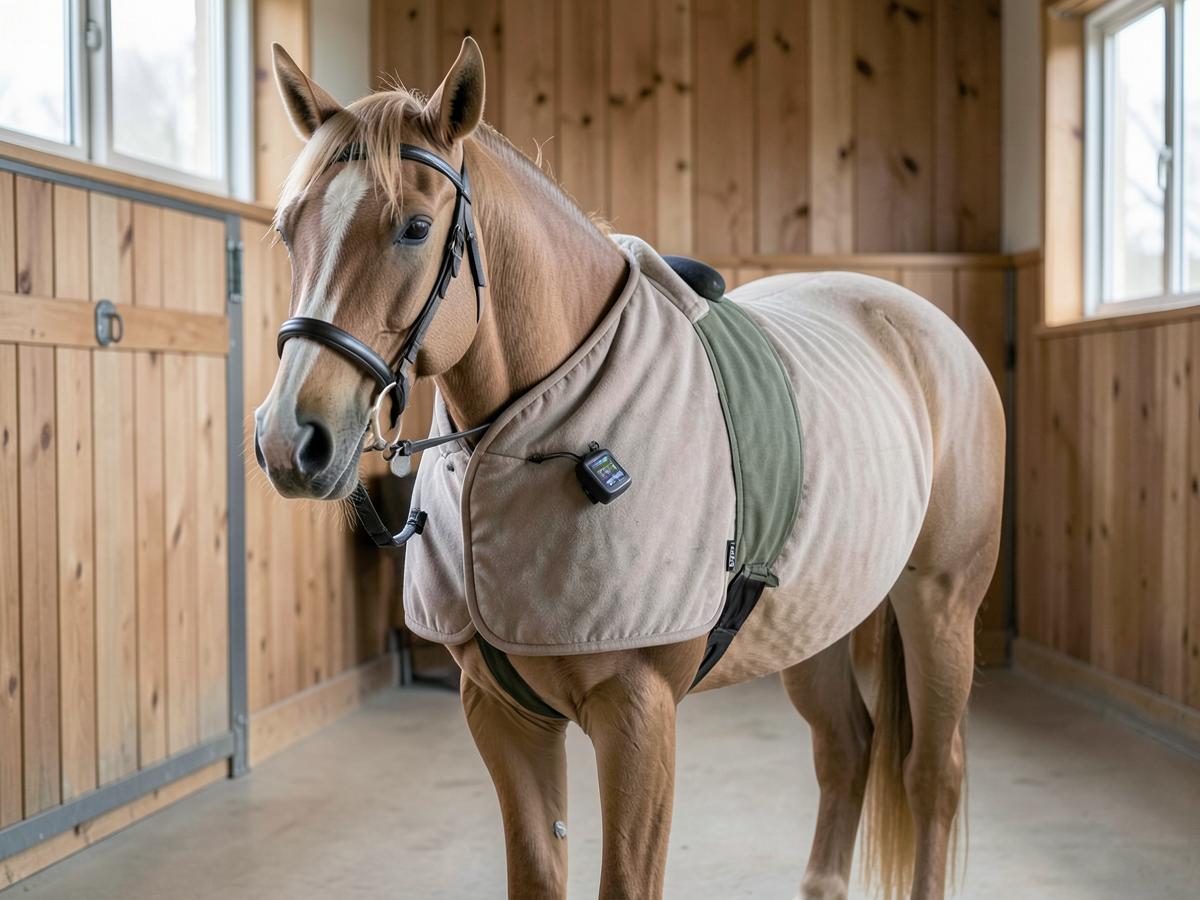 Placeholder image
Horse Care · Therapy
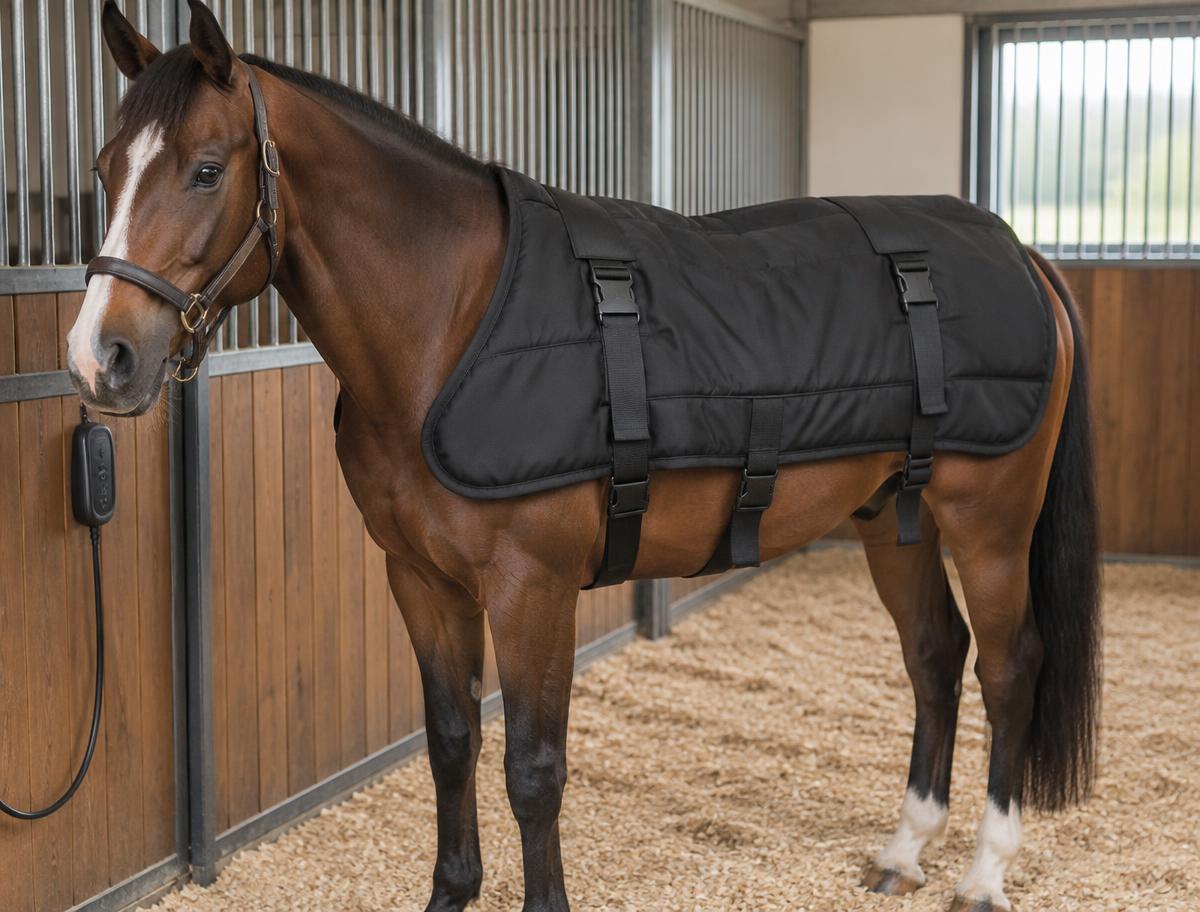
Wearable therapy system used before work to warm muscles and after work to support recovery.
Price on request
Enquire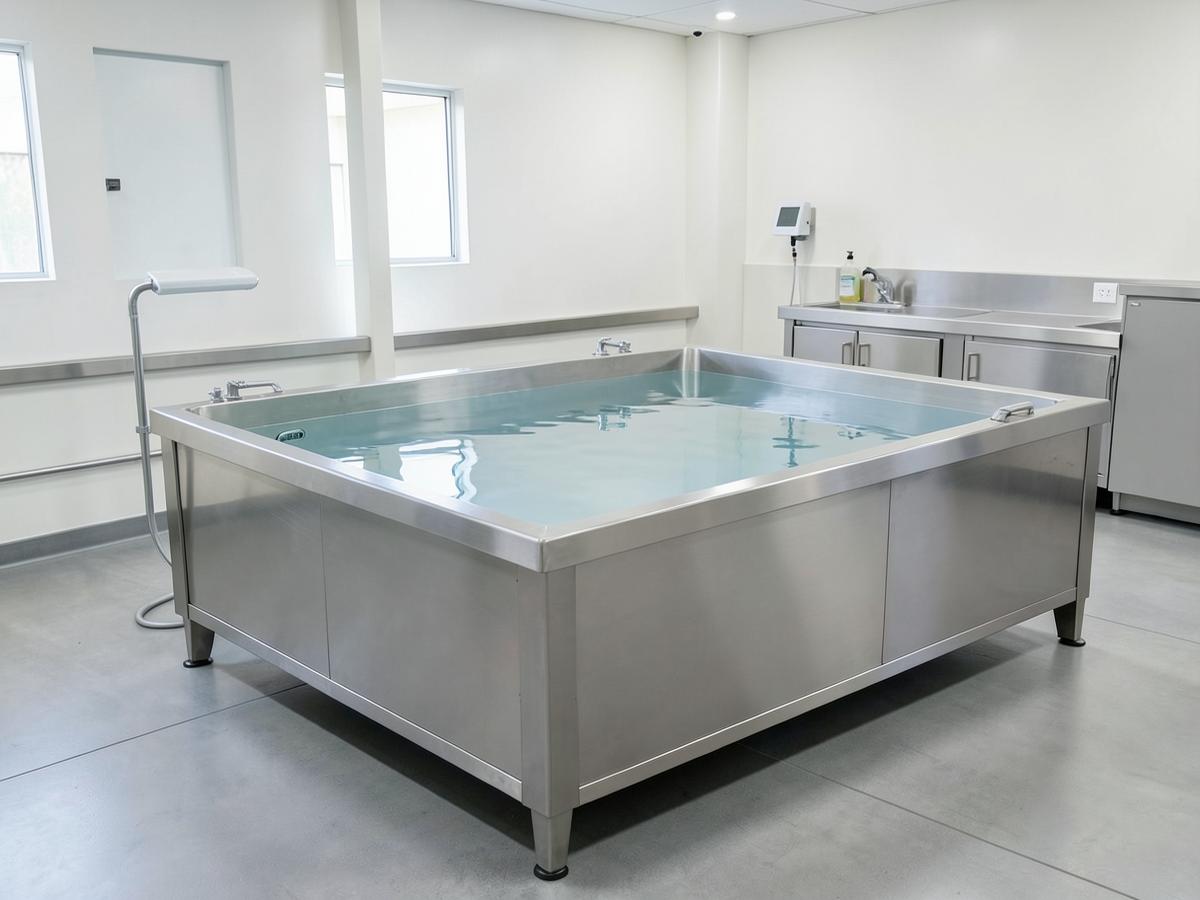 Placeholder image
Professional · Therapy
Cold saltwater spa used in professional yards and rehabilitation facilities for leg treatment.
Price on request
Enquire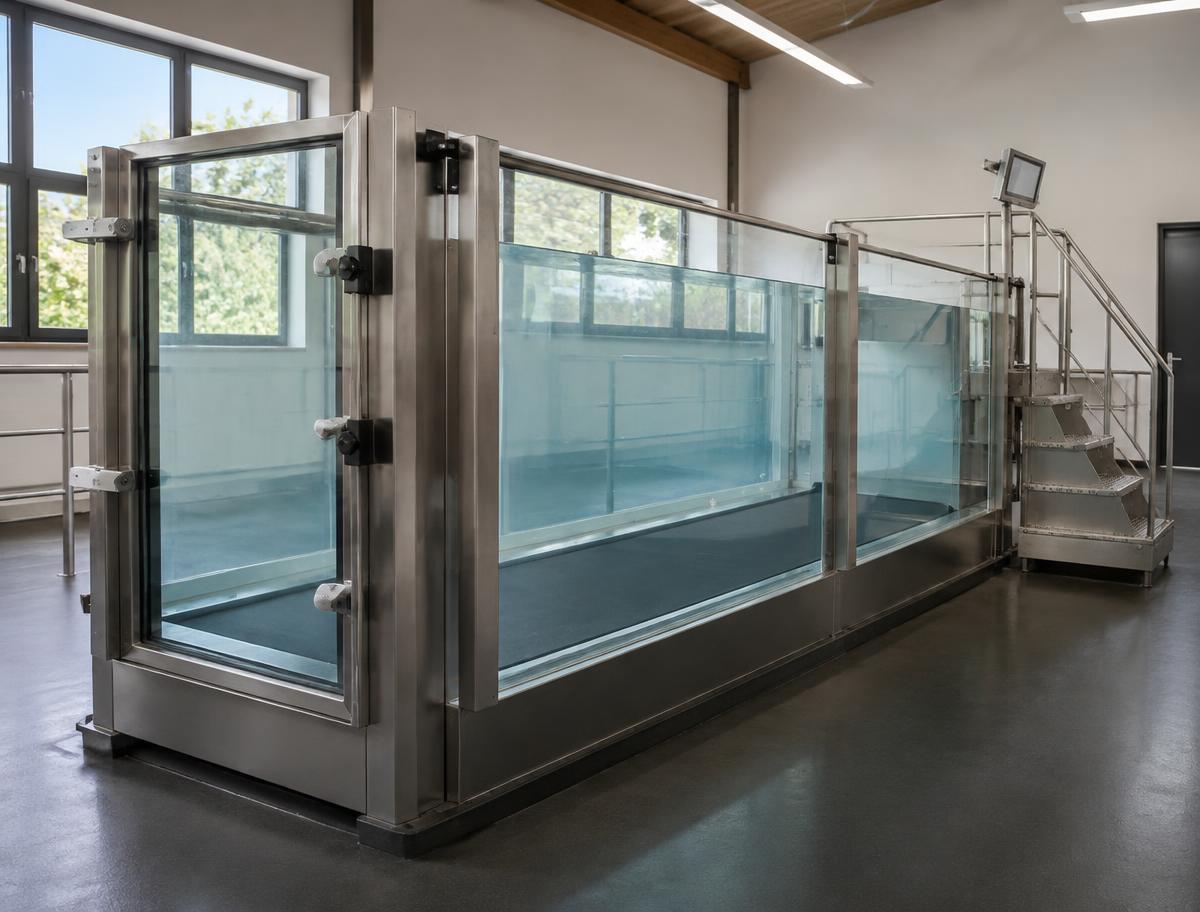 Placeholder image
Professional · Rehabilitation
Water treadmill for controlled, low-impact exercise in rehabilitation and conditioning programmes.
Price on request
EnquireBuying guideBuying guide
What you will learn: How to compare specialist equipment when the purchase runs to thousands of pounds.
Read guide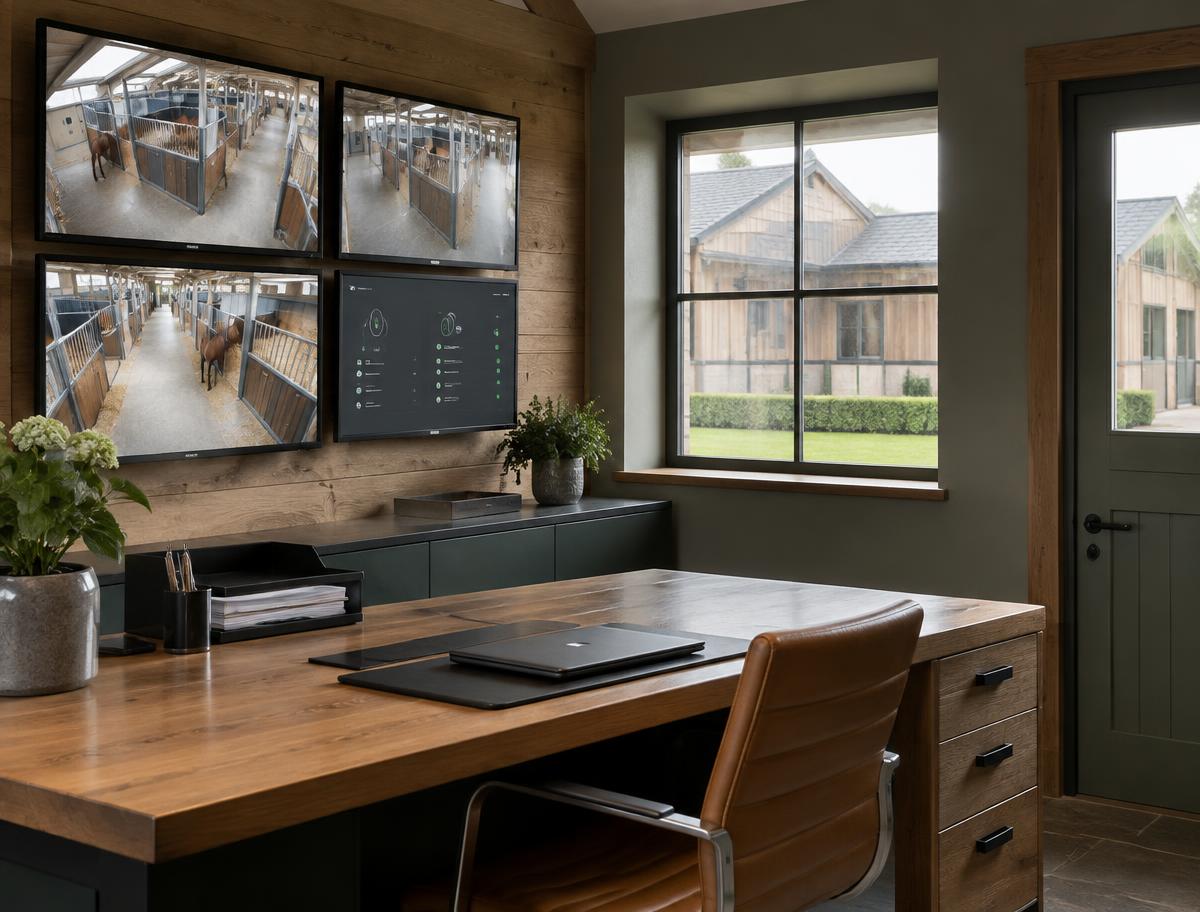 Buying guide
Racing & professional yards
What you will learn: Multi-horse monitoring, training telemetry and connected yard systems, and what changes when you scale from one horse to a string.
Read guide