 Placeholder image
Performance · Monitoring
Performance Monitoring System
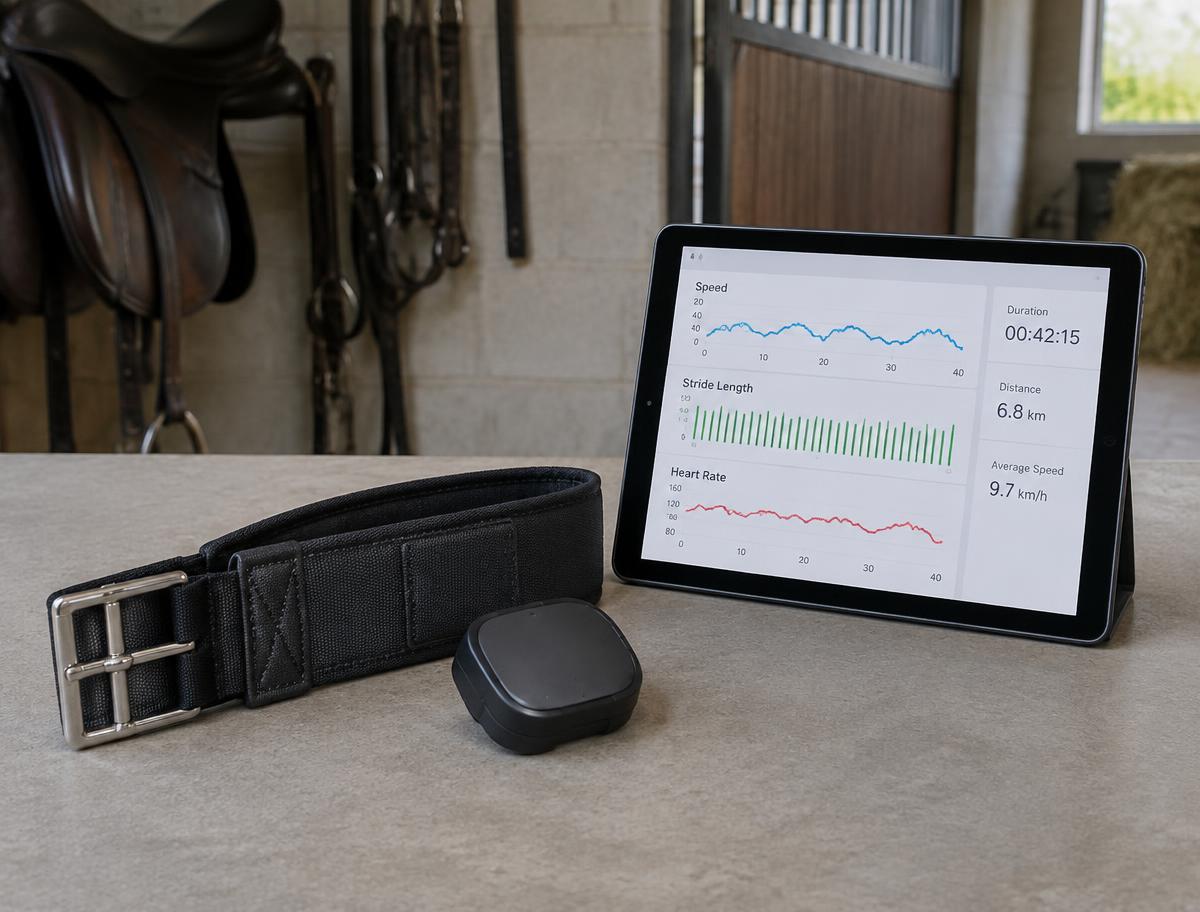
Heart rate, speed and workload monitoring so training decisions are based on data rather than guesswork.
Price on request
EnquireUK support
Gait & biomechanics
Sensor-based and video-based movement analysis, what each records, how reliable it is and who should interpret it.
Gait analysis uses body-worn sensors or video to record how a horse moves, typically symmetry and consistency over a number of strides. It is genuinely useful for comparing the same horse over time, especially during rehabilitation or a return to work. It describes movement rather than diagnosing a cause, so lameness and suspected pain remain matters for your vet.
Sensor systems attach small inertial units to the horse and measure movement directly, typically symmetry between left and right and consistency over a set number of strides. Video systems record the horse moving and analyse the footage, sometimes automatically. Sensors tend to produce repeatable numbers; video gives you something you and your professional team can watch together. Some systems combine both.
The honest use is comparison. The same horse, on the same surface, in the same conditions, measured at intervals, shows whether movement is changing. That is genuinely useful during rehabilitation, when returning to work, when assessing whether a change in shoeing or saddlery has altered the way a horse goes, and as a record before a busy season.
Analysis describes movement; it does not diagnose the cause. Asymmetry can come from pain, conformation, rider influence, surface, shoeing or the horse simply being fresh. Nothing produced by a sensor or an app is a clinical opinion. Lameness and suspected pain are matters for your vet, and results are most useful when shared with the vet, physiotherapist or farrier already working with the horse.
Consistency matters more than equipment. Use the same surface and the same line, trot up in hand at a similar speed, have the same person leading where possible, and record the conditions. Data collected casually across different surfaces and handlers will show differences that have nothing to do with the horse.
Professional yards, rehabilitation programmes and owners working closely with a vet or physio get the most from it. For a horse in light work with no concerns, it is rarely the first purchase. If your interest is fitness rather than movement quality, start with our horse wearables guide.
Use the same surface, the same straight line, a similar speed and the same handler where you can, and note the date, surface and conditions. A hard lane and a school surface will not give comparable figures. Recording before a busy season gives you a baseline that is far more useful than a single reading taken when you are already worried.
The results are most valuable in front of the vet, physiotherapist or farrier already working with the horse. Bring the recordings and the conditions rather than a conclusion. Analysis can support a decision about shoeing, saddle fit or workload; it cannot replace a clinical examination.
No. It can show asymmetry or a change in movement. The cause has to be established by your vet.
They answer slightly different questions. Sensors give repeatable numbers; video gives footage you can review with your vet or physio. Some systems do both.
Usually not as a first purchase. It comes into its own during rehabilitation or structured work, or where you already work closely with a vet or physio.
Recommended equipment
Explore the equipment discussed in this guide, with specifications and buying information on each product page.
Placeholder imagePerformance · Monitoring
Heart rate, speed and workload monitoring so training decisions are based on data rather than guesswork.
Price on request
Enquire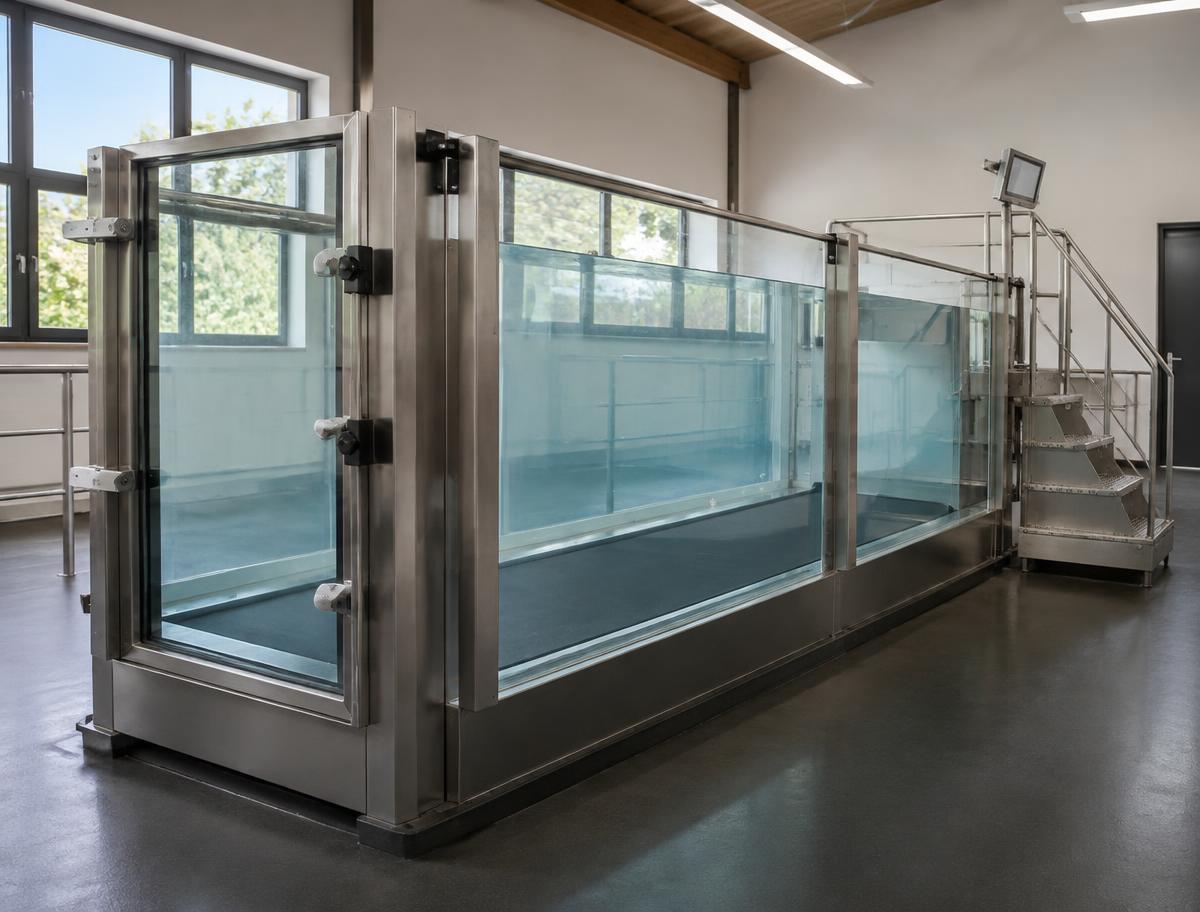 Placeholder image
Professional · Rehabilitation
Water treadmill for controlled, low-impact exercise in rehabilitation and conditioning programmes.
Price on request
Enquire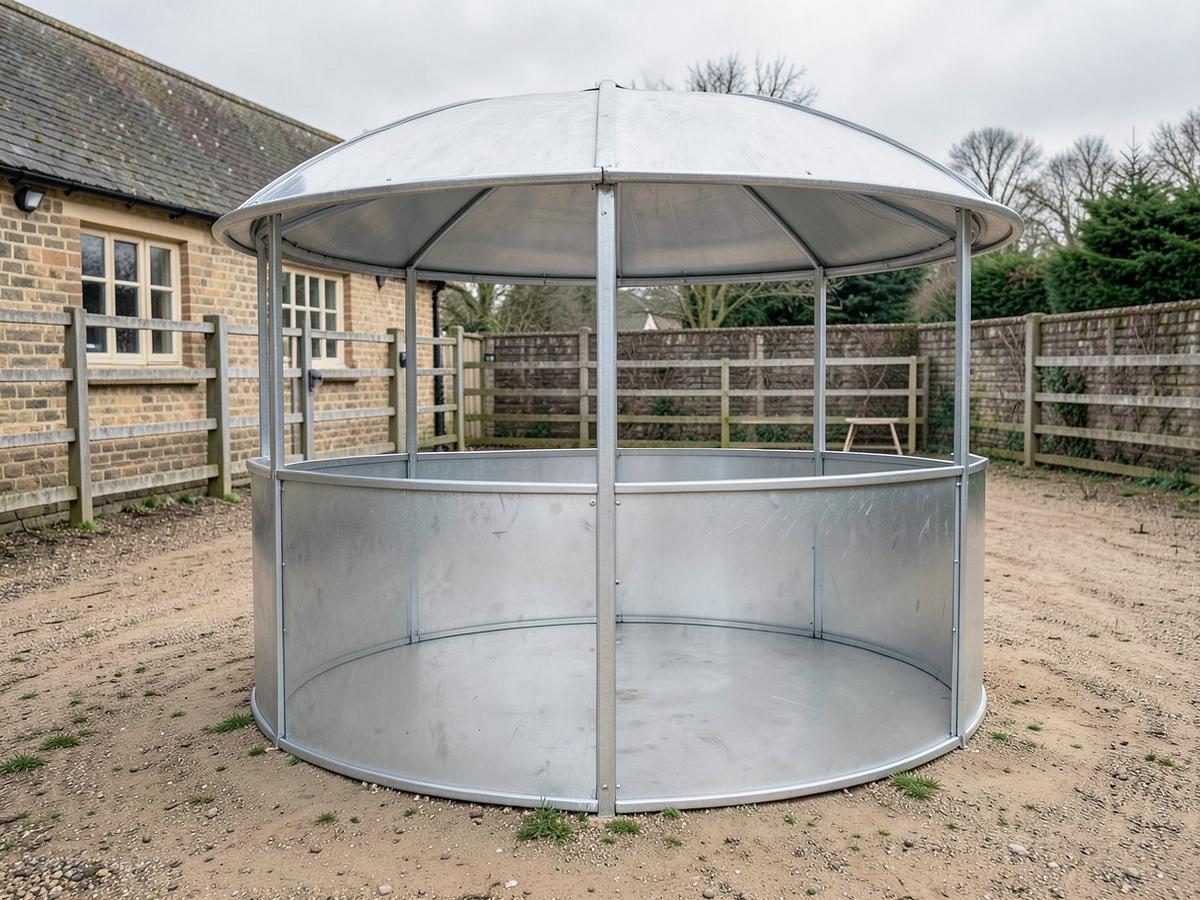 Placeholder image
Performance · Exercise
Covered horse walker for controlled daily exercise, warm-up and cool-down without a rider.
Price on request
Enquire Buying guide
Recovery
What you will learn: The main categories of recovery equipment and the questions worth asking before you buy.
Read guideBuying guideConditioning
What you will learn: How each is used in a conditioning programme, plus space, surface and budget considerations.
Read guideBuying guideExercise
What you will learn: Diameter, horse numbers, groundworks, planning and the running costs that shape a horse walker budget.
Read guide