 Placeholder image
Performance · Monitoring
Performance Monitoring System
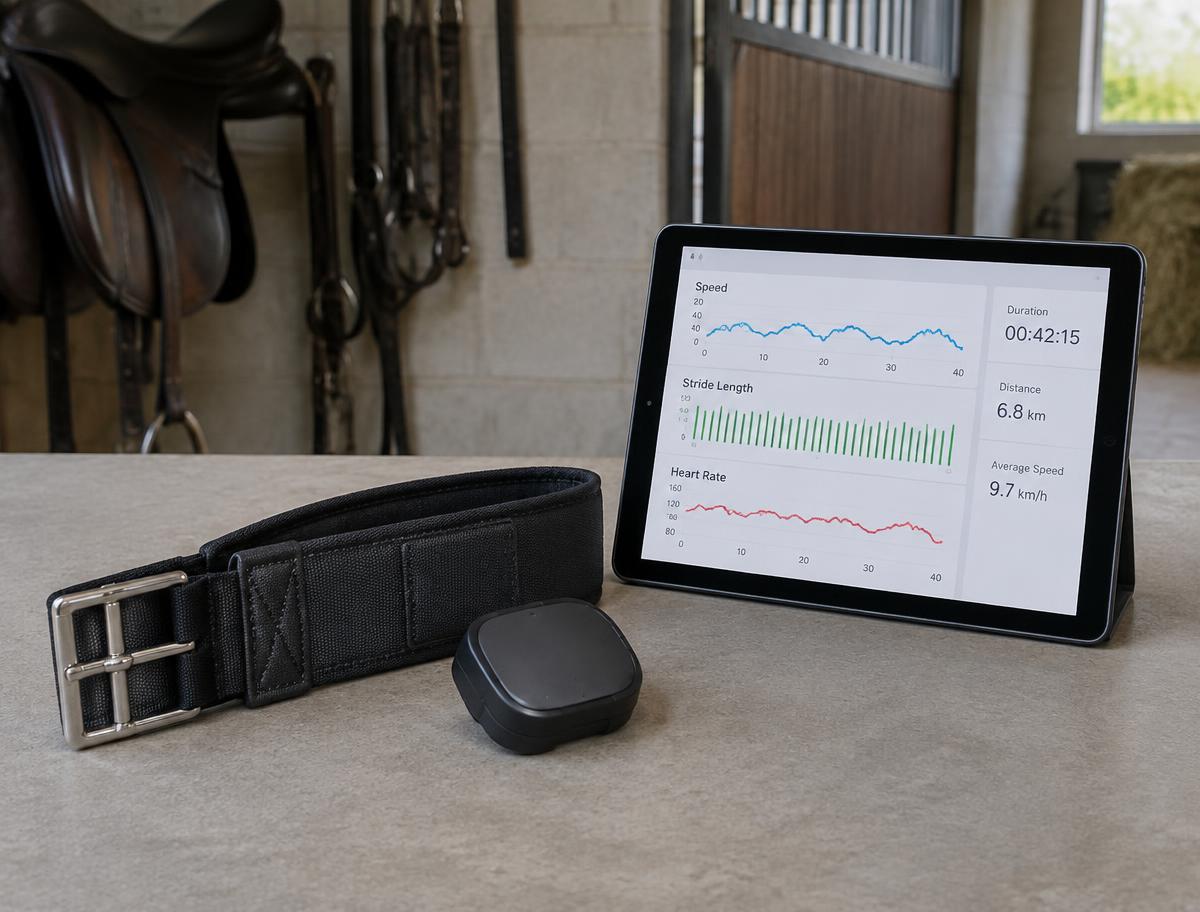
Heart rate, speed and workload monitoring so training decisions are based on data rather than guesswork.
Price on request
EnquireUK support
Performance & wearables
Where devices are worn, what they measure, how the data is reviewed and when a wearable genuinely changes your training.
Equine wearables record heart rate, speed, distance, stride and a measure of training load or recovery, usually from a girth, saddle pad, breastplate or leg position. They are worth having if you are building fitness and want to see recovery improve week to week. Fit decides data quality, and a wearable is not a health monitor: anything unexplained is a conversation with your vet.
Most equine wearables record some combination of heart rate, speed, distance, stride or step counts, and a measure of training load or recovery. Heart rate is the figure riders come for, because it shows how hard the horse is working rather than how hard the session looked. Everything else is context that helps you compare one week with the next.
Devices sit on a girth or surcingle, under the saddle pad, on a breastplate, or on a boot or leg strap. Fit decides data quality: a sensor that slips or loses skin contact produces gaps and spikes that get blamed on the horse. Whatever you choose has to be safe, comfortable, quick to fit in a yard routine and washable, because equipment that adds five minutes to tacking up stops being used.
A single session tells you very little. The value is in the trend: how quickly heart rate comes down after canter work, whether the same gallop is getting easier, whether a horse coming back into work is progressing as planned. Judge the horse first and the data second. A number that disagrees with what you feel underneath you is a prompt to check the horse and the fit of the device, not to push on.
A wearable is not a health monitor and it does not detect lameness, pain or illness. If a horse feels wrong, is reluctant in work, or the numbers change sharply without explanation, that is a conversation with your vet. Used well, wearables help you avoid doing too much too soon; they are not a substitute for veterinary or physiotherapy assessment.
Ask how data is reviewed, whether an app or subscription is needed, and whether a trainer, coach or vet can be given access. For a professional yard, ask how many horses a single account supports and whether sessions can be compared across a string. We confirm the app and subscription position for a specific device before you order.
Most poor data is a fitting problem. The sensor needs consistent contact in the same position every session, clear of anything that rubs, and fitted the same way by whoever tacks up. Clipped coats read differently from thick winter ones, and a wet or muddy horse can affect contact. Record the position you use and stick to it, or the figures are not comparable.
Compare like with like: the same surface, similar going, similar weather, similar work. British winters make this harder than it sounds. A heart rate that is higher on a heavy surface in the wet is not a fitness problem. Note the conditions alongside each session and look at four weeks rather than four days.
No. Wearables record work and recovery. Lameness, pain and illness need a vet, and unexplained changes in the numbers are a reason to have the horse looked at.
Some devices require an app subscription for full history or sharing. We confirm the app and subscription position for a specific device on enquiry.
Many systems allow shared access, and some support multiple horses on one account. Ask before ordering if that matters to you.
Recommended equipment
Explore the equipment discussed in this guide, with specifications and buying information on each product page.
Placeholder imagePerformance · Monitoring
Heart rate, speed and workload monitoring so training decisions are based on data rather than guesswork.
Price on request
Enquire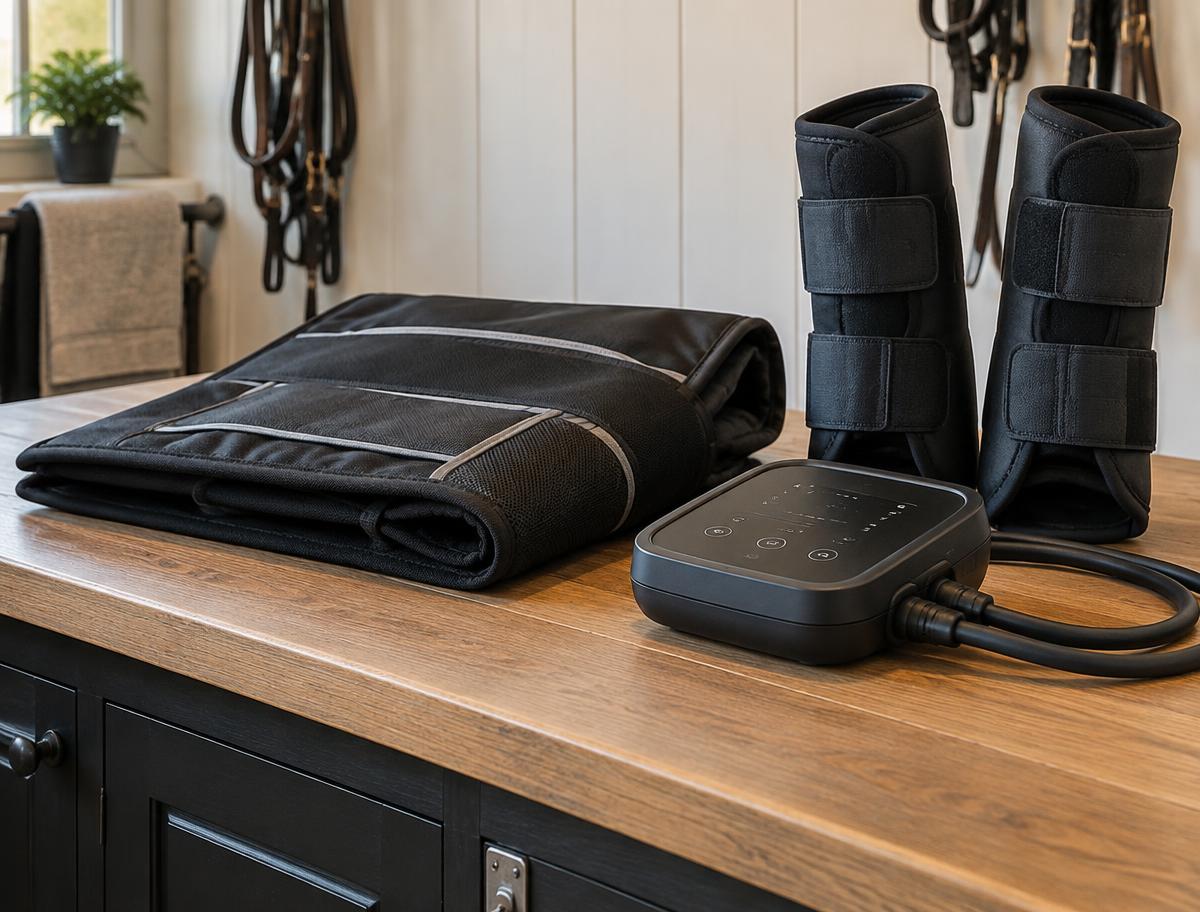 Placeholder image
Performance · Recovery
Compression and cooling equipment used after exercise to support circulation and comfort.
Price on request
EnquireBuying guideRecovery
What you will learn: The main categories of recovery equipment and the questions worth asking before you buy.
Read guide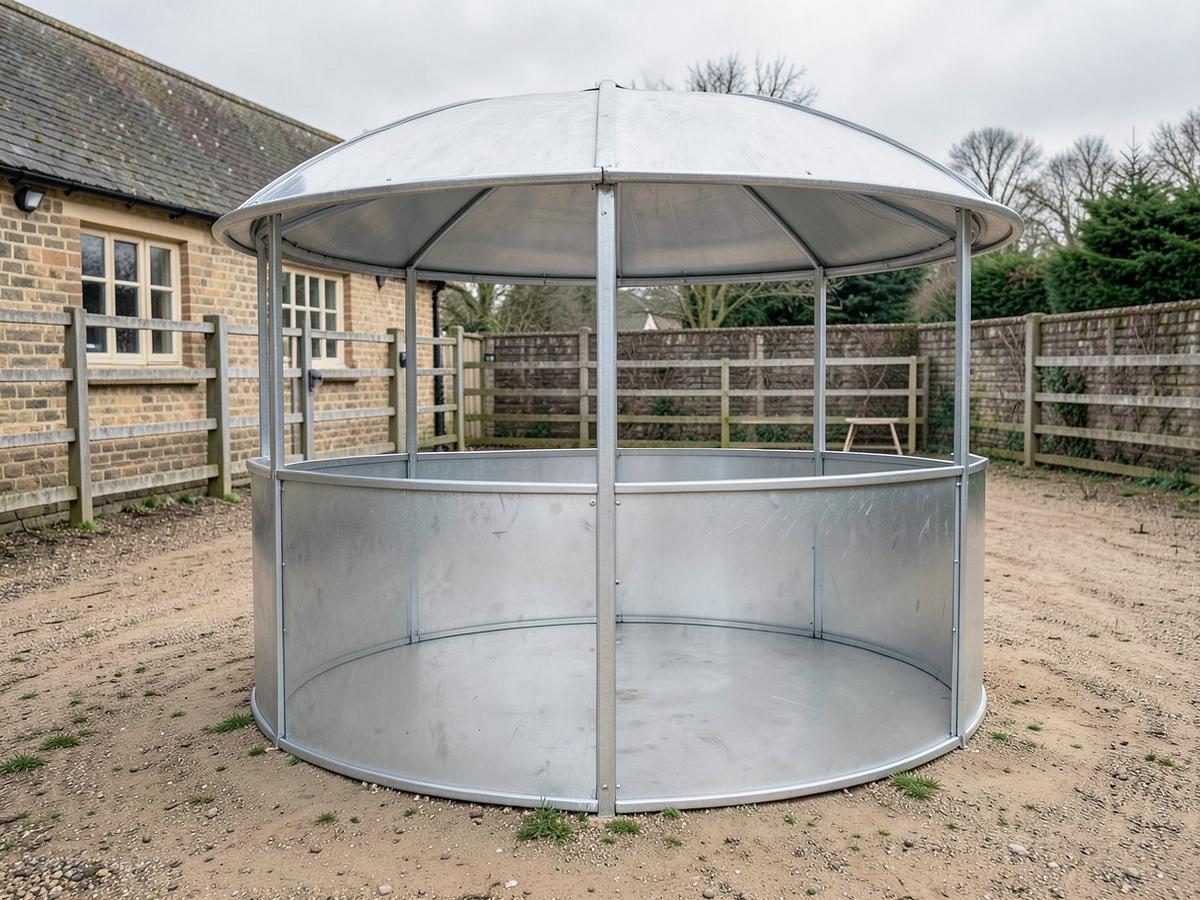 Buying guide
Conditioning
What you will learn: How each is used in a conditioning programme, plus space, surface and budget considerations.
Read guideBuying guideExercise
What you will learn: Diameter, horse numbers, groundworks, planning and the running costs that shape a horse walker budget.
Read guide