 Placeholder image
Horse Care · Monitoring
Stable Monitoring System
Camera-based stable monitoring you can view from your phone, with night vision and movement alerts.
Price on request
EnquireUK support
AI horse monitoring
The difference between recording, motion alerts and behaviour detection, and what a camera can honestly tell you about a horse.
Stable cameras are sold in three levels: plain recording, motion alerts, and behaviour detection that attempts to recognise patterns such as a horse lying down or being restless. All of them can get you to the stable sooner; none of them diagnose anything. For foaling and box rest you want night vision, a view that includes the bed, and alerts that reach whoever is on duty.
Plain recording gives you footage to review afterwards. Motion alerting tells you when something moved in the frame. Behaviour detection goes further and attempts to recognise patterns such as lying down, restlessness or a horse being cast. They are very different capabilities and often sit behind similar-sounding descriptions, so ask which one a system provides before comparing prices.
A camera can show you that a horse is up or down, settled or unsettled, eating or not, and it can flag a change overnight without you walking to the yard. It cannot diagnose anything. Colic, foaling and lameness all need eyes and hands on the horse, and a vet where there is any doubt. The value of a camera is that it gets you to the stable sooner, not that it interprets the horse for you.
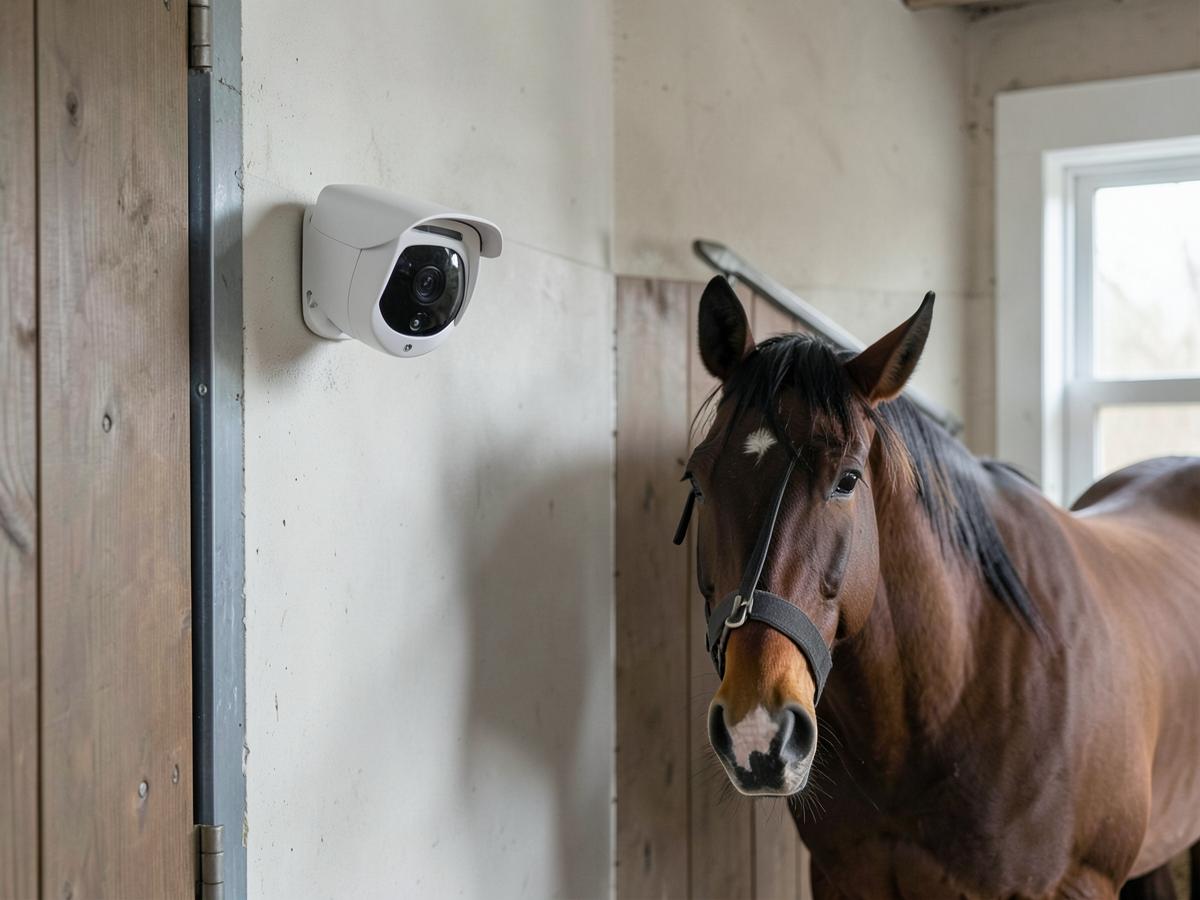
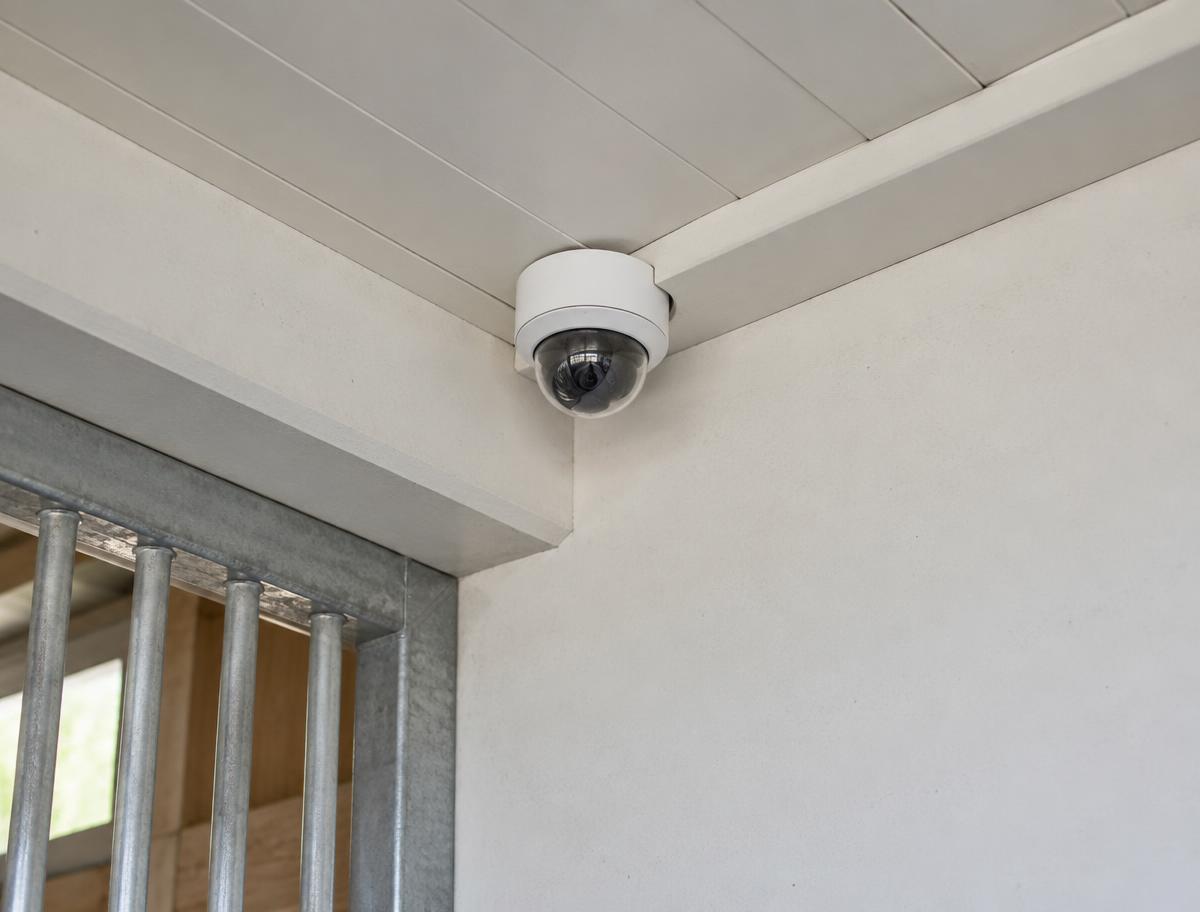
One camera per stable is the practical starting point, positioned high in a corner so the whole box including the bed is in frame. Horses spend the hours that matter lying down, so a view that only covers the doorway is of limited use. Night vision is essential rather than optional for foaling and box-rest watching, and lens position matters: dust and cobwebs cause more poor images than the camera specification does.
Ask what the system needs to work: a network connection at the stables, a recorder or cloud storage, and how long footage is kept. Ask whether alerts require a subscription, and whether the app supports more than one person so the yard owner and the horse's owner can both watch. We confirm the requirements of a specific system on enquiry rather than quoting them generally.
Watching one horse and protecting a yard are two jobs. Security cameras cover gates, tack rooms, feed stores and parking, and are usually chosen for coverage and lighting rather than for the detail inside a stable. Many yards end up with both, sharing one network and one recorder. Our stable yard security guide sets out the security side.
These are the two reasons most owners buy. Both need a full view of the box including the bed, working night vision, and alerts someone will actually receive at three in the morning. Test the alert route before you rely on it, and keep the usual foaling arrangements in place: a camera shortens the walk, it does not replace the watch or the vet's number.
On a livery yard, agree with the yard owner where cameras are fitted, who can view them and whether staff and other liveries are in shot. Cameras covering shared areas and walkways need more care than a camera inside your own horse's box, and getting the agreement in writing avoids the conversation later.
No. A camera can show restlessness, rolling or a horse being down more than usual, which are reasons to go and check the horse and call your vet. It does not diagnose anything.
One per stable you want to watch, positioned high in a corner so the whole box including the bed is in frame. Systems are normally expandable.
Some systems include alerting and some charge for it, along with cloud storage. We confirm the position for a specific system before you order.
Recommended equipment
Explore the equipment discussed in this guide, with specifications and buying information on each product page.
Placeholder imageHorse Care · Monitoring
Camera-based stable monitoring you can view from your phone, with night vision and movement alerts.
Price on request
Enquire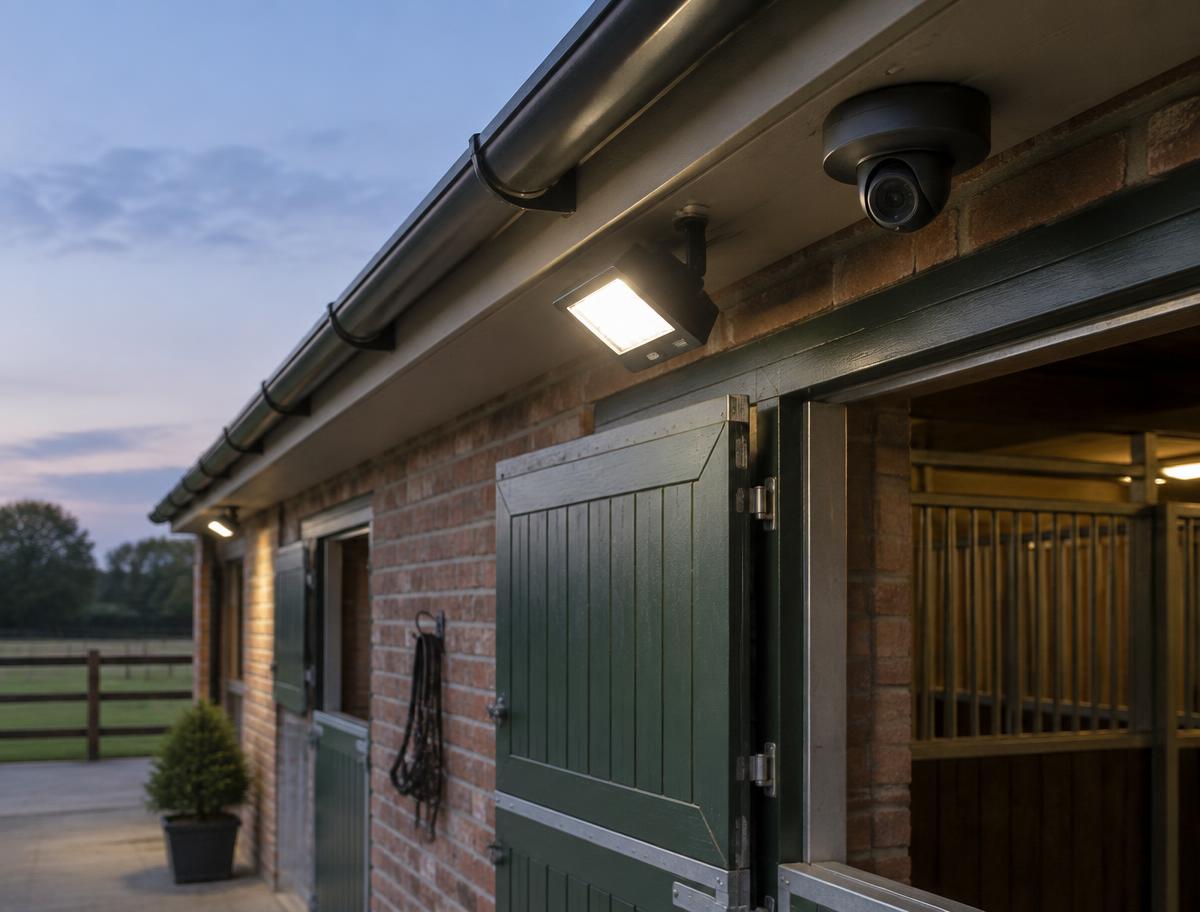 Placeholder image
Yard Equipment · Security
Cameras, lighting and alerting covering stables, gates, tack rooms and parking.
Price on request
Enquire Buying guide
Drying
What you will learn: What a solarium does, what it costs to run, the space it needs and the yards it genuinely suits.
Read guide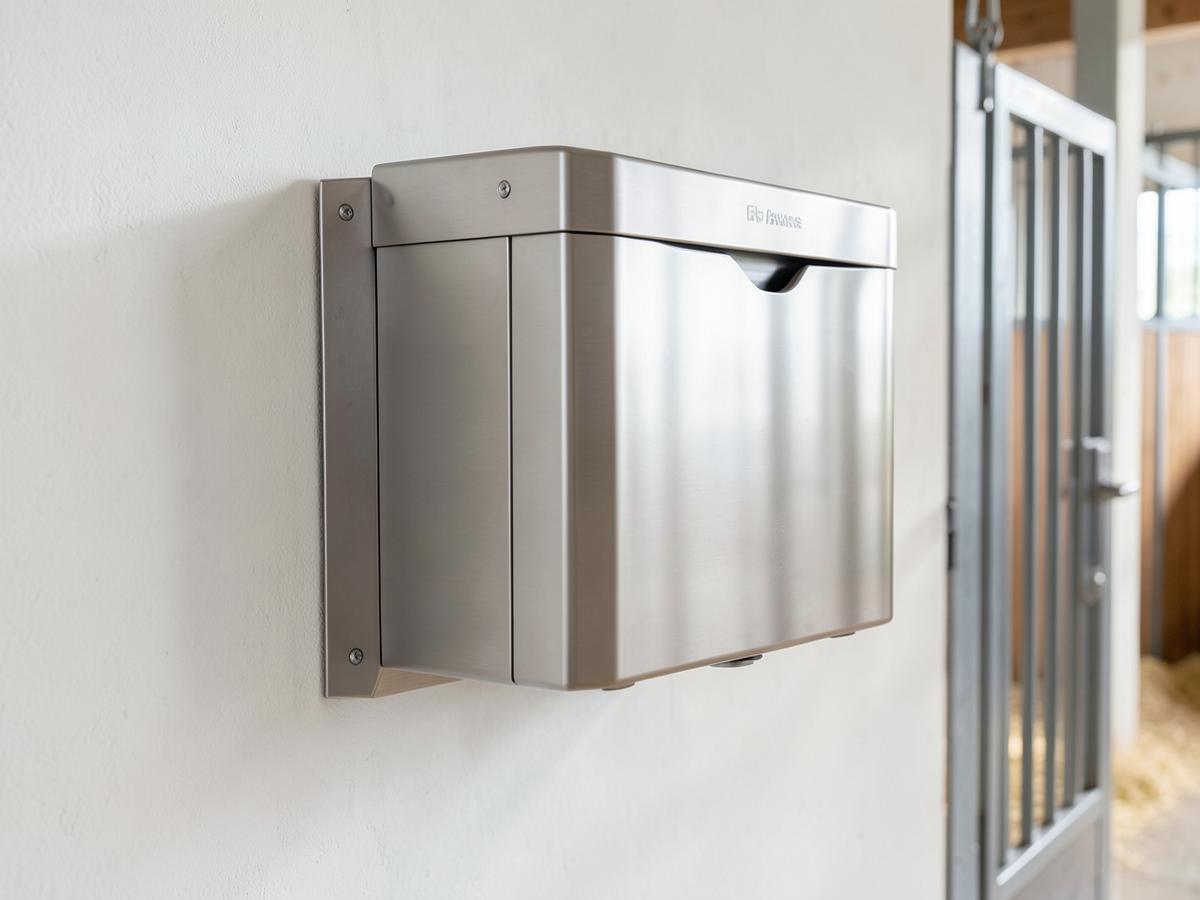 Buying guide
Feeding
What you will learn: Single-stable feeders through to whole-yard systems, and how to work out which suits your routine.
Read guide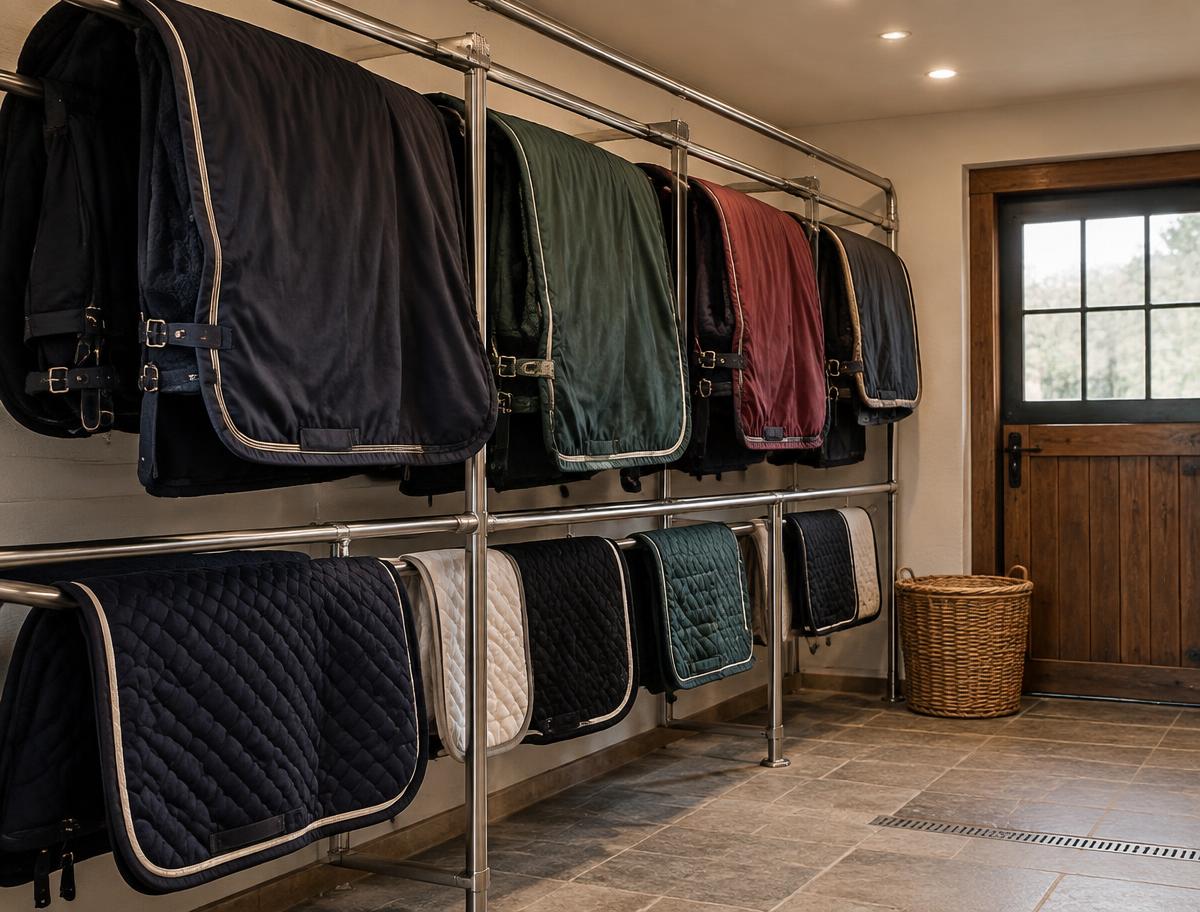 Buying guide
Drying
What you will learn: Solariums, horse dryers and rug drying rooms compared for real British winters.
Read guide