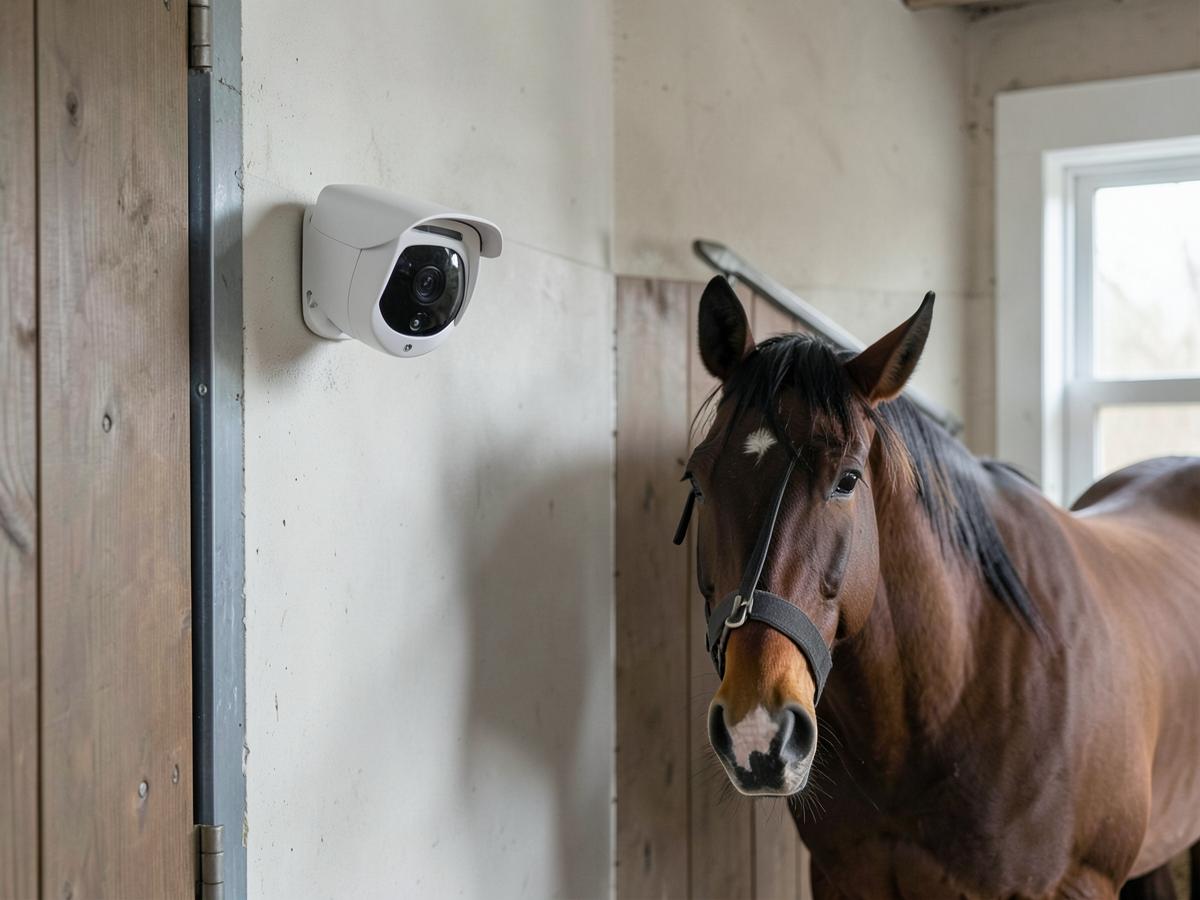
 Placeholder image
Horse Care · Monitoring
Stable Monitoring System
Camera-based stable monitoring you can view from your phone, with night vision and movement alerts.
Price on request
EnquireUK support
Smart Yard
What connected equestrian technology actually does, where it saves time on a British yard and a sensible order to buy in.
A smart yard is one where some equipment records information or acts on its own: cameras you can check from your phone, timed feeders, stable sensors and wearables used in work. Start with the single job that costs you the most time or sleep, and check power and network coverage at the stables before choosing anything. Technology supports good horsemanship; it does not replace turnout, daily checks or veterinary advice.
A smart yard is simply a yard where some equipment records information or acts on its own instead of needing someone present. That covers cameras you can look at from your phone, feeders that release portions to a timetable, sensors that log stable temperature and humidity, and wearables that record heart rate and movement during work. Nothing about it needs to be futuristic: most yards start with one item that solves one recurring problem.
Start with the job that currently costs you time, sleep or worry. Overnight checks on a horse on box rest point to monitoring. Late feeds that nobody is on the yard to give point to automated feeding. Fitness work you are judging by feel points to a heart rate or tracking device. Buying in that order gives you equipment you use daily rather than a collection of devices that each need managing.
Connected equipment depends on the building more than the brochure suggests. Power at the right position, a network connection or mobile signal that reaches the stable block, somewhere dry and secure for a recorder or controller, and fixings that are safe with a horse alongside. On many British yards the network is the limiting factor, so it is worth checking coverage in the stables before choosing a system.
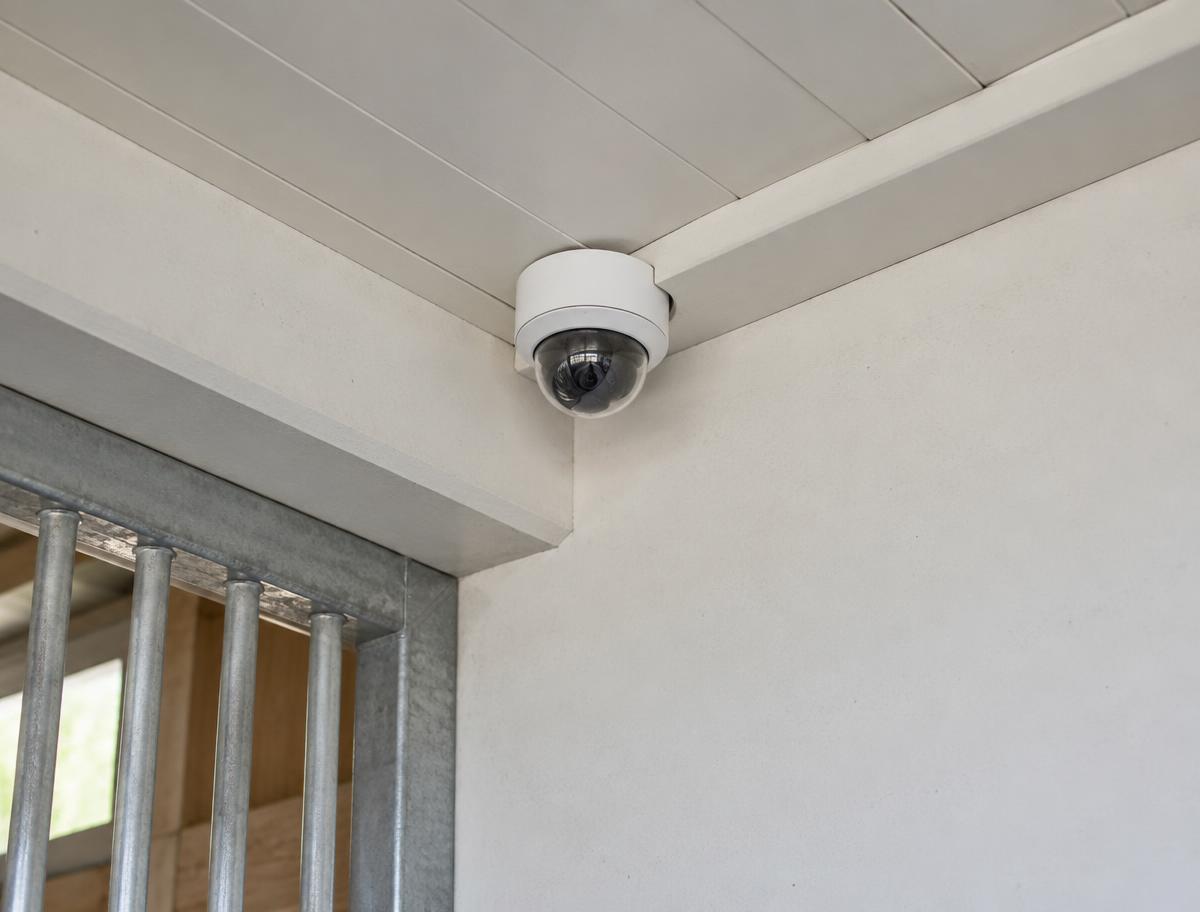
Monitoring and data support good horsemanship; they do not replace turnout, physical checks, or veterinary advice. An alert tells you something has changed, not what it means. Treat anything a device shows as a reason to go and look at the horse, and involve your vet whenever there is a suspected health problem.
Most yards find the first purchase is monitoring or feeding, because both remove trips to the yard. Wearables and movement analysis tend to follow once a horse is in structured work. Whole-yard automation and multi-stable systems make sense when the number of horses makes manual routines the bottleneck. If you are unsure, tell us the horses, the buildings and the routine and we will say what we would look at first.
Beyond the equipment itself, budget for installation where cabling or power is involved, any subscription an app requires, and the time someone spends looking after the system. None of those are large individually, but they are the reason a device ends up unused. Ask about all three before ordering; we set out what a specific system requires on enquiry.
Traditional stable blocks were not built for this. Cable routes, damp, limited power provision and thick walls that block wireless signal are the usual obstacles. It is normally cheaper to plan cabling and power for everything you might eventually want than to return to the same building twice, even if you only fit one item now.
Most connected equipment needs either a network connection or reliable mobile signal at the stables. Tell us what is available at your yard and we will confirm which options will work.
Whichever job currently costs you the most time or worry: usually monitoring for a horse needing overnight checks, or automated feeding where late feeds are the problem.
It can remove repeated trips and make routines consistent. It does not remove the need to see and handle every horse every day.
Recommended equipment
Explore the equipment discussed in this guide, with specifications and buying information on each product page.
Placeholder imageHorse Care · Monitoring
Camera-based stable monitoring you can view from your phone, with night vision and movement alerts.
Price on request
Enquire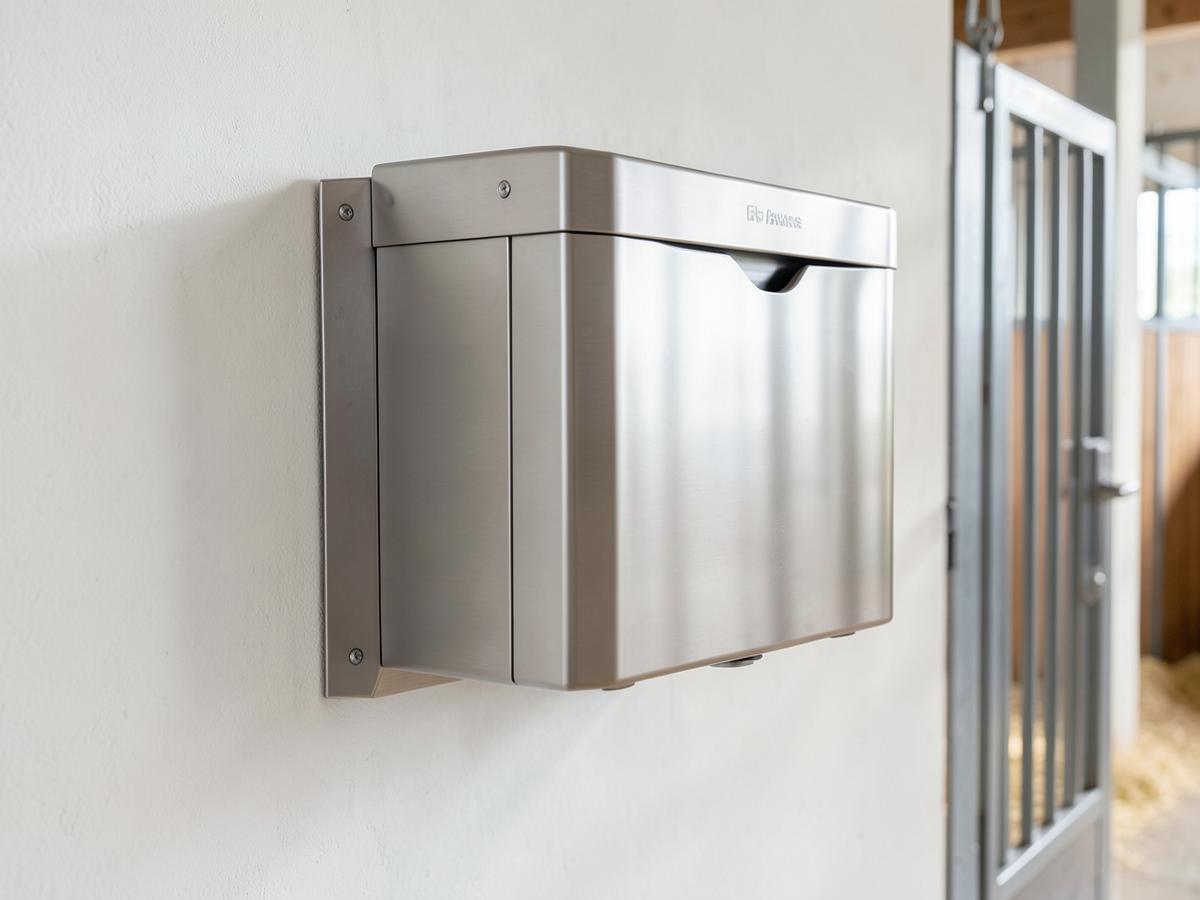 Placeholder image
Horse Care · Feeding
Single-stable automatic feeder that divides hard feed into timed portions across the day.
Price on request
Enquire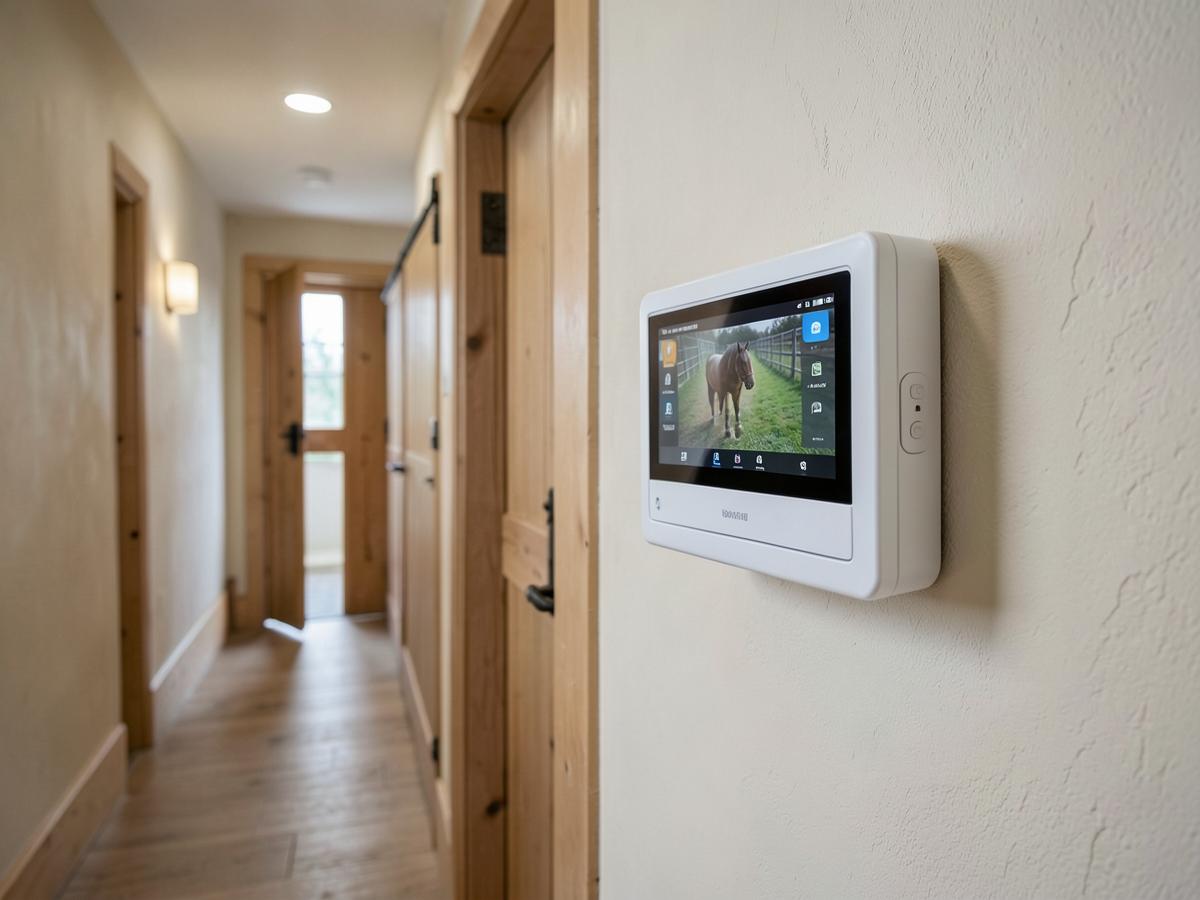 Placeholder image
Yard Equipment · Automation
Central control of lighting, water, feeding and monitoring across the yard from one panel or phone.
Price on request
Enquire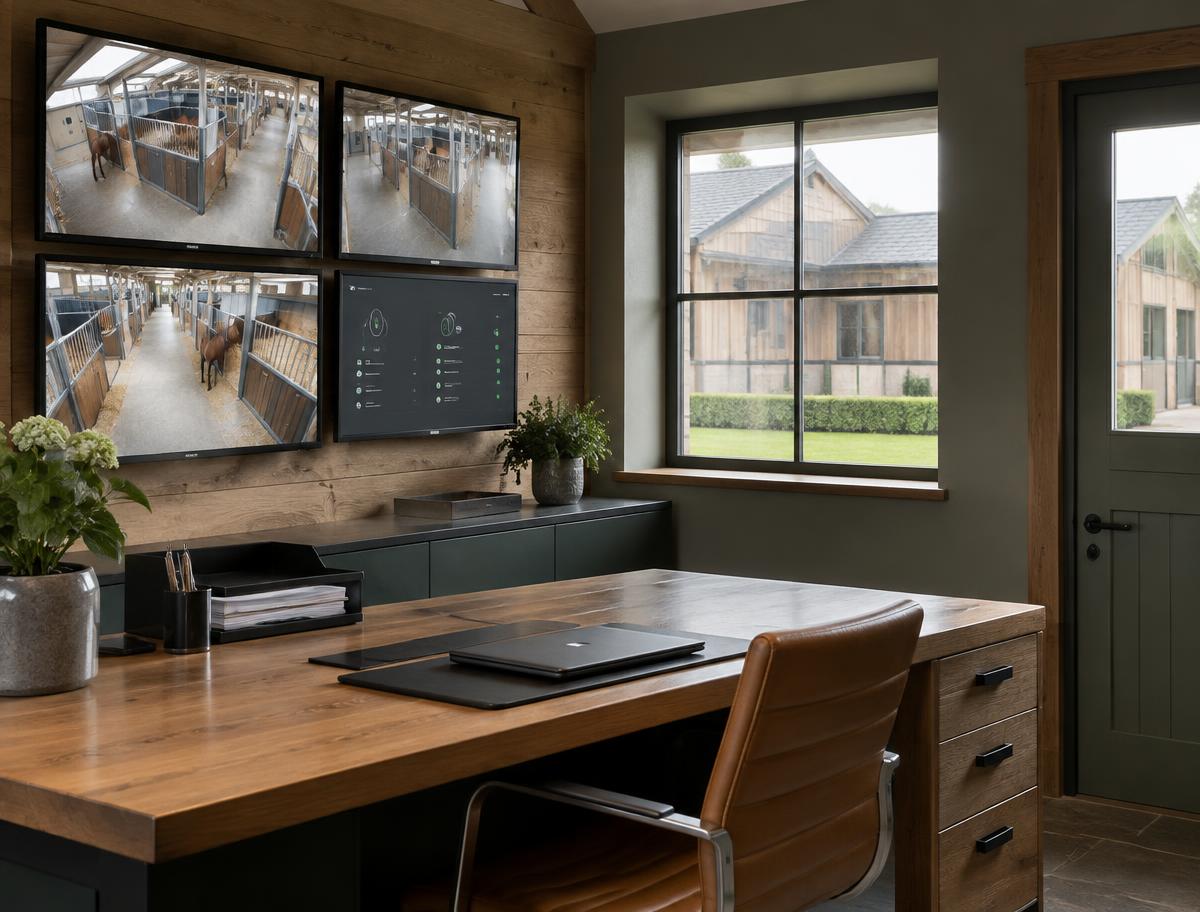 Placeholder image
Professional · Advanced Yard Systems
Facility-wide control and record keeping across feeding, exercise, monitoring and staffing routines.
Price on request
EnquireBuying guideAutomation
What you will learn: Practical automation for feeding, water, lighting, turnout and security on a working yard.
Read guide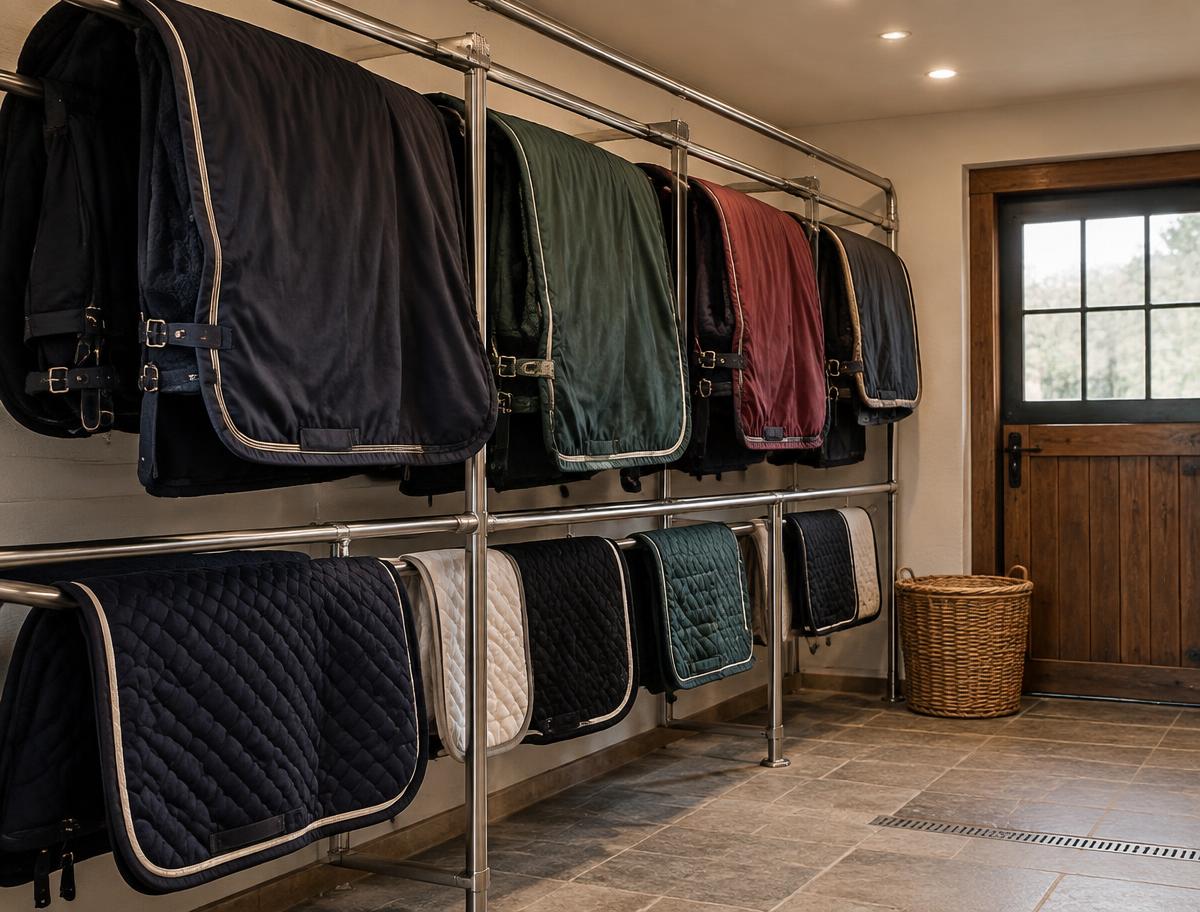 Buying guide
Yard equipment
What you will learn: Where equipment saves the most time on a small private yard, in order of usefulness.
Read guide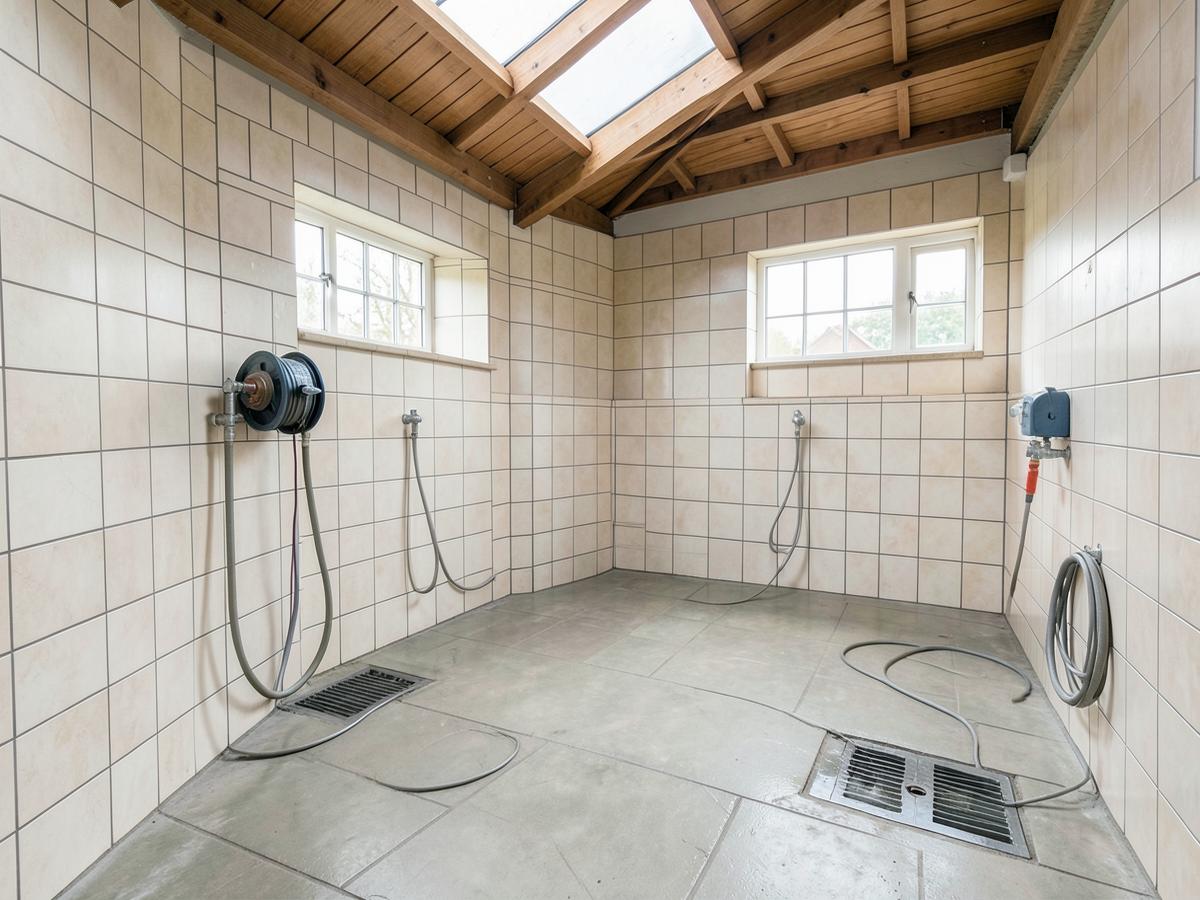 Buying guide
Planning
What you will learn: The equipment decisions that shape the budget when building or upgrading a private yard.
Read guide