 Placeholder image
Horse Care · Feeding
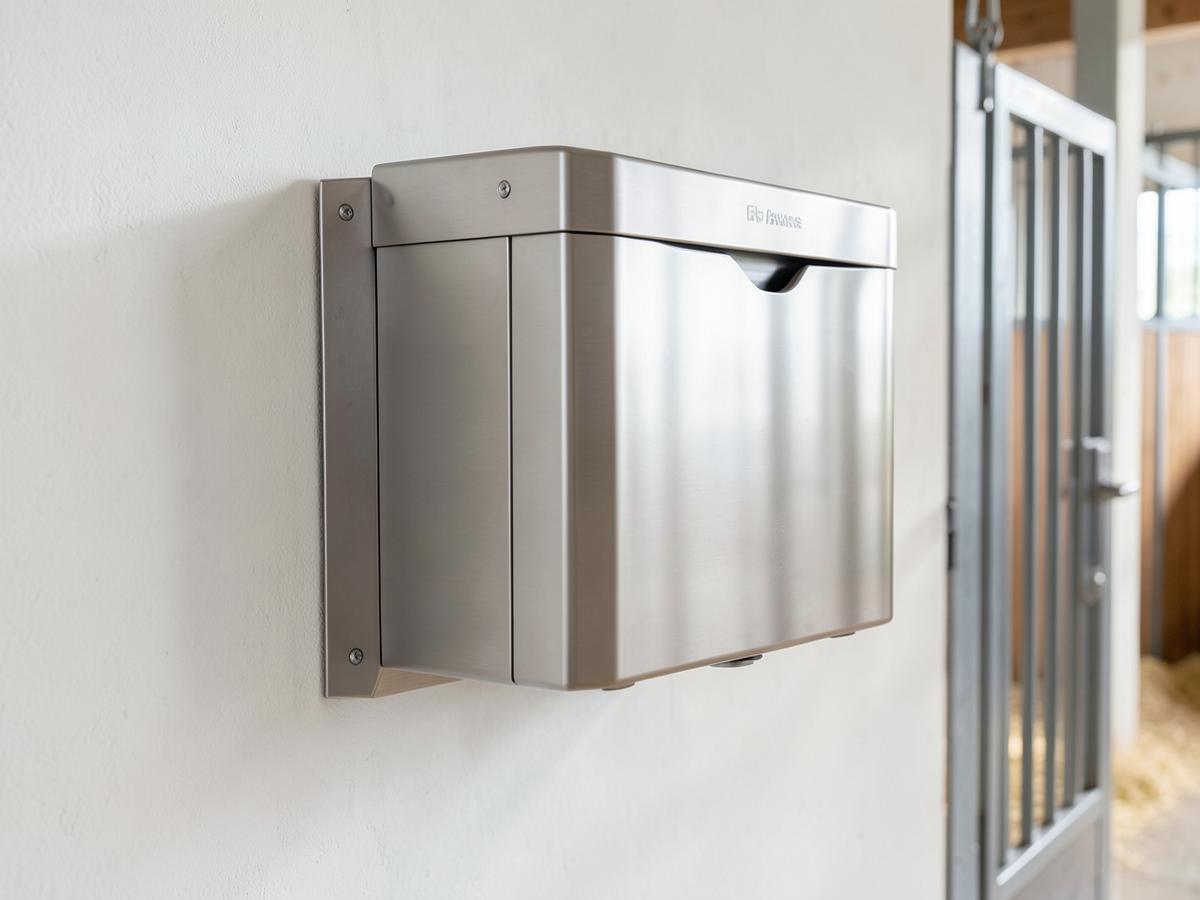
Automatic Stable Feeder
Single-stable automatic feeder that divides hard feed into timed portions across the day.
Price on request
EnquireUK support
Smart stable
Connected watering, feeding and environment monitoring: where automation saves real time on a yard and where it does not.
The connected stable equipment that pays for itself is whatever removes a job repeated daily for every horse: timed feeding first, then watering, then environment monitoring. Check power, water and network provision at each stable, and ask what happens in a power cut or when the network drops. Automation must not replace seeing every horse every day.
The gains come from tasks repeated every day for every horse. Feeding is the clearest: timed portions remove the late trip to the yard and keep feeds consistent whoever is on duty. Watering is next, because checking and filling buckets across a block takes time and a connected drinker can flag a horse that has stopped drinking. Both change the routine rather than adding to it.
Temperature, humidity and air-quality sensors are useful in buildings you already suspect are poorly ventilated, and for keeping a record over a winter. They do not improve a stable on their own. If ventilation is the problem, the fix is usually the building, bedding and forage management; sensors tell you whether the changes worked.
Confirm the water and power provision at each stable, the network coverage in the block, and who will look after the system week to week. Ask what happens in a power cut or when the network drops, because a feeder or drinker that fails quietly is worse than a manual routine. We confirm the requirements for a specific system on enquiry.
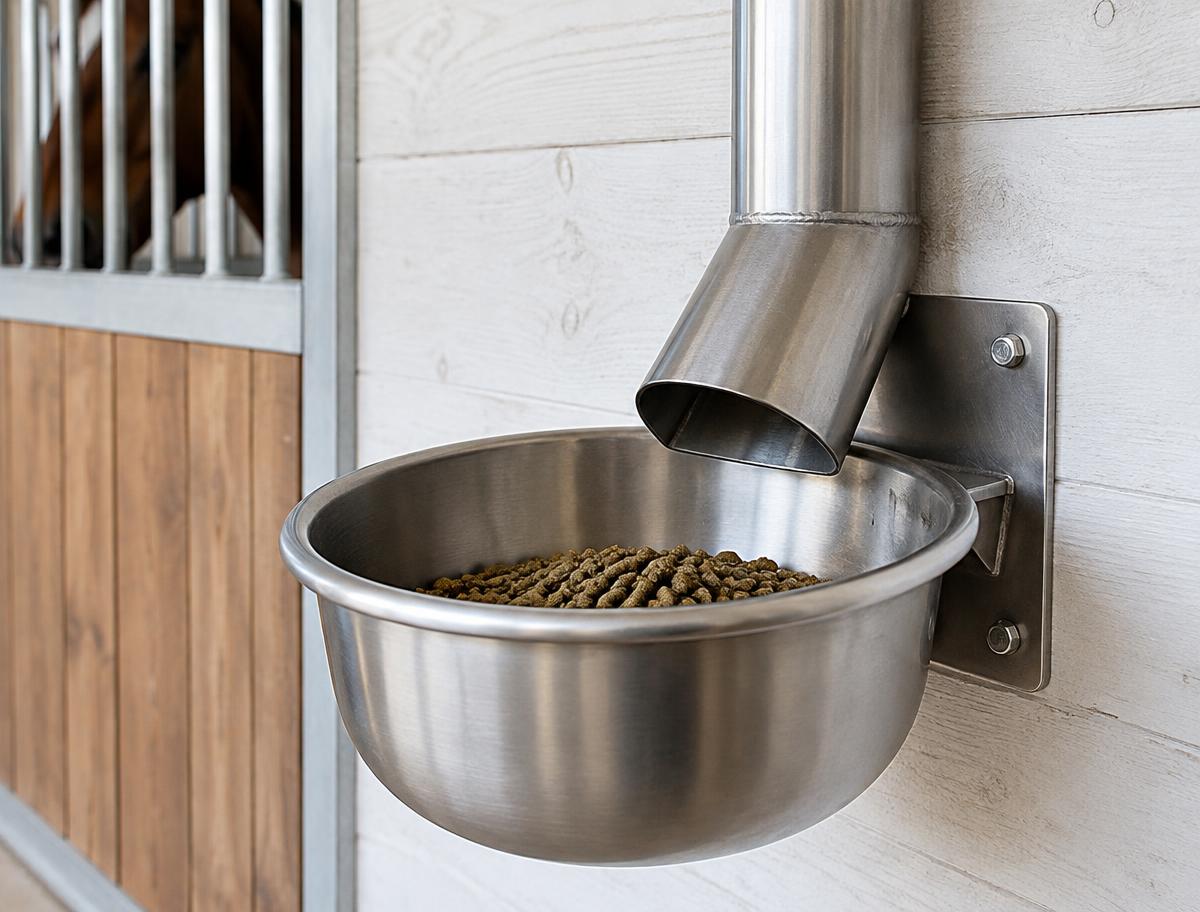
A single-stable feeder suits one to three horses and needs no groundwork. A yard system suits a block where the same job is repeated many times and is worth planning in one go, because cabling and pipework are cheaper before the surfaces go down than afterwards. Our automatic horse feeders guide covers the feeding decision in detail.
Automated feeding and watering do not replace looking at every horse every day. Equipment can tell you a portion was released; only you can see whether the horse ate it and how the horse looks. Build the checks into the routine the automation frees up.
Groundwork is the expensive part. If a yard is being built or resurfaced, run capacity for feeding, watering, monitoring and lighting at the same time even if you only fit some of it now. Returning to a finished yard to lift surfaces costs far more than the extra duct did.
Sensors record temperature, humidity and air quality; they do not improve them. Ventilation, bedding choice, how forage is stored and how doors and windows are used are what change the air a horse breathes. Use sensors to check whether changes worked, and speak to your vet about any horse with a persistent cough or respiratory signs.
It depends on the system. Ask specifically, and keep a manual routine and enough labelled feed and water provision to cover a failure.
It saves filling time and can flag a horse that has stopped drinking. Buckets still tell you a great deal, so many yards keep both.
Most do, either wireless or wired to a controller. We confirm what a specific system needs on enquiry.
Recommended equipment
Explore the equipment discussed in this guide, with specifications and buying information on each product page.
Placeholder imageHorse Care · Feeding
Single-stable automatic feeder that divides hard feed into timed portions across the day.
Price on request
Enquire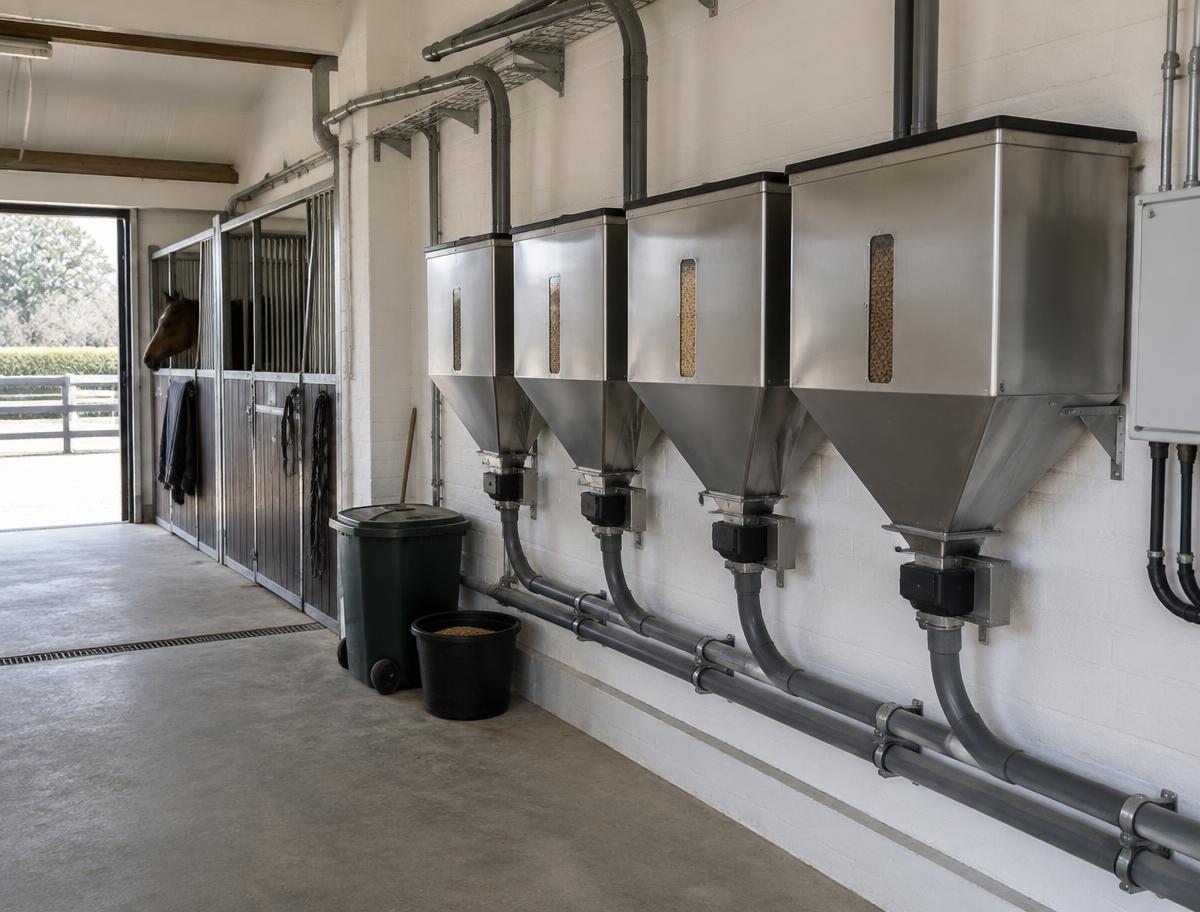 Placeholder image
Yard Equipment · Feeding Systems
Centrally controlled feeding across multiple stables, with individual rations per horse.
Price on request
Enquire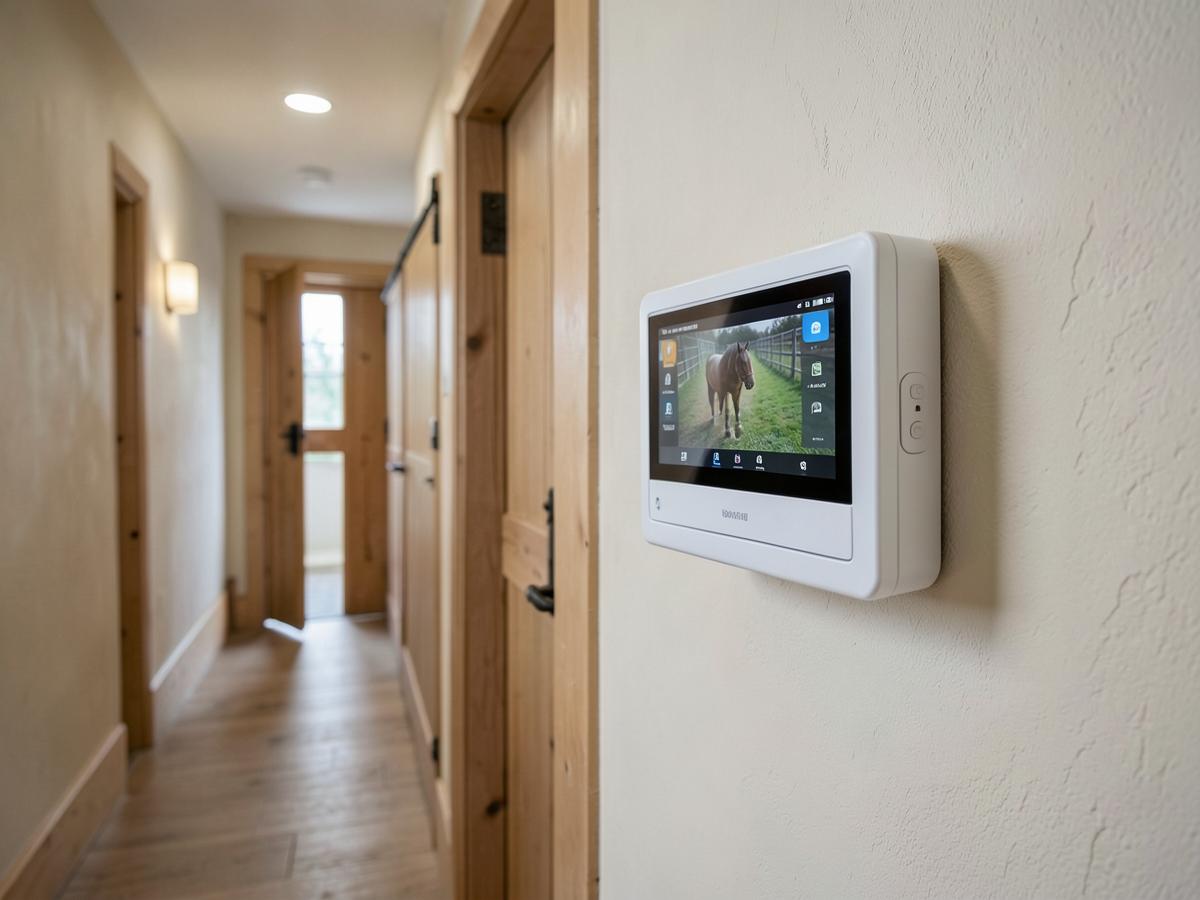 Placeholder image
Yard Equipment · Automation
Central control of lighting, water, feeding and monitoring across the yard from one panel or phone.
Price on request
Enquire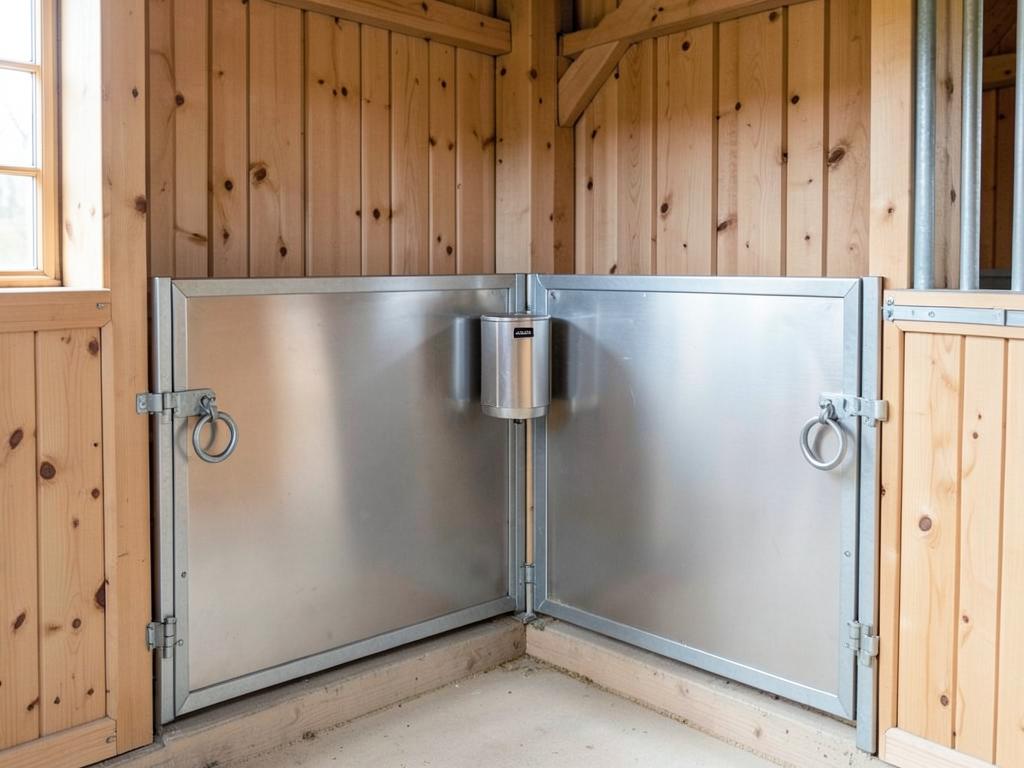 Placeholder image
Yard Equipment · Stable Fittings
Stainless mangers, automatic drinkers, tie rings and stable hardware specified to fit out or refit a stable properly.
Price on request
EnquireBuying guideAutomation
What you will learn: Practical automation for feeding, water, lighting, turnout and security on a working yard.
Read guide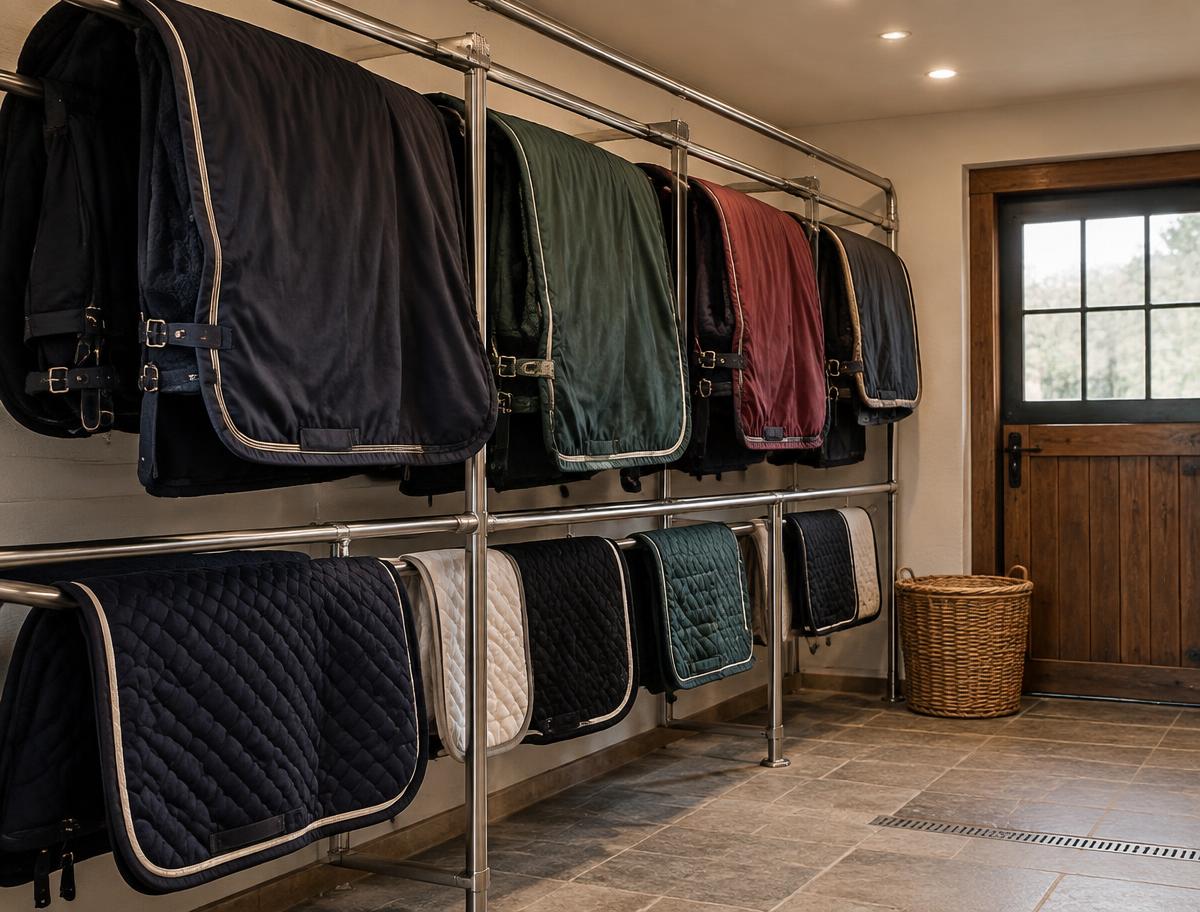 Buying guide
Yard equipment
What you will learn: Where equipment saves the most time on a small private yard, in order of usefulness.
Read guide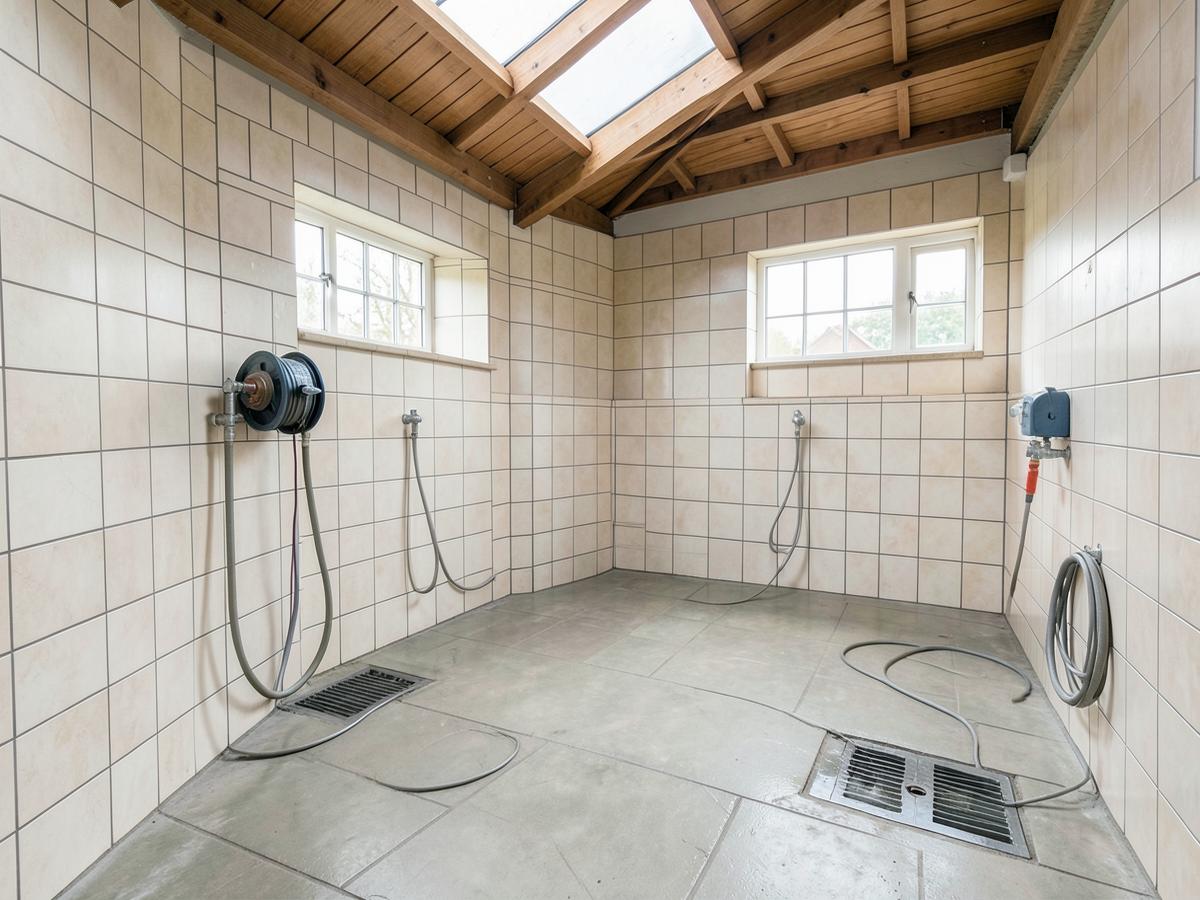 Buying guide
Planning
What you will learn: The equipment decisions that shape the budget when building or upgrading a private yard.
Read guide