 Placeholder image
Yard Equipment · Mounting Blocks
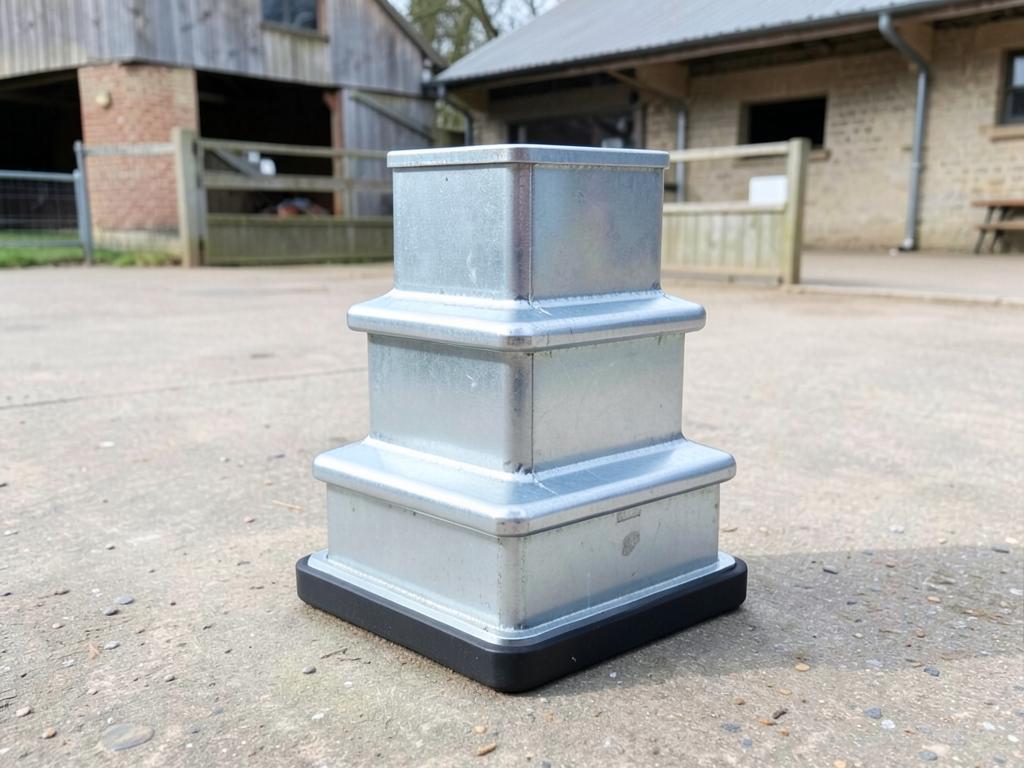
Galvanised Mounting Block
Three step galvanised mounting block with non-slip treads, heavy enough to stand steady on a yard surface.
Price on request
EnquireUK support
Mounting blocks
Choosing a block by horse height, rider and surface, and using it safely on a working yard.
Choose a mounting block by your tallest regularly ridden horse and the rider who most needs help: two steps for ponies, three for most horses, taller or railed steps for big horses and reduced mobility. Weight, foot design and non-slip treads decide whether it stays steady on a wet yard, and it should sit on level ground clear of gateways and vehicle routes.
Practical preparation
Gather these details first. They will rule out unsuitable options and make any quotation more useful.
Mounting from the ground pulls the saddle across the horse's back and asks a lot of the rider's hip and knee. A block that is the right height for the horse, and steady when you stand on it, makes mounting quicker, kinder to the horse's back and safer for the rider. It is one of the least expensive changes that improves everyday practice on a yard.
Choose the height around your tallest regularly ridden horse and the rider who most needs help, not the average. As a working rule, the top step should let you swing a leg over without pulling on the saddle. Two steps suit ponies and smaller horses; three steps suit most horses and riders; taller blocks and steps with a rail suit larger horses, riders with reduced mobility and riding school use. Measure to the top of the saddle rather than to the withers.
A light plastic block on wet concrete is the most common problem we hear about. Weight, foot design and the surface underneath decide whether a block stays put when a rider steps up and a horse moves. Non-slip treads matter in wet British weather, and drainage matters if the block lives outdoors. Where a block is used on gravel or grass, a level pad underneath is worth arranging before buying anything taller. A galvanised mounting block with treads suits most outdoor yards.
Site the block clear of gateways, doors and vehicle routes, on level ground, with room for the horse to stand alongside and step away. Teach the horse to stand square and wait, and have a handler for young or unsettled horses. Move the block out of the working walkway when it is not in use rather than leaving it where a horse can knock it. Anyone with an injury or reduced mobility should get advice from an instructor or physiotherapist about the mounting arrangement rather than simply buying a taller block.
Heights, weights, materials and prices are confirmed with the manufacturer before you order. Tell us the horses' heights, the riders using it and the surface, and we will recommend a suitable block.
A movable block suits most private yards: it can follow the horse to the arena, the field gate or the wash bay. A heavier fixed block, or a built-in step beside the arena, suits riding schools and anywhere a block is used many times a day and needs to stay put. A built-in step is the most stable option but commits you to one mounting position, so be sure the ground, drainage and approach suit it before building.
Galvanised steel and quality moulded plastic both last outdoors; painted steel usually does not. What matters more is the tread surface when it is wet, whether water drains off the steps or sits on them, and whether the feet sink into a soft surface. Check treads and fixings at least once a season, and replace worn tread material rather than working around it.
A block only helps if the horse stands square and waits. Practise the position calmly with a handler, reward standing still, and do not chase a moving horse round the block. Young, sharp or unfamiliar horses should be mounted with someone at the head. If a horse consistently will not stand, check saddle fit, back soreness and dentition with your vet or a qualified saddle fitter before assuming it is behaviour, and take instruction from a qualified coach.
Enough that you can swing a leg over without pulling on the saddle. Measure to the top of the saddle on your tallest ridden horse rather than to the withers, and choose around the rider who most needs help.
Two suits ponies and smaller horses. Three suits most horses and riders. Taller blocks or steps with a rail suit large horses, riding school use and riders with reduced mobility.
Weight and foot design matter most, along with non-slip treads and a level, clean surface. Tell us the surface and we will recommend a block suited to it.
Yes, but a level pad underneath is worth arranging first, especially for taller blocks, so the feet cannot sink or tip.
It reduces the sideways pull on the saddle and the horse's back compared with mounting from the ground, which is why it is widely recommended as everyday good practice.
Recommended equipment
Explore the equipment discussed in this guide, with specifications and buying information on each product page.
Placeholder imageYard Equipment · Mounting Blocks
Three step galvanised mounting block with non-slip treads, heavy enough to stand steady on a yard surface.
Price on request
EnquirePlaceholder imageYard Equipment · Stable Fittings
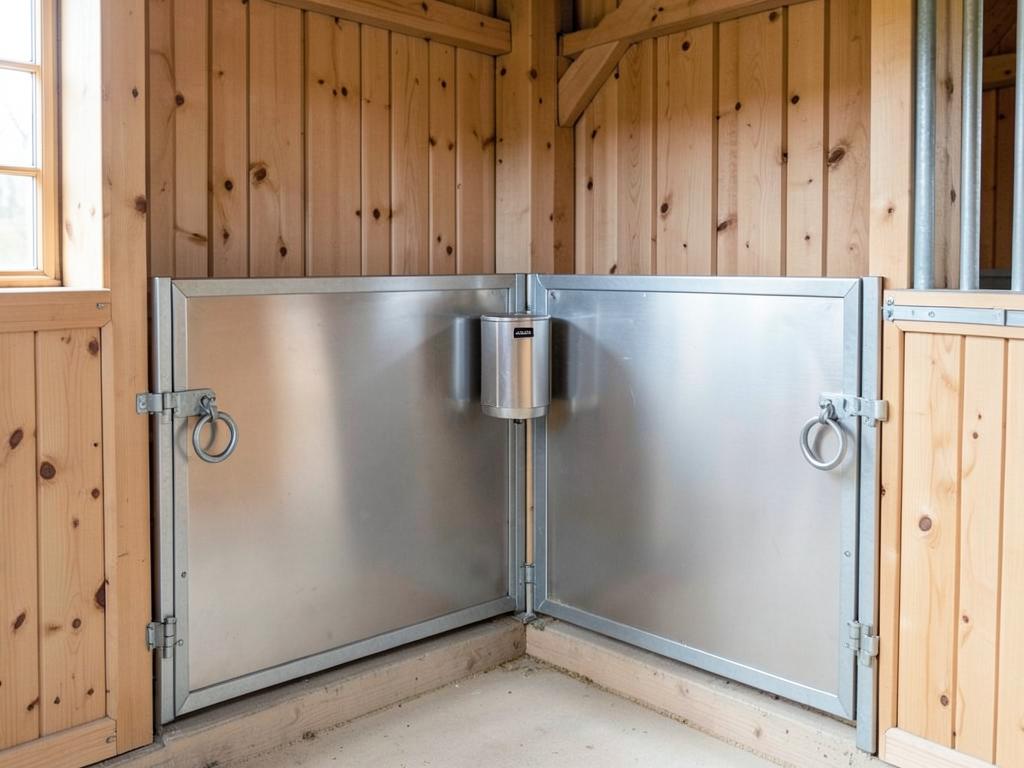
Stainless mangers, automatic drinkers, tie rings and stable hardware specified to fit out or refit a stable properly.
Price on request
Enquire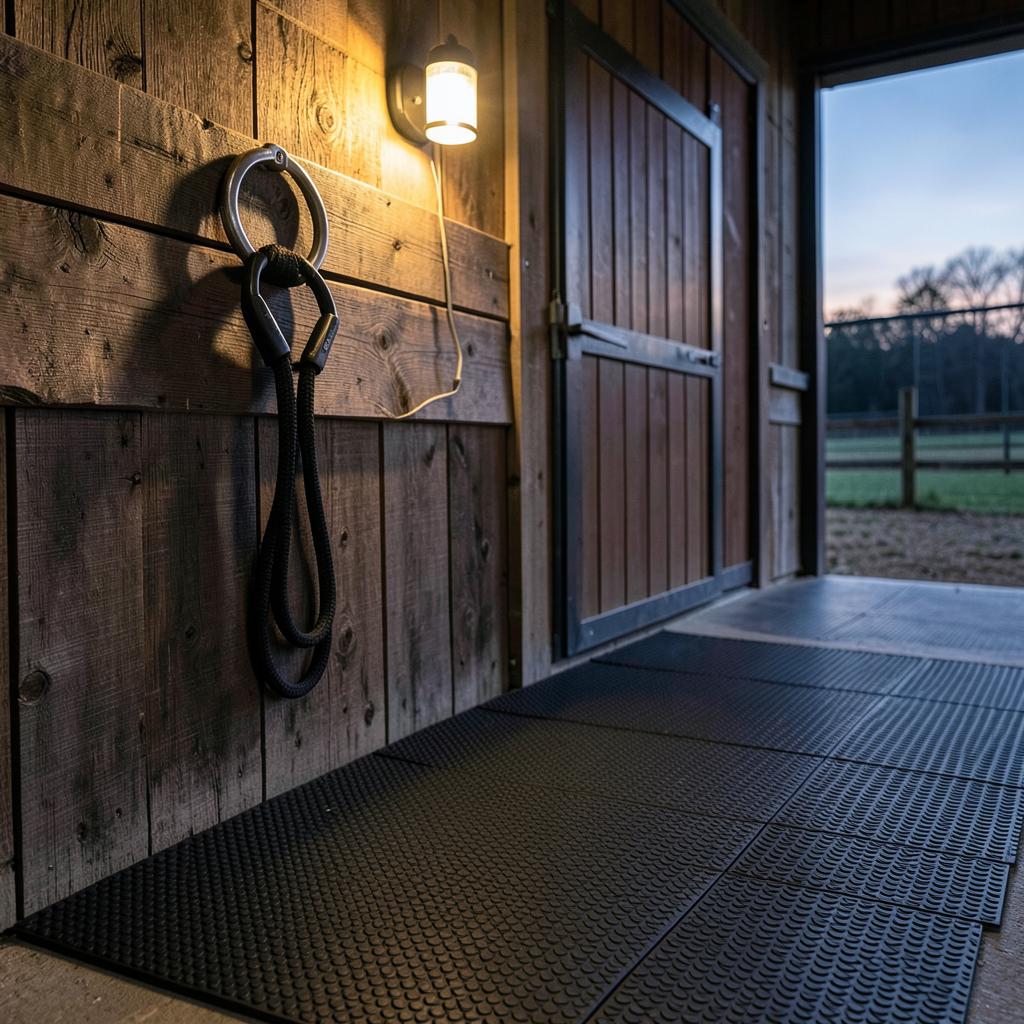 Placeholder image
Yard Equipment · Yard & Stable Safety
Non-slip matting, quick release fittings and yard lighting specified to make a working yard safer in the dark and the wet, chosen around the layout and routines you already have.
Price on request
Enquire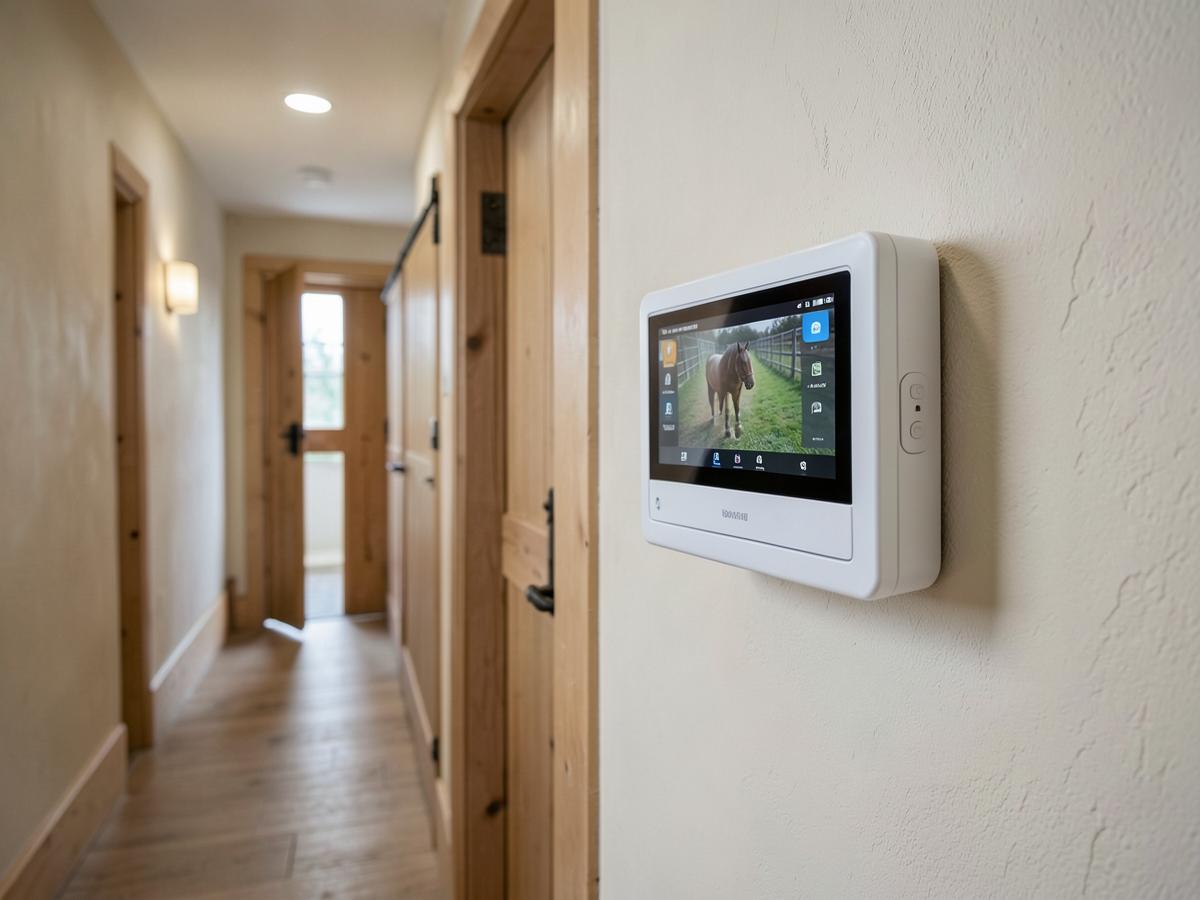 Buying guide
Automation
What you will learn: Practical automation for feeding, water, lighting, turnout and security on a working yard.
Read guide Buying guide
Yard equipment
What you will learn: Where equipment saves the most time on a small private yard, in order of usefulness.
Read guide Buying guide
Planning
What you will learn: The equipment decisions that shape the budget when building or upgrading a private yard.
Read guide