 Placeholder image
Horse Care · Grooming Systems
Grooming Vacuum System
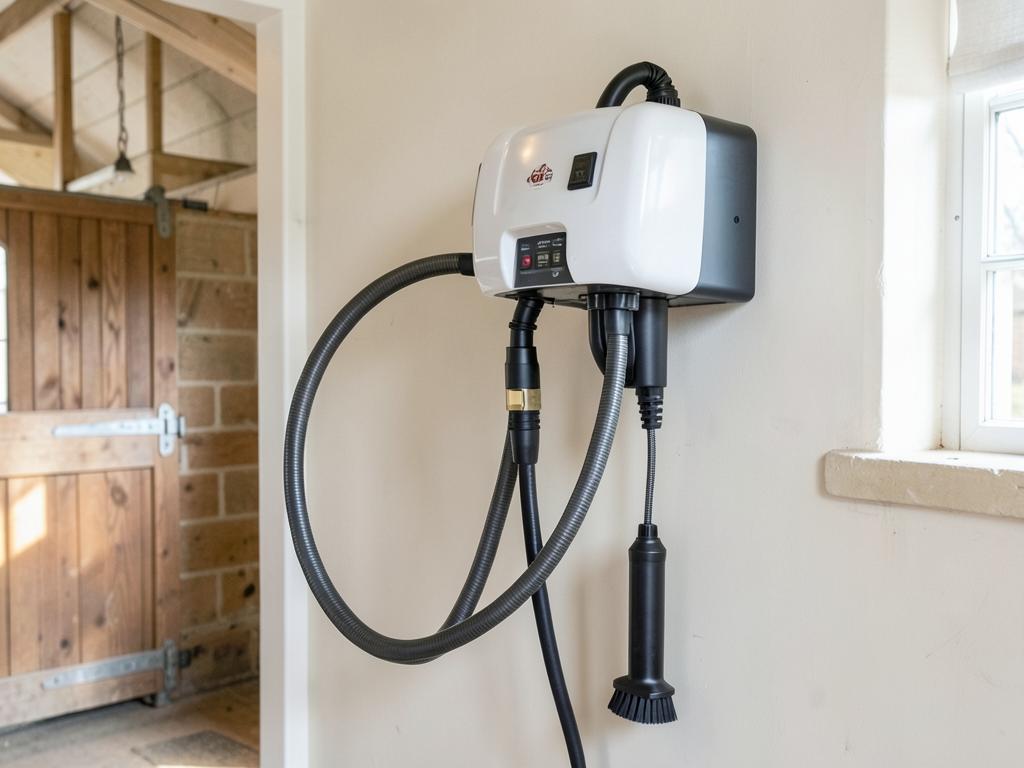
Wall mounted grooming vacuum that lifts dust, scurf and loose coat out rather than moving it around the stable.
Price on request
EnquireUK support
Grooming
What a grooming vacuum changes about daily grooming, how to introduce one to a horse, and the yards it genuinely suits.
A grooming vacuum is worth it if you groom clipped horses in work, or more than two or three horses a day, especially through moulting and clipping season. Wall mounted units suit a fixed grooming area; portable units suit rented yards and horses kept at more than one site. It speeds up and cleans up grooming, but it does not replace hands-on grooming and daily checking of the horse.
Practical preparation
Gather these details first. They will rule out unsuitable options and make any quotation more useful.
A body brush lifts dust out of the coat and then puts most of it back into the air of the stable. A grooming vacuum draws dust, scurf and loose hair away into a collection chamber instead. The practical difference shows up in three places: how clean a clipped horse looks under a rug, how long grooming takes when several horses are moulting, and how much dust ends up on you, the rugs and the tack. It is a labour and cleanliness tool, not a substitute for hands-on grooming, which is also how you find heat, swelling, cuts and sore spots.
The strongest case is a clipped horse in regular work through a British winter, and any yard grooming more than two or three horses a day. Moulting season and the weeks after clipping are when owners notice the difference most. If your horses live out unclipped and are groomed lightly before riding, a grooming vacuum is a comfort rather than a change of routine, and the money is usually better spent on drying or feeding.
A wall mounted unit stays out of the walkway, is always where you need it and suits a grooming bay or a fixed spot in the barn. A portable unit suits rented yards, horses kept at different sites, or anyone who cannot fix to the building. The deciding factors are usually whether you can run a suitable power supply to a fixed position, and whether the hose reaches the whole horse from where the unit will sit.
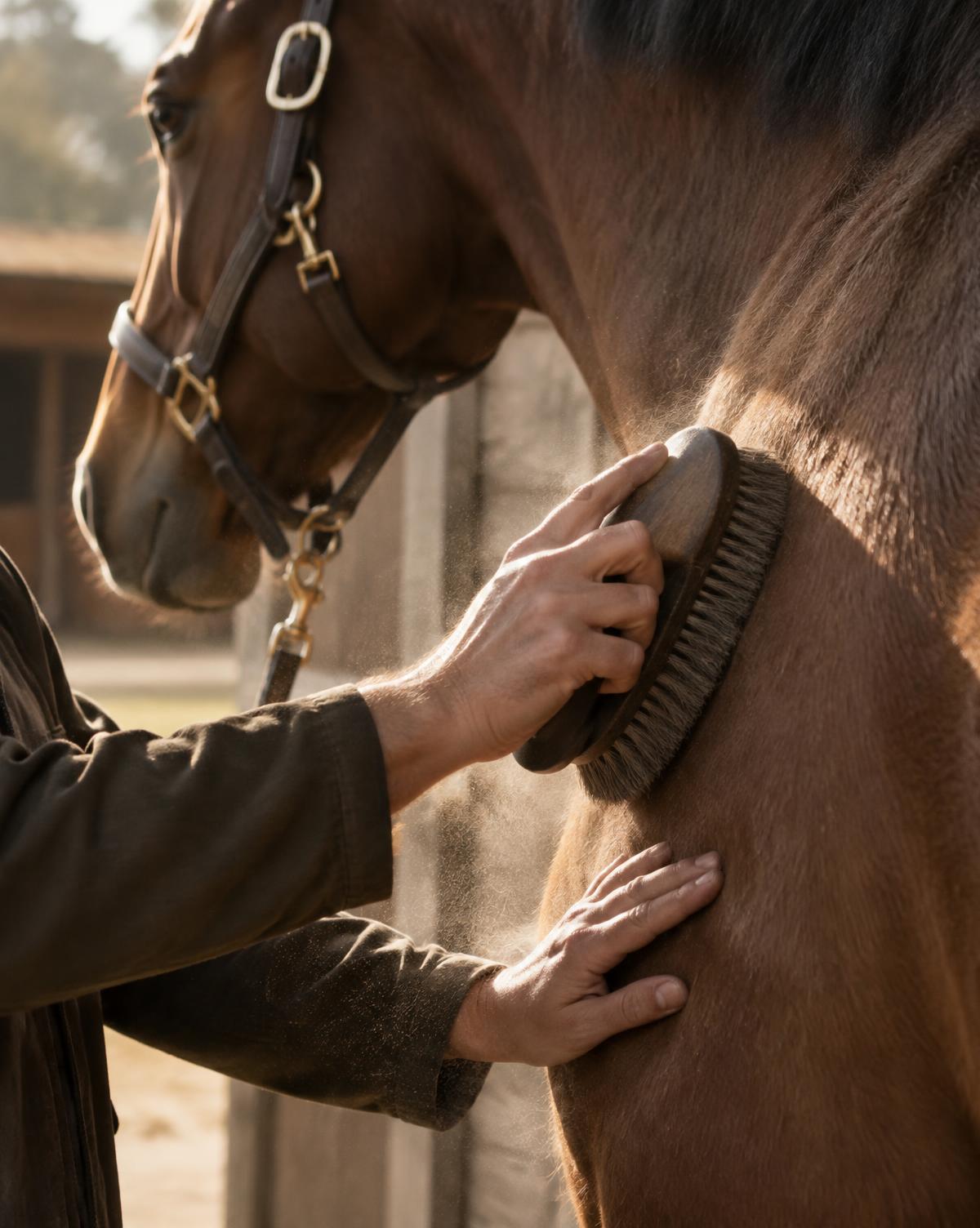
Most horses accept a vacuum within a few sessions if it is introduced calmly: run it at a distance first, let the horse hear it while eating, then start on the shoulder and neck rather than the hindquarters or legs. Keep the first sessions short. Horses that are genuinely frightened of the noise should not be forced, and a nervous or young horse is better started by someone experienced with a headcollar and a handler present.
Noise levels, power requirements, hose lengths and attachments vary by model and are confirmed with the manufacturer before you order. Tell us how many horses you groom, whether they are clipped and where the unit would live, and we will only show you units that suit that.
Decide where the horse will stand, tied safely and clear of the walkway, and where the unit will sit so the hose reaches the whole horse without dragging across the floor. Confirm the power provision at that position with an electrician if a fixed unit is being mounted. Check what the wall is built from, because a mounted unit needs a fixing that will hold with a horse alongside it. Finally, decide who empties the collection chamber and checks the filter, since a neglected unit works poorly and gets blamed on the equipment.
Different nozzles and brush heads suit different jobs: a wide head for the body and quarters, a softer or narrower head for legs, and a bare nozzle for a thick winter coat or a stable stain. A clipped horse in work needs a different approach from a hairy native type coming in from the field, so ask which attachments come with a unit and which are extra rather than assuming. We confirm the attachment options for a model before you order.
A vacuum will not fix a coat problem that comes from diet, worming, skin conditions or poor rugging, and a dull or itchy coat is a reason to speak to your vet rather than to buy grooming equipment. It is also the wrong purchase where the real bottleneck is drying wet horses or rugs: in that case start with our guide on horse drying systems.
No. It removes dust, scurf and loose coat more effectively, but hands-on grooming is also how you find heat, swelling, cuts and sore areas, so it stays part of the routine.
Use the attachment intended for finer areas, keep sessions short and never use one on or near the head. If a horse objects, stop and reintroduce it gradually.
Usually a few short sessions. Let the horse hear it at a distance first, start at the shoulder, and have a handler present for young or nervous horses.
Household units are not built for coat, dust volume or yard conditions and can be unsafe in a damp building. Equipment intended for equine use is specified for the job.
Usually a wall mounted unit in a dedicated grooming area. Tell us how many horses, whether they are clipped and where they stand, and we will suggest suitable options.
Recommended equipment
Explore the equipment discussed in this guide, with specifications and buying information on each product page.
Placeholder imageHorse Care · Grooming Systems
Wall mounted grooming vacuum that lifts dust, scurf and loose coat out rather than moving it around the stable.
Price on request
Enquire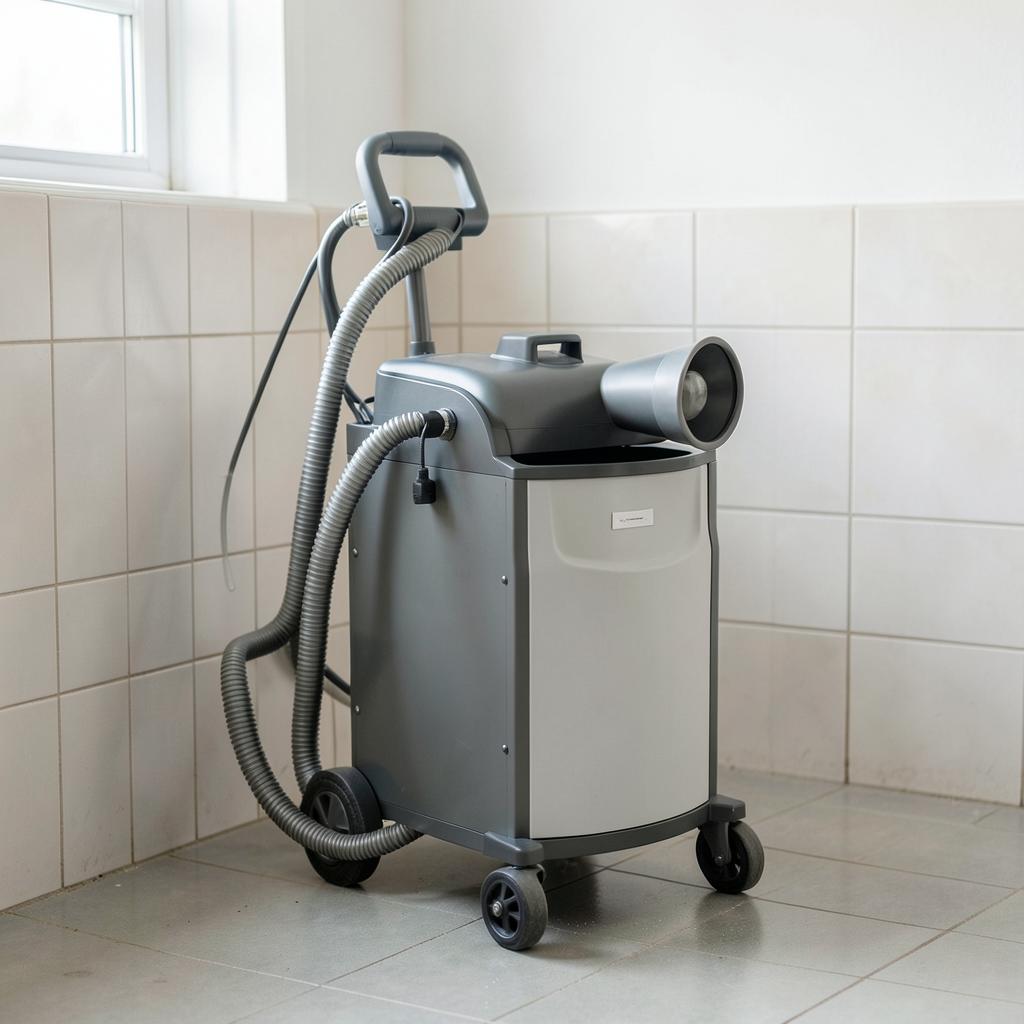 Placeholder image
Horse Care · Horse Dryers
Wheeled warm air dryer used to dry a horse off after washing, work or a wet day, without fitting anything to the building. It moves between stables and wash areas and stores away between uses.
Price on request
Enquire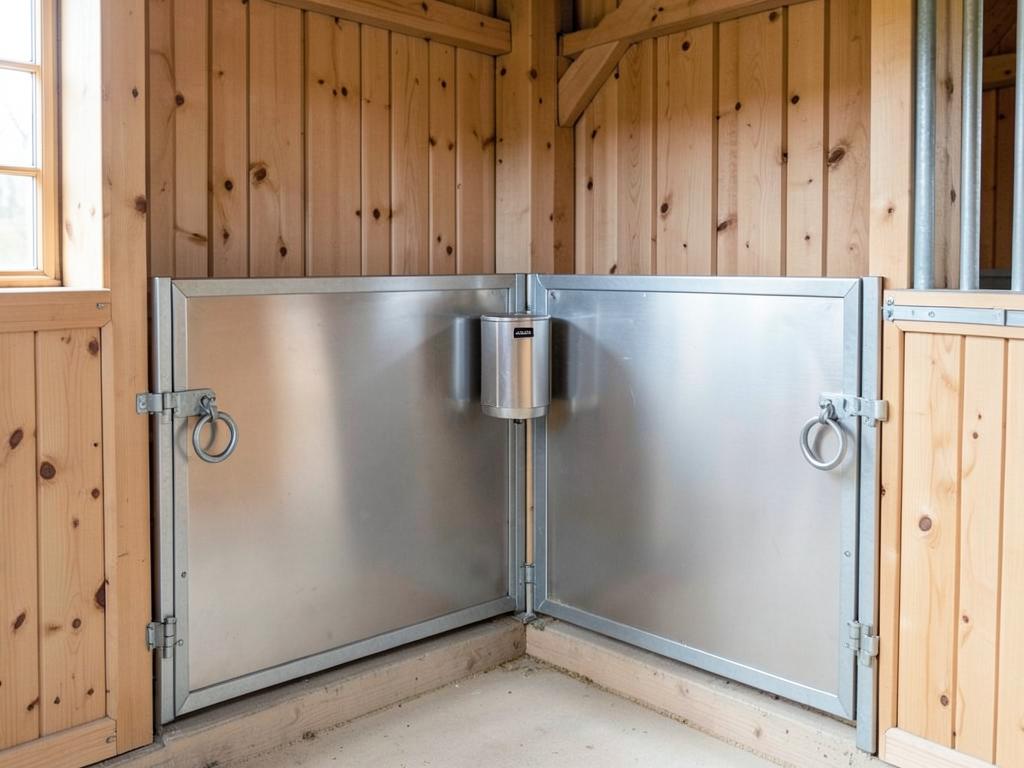 Placeholder image
Yard Equipment · Stable Fittings
Stainless mangers, automatic drinkers, tie rings and stable hardware specified to fit out or refit a stable properly.
Price on request
Enquire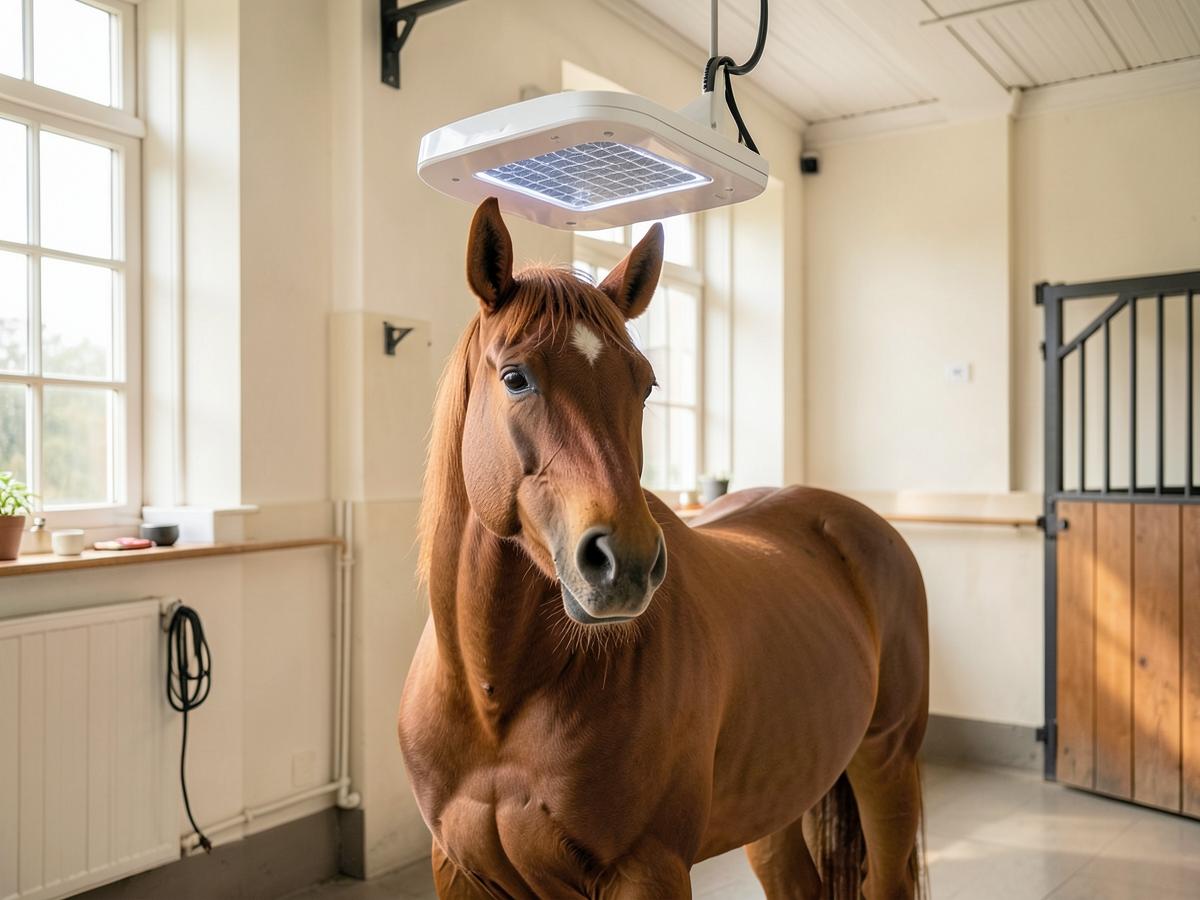 Buying guide
Drying
What you will learn: What a solarium does, what it costs to run, the space it needs and the yards it genuinely suits.
Read guide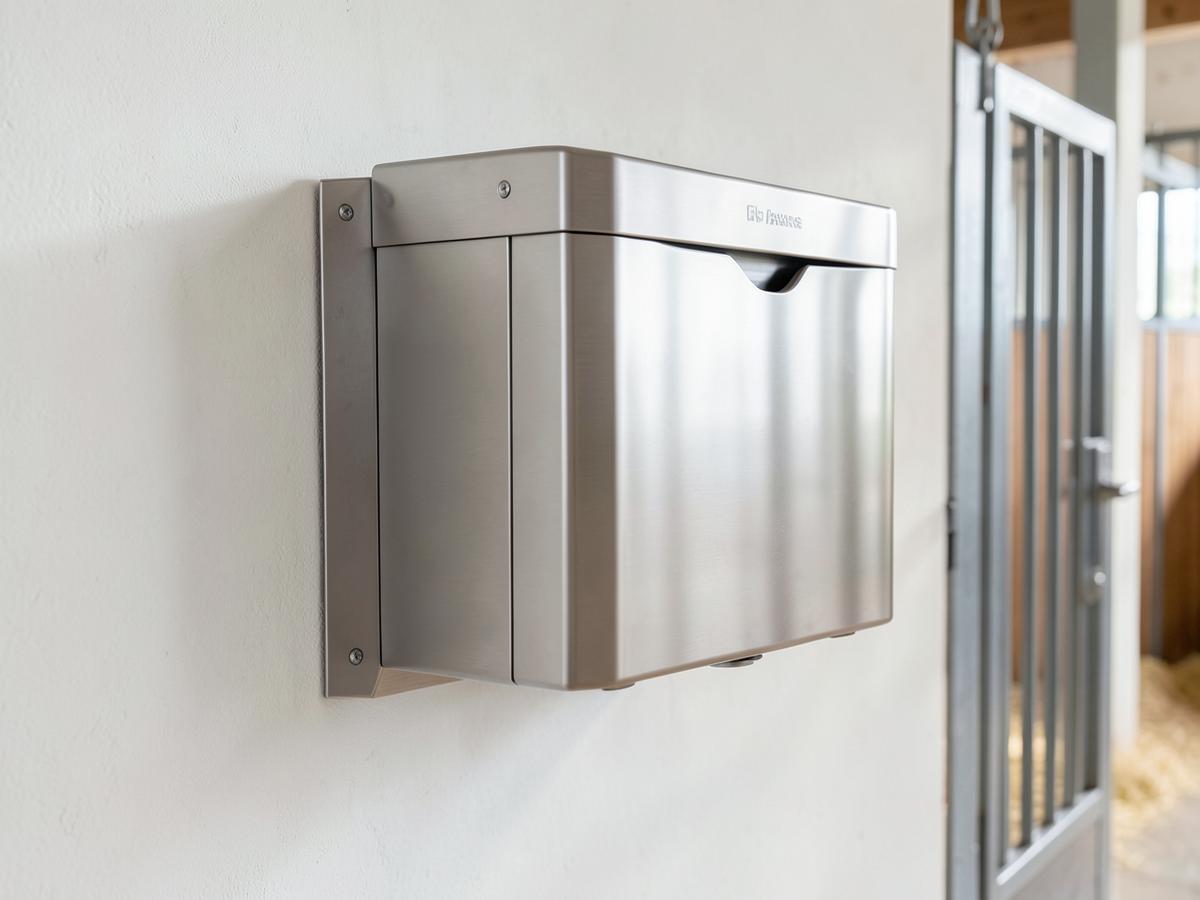 Buying guide
Feeding
What you will learn: Single-stable feeders through to whole-yard systems, and how to work out which suits your routine.
Read guide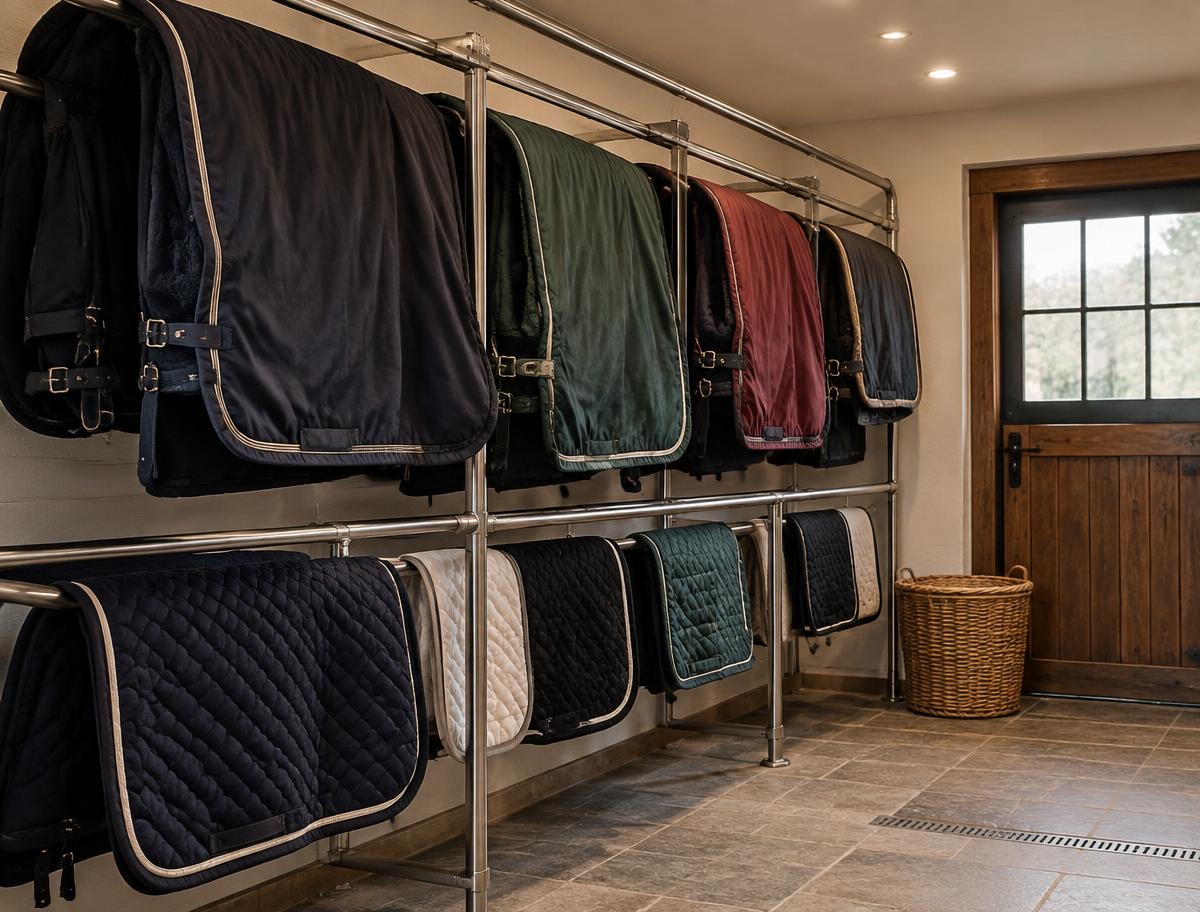 Buying guide
Drying
What you will learn: Solariums, horse dryers and rug drying rooms compared for real British winters.
Read guide